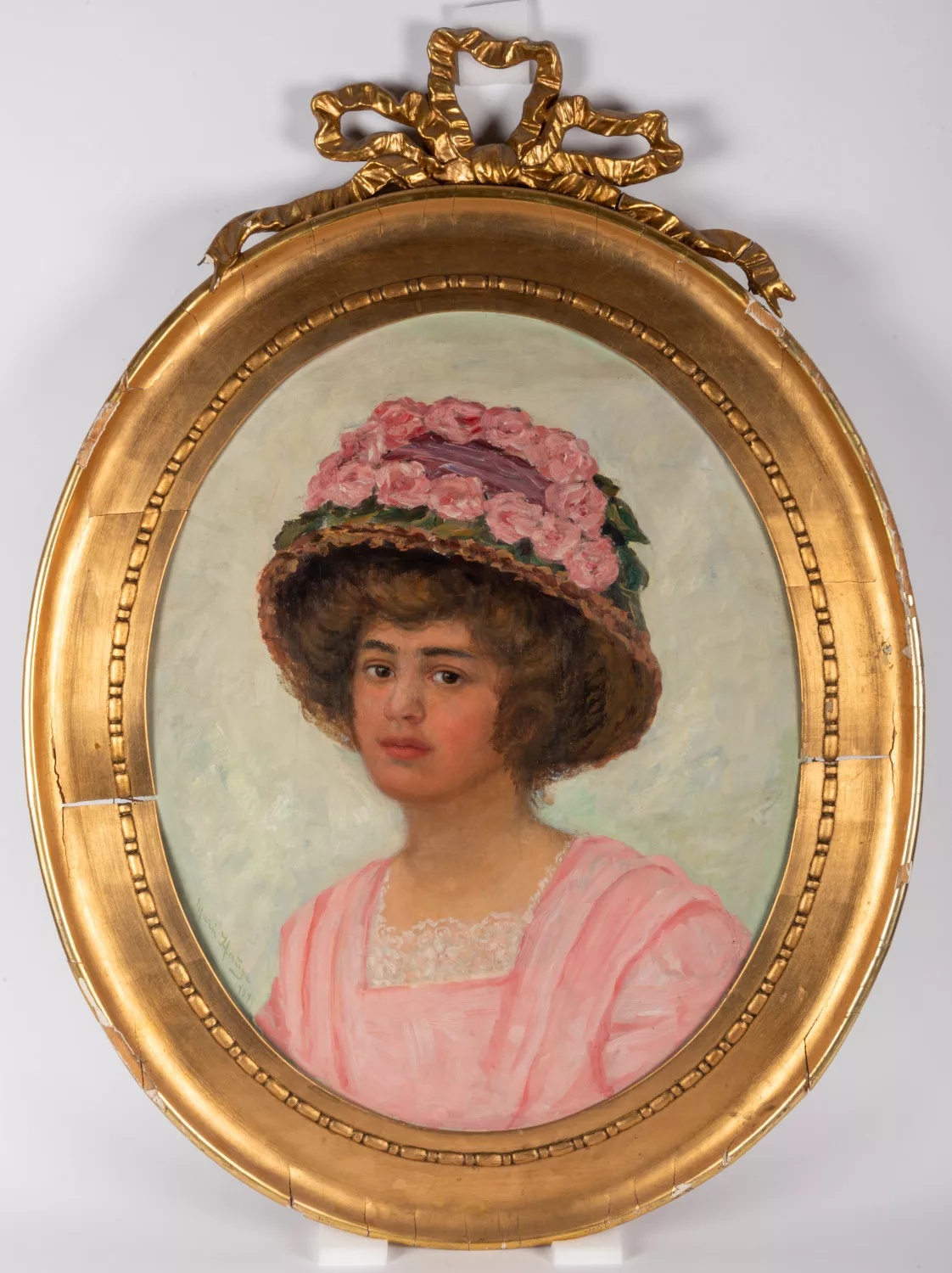
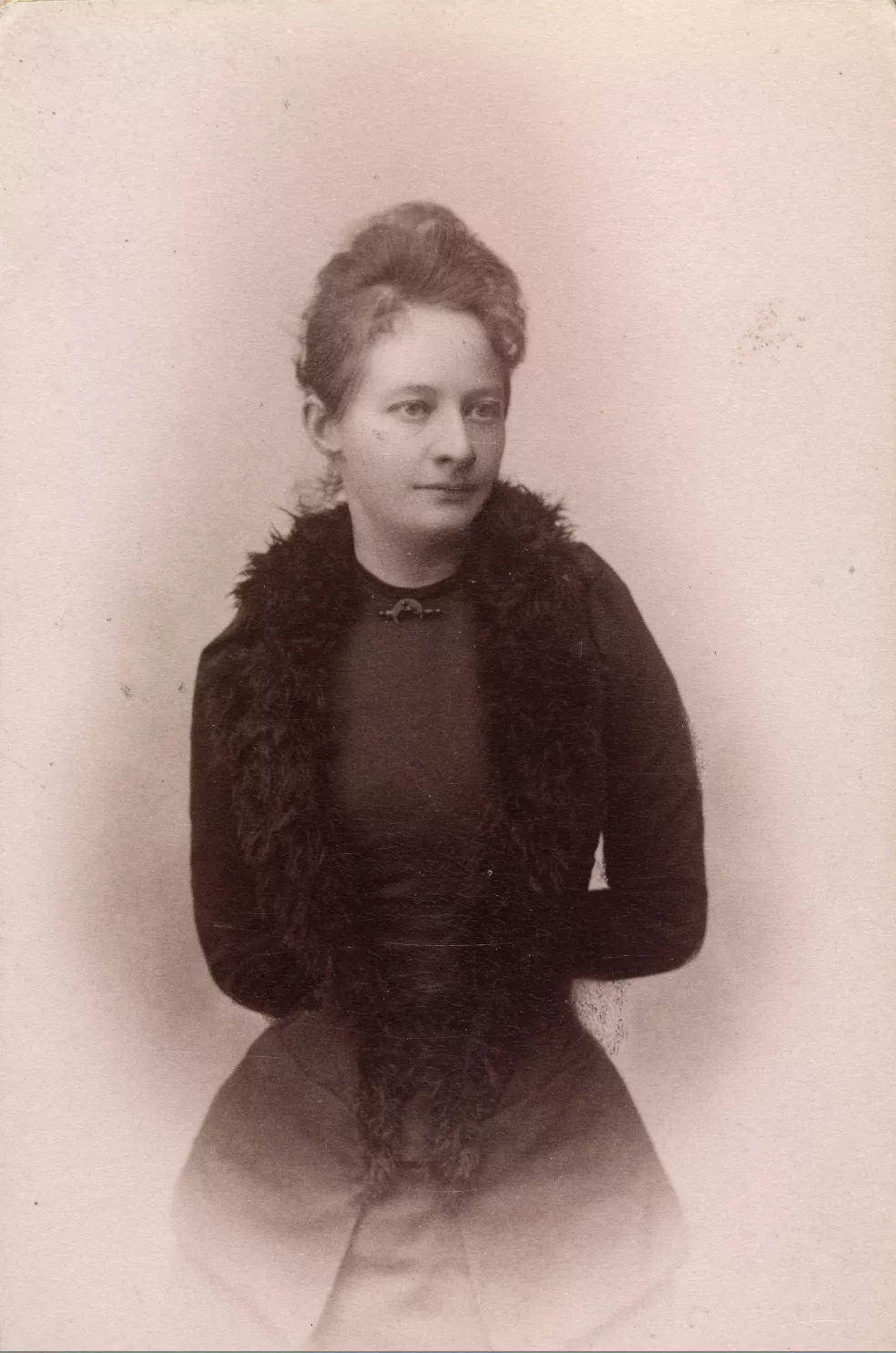
Portrait of Marie Hauge by Carl Theodor Thorkildsen, c. 1890–1895, Oslo Museum
Glambek, Ingeborg, “Marie Hauge”, Norsk kunstnerleksikon på Store Norske Leksikon, accessed 3 September, 2026, https://nkl.snl.no/Marie_Hauge
→Anne, Aaserud, Falahat, Ann, Heggtveit, Jorån, Lange, Marit Ingeborg, Stanghelle, Harald, Steinsvik, Tone Sinding, Winchstrøm, Anne, Kvinner i kunsten; Harriet Backer, Kitty L. Kielland, Elisabeth Sindig, Asta Nørregaard, Marie Tannæs, Signe Scheel, Marie Hauge, Nina Sundbye, exh. cat., Blaafarveverket, Åmot (19 May–23 September 2012), Vikersund, Blaafarveværkets Kunst- Og Kulturhistoriske Skrifter, 2012
→Wichstrøm, Anne, Kvinneliv Kunstnerliv: kvinnelige malere i Norge før 1900, Oslo, Gyldendal, 1997
Solo exhibition, Kunstnerforbundet, Kristiania, 1911
→Solo exhibition, Bergens Kunstforening, Bergen, 1909
→Solo exhibition, Blomqvists Kunsthandel, Kristiania, 1901
Norwegian painter and sculptor.
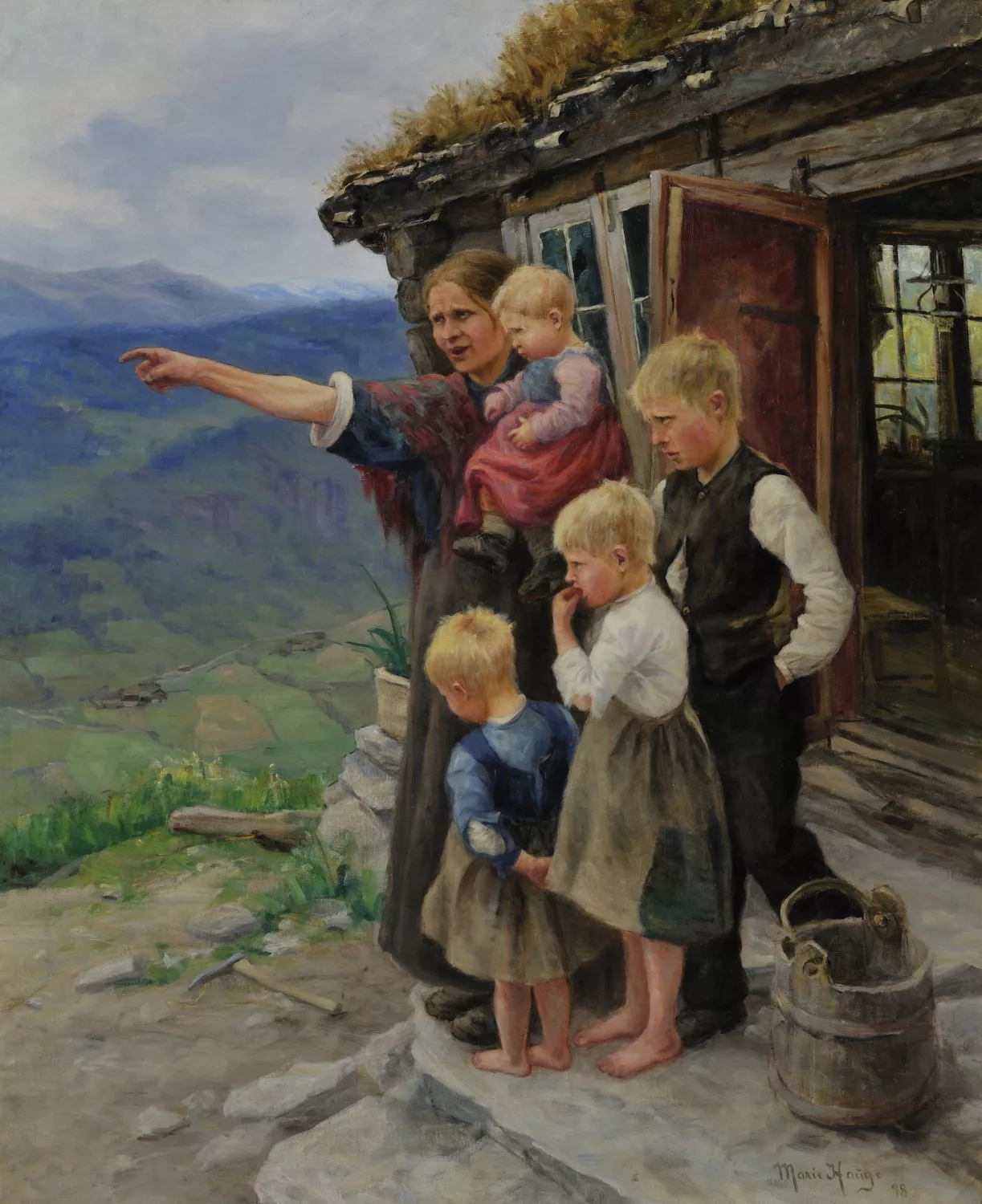
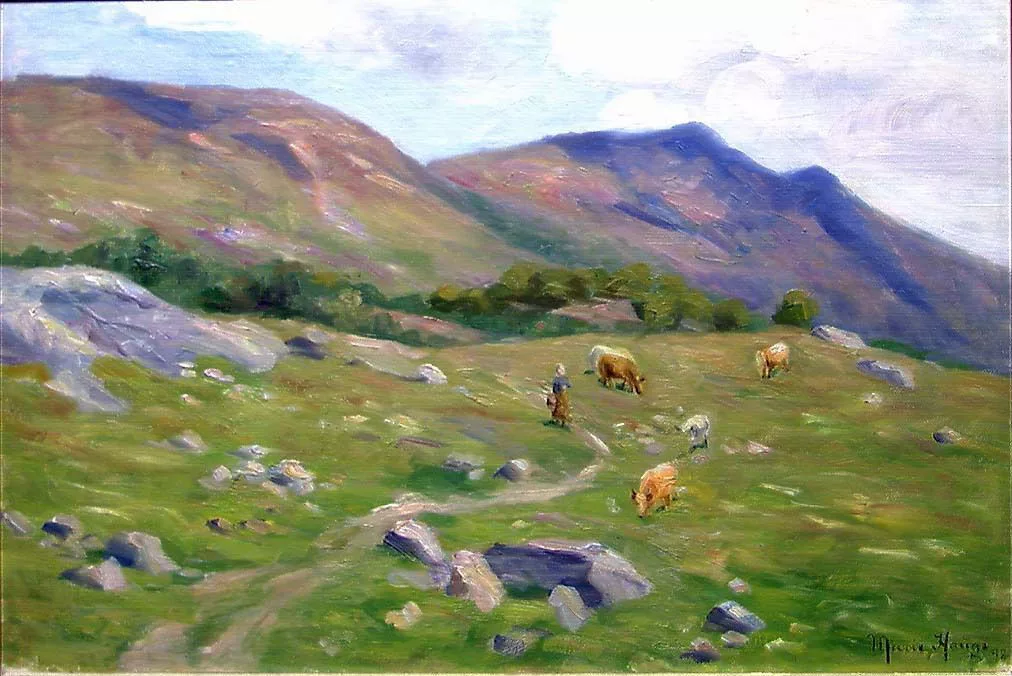
Marie Hauge (Marie Octavia Nielsen Hauge) was a Norwegian painter and sculptor most known for depicting the everyday lives of working class people and farmers. She is considered a pioneer and belonged to the first generation of female artists in Norway. She was born in Drammen, where her father worked as an auditor in a bank. As a child she had a great interest in drawing and painting, and 1888 marks the start of her official art education, when she moved to Kristiania (now Oslo) to study at the painting school run by the artists Christian Krohg (1852–1925) and Hans Heyerdahl (1857–1913). Later, she also studied under famous Norwegian artists like Eilif Peterssen (1852–1928) and Erik Werenskiold (1855–1938). However, the two teachers that ended up being the most important to her and her artistry were Sven Jørgensen (1861–1940) and Harriet Backer (1845–1932). M. Hauge painted landscape motifs and genre paintings with scenes depicting the everyday life of Norwegian farmers, especially from the Gulbrandsdalen area – a subject she shared with S. Jørgensen, while her interior motifs are clearly influenced by H. Backer.
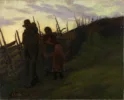
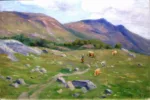
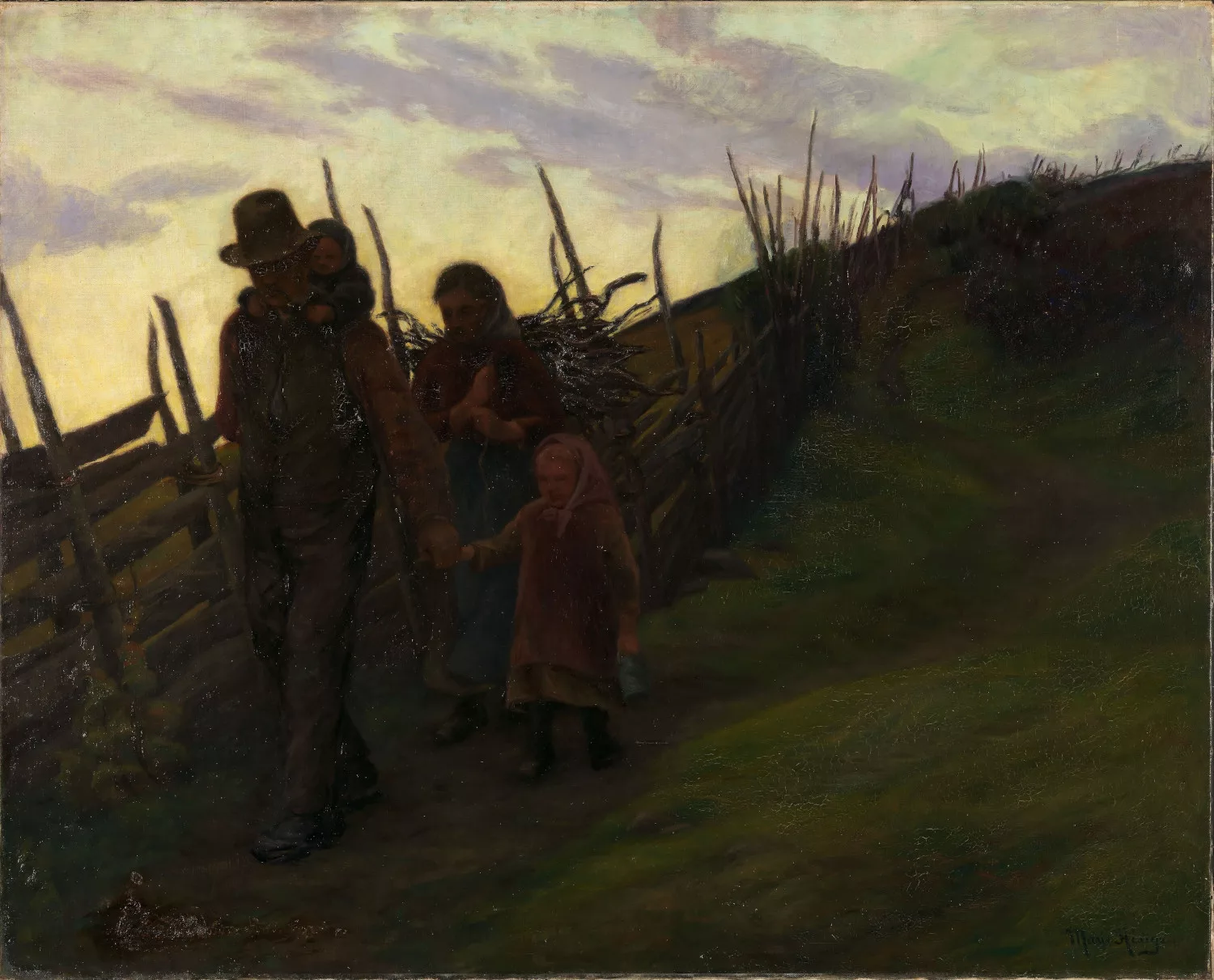
The painting Husmannsfolk på hjemveien [Cotter Family on the Way Home, 1896] was the piece she considered to be her best work. It depicts a family of four walking in a field during sunset, on their way home after a long day of physical labour. The father is holding hands with a little girl and is carrying a baby on his back. Behind them, the mother is busy carrying a big stack of wood on her back. This painting and her Fjellandskao med kyr [Mountain Landscape with Cows] were acquired by Nasjonalmuseet [The National Museum of Norway].
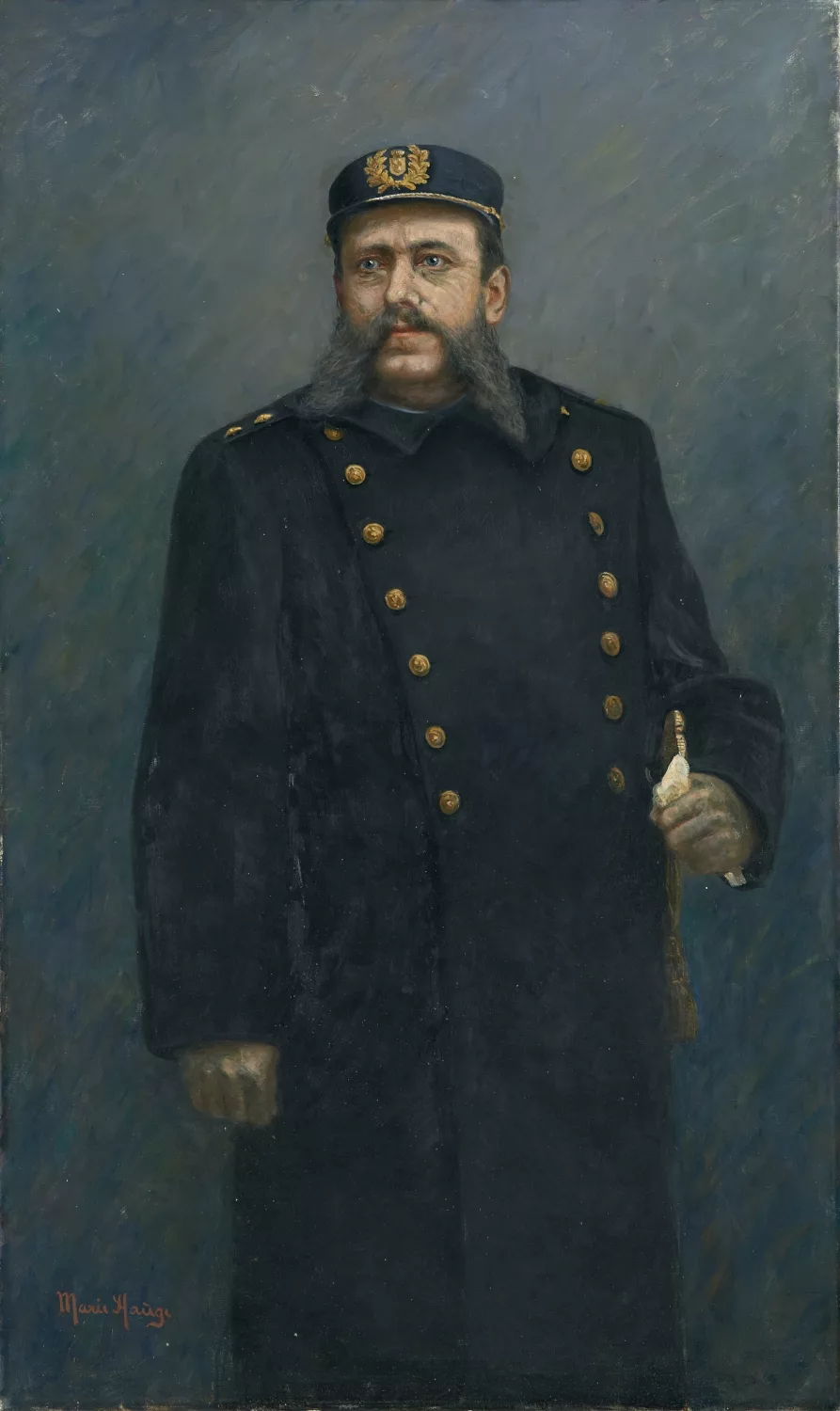
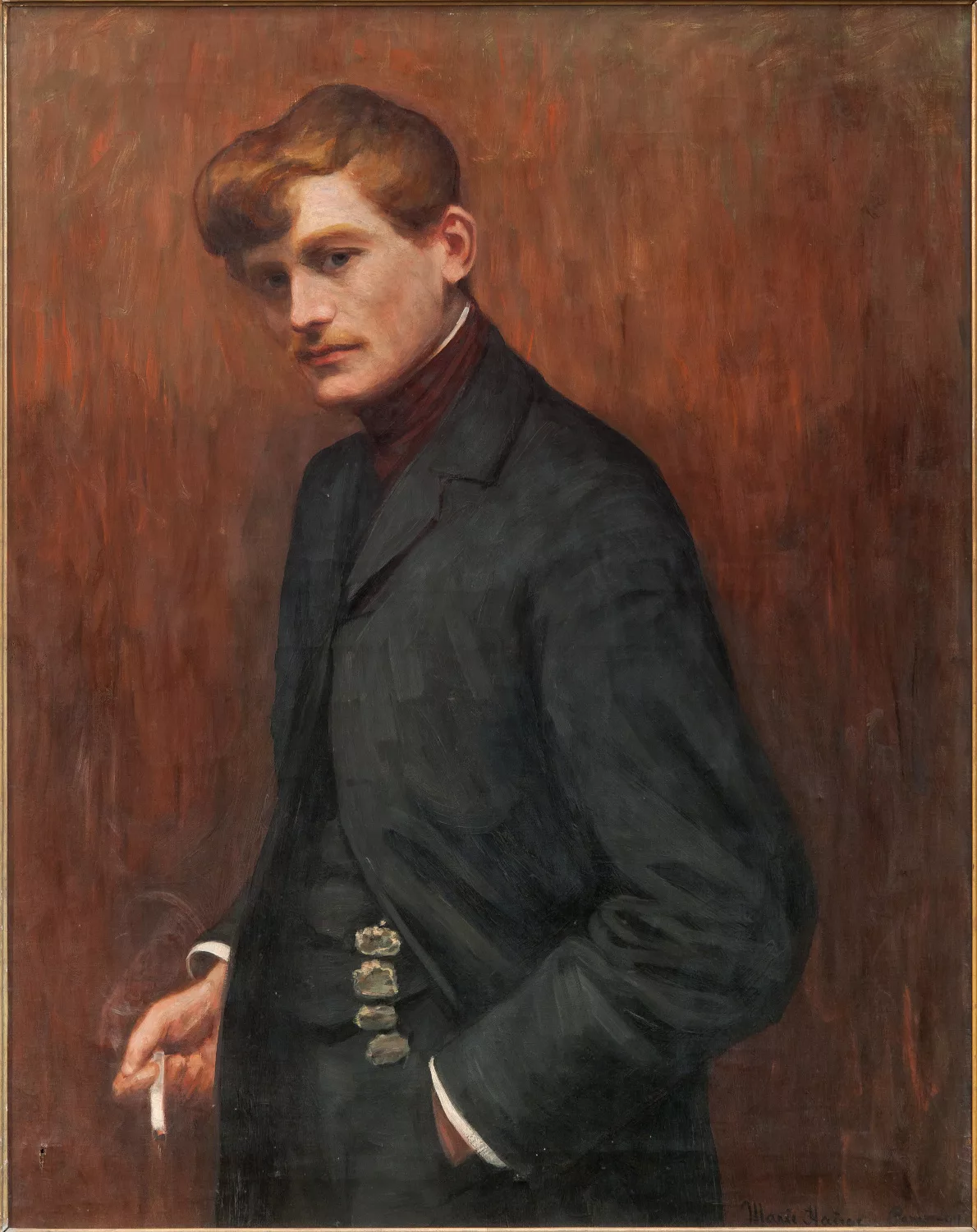
M. Hauge loved to travel, and during her lifetime she visited almost every country in Europe, as well as Morocco and Algeria in Africa. No other Norwegian artist at the time travelled as much, and she made sure to spend her time developing her skills during her trips. She lived in Paris from 1903 to c. 1906–1907, attending the Académie Colarossi and Académie des Beaux-Arts. During a journey to Italy in 1900–1902 she spent time copying Old Masters such as Rafael (1483–1520) and Peter Paul Rubens (1577–1640) to improve her skills as a portrait painter. Late in her career, she specialised in portraiture, her most famous piece being a portrait of the Norwegian artist, author and women’s rights activist Asta Hansteen (1824–1908), Asta Hansteen f.1824 [Asta Hansteen b. 1824, 1902]
In 1911 M. Hauge was the first female artist to have a solo exhibition at the newly established Kunstnerforbundet [The Artist’s Union] in Kristiania (current-day Oslo). As a women’s rights activist, who fought for female artists to be accepted in juries, exhibitions and artist associations in the same way as their male colleagues, this accomplishment suited her well. During her career, she had several solo exhibitions at Blomqvist and Bergens Kunstforening [Bergen Art Association], and contributed to many group exhibitions, both in Norway and abroad. In addition to painting, she also made small sculptures, such as statuettes and reliefs. The only sculpture she exhibited, Tidens om går [The Passing of Time, 1905], was a symbolist work shown at Høstutstillingen [The Autumn Exhibition] in 1905.
A biography produced in collaboration with MUNCH
© Archives of Women Artists, Research and Exhibitions, 2026