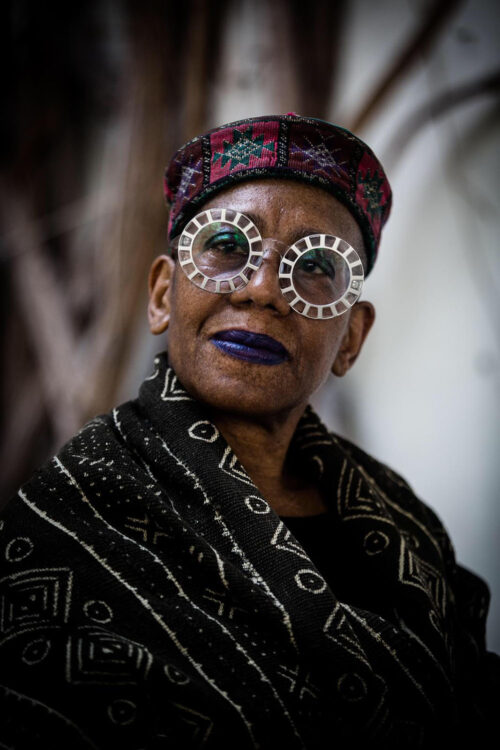
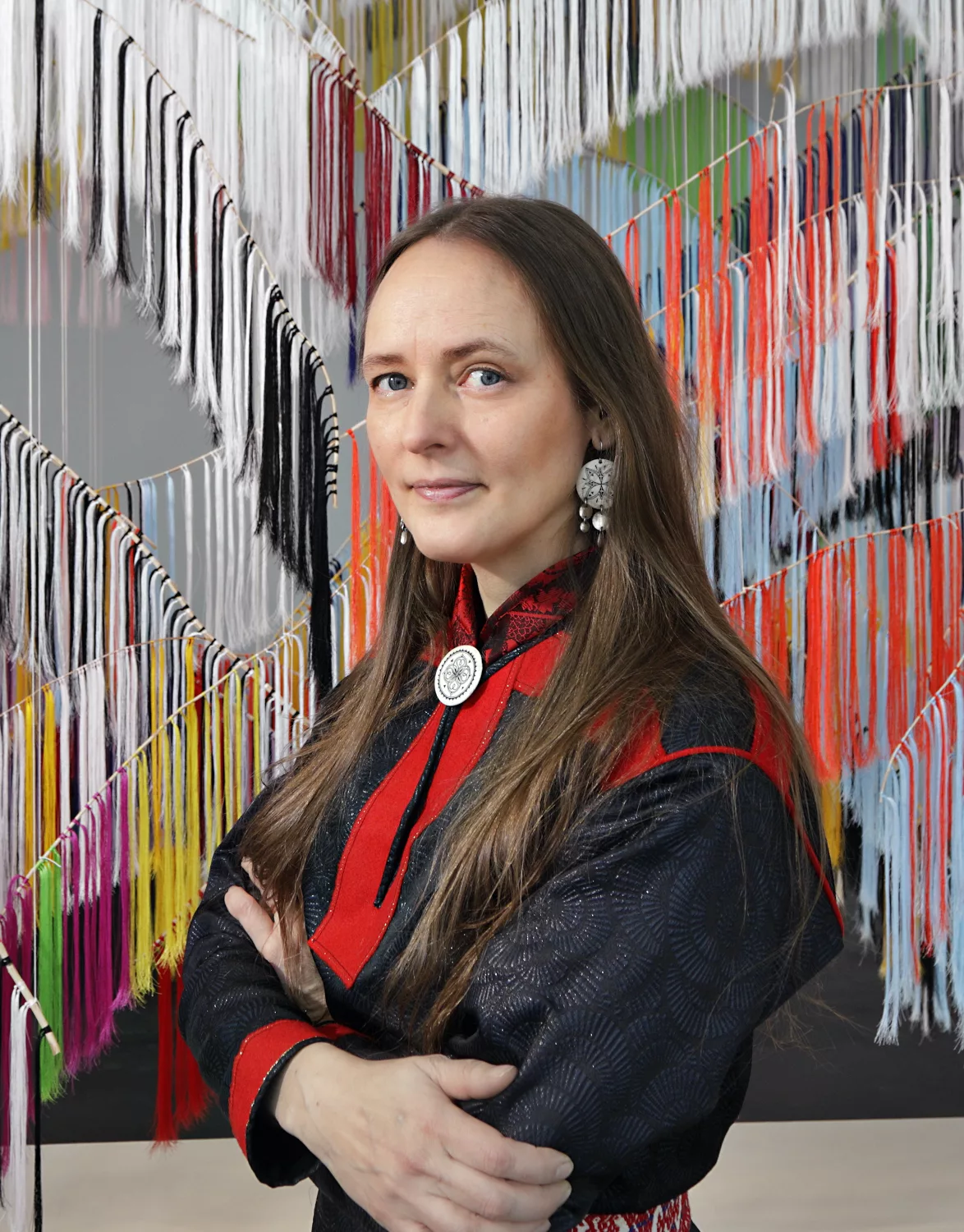
Portrait of Outi Pieski by Heikki Tuuli
Finbog, Liisa-Rávná, ““Lean Gierddahallan Jávohisvuođas”: The Silencing of Sámi Women and Their Aesthetic Practices,” in Greaves, Kerry, Thorsen Vilslev, Birgitte (eds.), Transformative Feminisms: Nordic Art in the Transcultural Present, Berlin, De Gruyter Brill, 2026, p. 221–241
→Eeva-Kristiina Harlin and Outi Pieski, “The Legacy of Ládjogahpir: Rematriating Sápmi with Foremother’s Hat of Pride,” in Hertz, Carrie (ed.), Dressing with Purpose, Bloomington, Indiana University Press, 2021, p. 203–210
→
Grini, Monica “Contemporary Sámi Art in the Making of Sámi Art History: The Work of Geir Tore Holm, Outi Pieski and Lena Stenberg,” in Aamold, Svein, Haugdal, Elin, Angkjær Jørgensen, Ulla (eds.), Sami Art and Aesthetics, Aarhus, Aarhus University Press, 2017, p. 297–324
Outi Pieski, Tate St Yves, St Yves, 10 February–6 May, 2024
→Outi Pieski: Čuolmmadit, EMMA – Espoo Museum of Modern Art, Espoo, 12 September 2018–06 January, 2019; Oulu Museum of Art, Oulu, 2 February–2 June, 2019
→A Greater Miracle of Perception (with Miracle Workers Collective), Finnish Pavilion, 58th Venice Biennale, Venice, 11 May–24 November, 2019
Sámi visual artist.
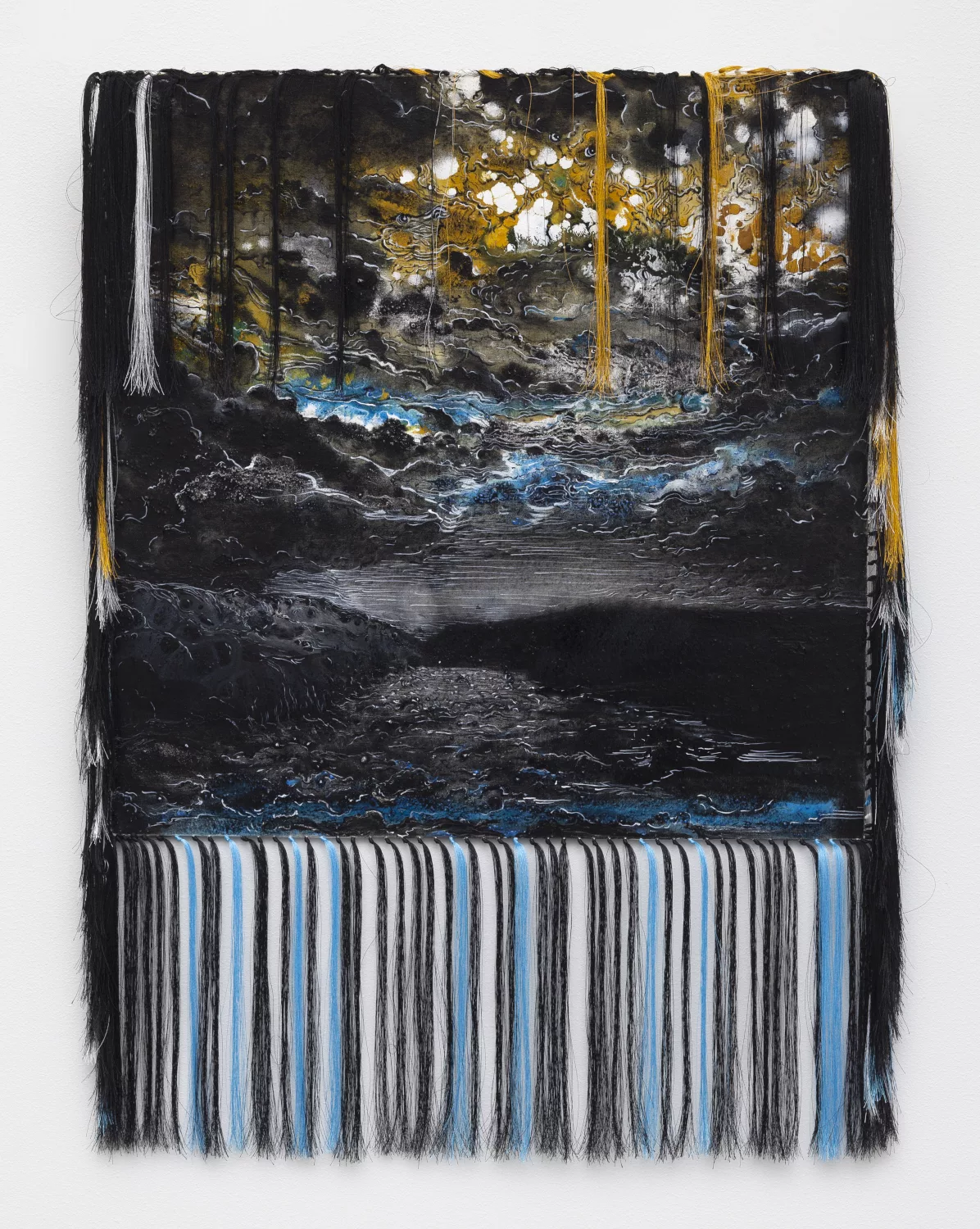
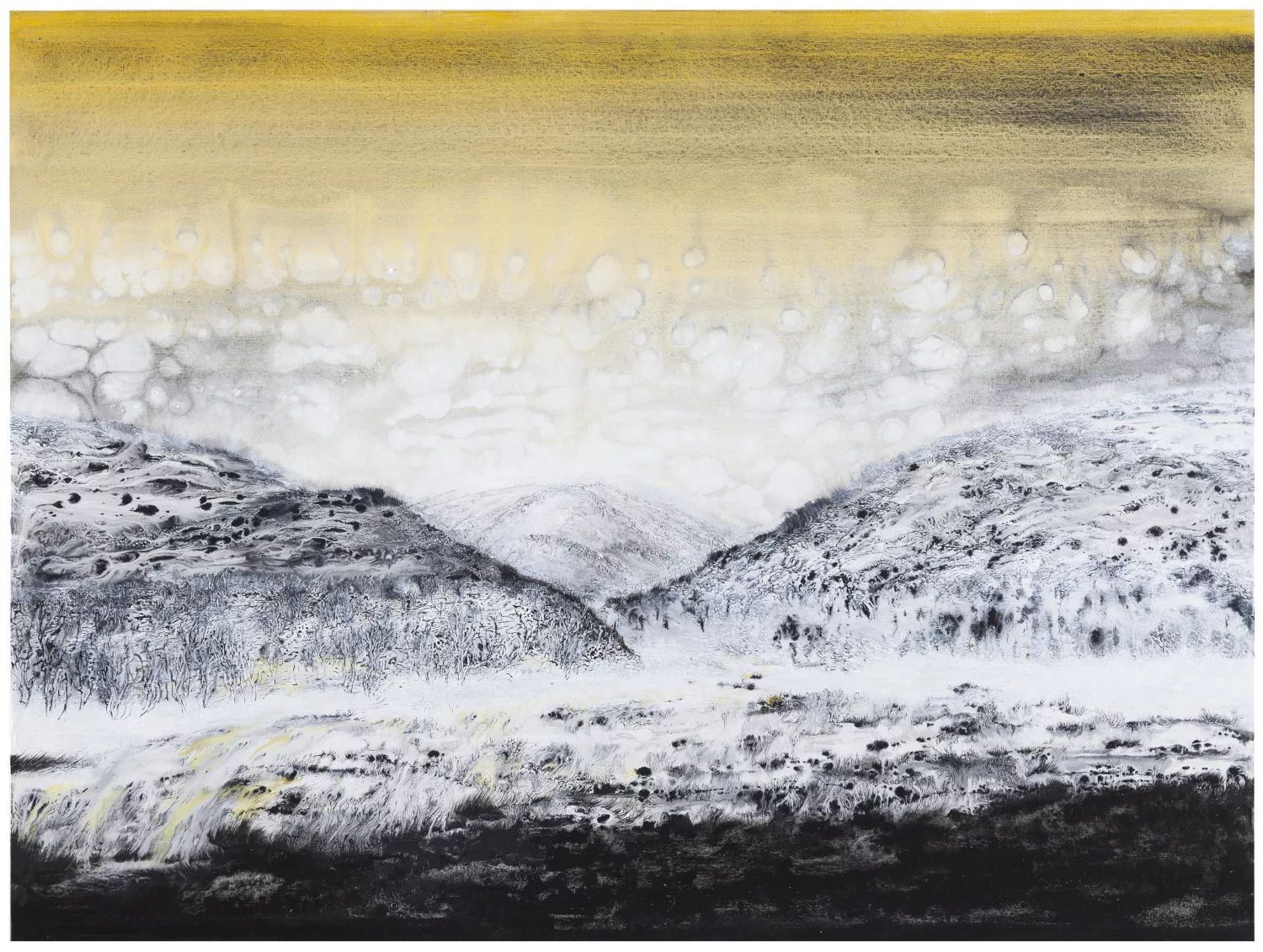
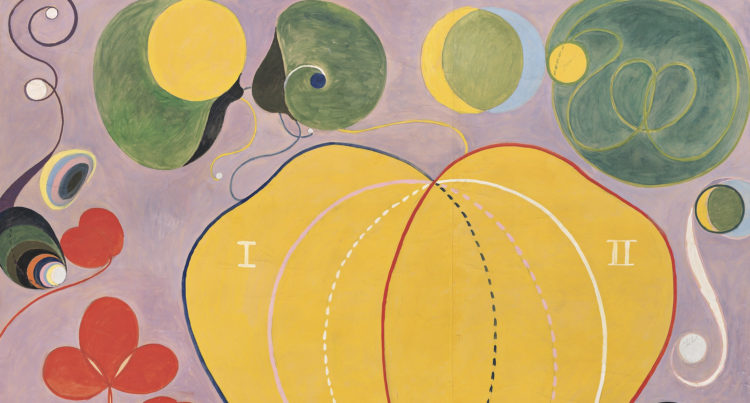
Outi Pieski graduated from the Academy of Fine Arts in Helsinki in 2000. Working with painting and installation, she addresses questions of Sámi history, culture and identity. O. Pieski investigates how Sámi culture has been devalued by colonial processes and how it can be revived in a contemporary context. With an explicit focus on duodji – traditional Sámi handicraft – O. Pieski explores Sámi aesthetics as a form of collective knowledge and resistance.
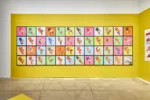
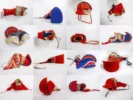
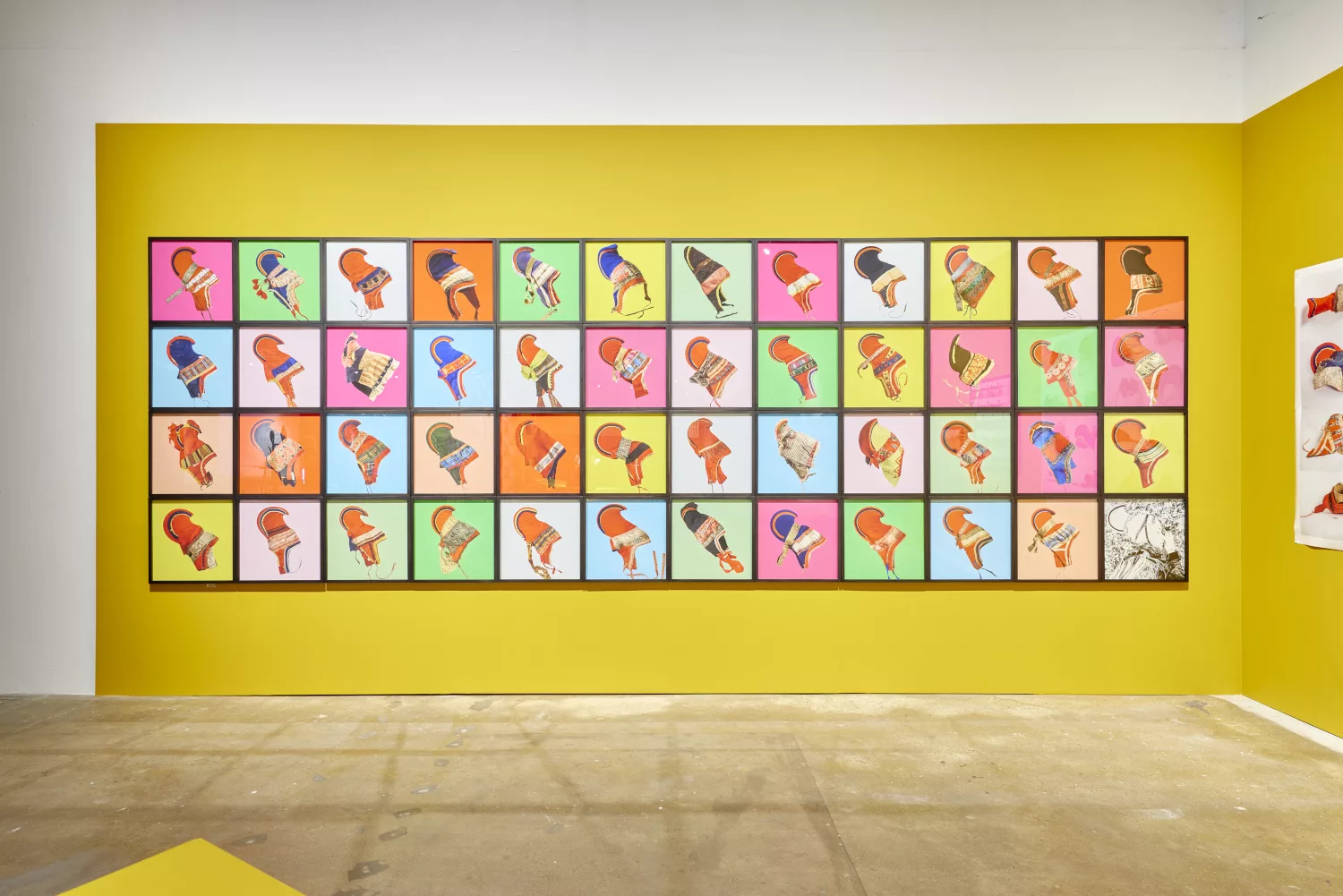
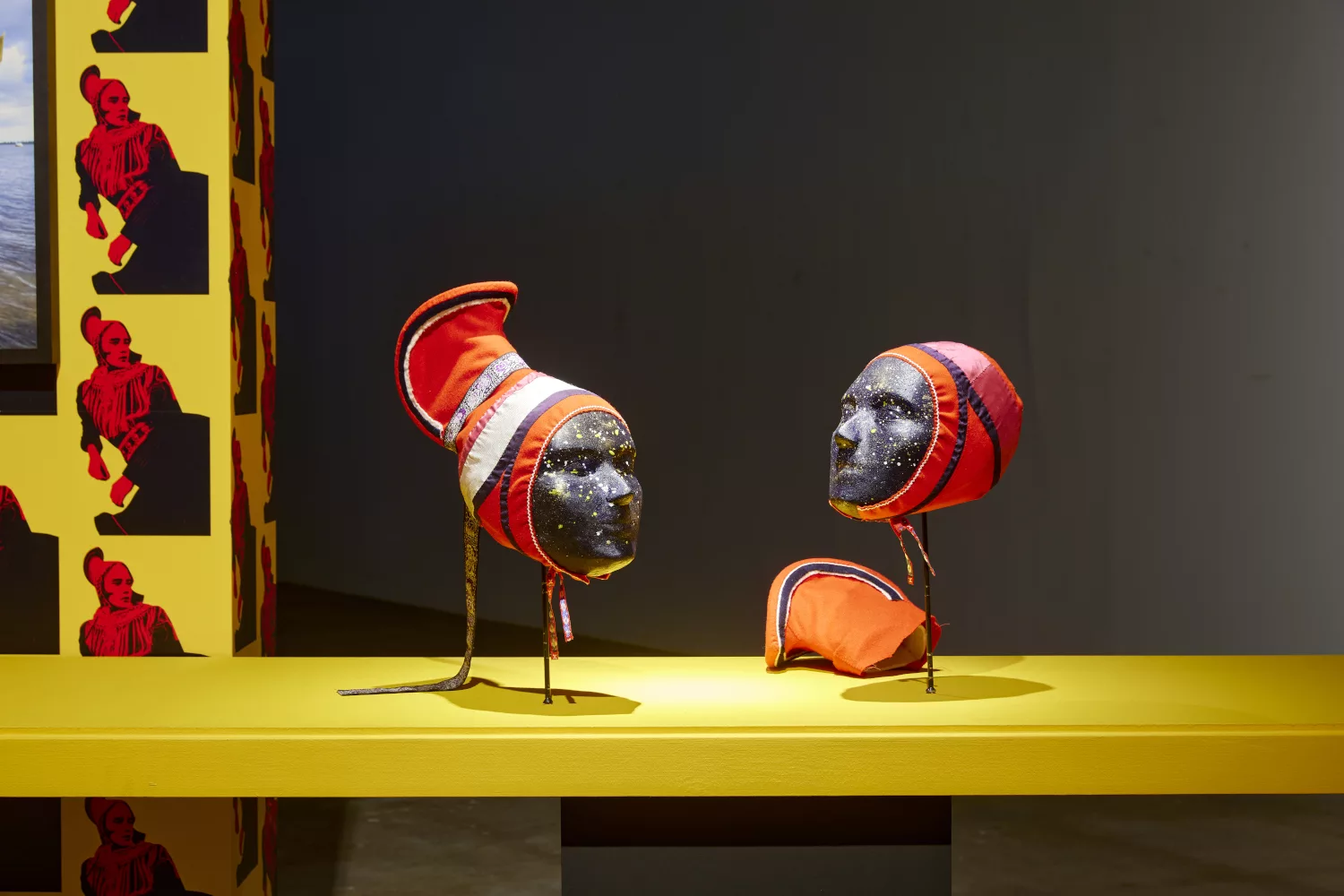
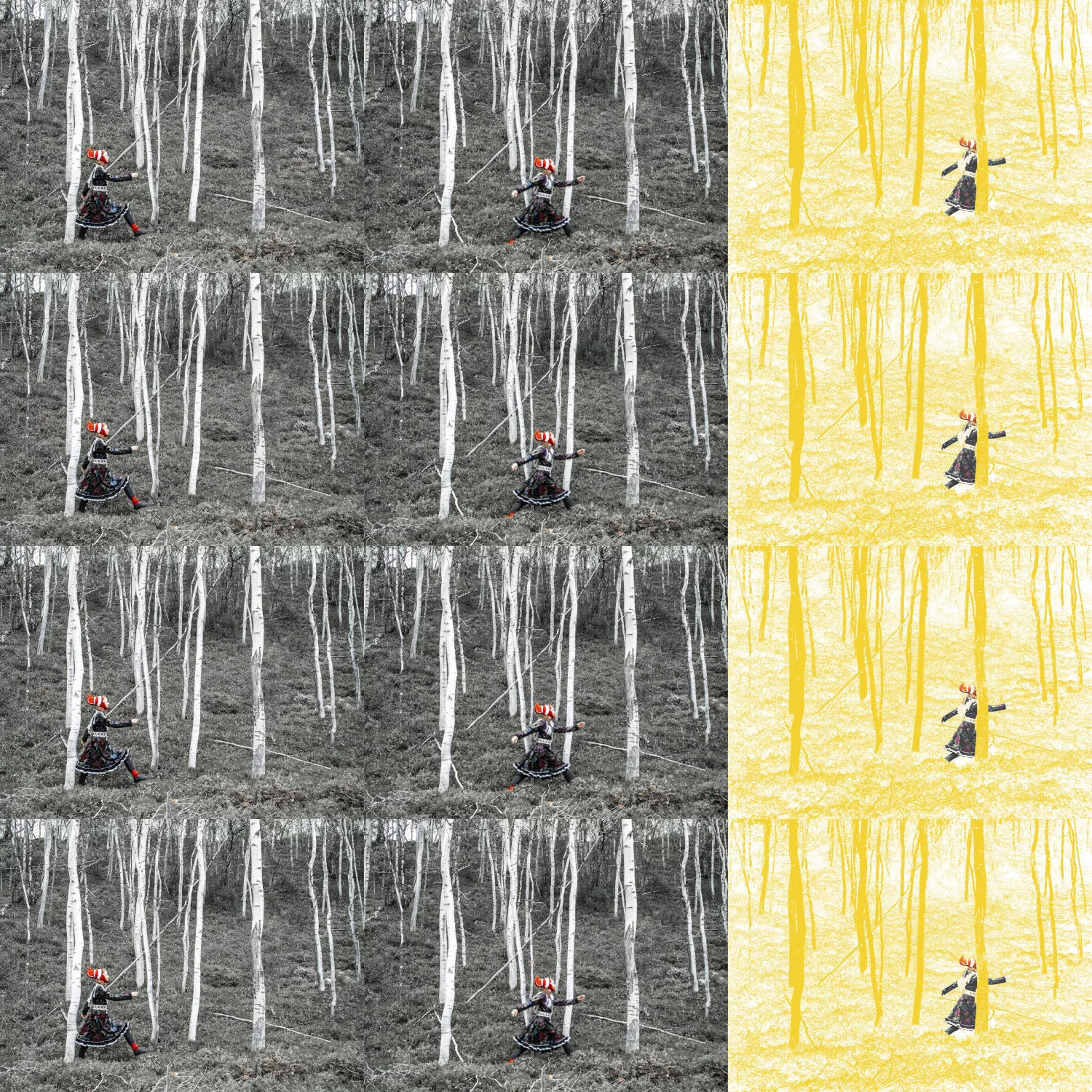
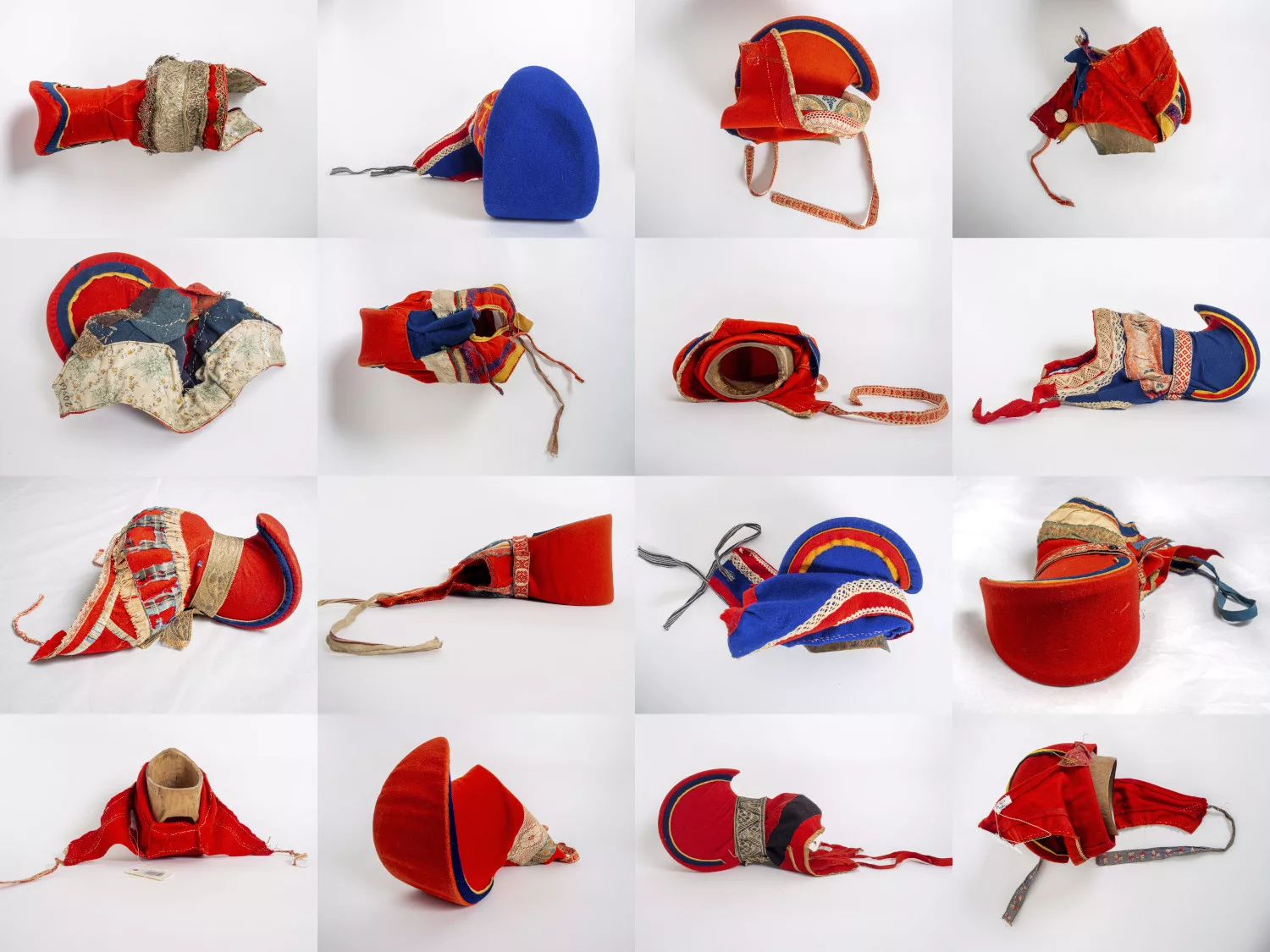
The cross disciplinary project Máttaráhku Ládjogahpir [Foremother’s Hat of Pride, 2017–2020] – a collaboration between O. Pieski and archaeologist Eeva-Kristiina Nylander – examines the history and legacy of the Ládjogahpir, the traditional Sámi hat. The Ládjogahpir was worn by Sámi women until the end of the nineteenth century, when it was forbidden by the Laestadian movement – a pietistic Lutheran movement that from the mid-nineteenth century enforced colonial values on Sámi territories, leading to the suppression of Sámi culture, amongst other things. The shape of the hat was associated with the devil and therefore forbidden. Through a combination of academic research, artistic practice – involving photography, engraving and installation – and social activism, the project aims to revive the Ládjogahpir, including the making of the hat, so that the making process becomes a collective practice through which indigenous knowledge and Sámi culture are revived.
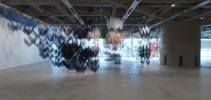
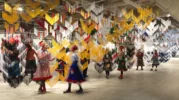
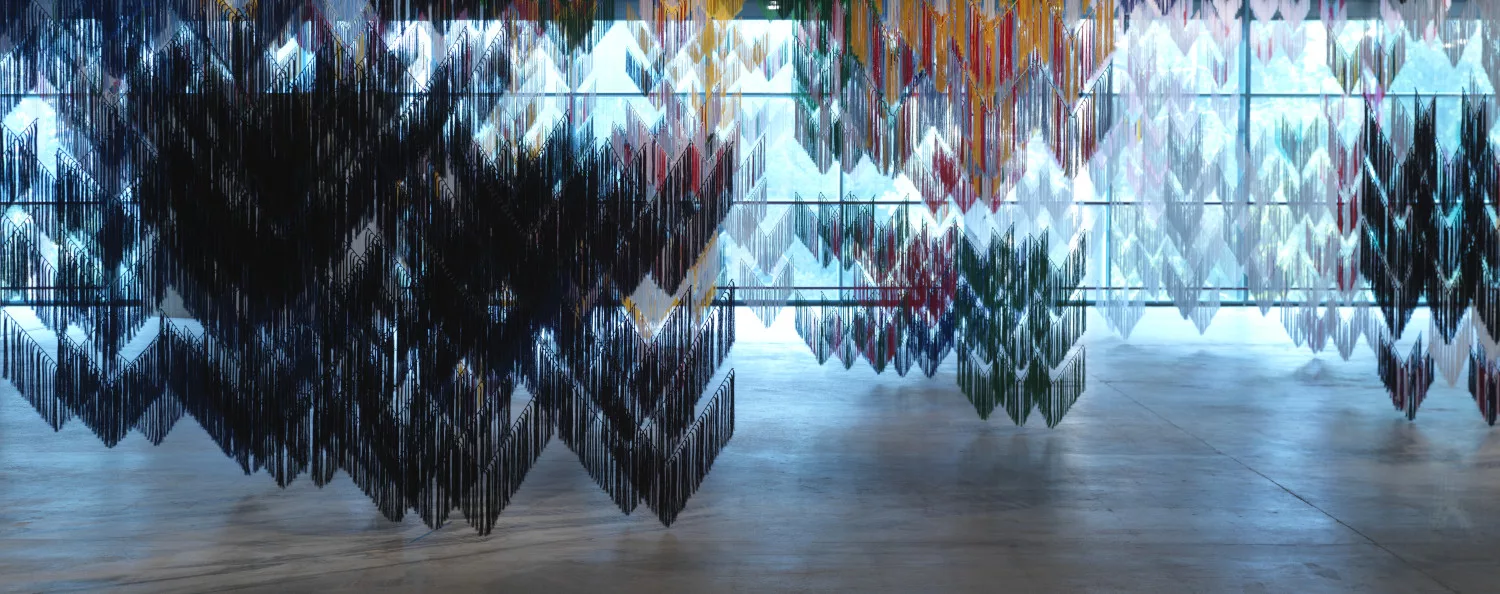
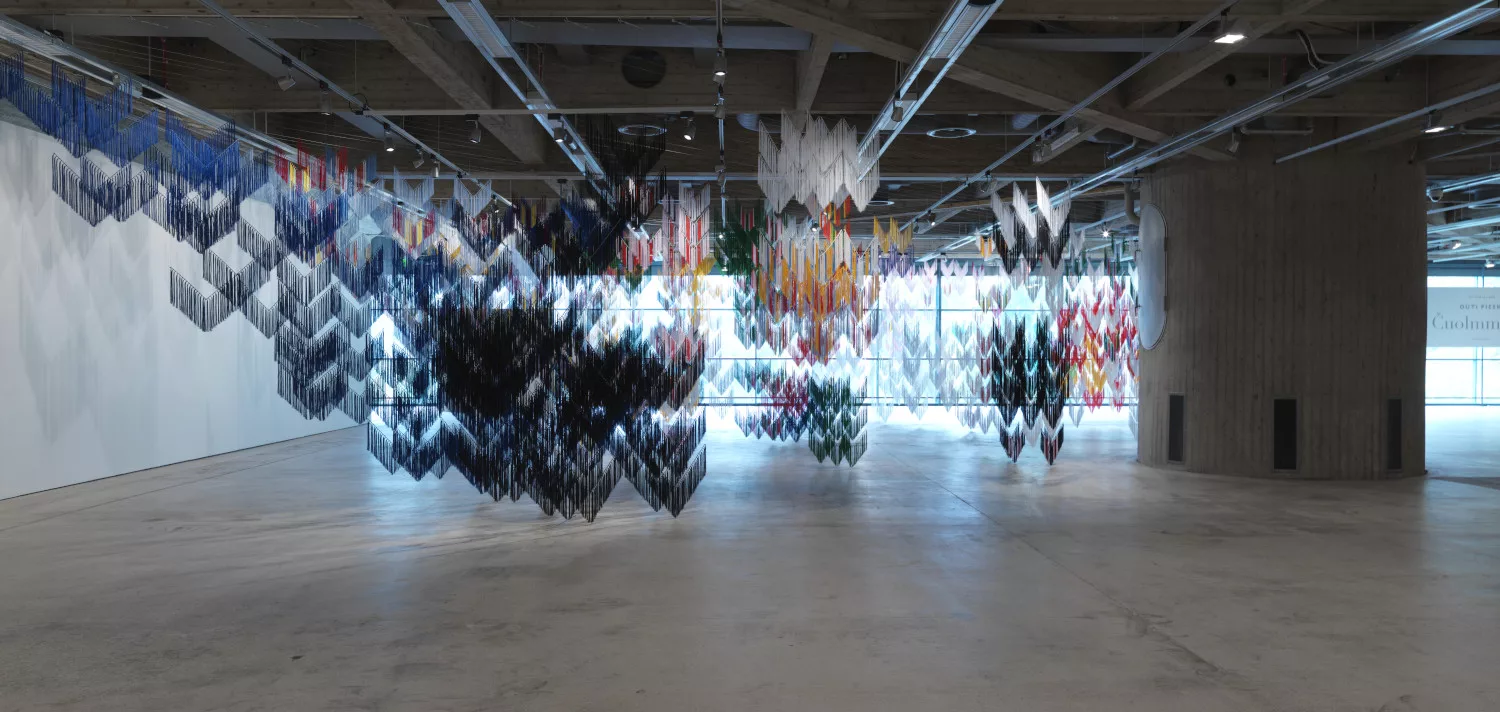
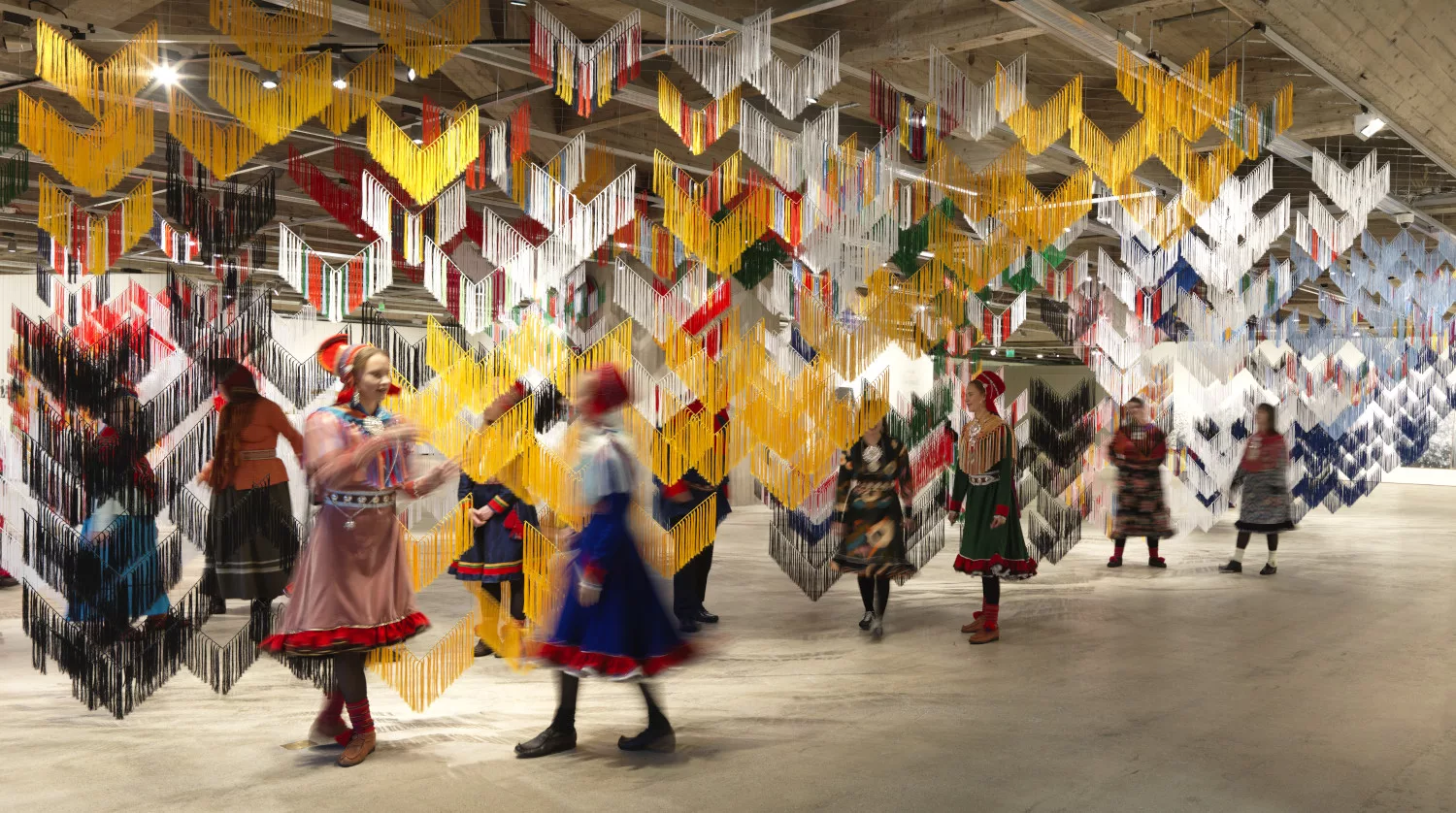
Artistic practice as a carrier of cultural meaning and knowledge is a recurring theme in O. Pieski’s work. In the installation Čohkiideapmi [Falling Shawls, 2017], triangle-shaped structures, made up of countless colourful threads, hang from the ceiling like arrows pointing towards the floor. The shape and material of the installation hold a reference to the shawls of the traditional Sámi dress. O. Pieski’s reinterpretation of the shawls is created with duodji techniques and made collectively with a group of Sámi women.
O. Pieski’s work has been shown in group and solo exhibitions internationally, most notably at Tate St Ives, UK (2024), and the Sámi Museum Siida, Finland (2023). In 2019 O. Pieski represented Finland at the 58th Venice Biennale. Her work is held in institutional collections including Moderna Museet, Sweden; EMMA – Espoo Museum of Modern Art, Finland; the National Museum, Norway, and the Finnish National Gallery, Finland.
A notice produced as part of the TEAM international academic network: Teaching, E-learning, Agency and Mentoring
© Archives of Women Artists, Research and Exhibitions, 2026