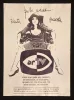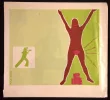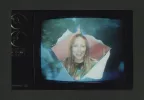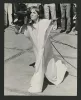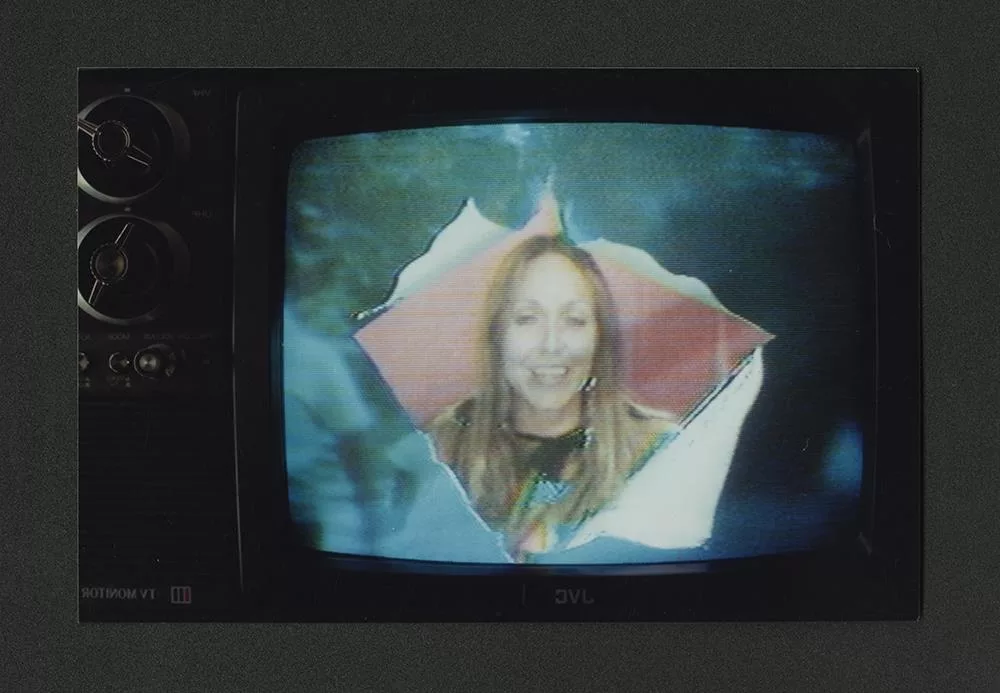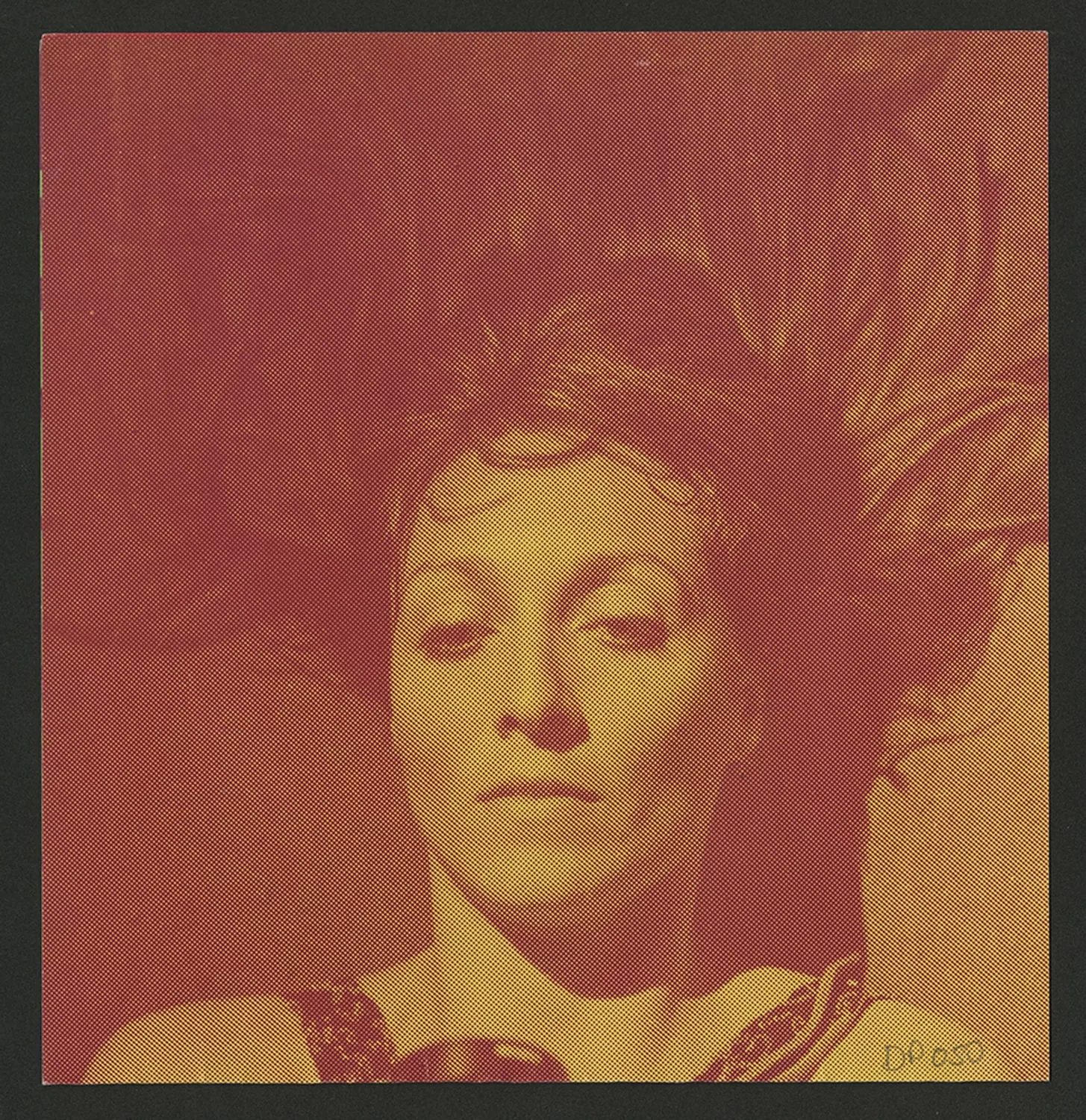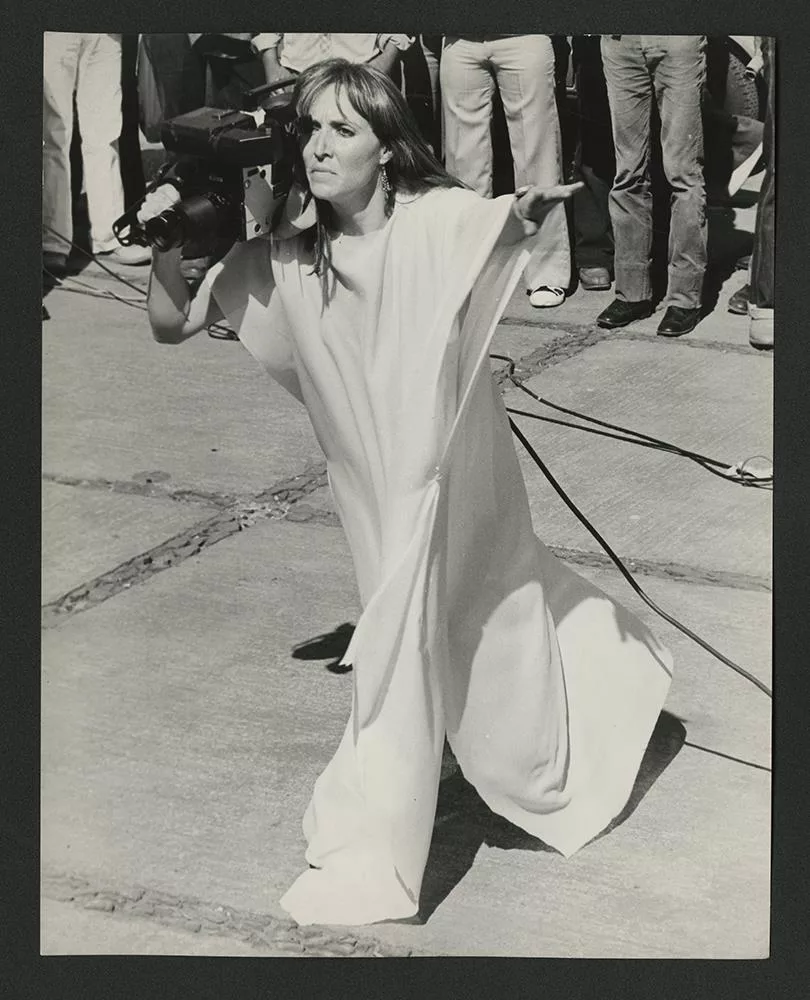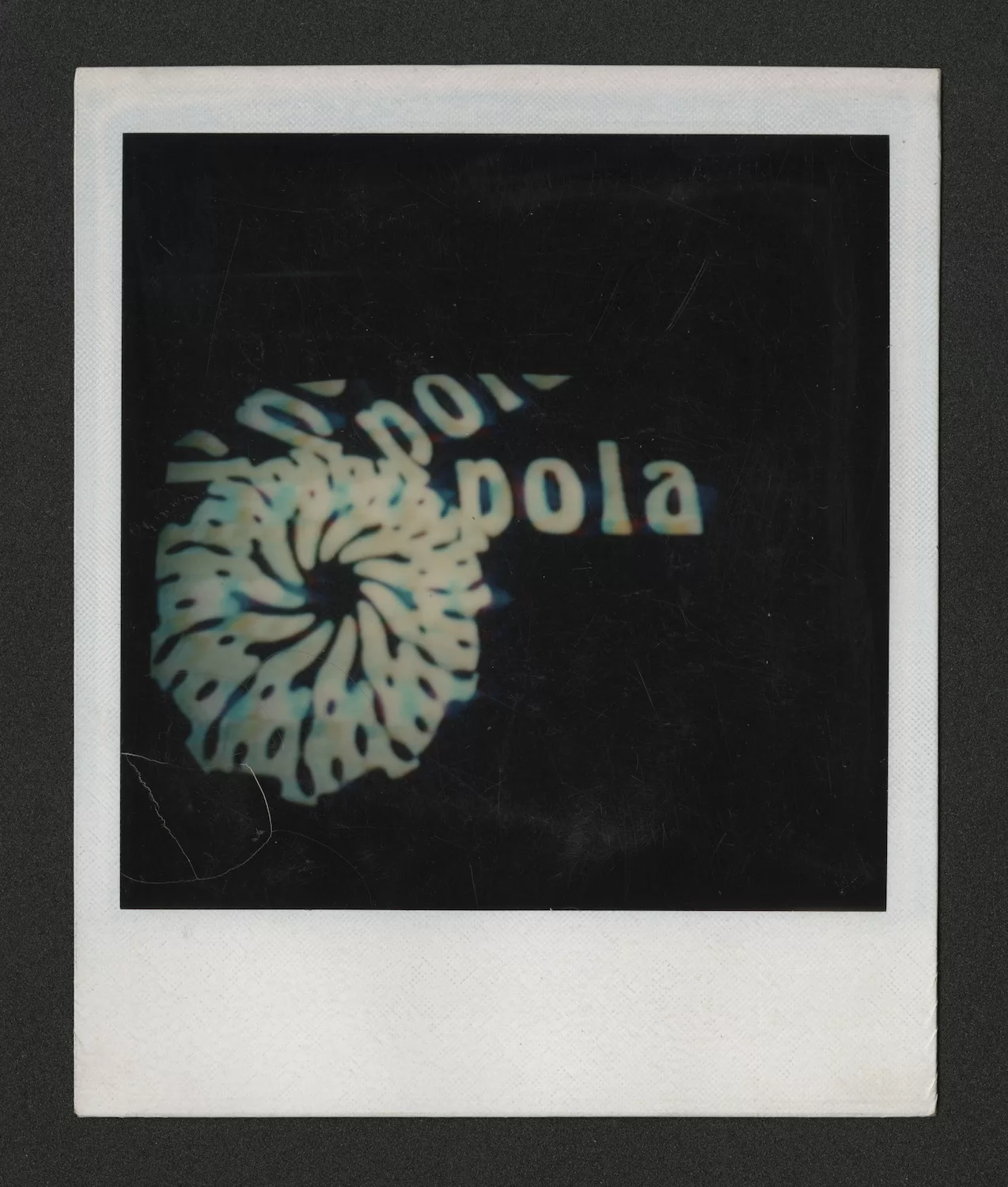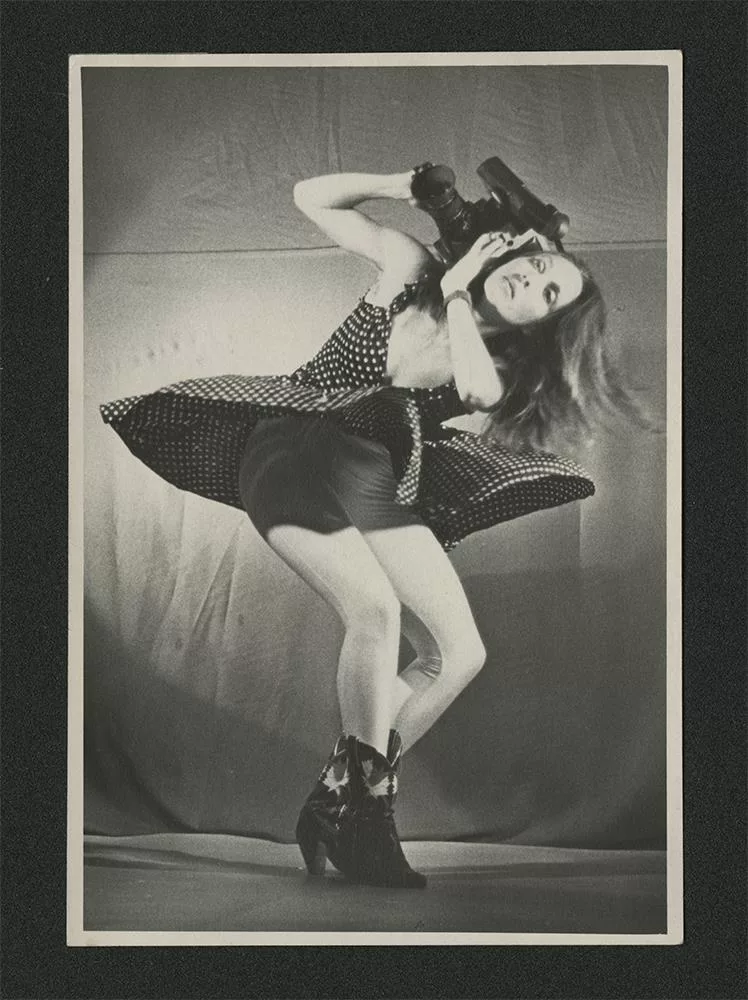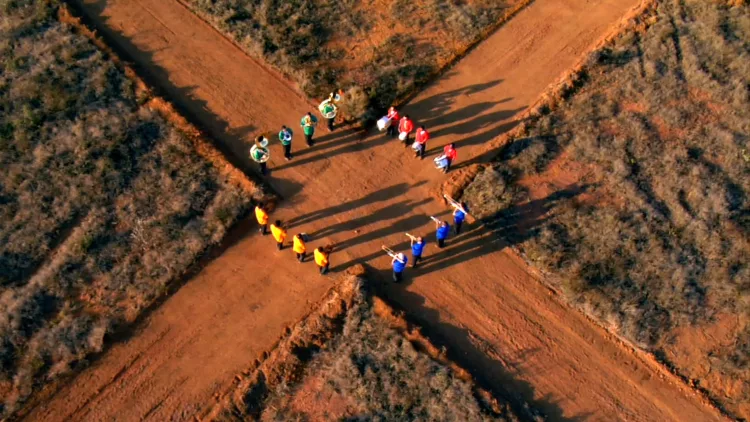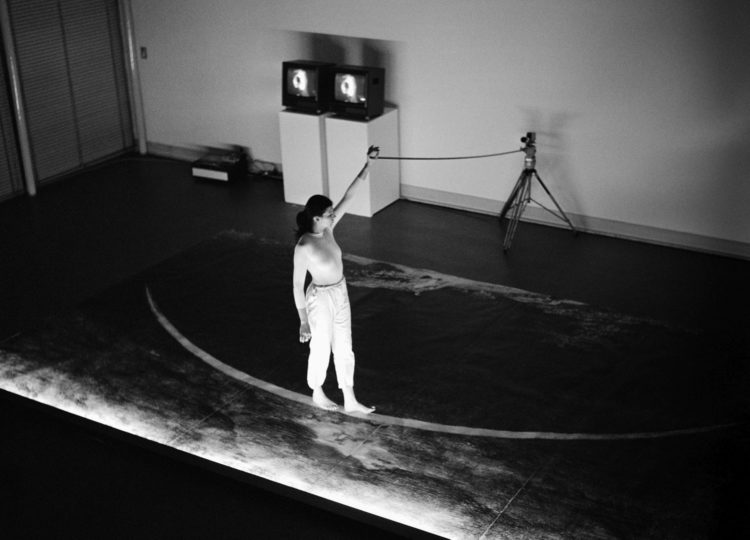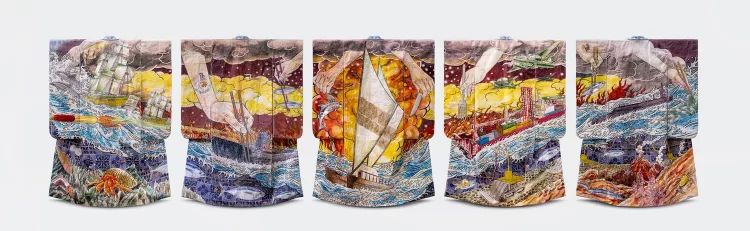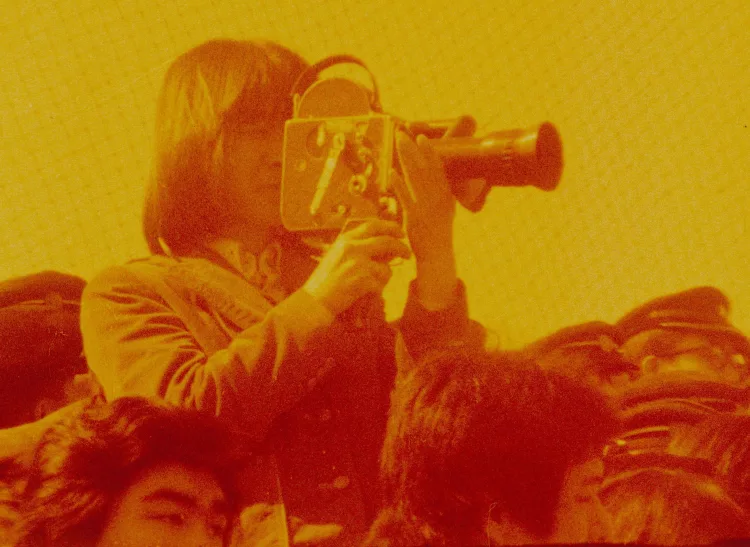
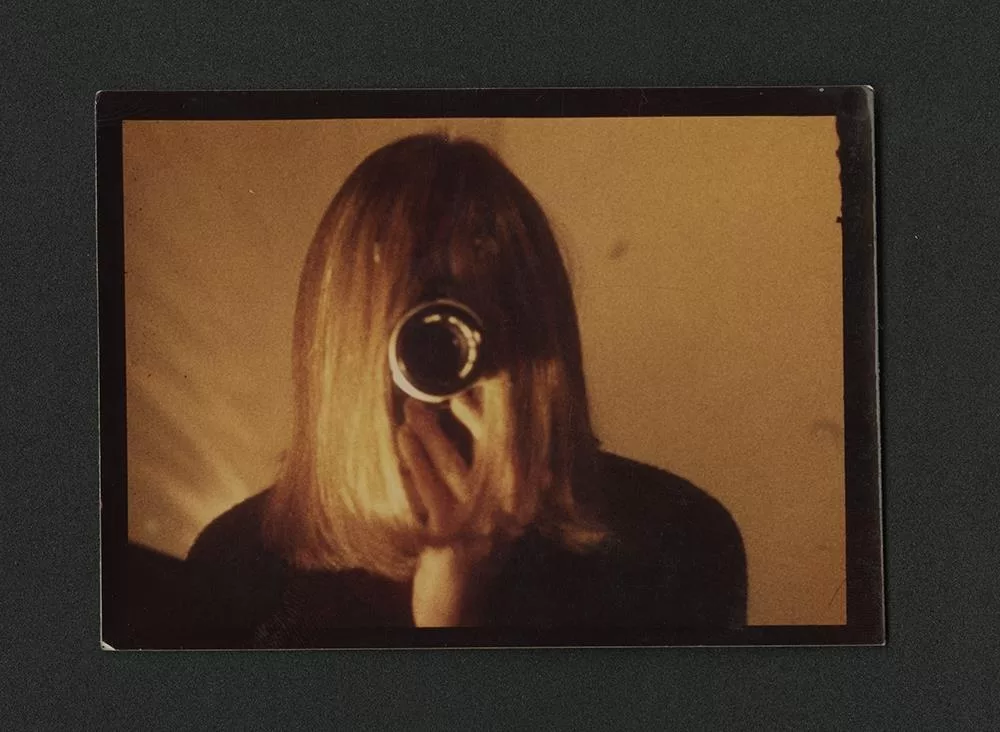
Pola Weiss, Cíclope, 1987, Pola Weiss Fund, Property rights: Kitzia Weiss and Fernando Mangino, Safekeeping: Arkheia, Documentation Center of the University Museum of Contemporary Art (UNAM), Cataloging: Edna Torres Ramos, © Pola Weiss, © 2026 Kitzia Weiss and Fernando Mangino, All rights reserved
Gabriela Aceves Sepúlveda, “La portapak en Latino América: The gendering of early video technology by women artists in Argentina, Brazil, Chile, Colombia, and Mexico.” In Encounters in Video Art in Latin America, ed. Elena Shtromberg and Glenn Phillips, Los Angeles, California Getty Publications, 2023, 110-133
→Gabriela Aceves Sepúlveda, Women Made Visible: Feminist Art and Media in Post-1968 Mexico, Lincoln, University of Nebraska Press, 2019
→Gabriela Aceves Sepúlveda, “The Utopian Impulse in the Videos of Pola Weiss.” In Performing Utopias in Contemporary Americas, ed. Alessandra Santos and Kim Beauchesne, New York, Palgrave Macmillan, 2017, 283–300
POLA WEISS: La TV te ve [Pola Weiss: The TV Sees You], September 6, 2014–January 11, 2015, Museo Universitario de Arte Contemporáneo, MUAC
→Antología de Videos y Performance [Video Anthology and Performance], Galería Chapultepec, Mexico City, July 20–31, 1981
→Visual Arts and Video with Pola Weiss, Akademie voor Beeldende Kunst, Sint Joost, Breda; Akademie voor Beeldende Kunst AKI, Enschede, 1981
Mexican video artist.
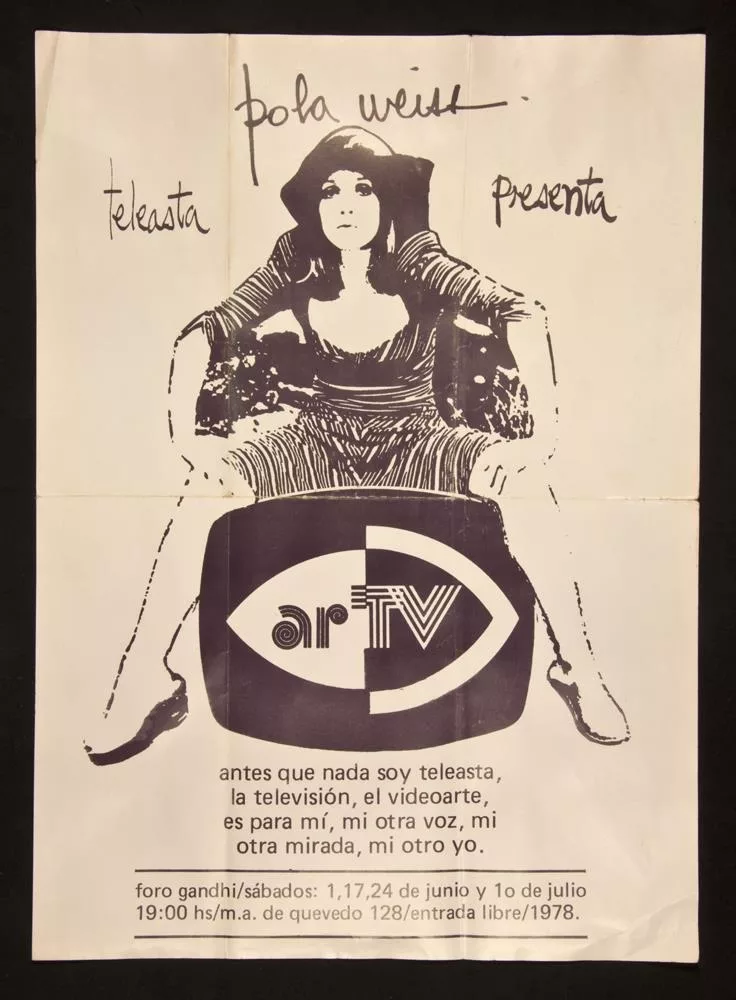
From the mid-1970s until her death in 1990, Pola Weiss Alvarez developed a unique style of video art that combined visual effects, dance, and sound, rooted in her local context and identity, helping to establish this art form in Mexico. Born in Mexico City in 1947 to an Alsatian father and a Mexican mother, P. Weiss earned degrees in political science and communications from the National Autonomous University of Mexico (UNAM) in 1975. During a period when Mexican intellectuals and politicians debated television content and management, P. Weiss called herself a teleasta (television artist) and proposed experimental video production as an alternative to commercial TV. She created a diverse range of programs and experimental videos, both independently, through her company artTV (1976), as well as in collaboration with state-owned and private broadcasters.
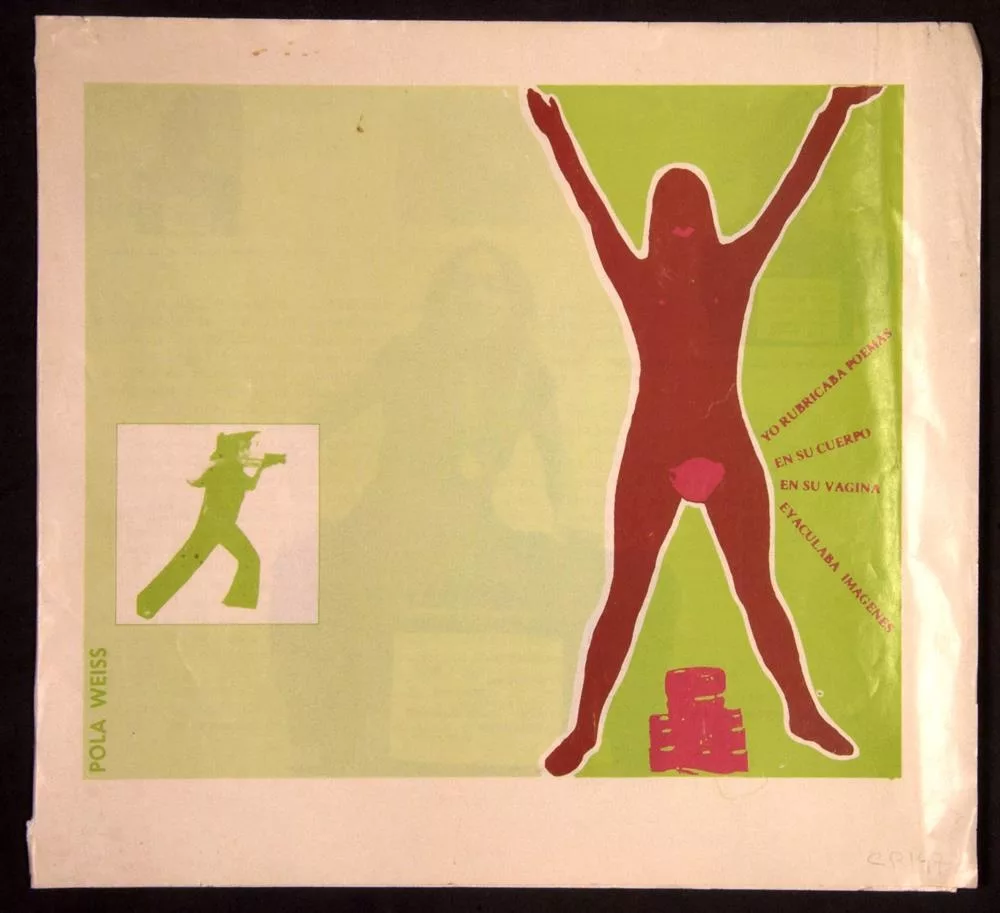
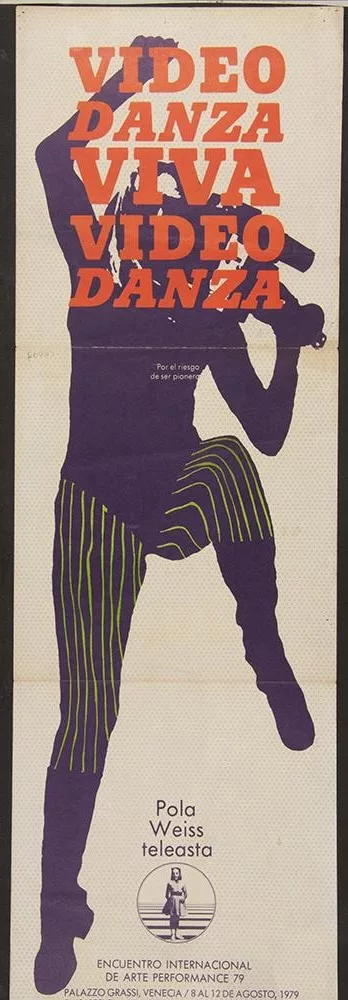
Echoing the work of other female video artists internationally—especially Shigeko Kubota (1937-2015), with whom she was in contact—P. Weiss developed her own categories to understand her emerging practice and the novelty of video as an art form, such as “video sculptures” and “video diaries.” In Flor cósmica [Cosmic Flower] (1977), her first video, shown that same year at the International Encounter IX of Video Art and National Encounter I of Video Art in Mexico, P. Weiss’s characteristic use of video effects, playful wordplay, and an embodied relation to the video camera began to emerge. A year later, in a graphic manifesto accompanying the exhibition of the videos Mujer-ciudad-mujer [Woman-City-Woman] (1977) and Somos mujeres [We are women] (1977) at the 1978 February Biennial at the Museum of Modern Art in Mexico City, P. Weiss claimed the vagina as the site of video production and named her camera escuincla (Náhuatl for “daughter”), asserting her self-sufficiency and independence as a video artist. Shortly thereafter, P. Weiss began to dance with her portapak in hand during public performances that incorporated live video feedback with multiple cameras and mirrors, challenging media boundaries between herself and her audience. Her live dance performances, or videodanzas, as she called them, contributed to the international development of videodance (or screendance) as a video art genre. In 1986, she created her most well-known video, Mi co-ra-zón [My Heart] (1986), a heartfelt response to the devastation of Mexico City following the 1985 earthquake and her own abortion.
Articulating video art as a medium of self-knowledge, P. Weiss regarded her portapak as an extension of her body, a prosthetic for a mother-daughter relationship, a substitute for a sexual partner, and a way to assert self-sufficiency. She produced over 35 videos and participated in various international video art festivals and exhibitions, including the Video Art and Performance Festival in Venice (1979) and Pola Weiss Mexico at the MonteVideo art gallery in Amsterdam (1979). In Mexico, her work remained in obscurity for most of the 1990s, due to limited interest in video art as well as myths about her eccentric personality and suicide. In 2012, Edna Torres Ramos, one of her students, catalogued and donated a collection of videos previously held at TV UNAM, along with other personal documents, to ARKEHIA, an art-documentation center at the University Museum of Contemporary Art MUAC, making P. Weiss’s work publicly accessible.
A biography produced as part of the programme “Living with two brains: Women in New Media Art, 1960s-1990s”
© Archives of Women Artists, Research and Exhibitions, 2026