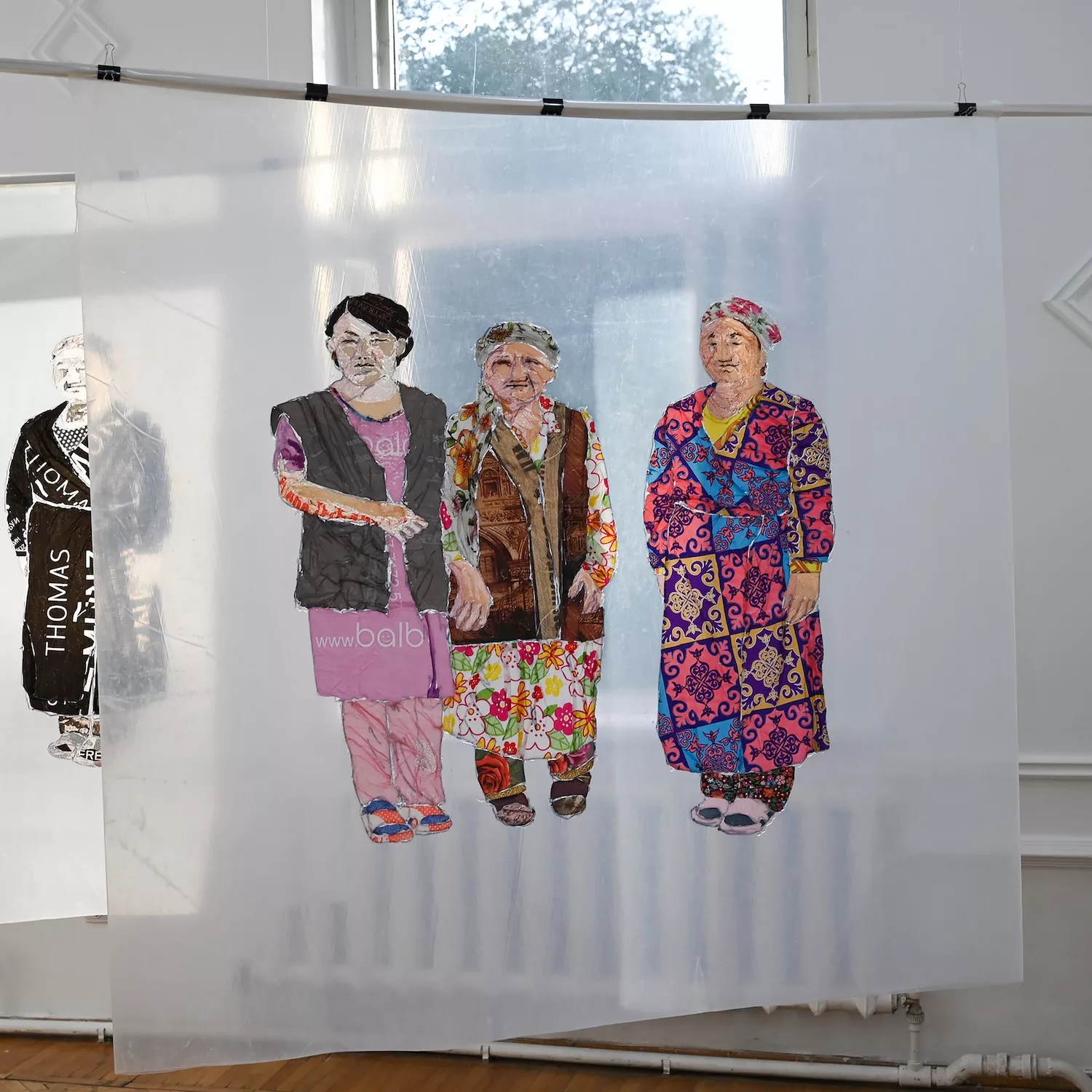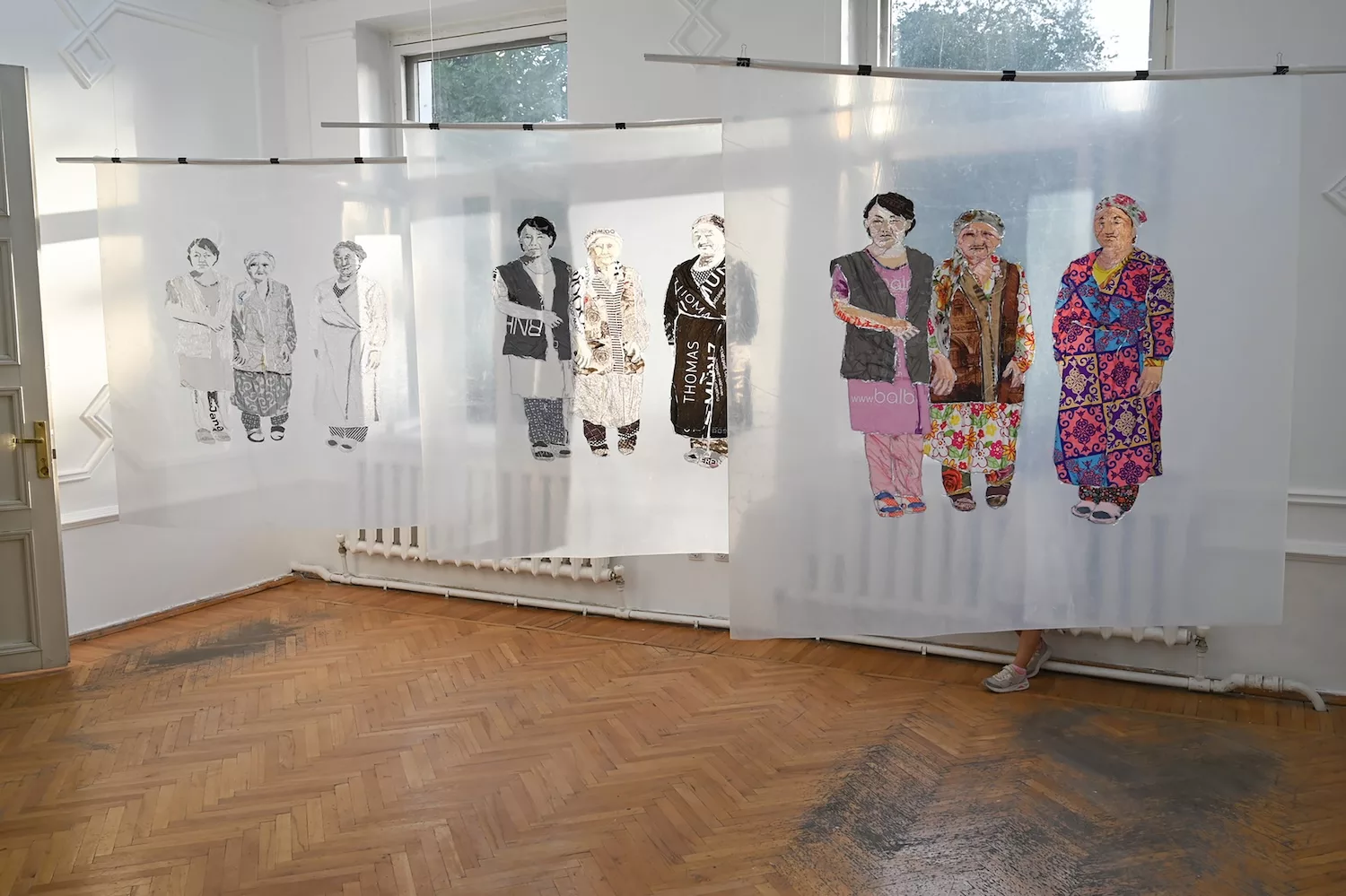
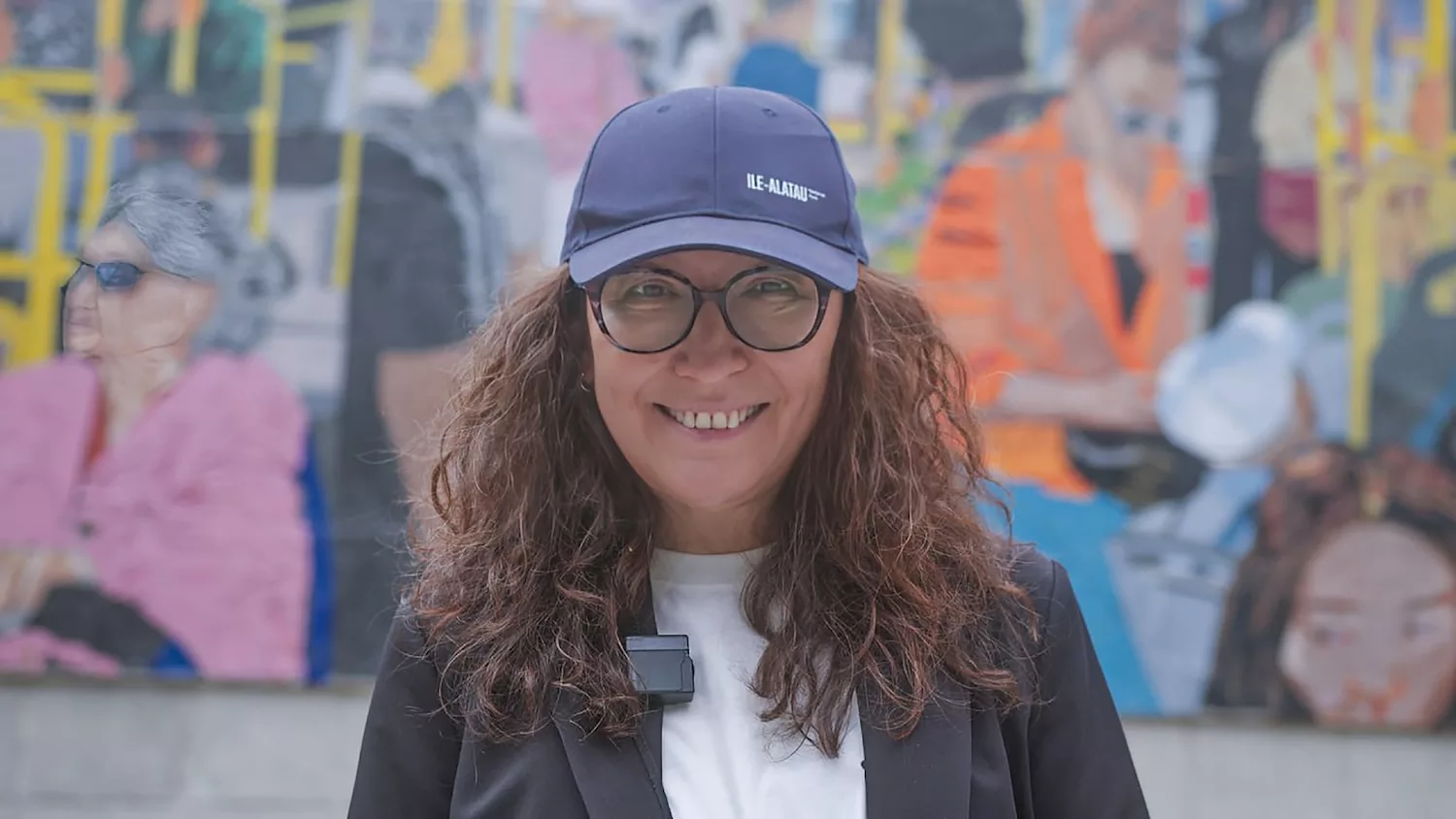
Portrait of Saule Suleimanova
Tlostanova, Madina, “Decolonial Aesthesis and Post-Soviet Art.” dans What Does It Mean to Be Post-Soviet?: Decolonial Art from the Ruins of the Soviet Empire, Durham: Duke University Press, 2018
→Vercoe, Rosa, “Saule Suleimenova: A Journey to Find True Kazakhness.” Voices on Central Asia, November 1, 2018
→Coburn, Tyler, “Saule Suleimenova: Art After the Kazakh Spring.” ArtReview, November 19, 2024
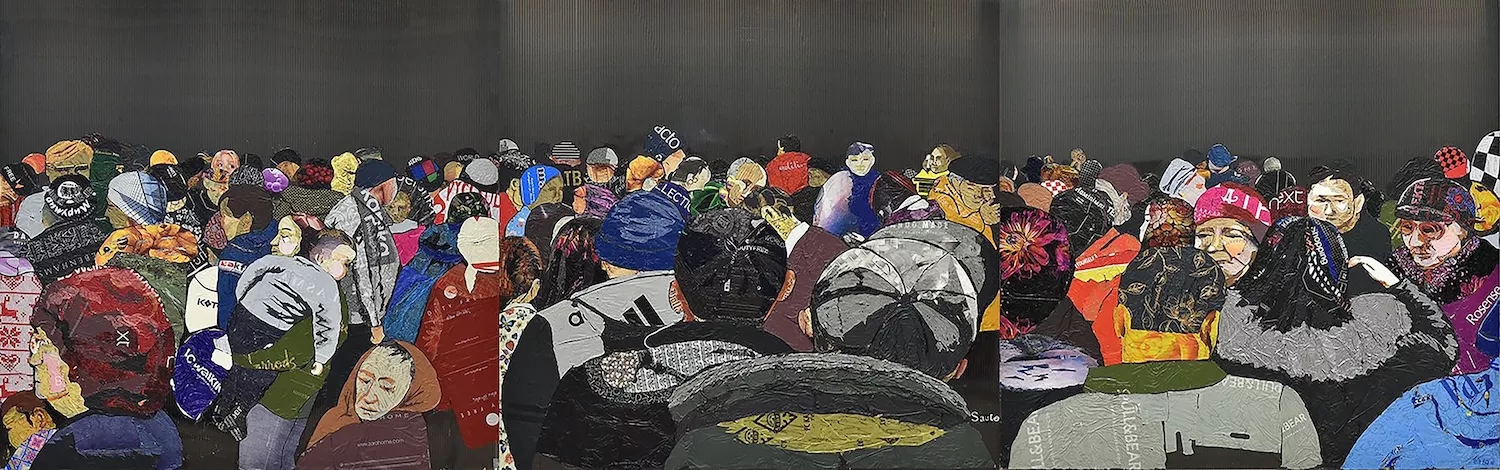
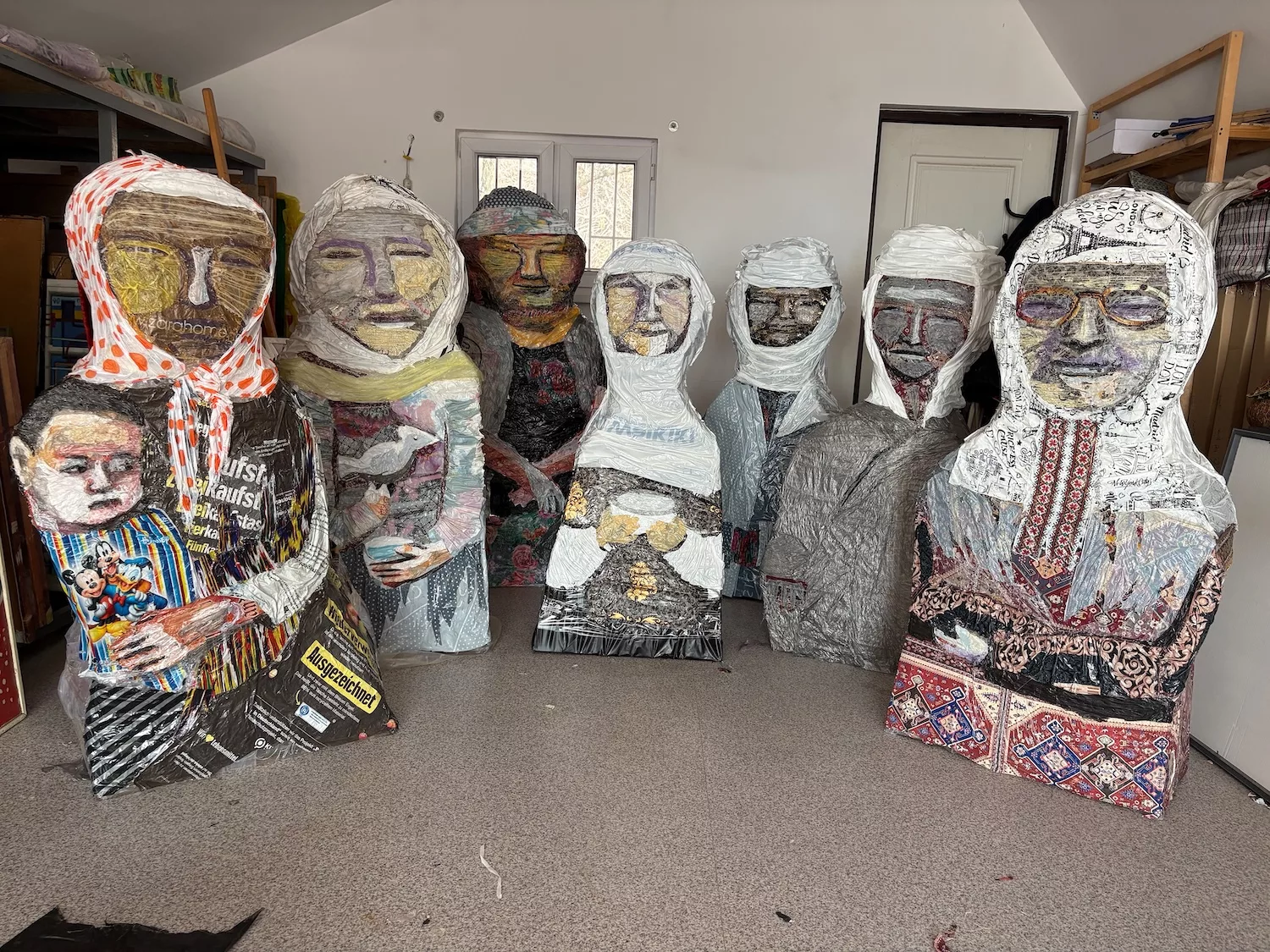
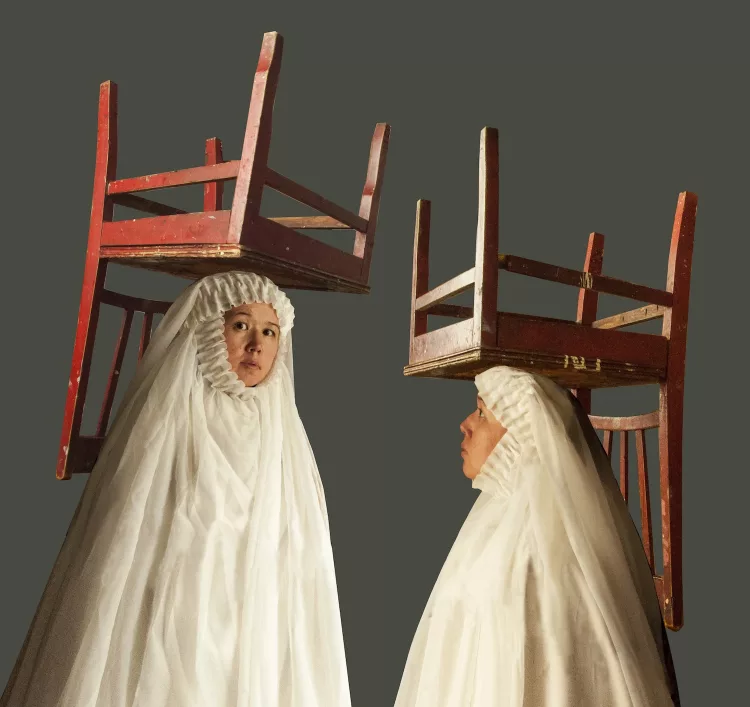
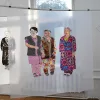
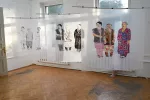
BIZ QARAPAIYM HALIQPIZ, Dom 36, Almaty, 2022
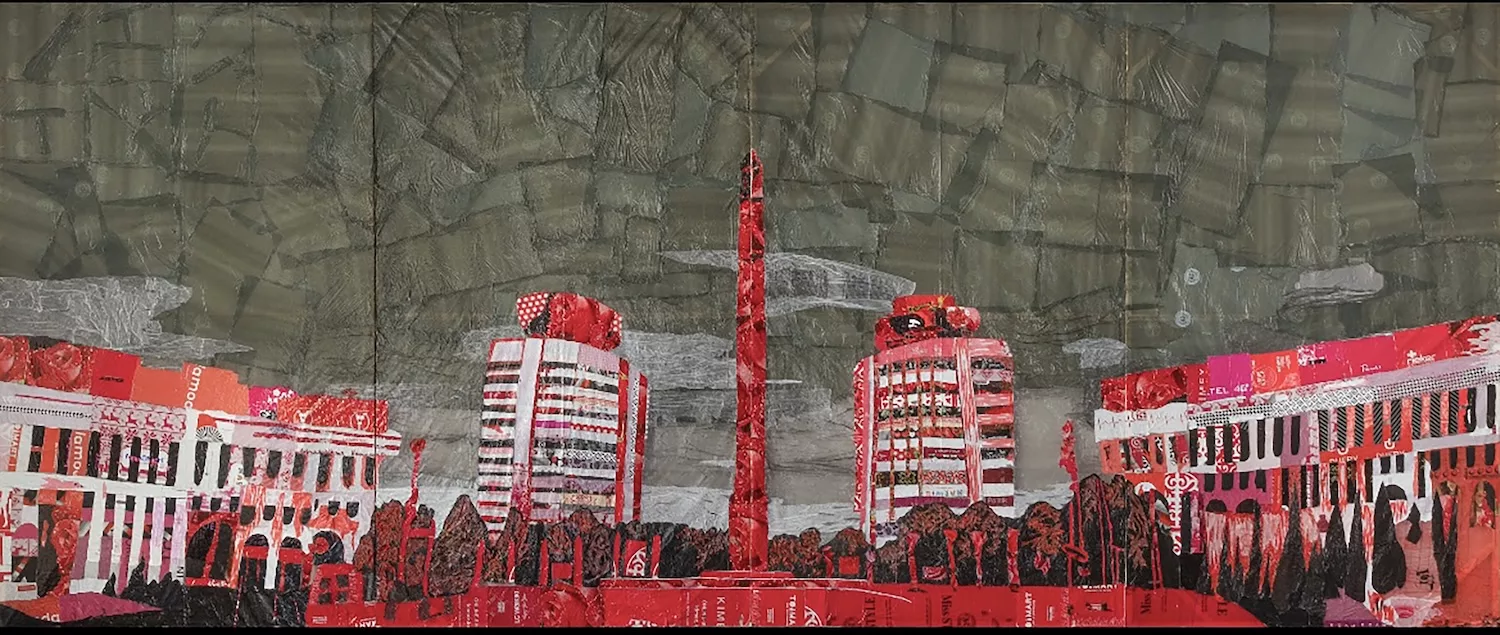
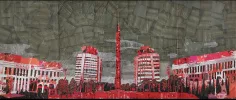
→Skyline, National museum of Kazakhstan, Astana, 2017
→I’m Kazakh, Central Exhibition hall, Direction of Art Exhibitions and Auctions of Ministry of Culture of Kazakhstan, Almaty, 2010
Kazakh visual artist.
Saule Suleimenova lives and work in Almaty. In the late 1980s, she was a member of the art collective ‘Zelyoniy treugolnik’ [Green triangle], a group that held underground exhibitions in Almaty during the late Soviet period. In 1996 she graduated from the Almaty State Academy of Architecture and Construction with a degree in Design of Architectural Environment. In the same year, the artist organised her first solo exhibition, The Journey of Three Angels, at the gallery Myn oy, where she showcased paintings and graphics. S. Suleimenova often used quotidian materials such as newspapers and construction frames to overcome the constraints of academic painting and socialist realist tradition. This material choice also reflected the transition post-independence period, marked by economic upheavals. After graduation, S. Suleimenova took a formal position at the Union of Designers, simultaneously making illustrations for schoolbooks.
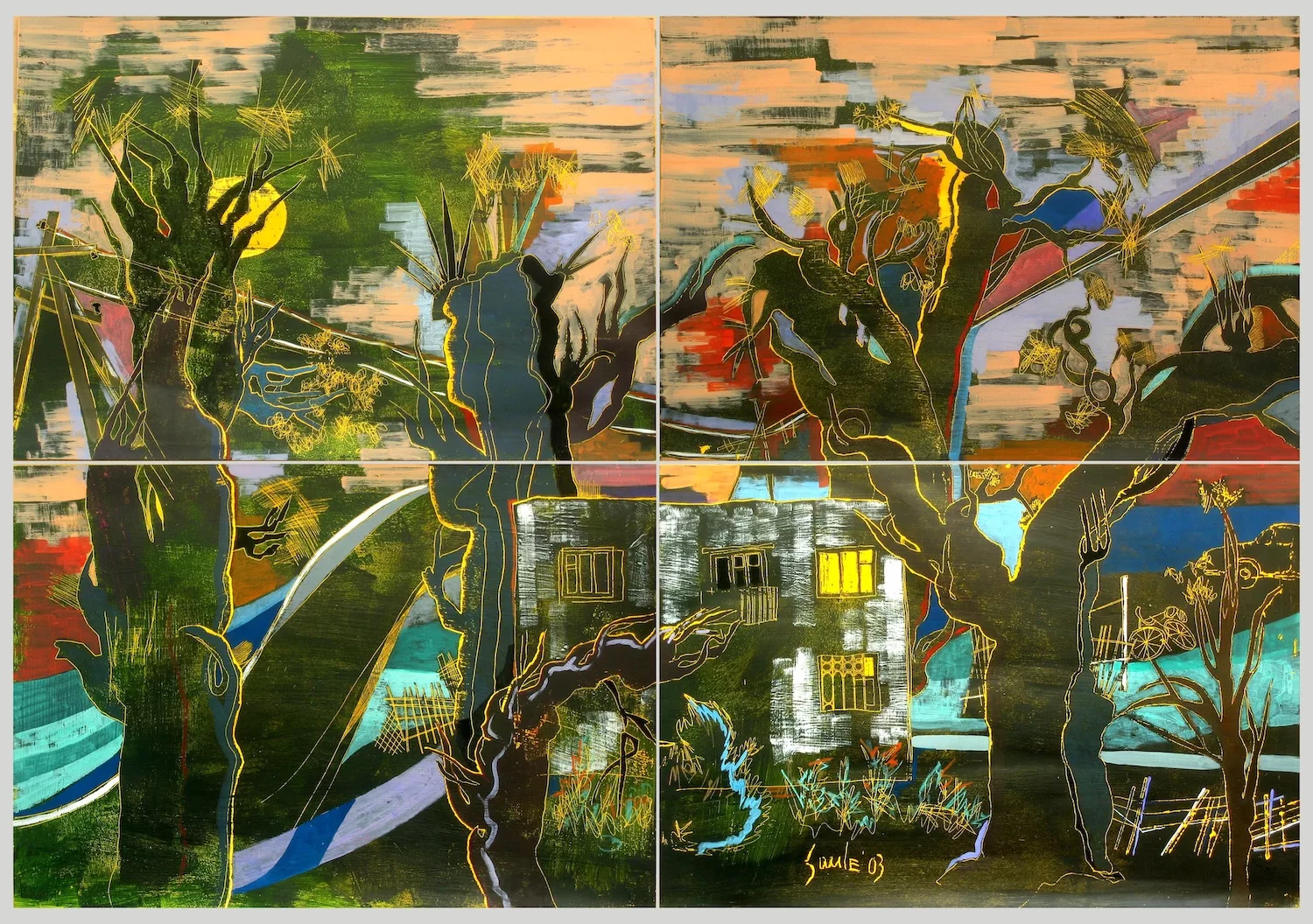
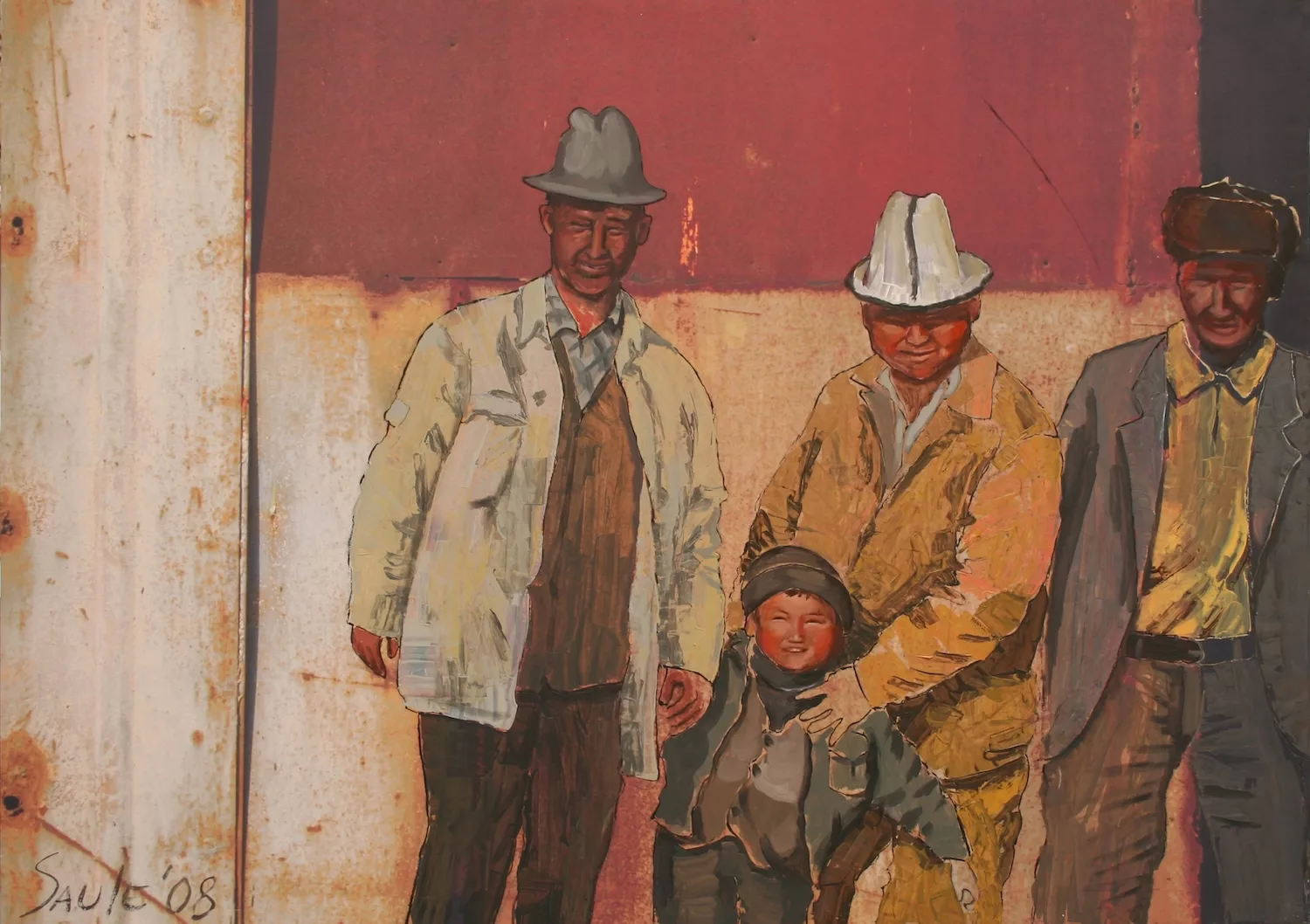
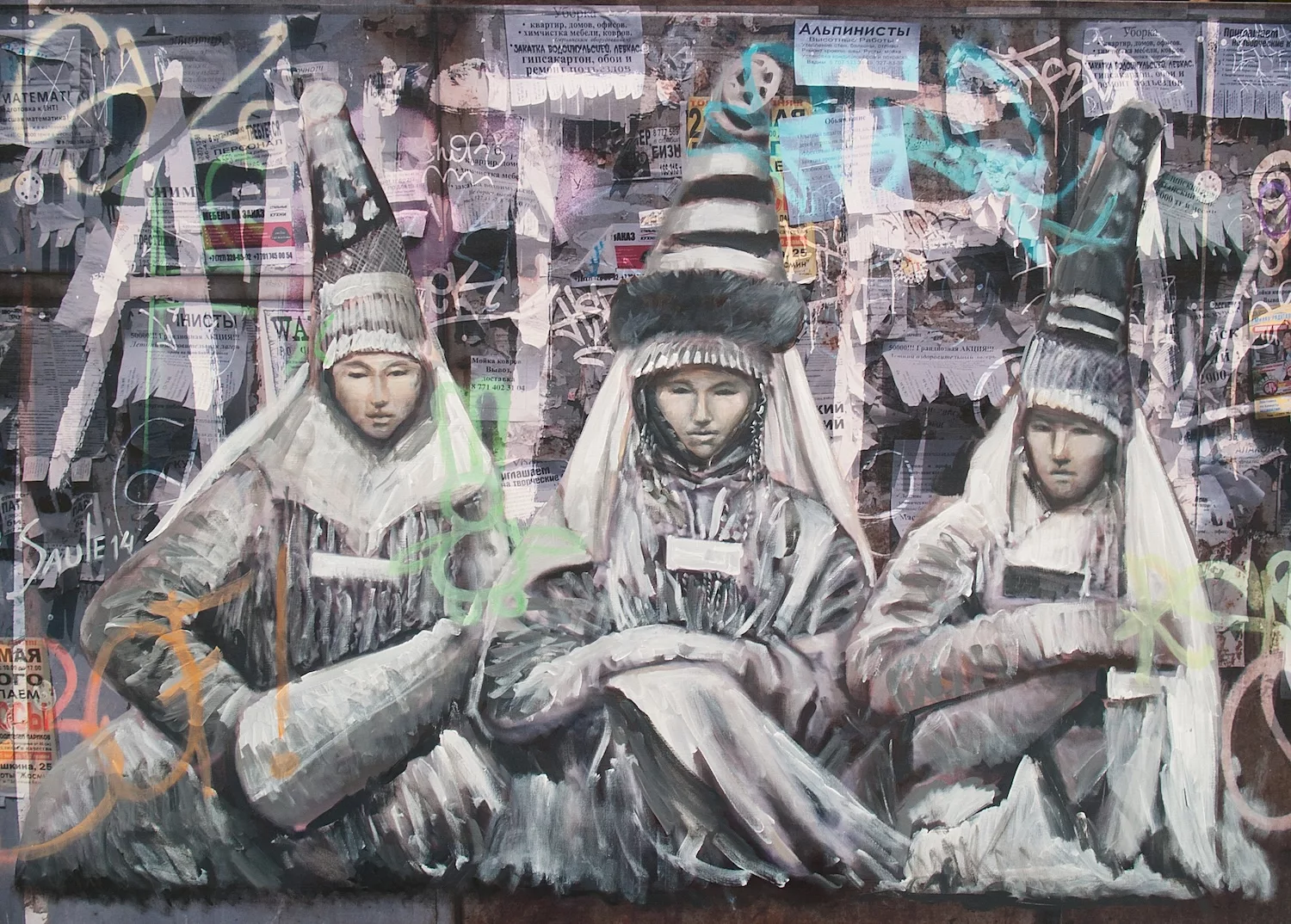
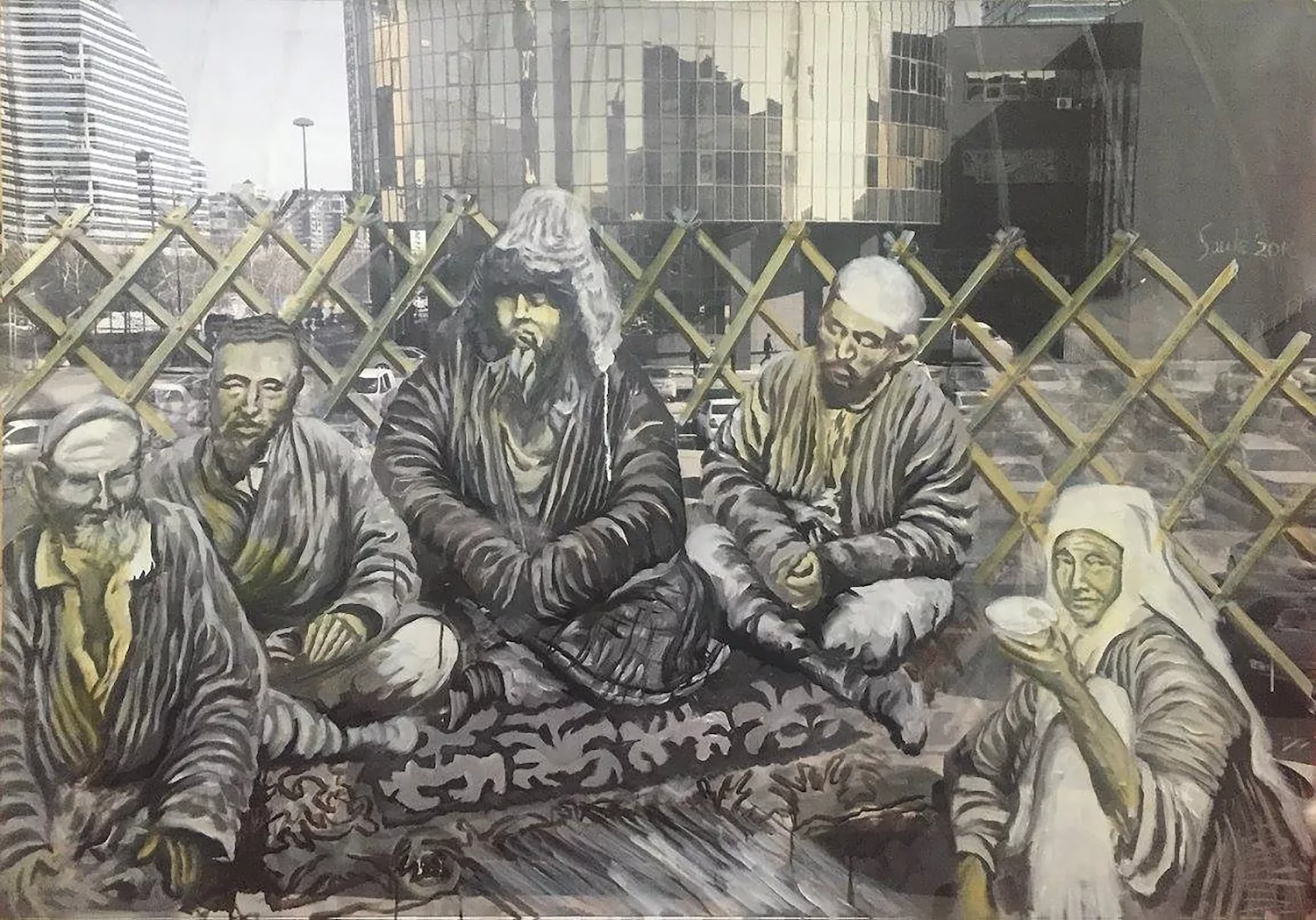
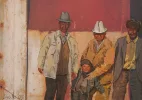
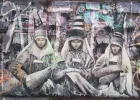
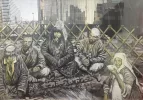
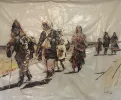
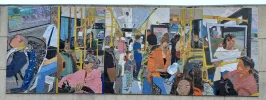
In 2004, the artist commenced her programmatic series, Kazakh Chronicle (2004–2014). After first works using grattography or wax engravings, she arrived at the combination of photography and painting. The artist painted portraits of people in traditional Kazakh garments over photographs of ordinary urban surfaces such as metal and brick walls covered with paper flyers, and bus stops. S. Suleimenova called the subjects of her paintings aruakh, meaning ‘the spirit of ancestors’ in Kazakh. The artist engaged with archival photographs depicting Kazakh nomads and with her family archive. During this time, the post-Soviet Kazakhstani government sought to construct a new national identity through cultural production, which often slipped into romanticising and mythologising the pre-Soviet era while continuing Soviet stylistic patterns. The artist devoted her attention to the signs of everyday life and emphasised the ephemeral urban textures. In the transparent subjects, partly dissolved into the photographic background, the artist poetically captures Kazakhness as a dynamic figure – one that vanishes and reemerges. From 2011 to 2013, S. Suleimenova pursued an MA in Art Criticism at the Kazakh National University of Arts in order to explore the synthesis of photography and painting.
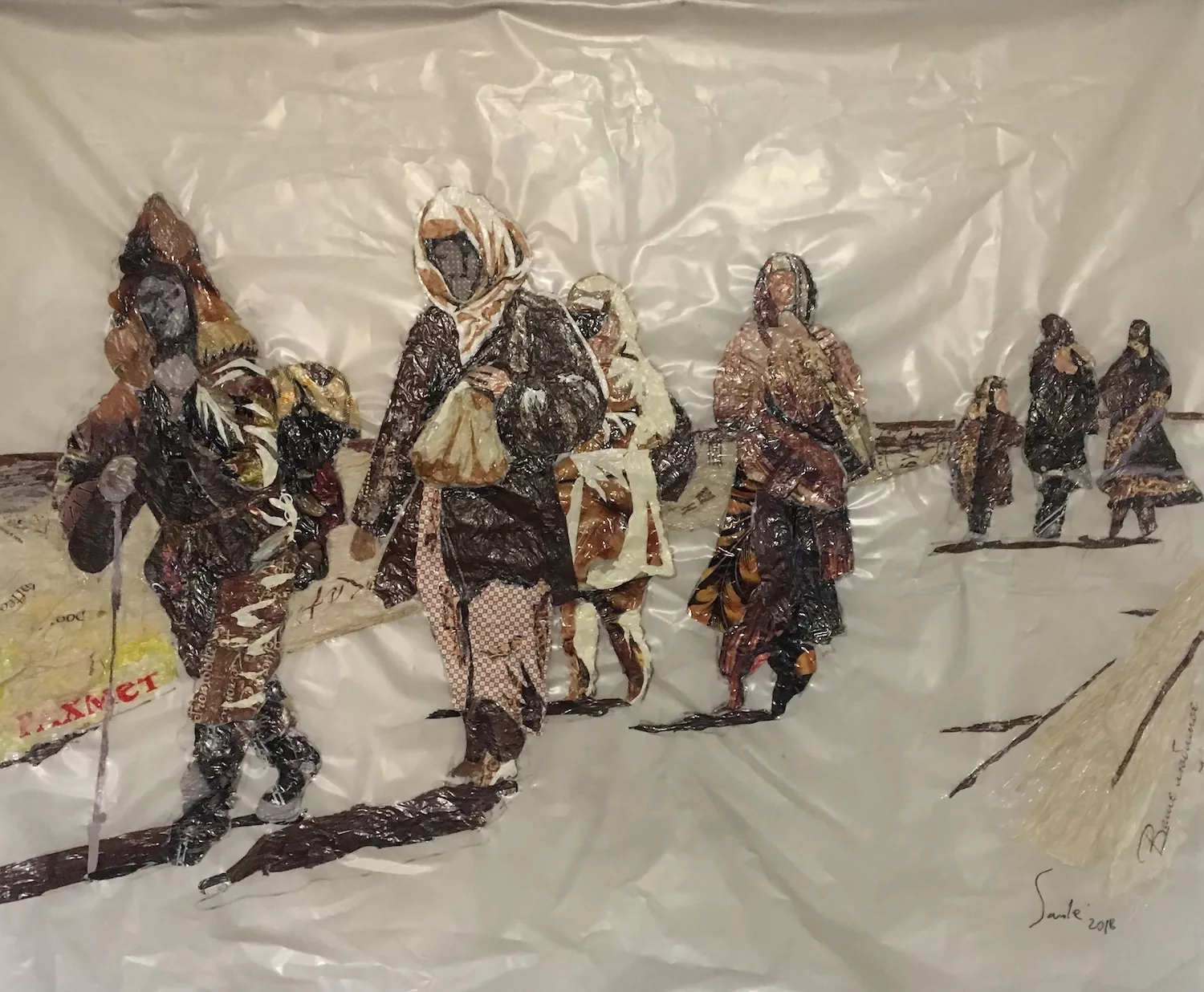
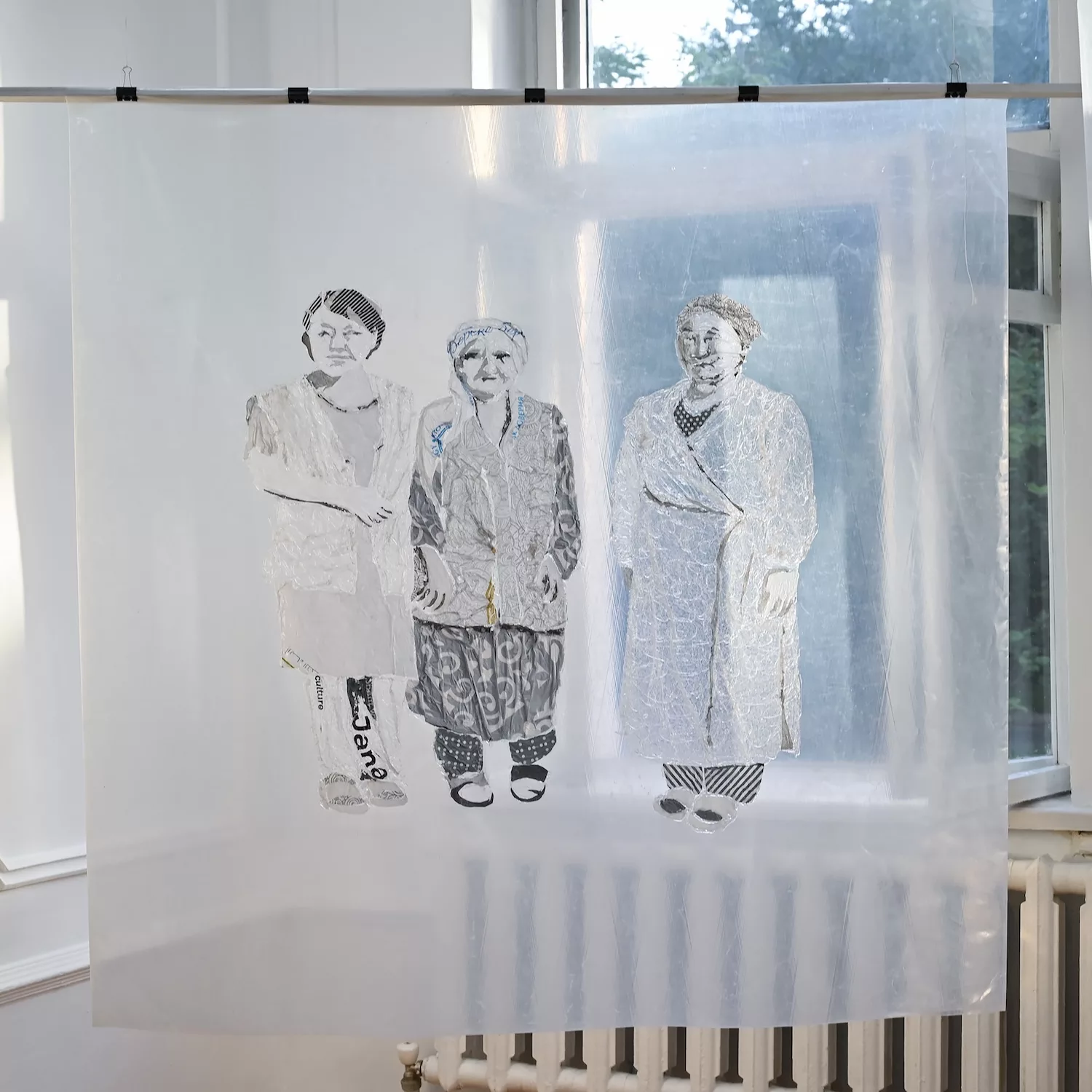
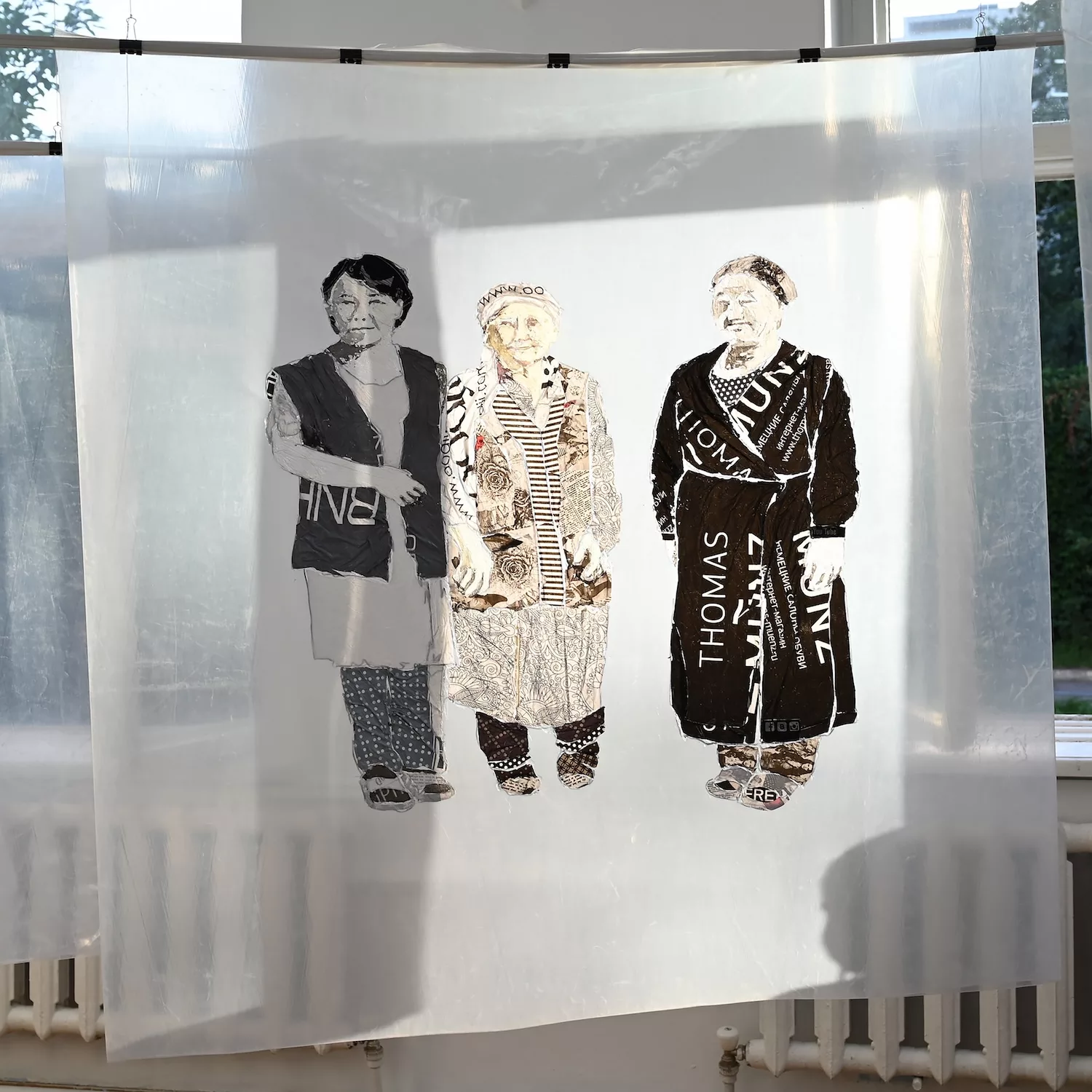
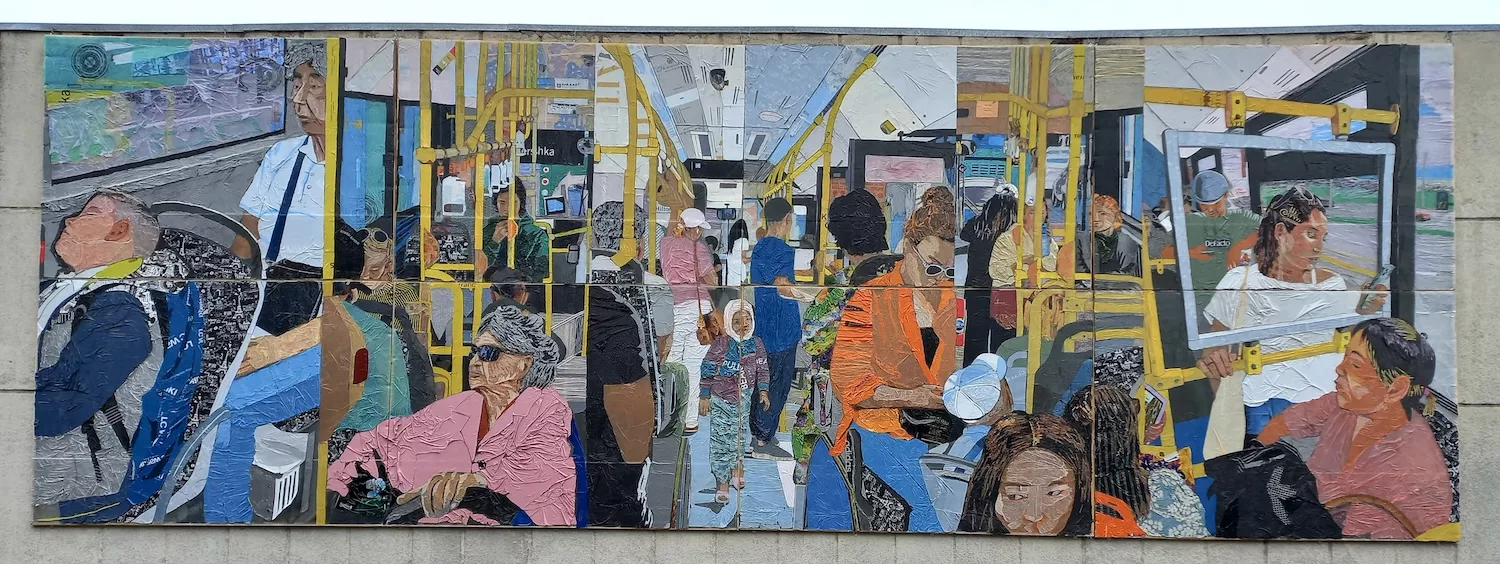
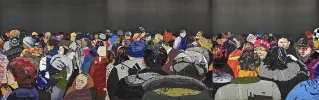
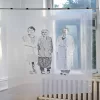
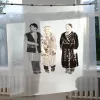
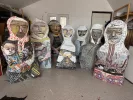
In 2015 the artist adopted another vernacular material, second-hand plastic bags, and created cellophane painting, a method she has fully embraced ever since. For Kelin (2015), a large-scale portrait of a bride in a wedding garment and jewellery, she stitched together fragments of plastic with a heat gun. Kelin, or ‘bride’ in Kazakh, became a recurrent trope in cellophane painting. In subsequent series Qudalar (2021), Qandastar turaly Dastan (2021) and Belgysyz kelin (2024), the artist focuses on the representation of women and on the matrilineal histories of Kazakh nomadic culture, which often excluded women from genealogical records. The study of archival photographs led to the series Residual memory (2018–2020), devoted to the collective memory of the great famine of the 1930s and the youth uprising of Jeltoqsan in 1986. The theme of political violence and public protests reverberates in S. Suleimenova’s practice through sketches and cellophane paintings based on photographs of protesters and riot sites. In these works, she metaphorically merges the spatial horizon with the horizontality of social movements. In her practice, Saule Suleimenova develops perspectives on women’s roles in Kazakh culture and decolonial aesthetics in independent Kazakhstan.
Her work is found in the collections of M HKA, the Sharjah Art Foundation, the Servais Family Collection, the National Museum of Kazakhstan, the Eurasian Cultural Alliance, Almaty Museum of Arts, the Zimmerli Art Museum, the Boranbayev Family Collection and other public and private collections.
A biography produced with the support of the French Embassy in Kazakhstan, in collaboration with Almaty Museum of Arts, as part of AMIS: AWARE Museum Initiative and Support.
© Archives of Women Artists, Research and Exhibitions, 2026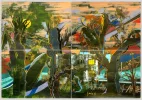


 TSELINNY x Saule Suleimenova | Tselinny Center of Contemporary Culture, January 2025
  “We Live in Untruth." Saule Suleimenova on art that isn't necessarily meant to entertain | Azattyq TV, July 2022