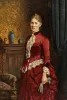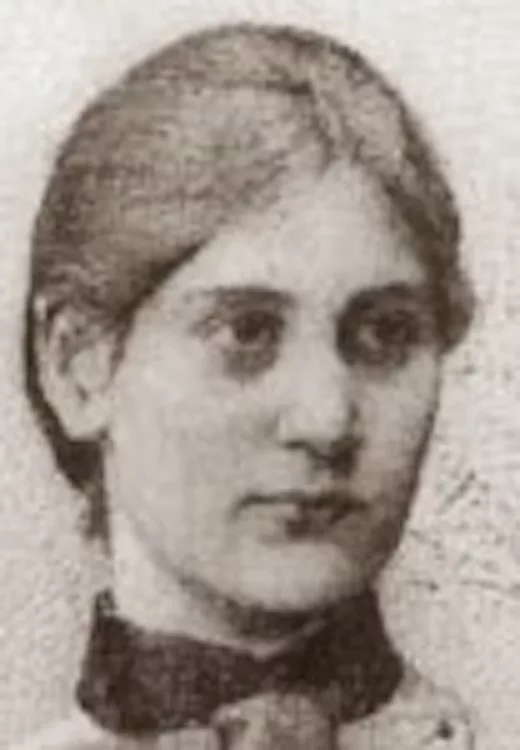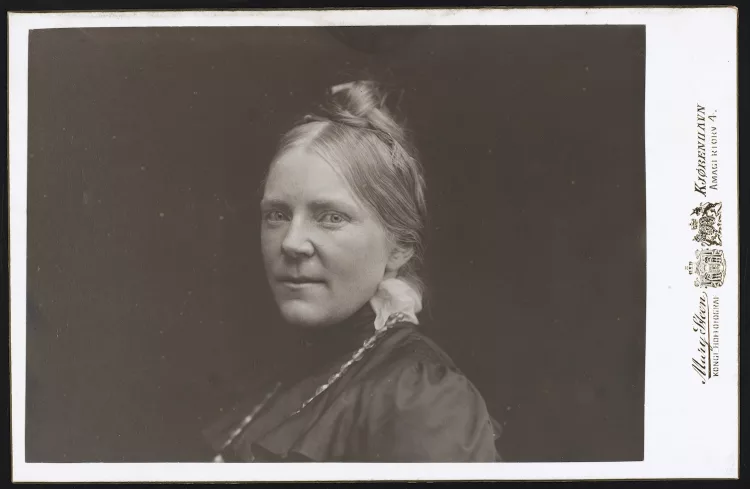
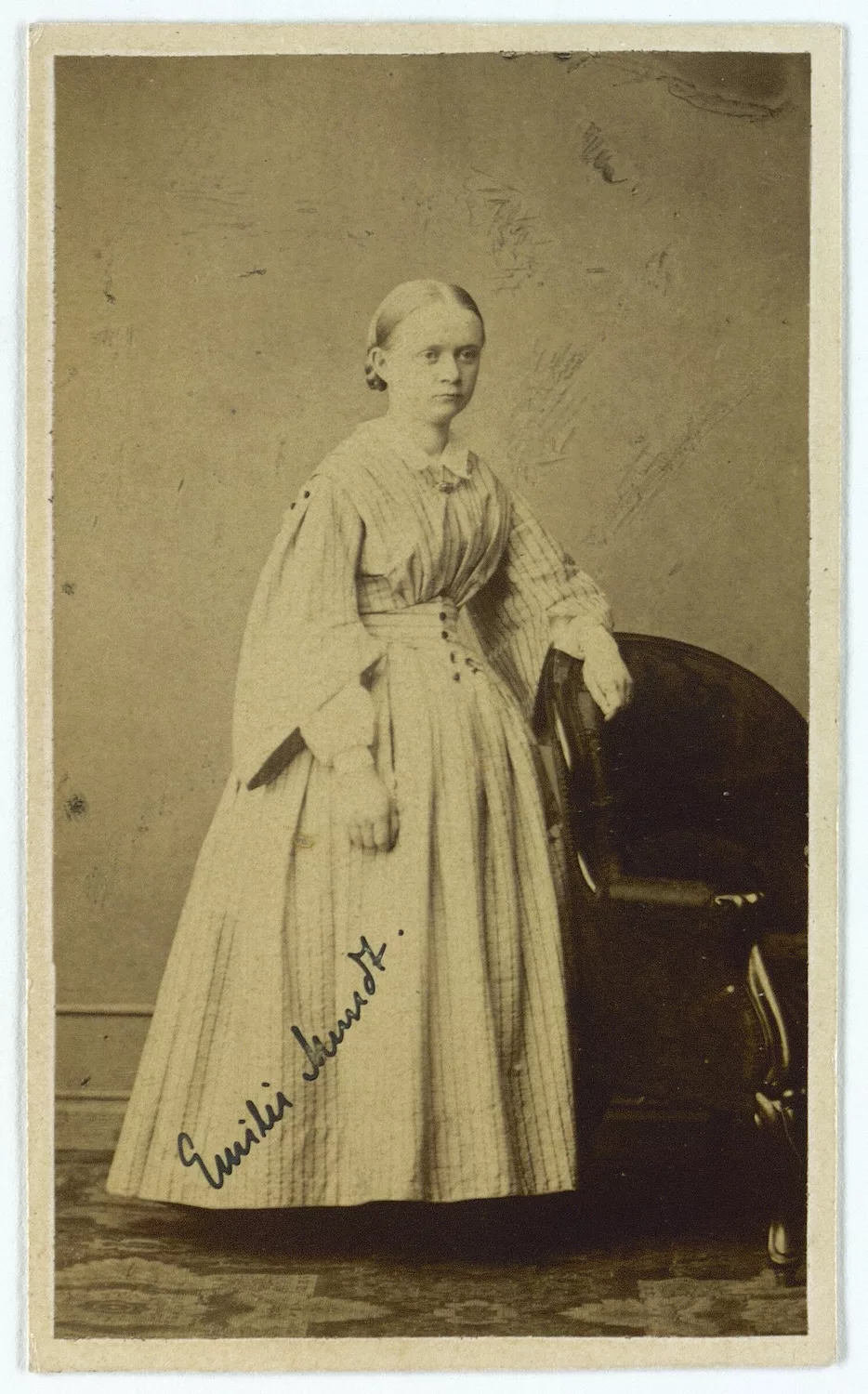
Photograph of Emilie Mundt, 1858-1880, collection of prints and photographs, Royal Danish Library
Bech, Inge Lise Mogensen (ed.) and Rønberg, Lene Bøgh (ed.), Women Artists in Denmark, 1880-1910, exhi. cat., The Hirschsprung Collection, Copenhague [August 28, 2024 – January 12, 2025], Aarhus, Yale University Press and Aarhus Universitetsforlag, 2025
→Boe Bierlich, Emilie et al., Against All Odds – Historical Women and New Algorithms, exhi. cat., SMK – National Gallery of Denmark, Copenhague [August 31 – December 8, 2024], Copenhague, SMK Forlag, 2024
→Kjærboe, Rasmus, Marie Luplau elsker Emilie Mundt: Historien om et usædvanligt kunstnerpar, exhi.cat., The Hirschsprung Collection, Copenhague [July 21, 2021 – January 9, 2022], Copenhague, The Hirschsprung Collection, 2021
Women visualising the modern. Danish art 1880-1910, The Hirschsprung Collection, Copenhague, August 28, 2024 – January 12, 2025
→Against All Odds – Historical Women and New Algorithms, SMK – National Gallery of Denmark, Copenhague, August 31 – December 8, 2024
→Marie loves Emilie: Queering the collection, The Hirschsprung Collection, Copenhague, July 21, 2021 – January 9, 2022
Danish painter.
Emilie Mundt was trained as a school and drawing teacher at Natalie Zahle’s Seminary, beginning a career as an artist at the age of 31, after her father’s death. She was taught by the Danish painter Jørgen Roed (1808–1888) and subsequently studied at Vilhelm Kyhn’s (1819-1903) School for Women in 1873. Here, she met her lifelong spouse, the Danish painter Marie Luplau (1848–1925), with whom in 1890 she adopted a daughter, Carla Mundt-Luplau. E. Mundt applied to the Royal Academy of Fine Arts in Copenhagen in 1875 but was not accepted. The official explanation was that there were no places left, but as women were not admitted until the founding of the Women’s Art School in 1888, her gender may have been the true reason.
Encouraged by the Polish-Danish painter Elisabeth Jerichau-Baumann (1818–1881), E. Mundt and M. Luplau travelled to Munich in 1875 to further their artistic education. When they returned to Denmark in 1876, they founded a drawing and painting school for women, which prepared students for admission to the art academy’s school for women. E. Mundt led the school together with M. Luplau from 1878 to 1912.
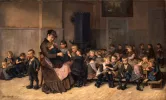
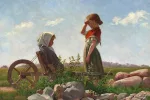
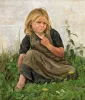
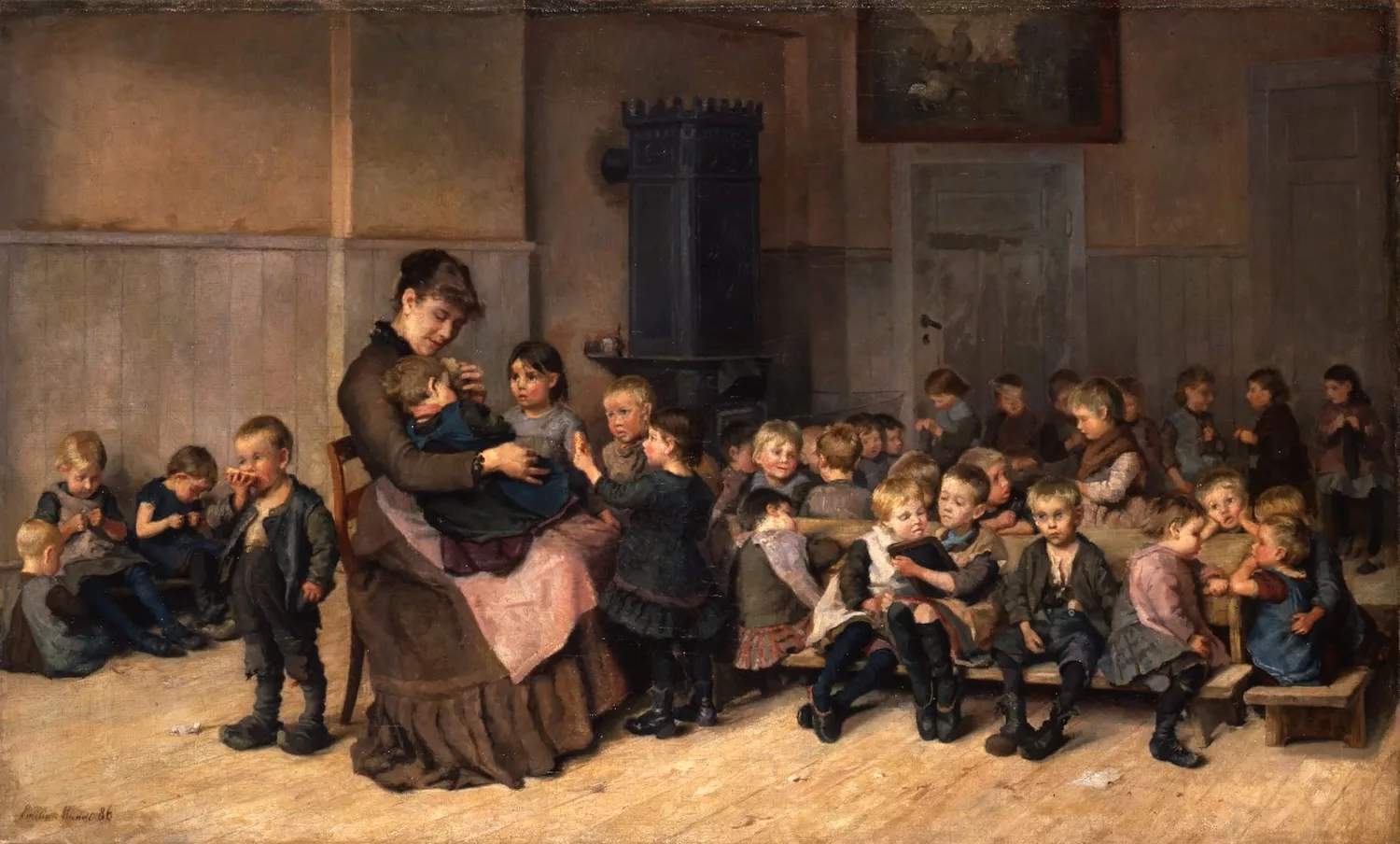
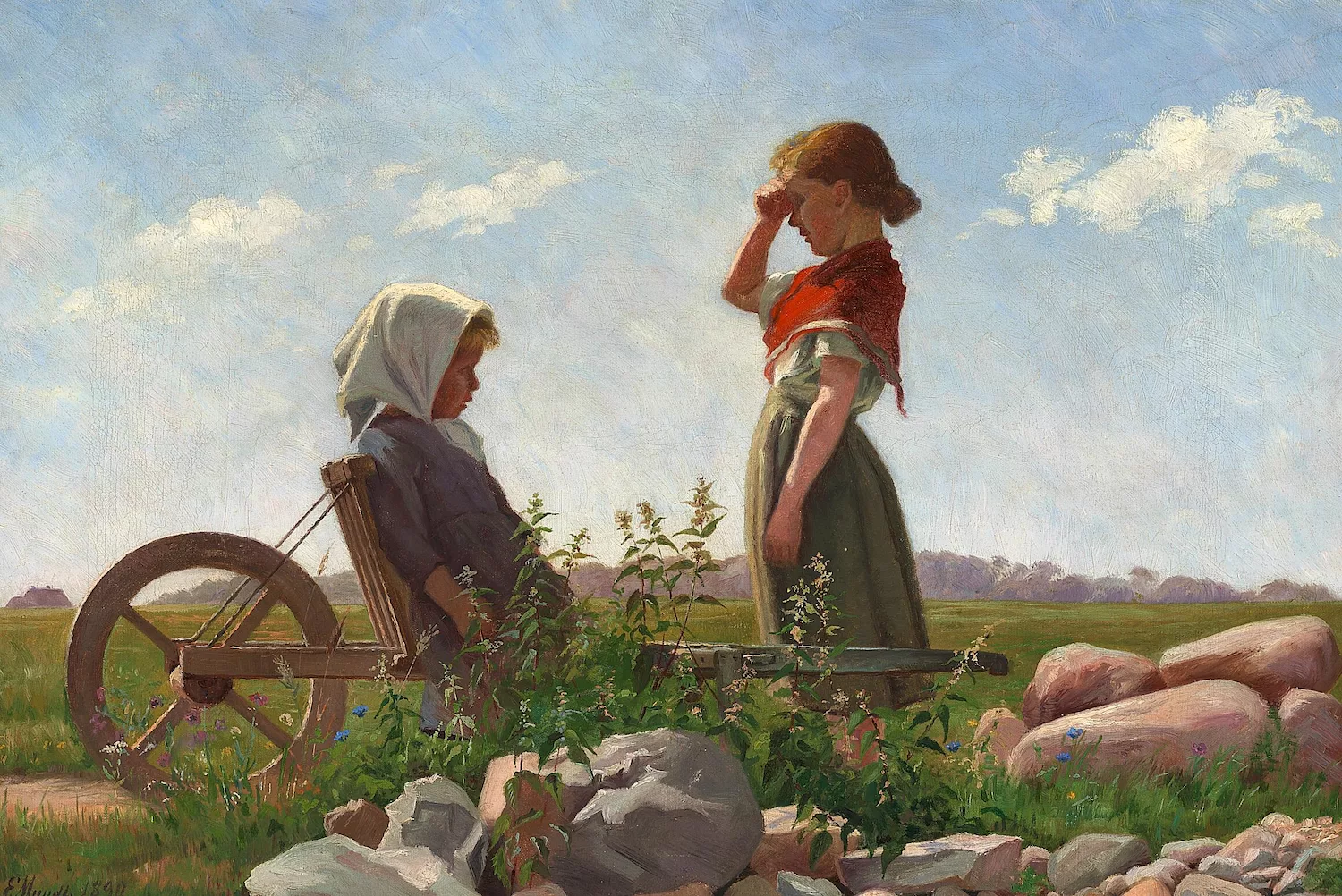
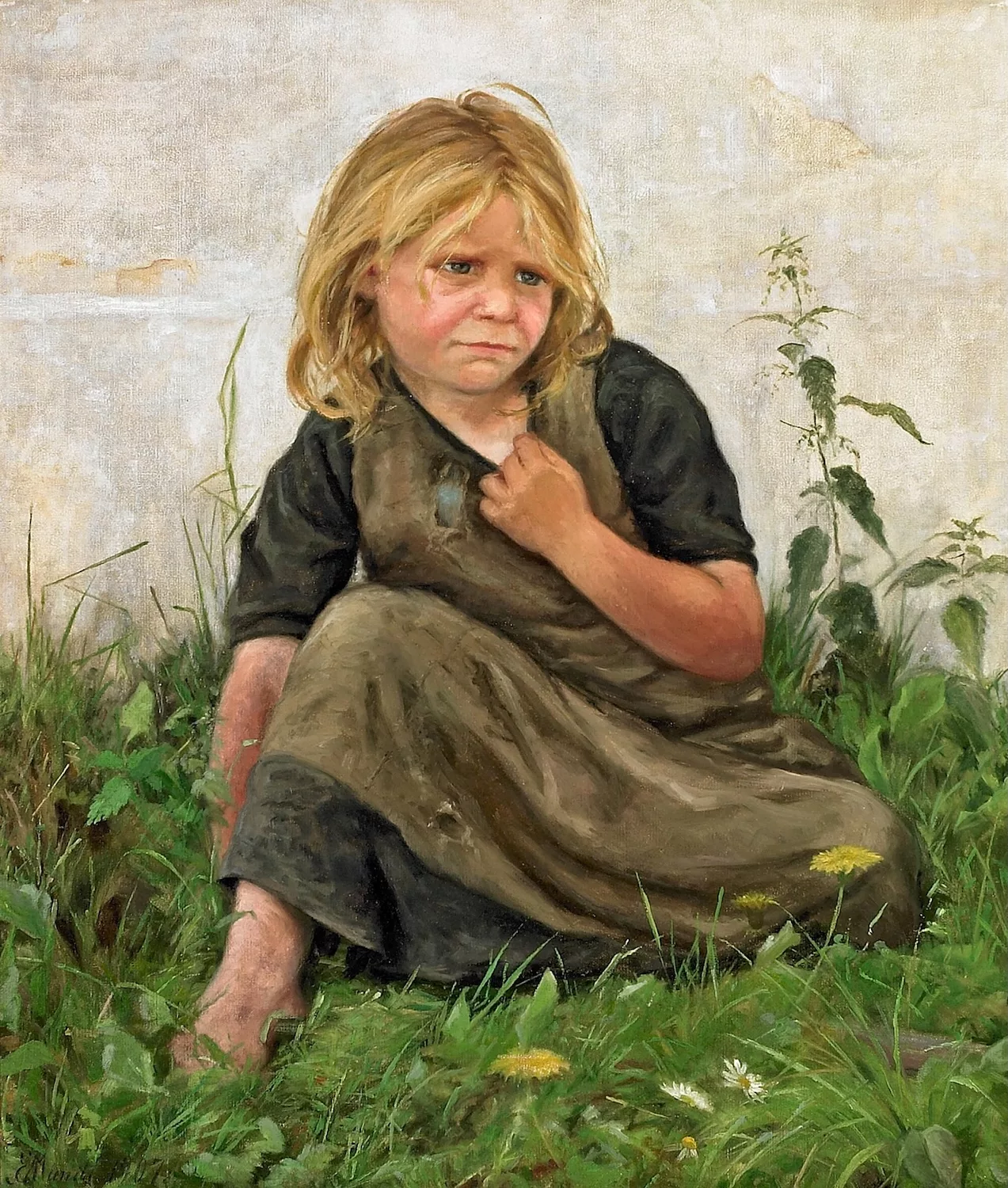
E. Mundt debuted at the Spring Exhibition at Charlottenborg in 1878. From 1882 to 1884, she studied in Paris at Académie Colarossi, where she was taught by the French painters Raphaël Collin (1850–1916) and Gustave Courtois (1852–1923). She also went on study trips in France and to Italy. In 1886, she exhibited the painting Fra asylet i Istedgade [From the Asylum in Istedgade, 1886] at the Spring Exhibition at Charlottenborg, a work inspired by the French realism she had encountered abroad. The painting stirred the Danish audience because of its social realist motif. E. Mundt’s paintings often depicted children, as seen in To piger på tur [The Wheelbarrow Ride, 1890] and Portræt af pige siddende i græsset [Portrait of a Girl Sitting in the Grass, 1907], and have been read as a visual critique of society. While such critique was familiar within the women’s liberation movement of the time, it was new to depict it in fine art in Denmark. In 1891, Fra asylet i Istedgade was exhibited in Paris, where it was praised in the women’s magazine La Citoyenne.
E. Mundt received travel scholarships from the Royal Danish Academy of Fine Arts in 1890–91 and 1895, enabling her and M. Luplau to travel. When Kvindelige Kunstneres Samfund [The Danish Women’s Artist Association] was founded in 1916, E. Mundt was amongst its first members. Exhibitions and research in the 21st century have focused on her queer lifestyle, such as the exhibition Marie loves Emilie: Queering the Collection, at The Hirschsprung Collection in 2021 in Copenhagen.
Published in partnership with SMK – National Gallery of Denmark, as part of the exhibition Against All Odds: Historical Women and New Algorithms
© Archives of Women Artists, Research and Exhibitions, 2025