Berthe Morisot


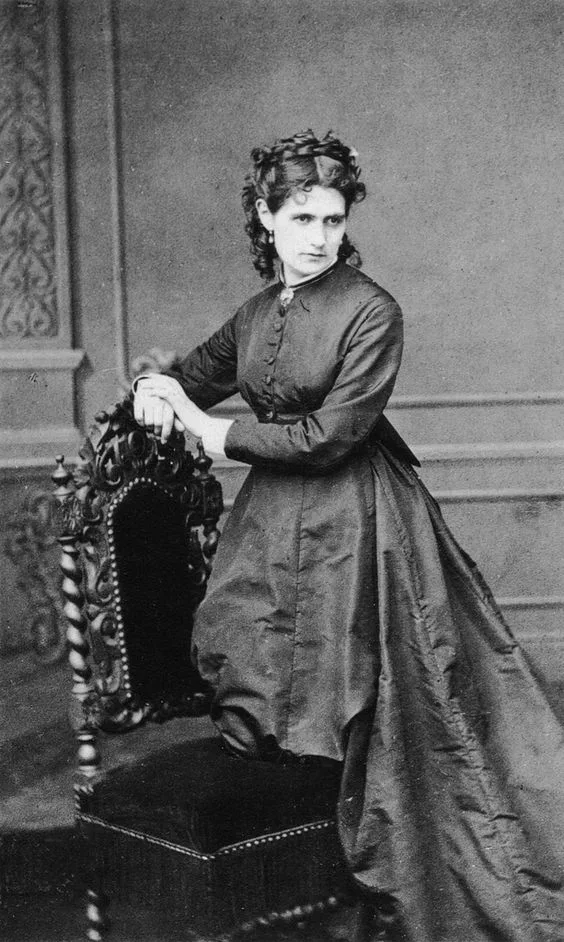
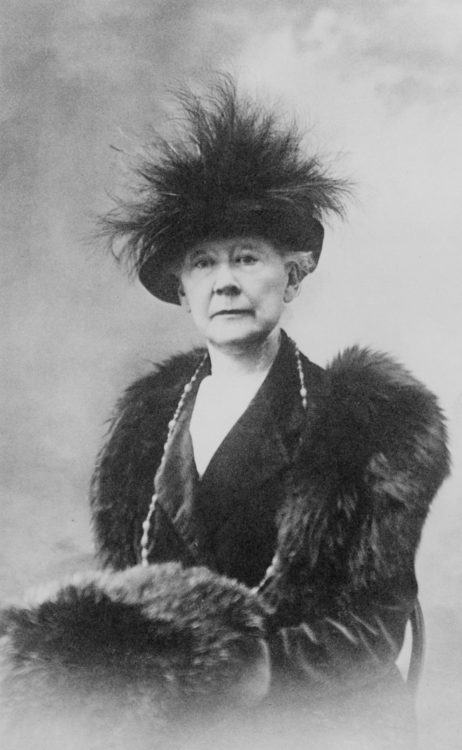
Portrait of Berthe Morisot
Rey, Jean-Dominique, Berthe Morisot, Paris, Flammarion, 2018
→Higonnet, Anne, Berthe Morisot’s Images of Women, Cambridge, Harvard University Press, 1992
→Hyslop, Francis E., “Berthe Morisot and Mary Cassatt”, College Art Journal, vol. 13, issue 3, 1954, p. 179–184
Berthe Morisot: Shaping Impressionism, Dulwich Picture Gallery, London, 31 March–10 September, 2023
→
Berthe Morisot (Madame Eugène Manet): Exposition de son œuvre, Galerie Durand-Ruel, Paris, 5–21 March 1896
→Exposition de tableaux, pastels et dessins par Berthe Morisot, Galerie Boussod, Valadon, Paris, 25 May–18 June 1892
French impressionist painter.
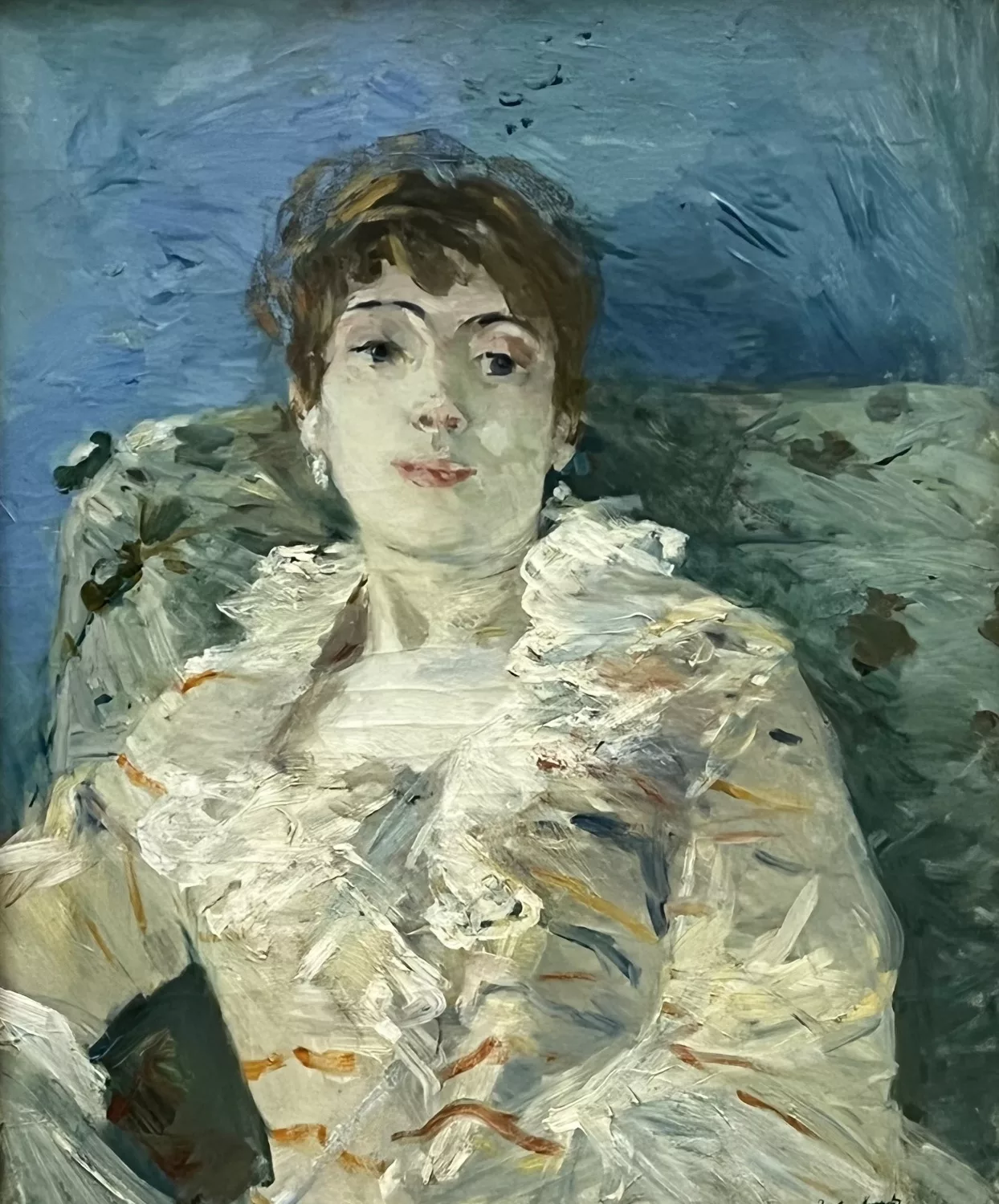
In 1890, Berthe Morisot wrote in her notebook, “I don’t think there has ever been a man who treated a woman as an equal, and that’s all I would have asked, for I know I’m worth as much as they”. B. Morisot not only proved her worth and talent as an artist but was a founding member of the Impressionist movement and was one of two women in the First Impressionist Exhibition.
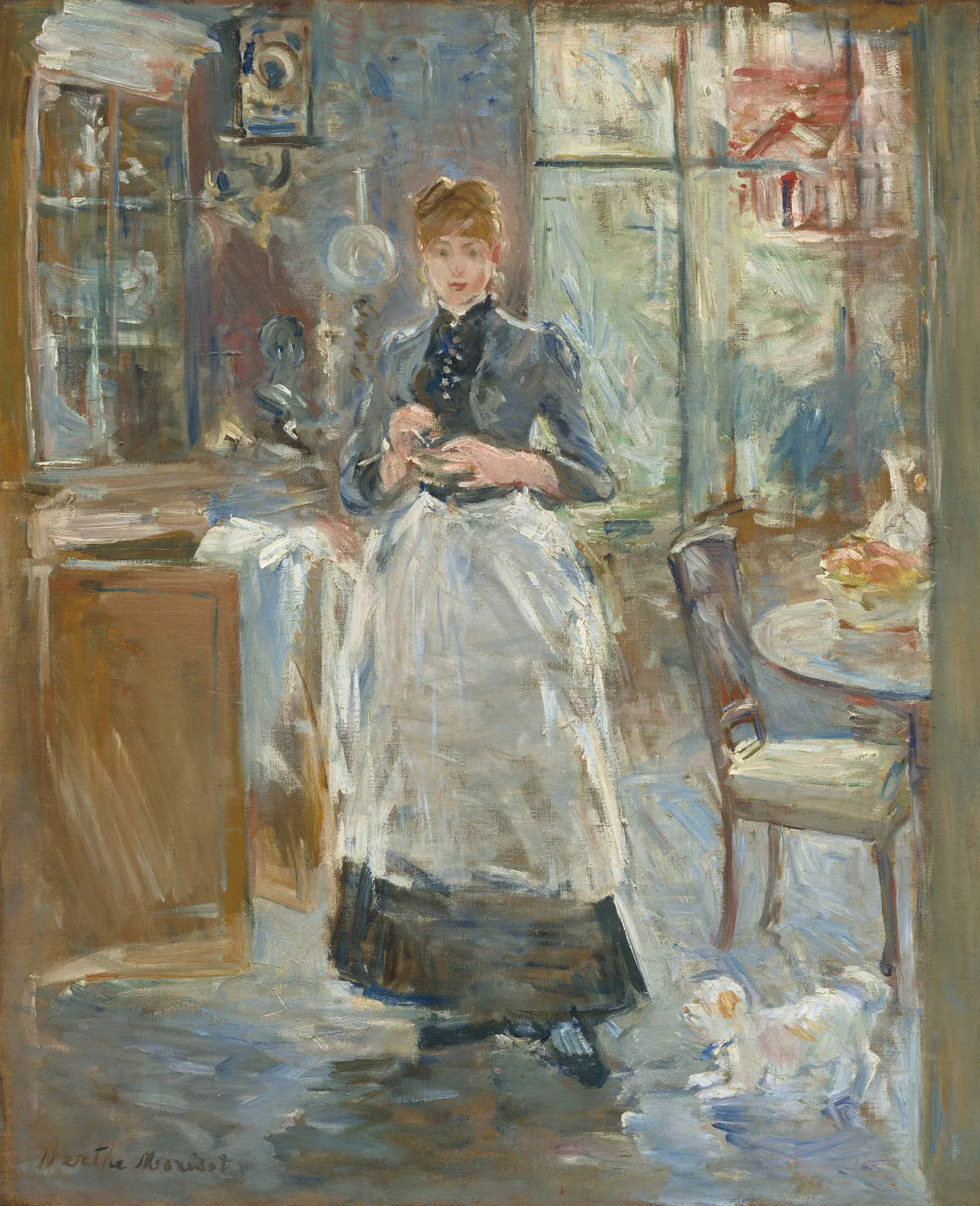
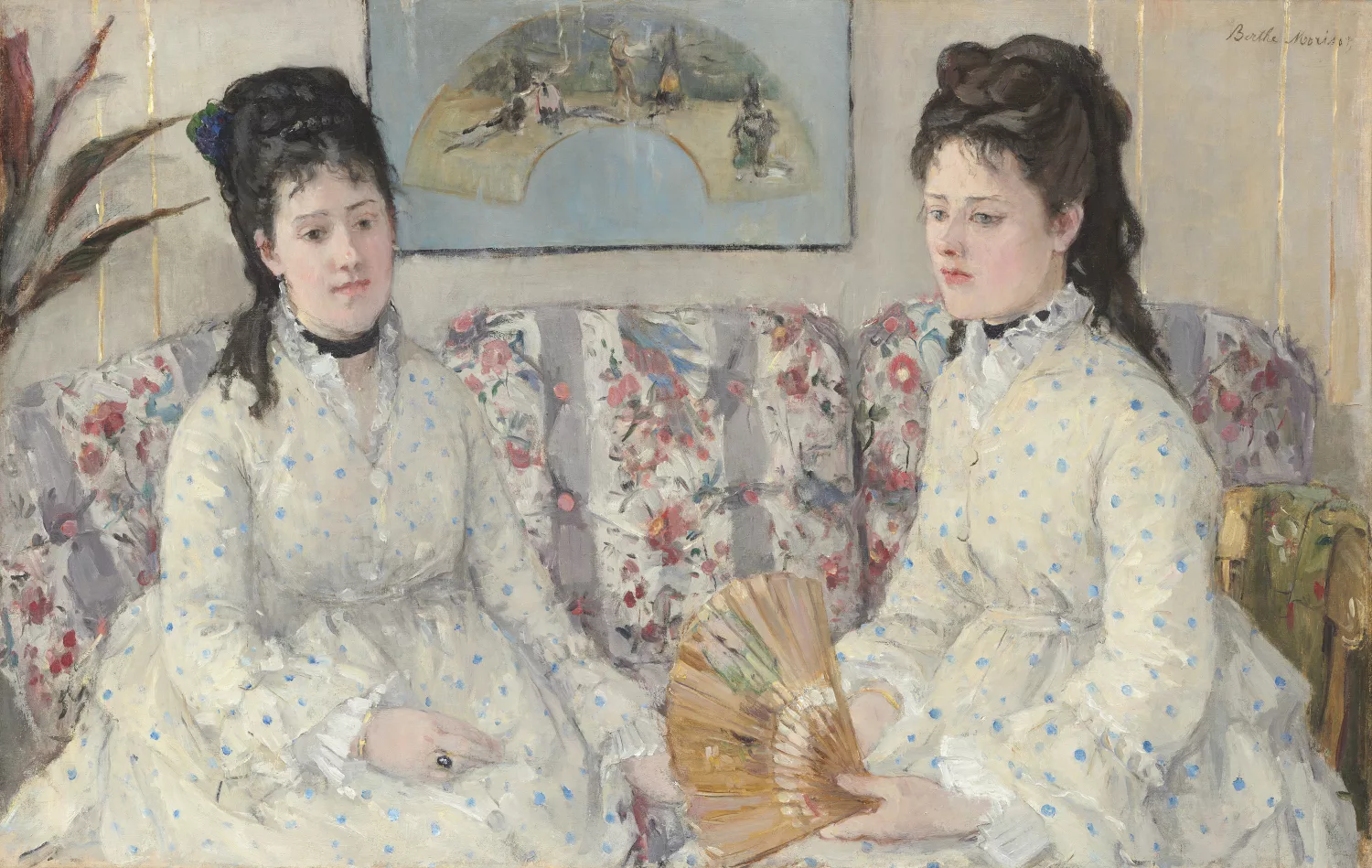
B. Morisot was born into a wealthy family, to Edmé Tiburce Morisot and Marie Joséphine Cornélie Thomas. B. Morisot was one of four children. She began her formal art education with painter Geoffroy Alphonse Chocarne (1797–1870), in 1857, alongside her sister, Edma (1839–1921). They went on to be tutored by painters such as Joseph Guichard (1806–1880) and Jean Baptiste Camille Corot (1796–1875), and débuted their works as amateur painters at the Salon in Paris, in 1864. As a woman in the nineteenth century, it was unacceptable for B. Morisot to go out in public unchaperoned. This guided her to create paintings from aspects of her own life in a domestic setting as well as portraits and landscapes.
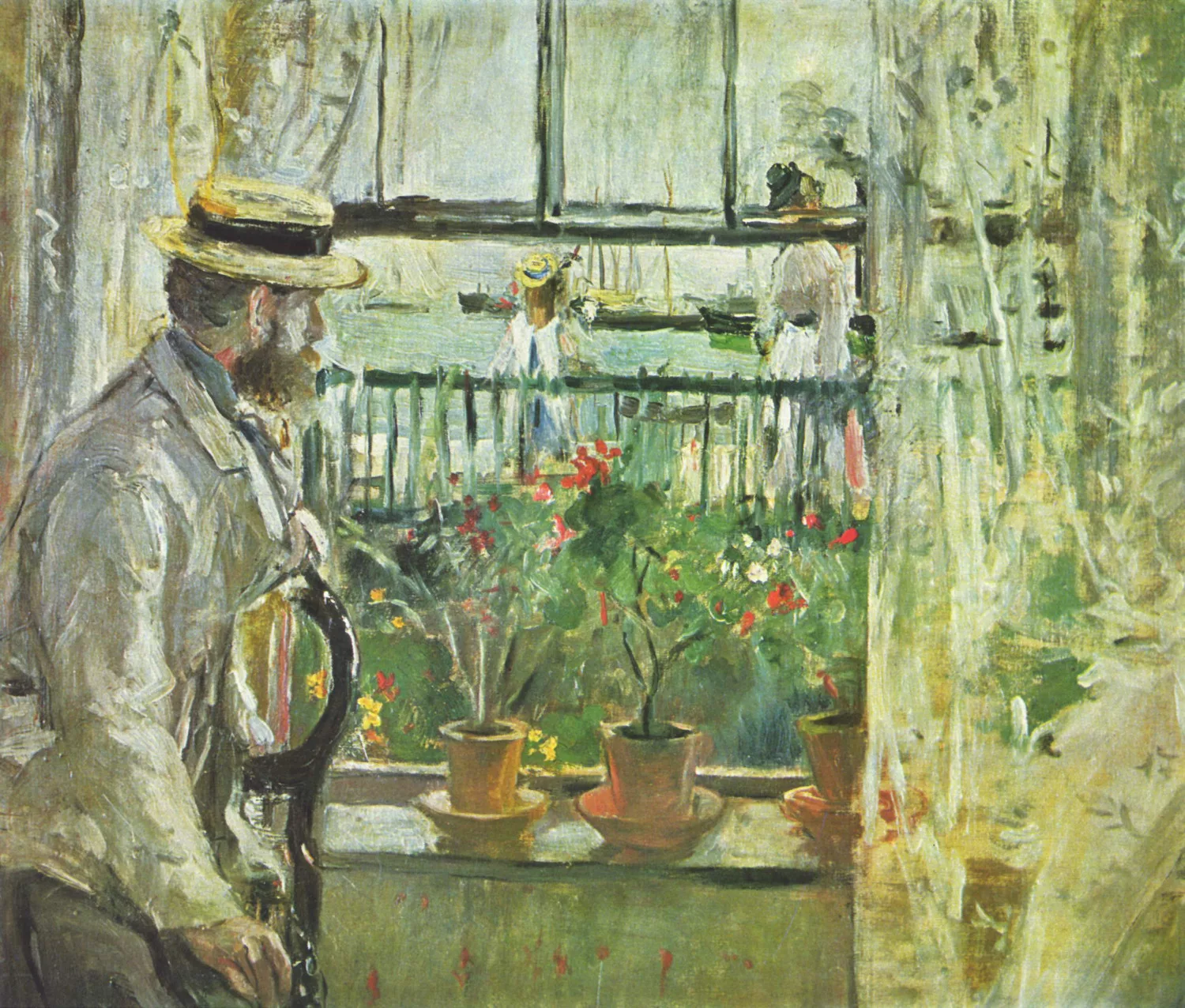
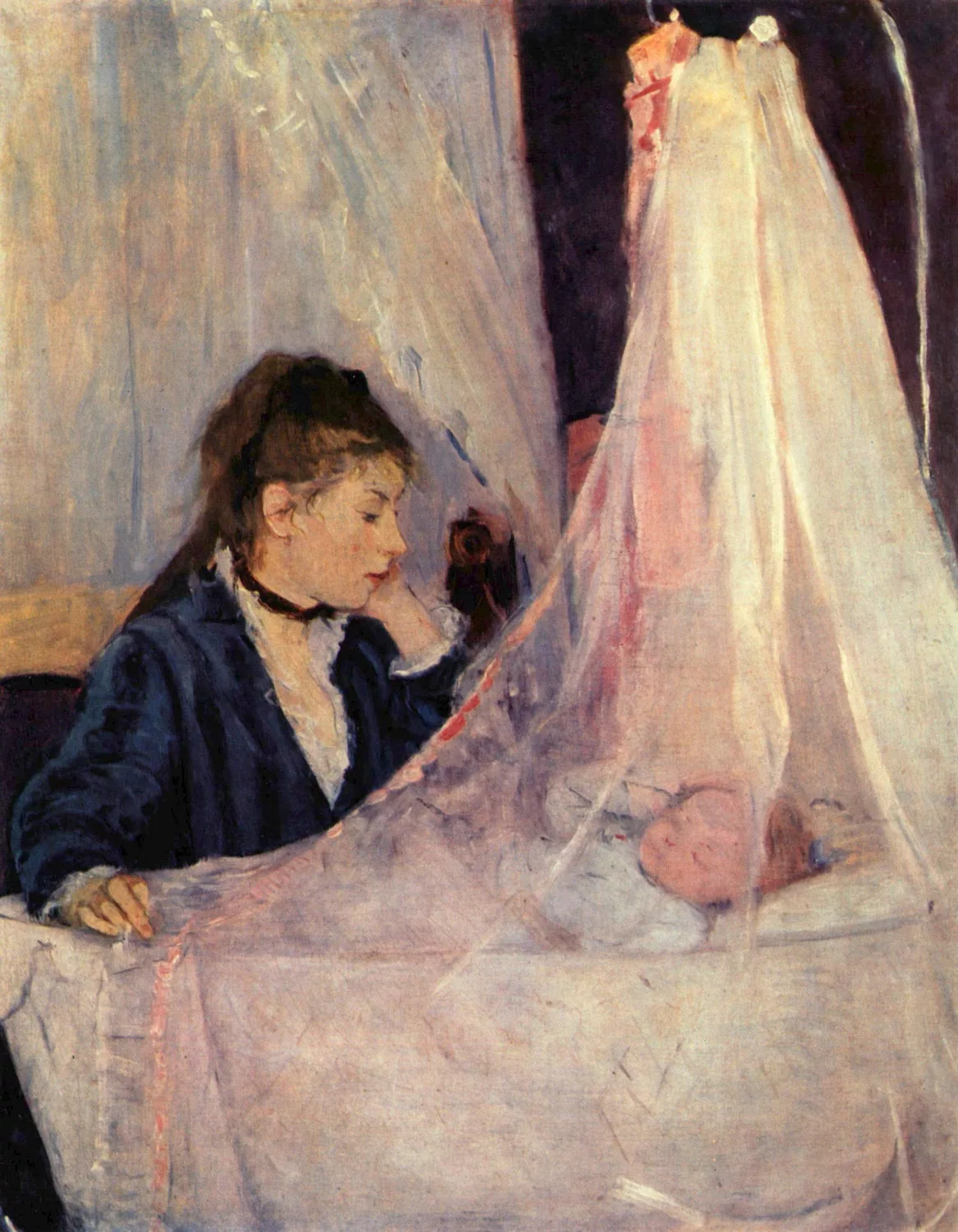
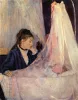
In 1868 B. Morisot was introduced to Édouard Manet (1832–1883) by Henri Fantin-Latour (1836–1904), at a sketching session at the Louvre, and she went on to marry his brother, Eugène Manet (1833–1892), in 1874. In the same year, the artists who would later be known as the Impressionists organized an exhibition at the Boulevard des Capucines in Paris. B. Morisot exhibited ten paintings, including one of her most famous works, Le Berceau [The Cradle, 1872], her first painting to depict motherhood. B. Morisot proceeded to participate in seven of the eight impressionist exhibitions, between 1874 and 1886. The only exhibition she missed, in 1879, was due to the birth of her daughter, Julie Manet (1878–1966).
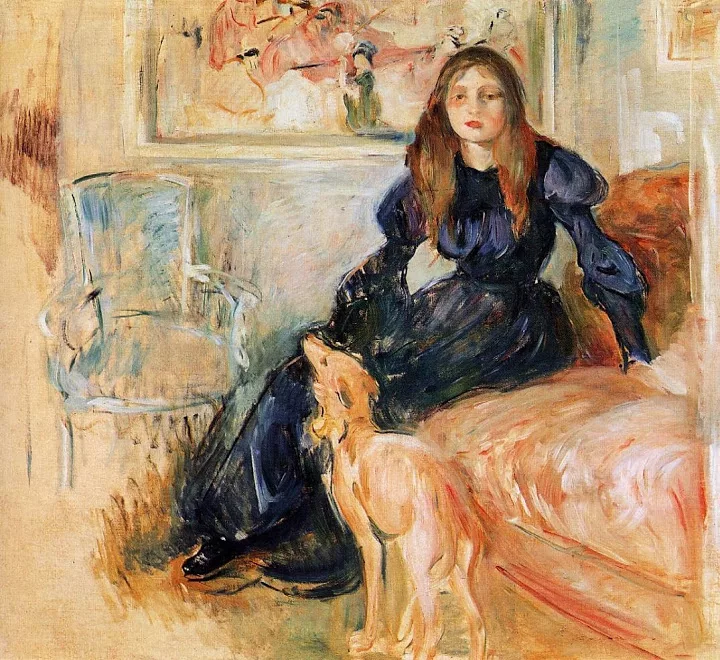
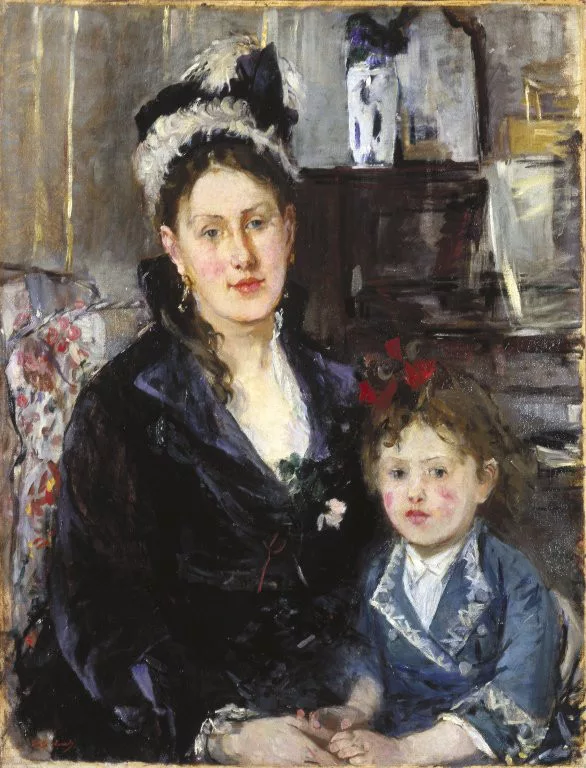
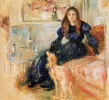
In 1892 B. Morisot opened her first solo exhibition at the Boussod et Valadon Gallery, in Paris. She produced over 860 works throughout her life. Her daughter Julie was one of her biggest inspirations for her work, appearing as the main subject in around seventy paintings, such as The Artist’s Daughter, Julie, with her Nanny (1884).
B. Morisot died of pneumonia at the age of 54, but many exhibitions were dedicated to her after her death, the first being a show in 1896 at the Paul Durand-Ruel Gallery. The Musée de l’Orangerie in Paris held a major exhibition celebrating her life and work in 1941, as did the Boston Museum of Fine Arts in 1960, and there have been other more recent exhibitions. She also became the most expensive female artist in 2013, with her painting Après le déjeuner [After Lunch, 1881] selling at Christie’s auction house for $10.9 million.
B. Morisot sought equality in the recognition of her art. Her inclusion in the Impressionist Exhibitions and posthumous exhibitions to this day demonstrate that her aspiration has been realised.
A notice produced as part of the TEAM international academic network: Teaching, E-learning, Agency and Mentoring
© Archives of Women Artists, Research and Exhibitions, 2026