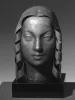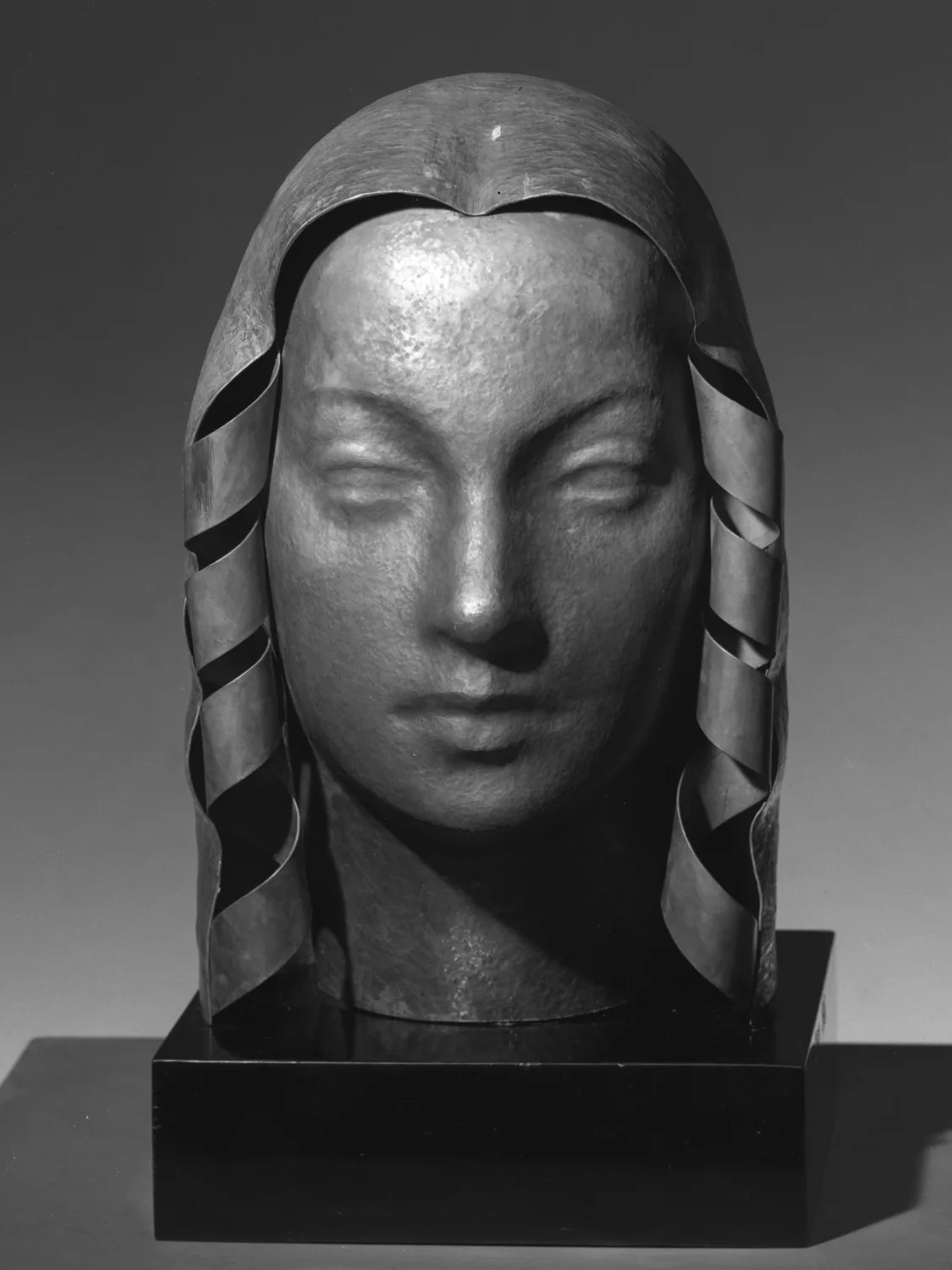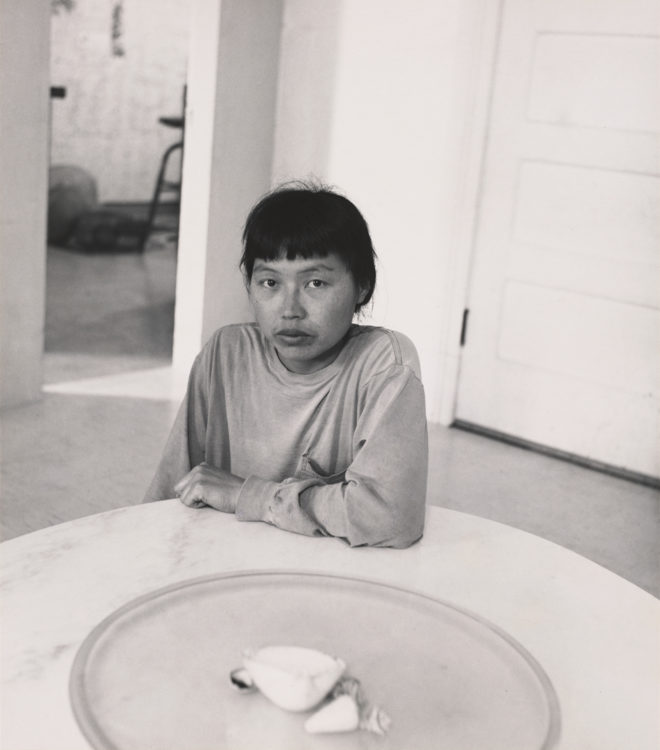
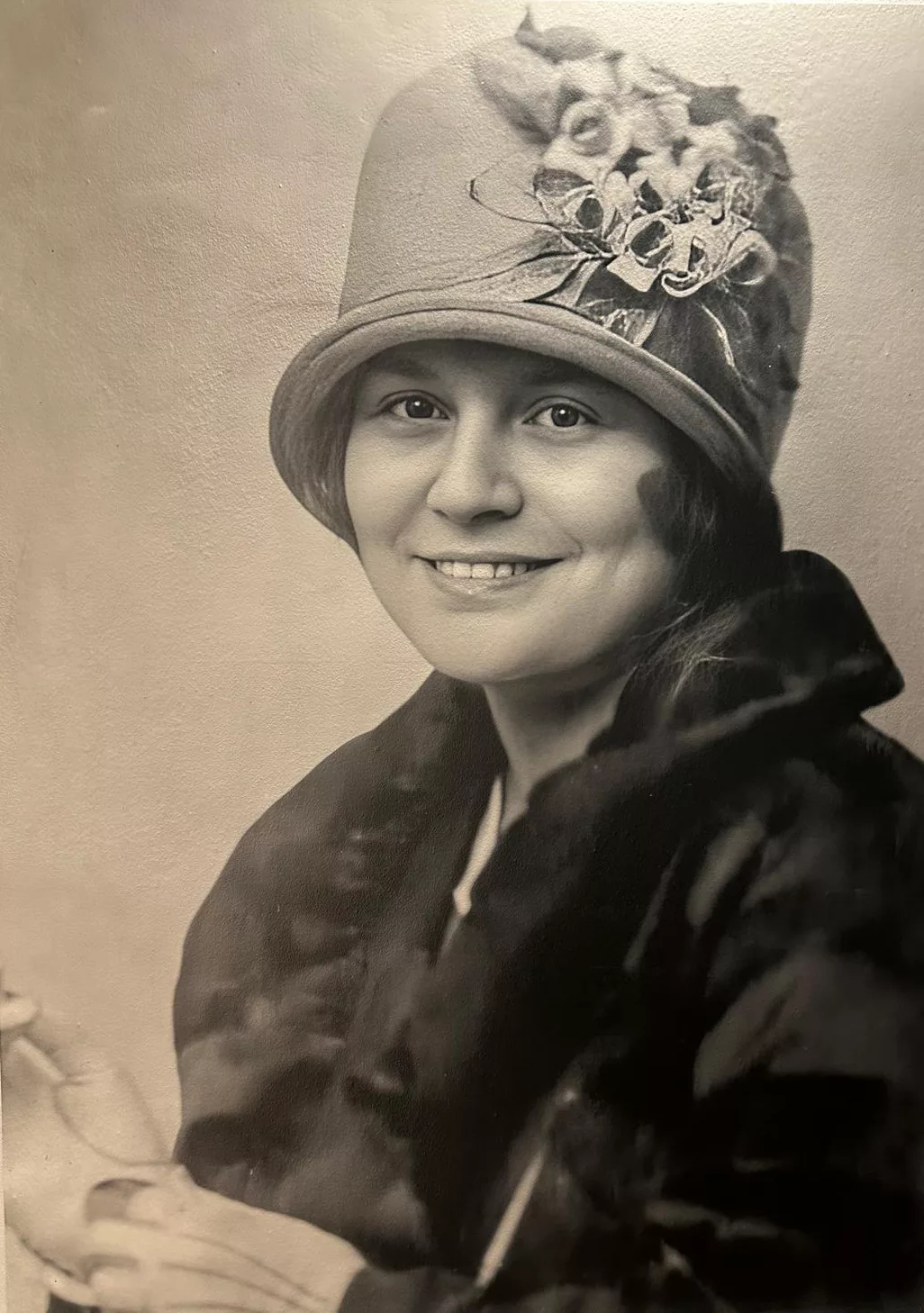
Portrait of Julia Keilowa
Dąbrowska, Agnieszka, Siwińska, Monika (eds.), Julia Keilowa. An Art Deco Designer, exh. cat., Museum of Warsaw, Warsaw (21 March–1 September, 2024), Warsaw, Museum of Warsaw, 2024
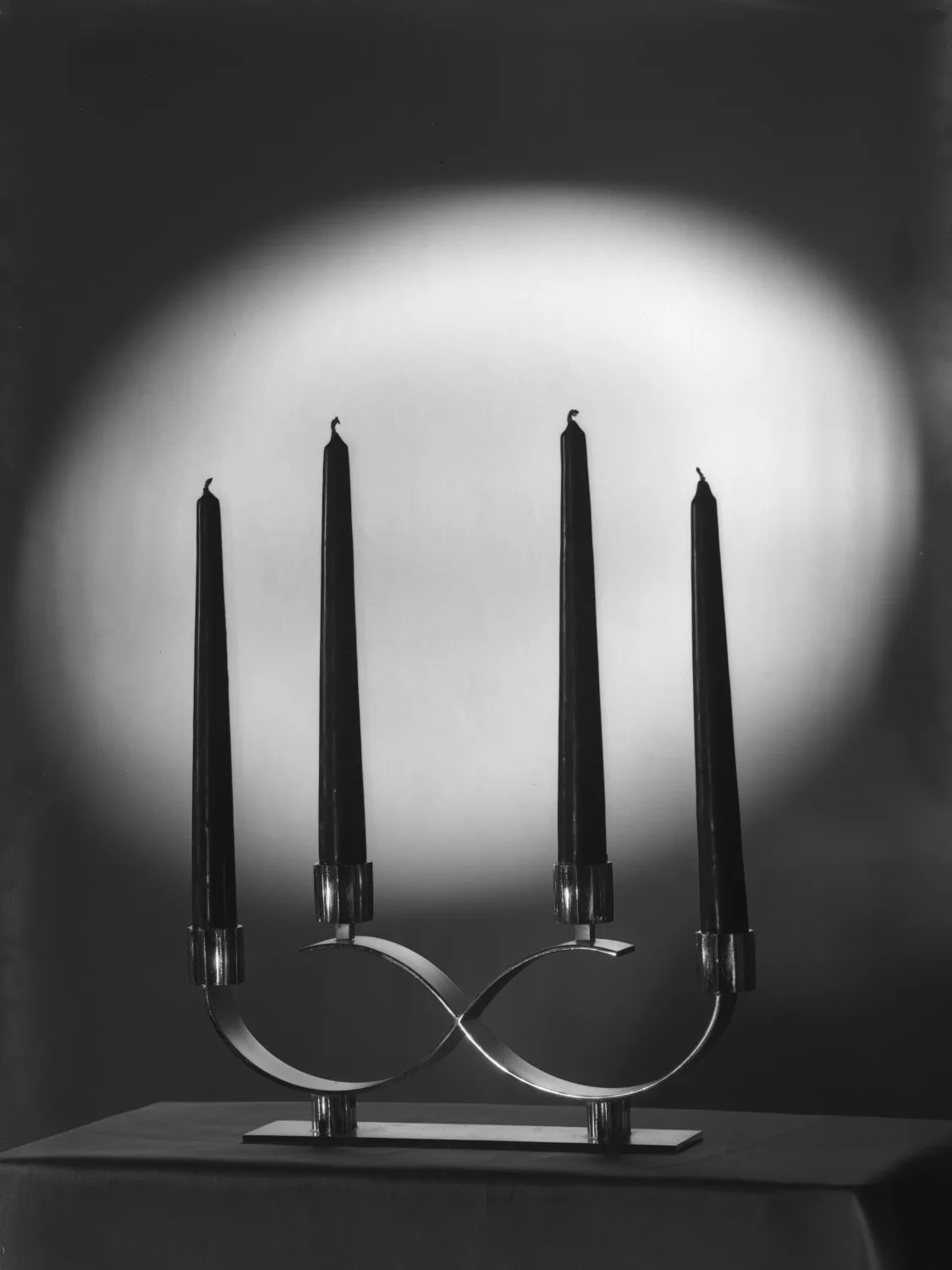
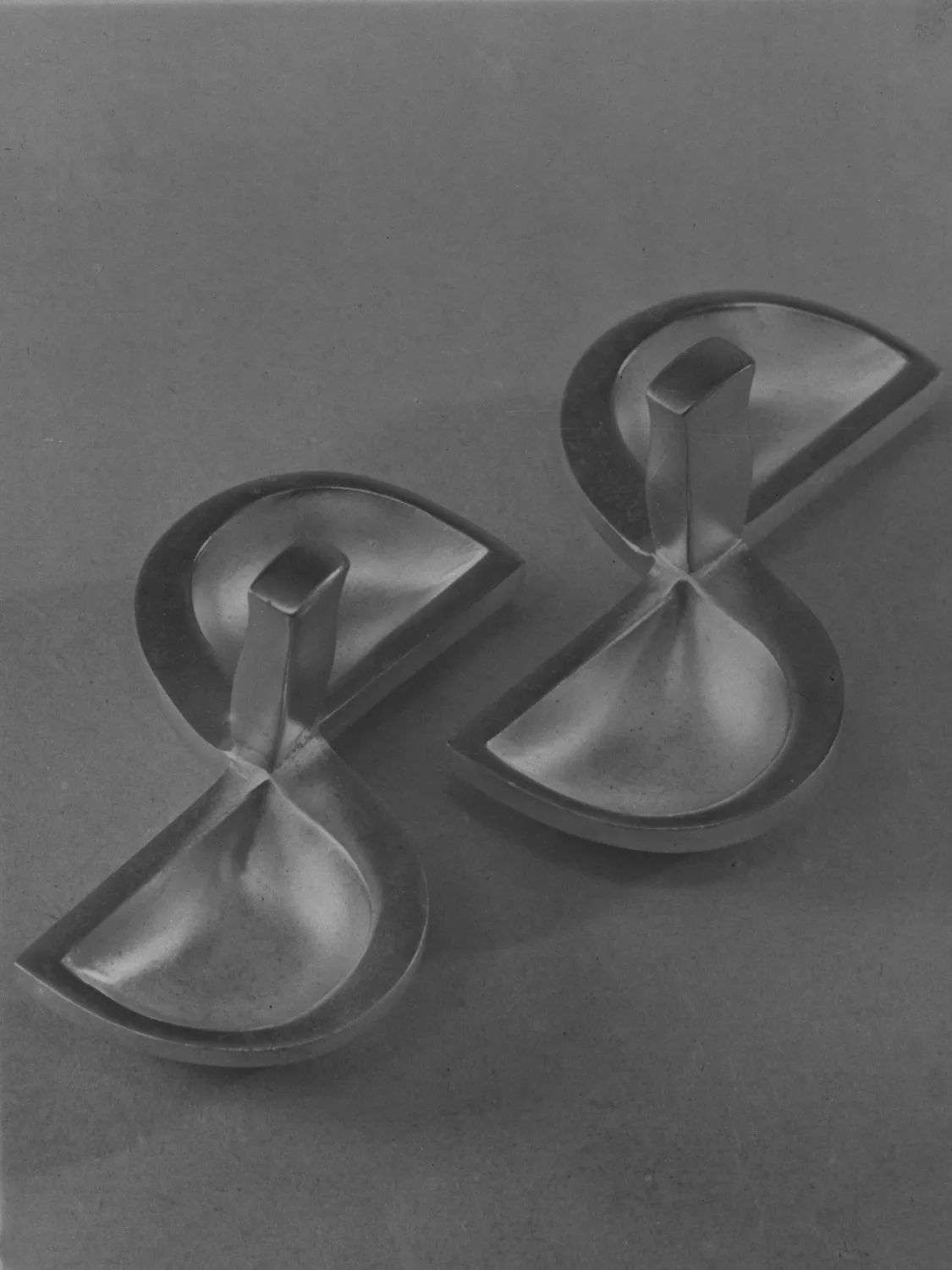
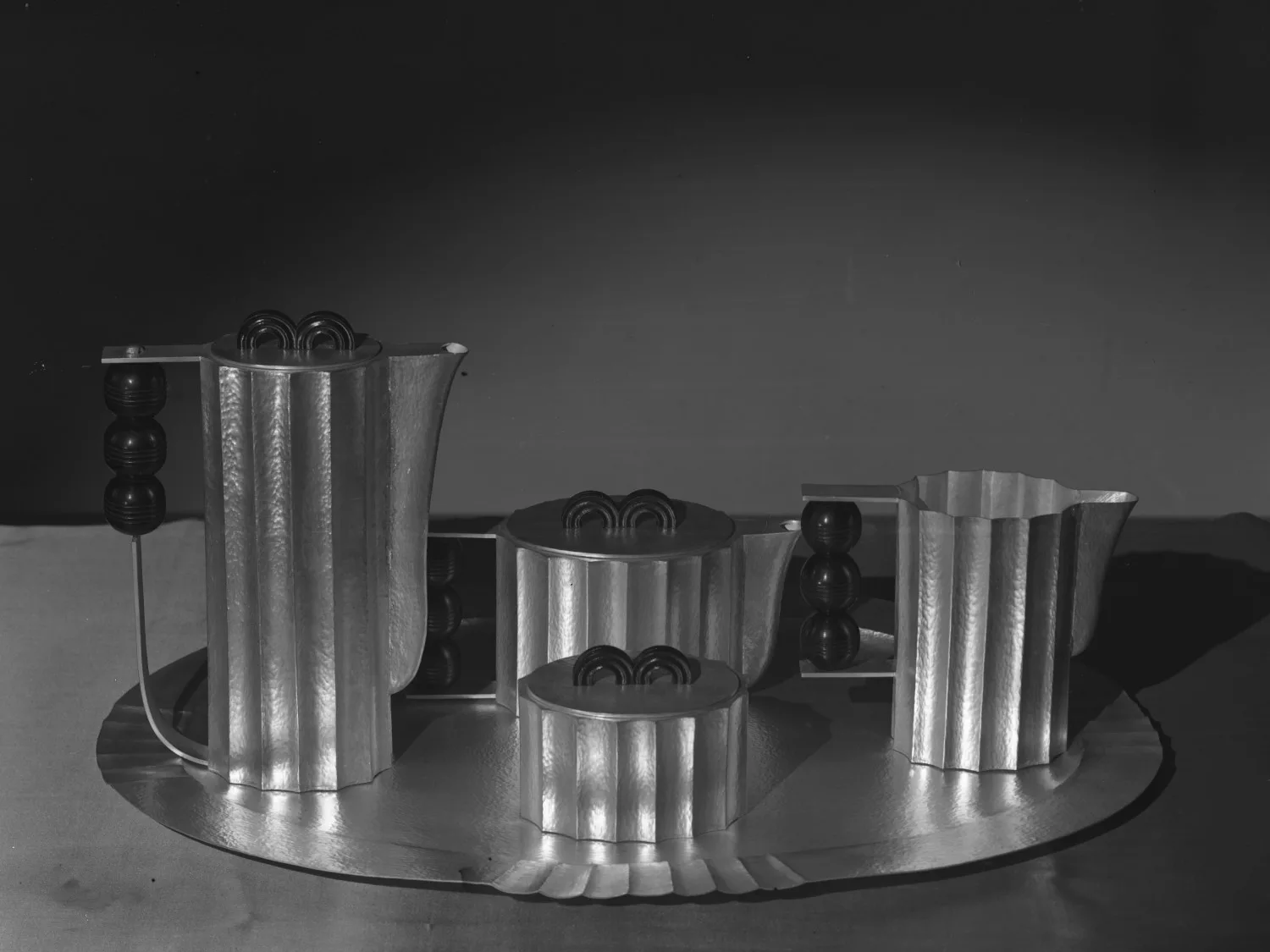
→Magdalena, Wróblewska, “Decorative forms. The objects of Julia Keilowa in the photographs by Benedykt Jerzy Dorys”, Miejsce, no. 3, 2017, p. 163–175
→Siwińska, Monika, “Julia Keilowa metal ware design in the Museum of Warsaw plated ware collection”, Almanach Warszawy, no. 9, 2015, p. 335–354
Julia Keilowa. Designer, Museum of Warsaw, Warsaw, 21 March–1 September, 2024
→New York World’s Fair, Polish Pavilion, April 30 – October 31, 1939
→Exhibition of Julia Keilowa’s Metalware, Art Propaganda Institute, Warsaw, 26 March–18 April, 1938
Polish designer and sculptor.
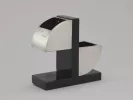
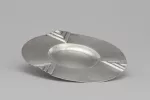
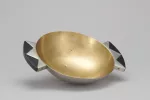
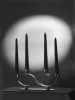
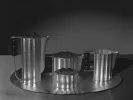
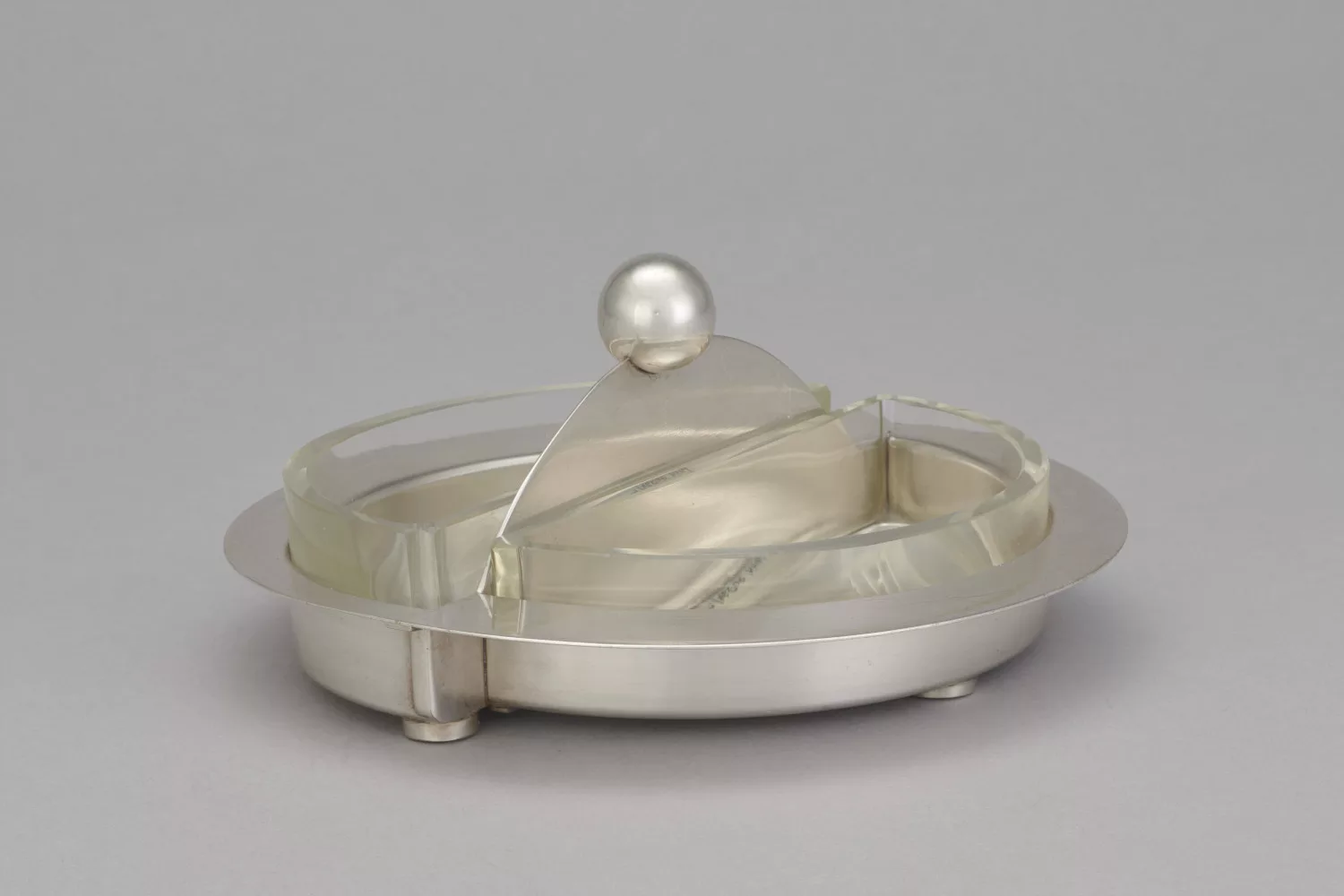
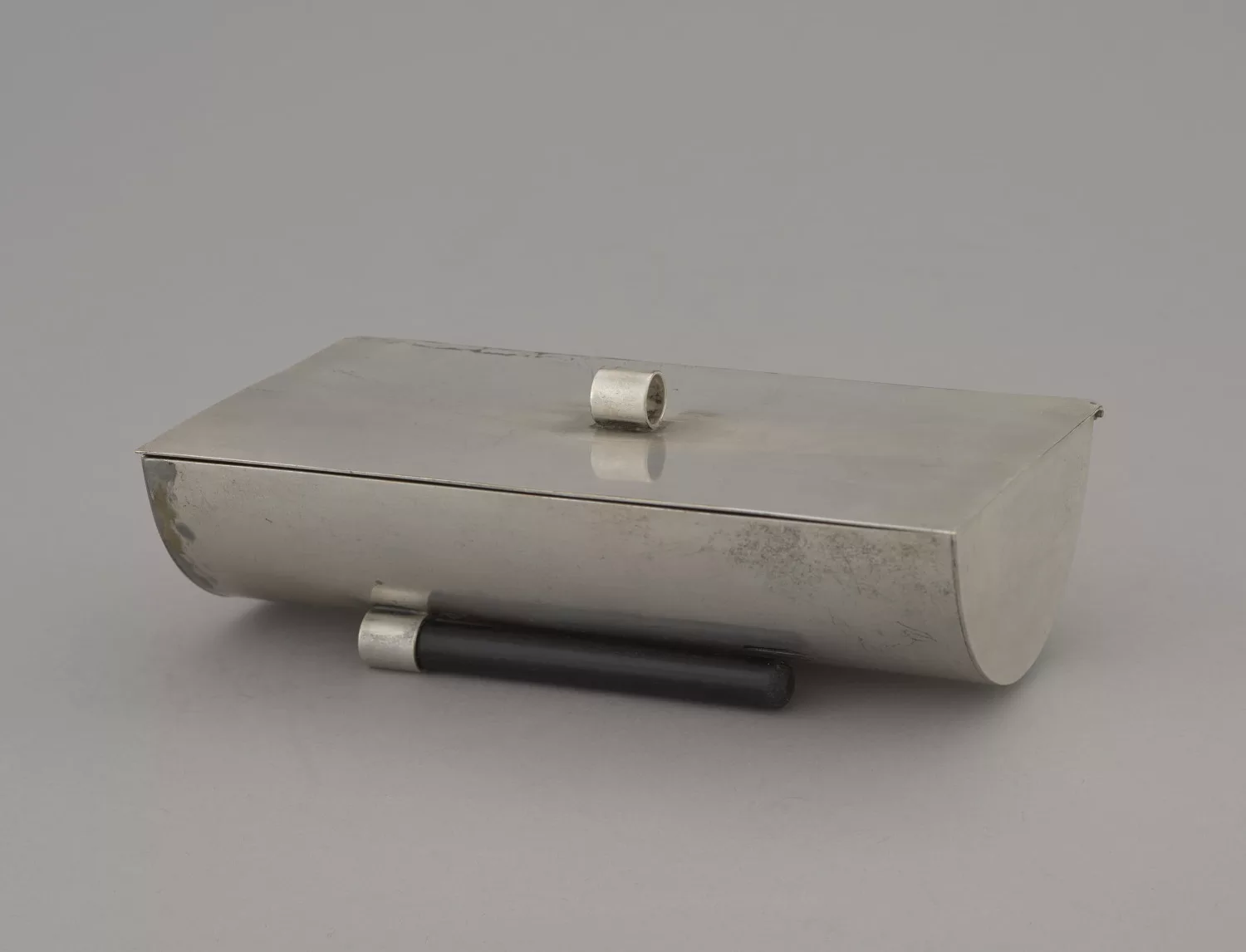
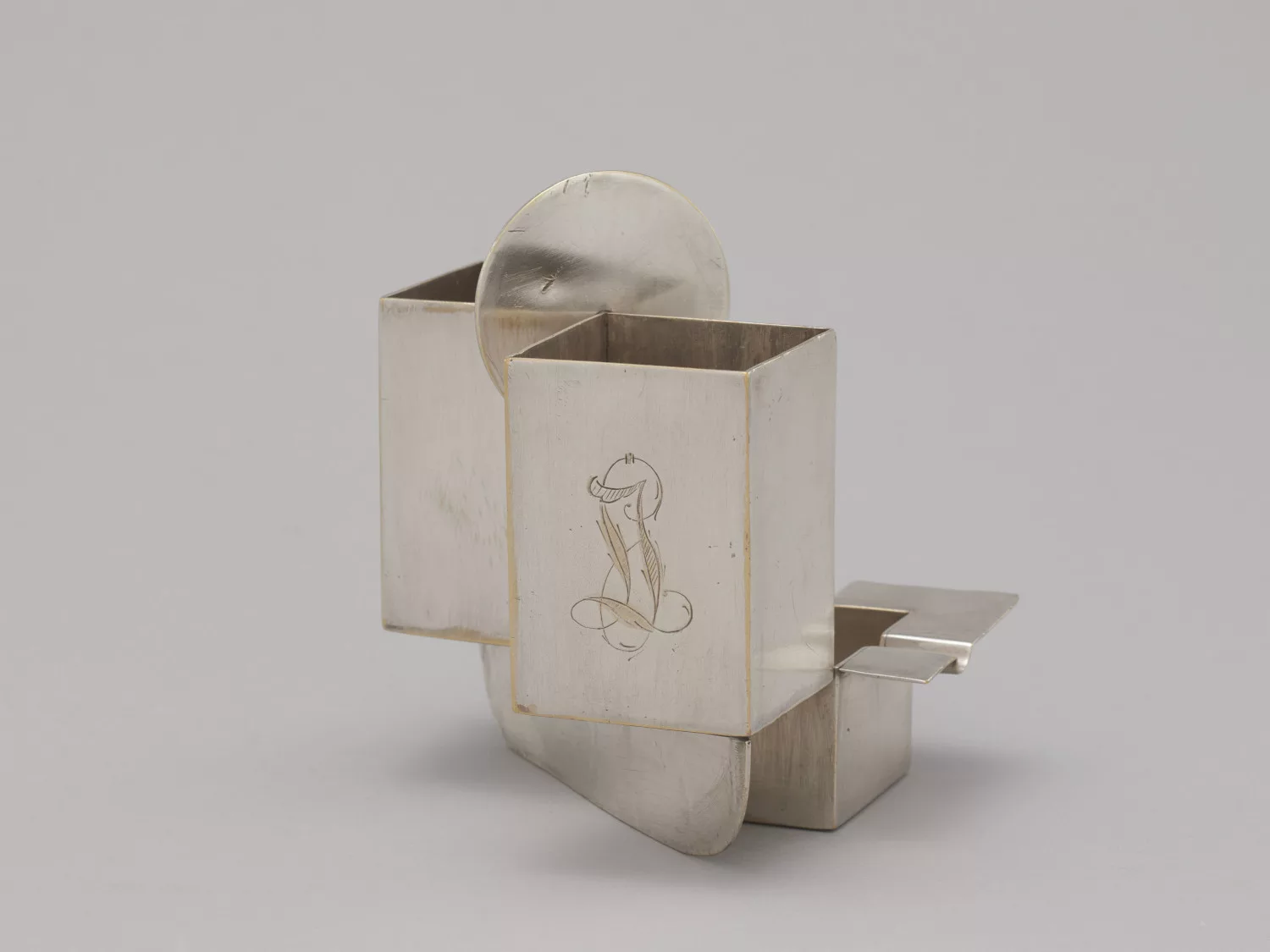
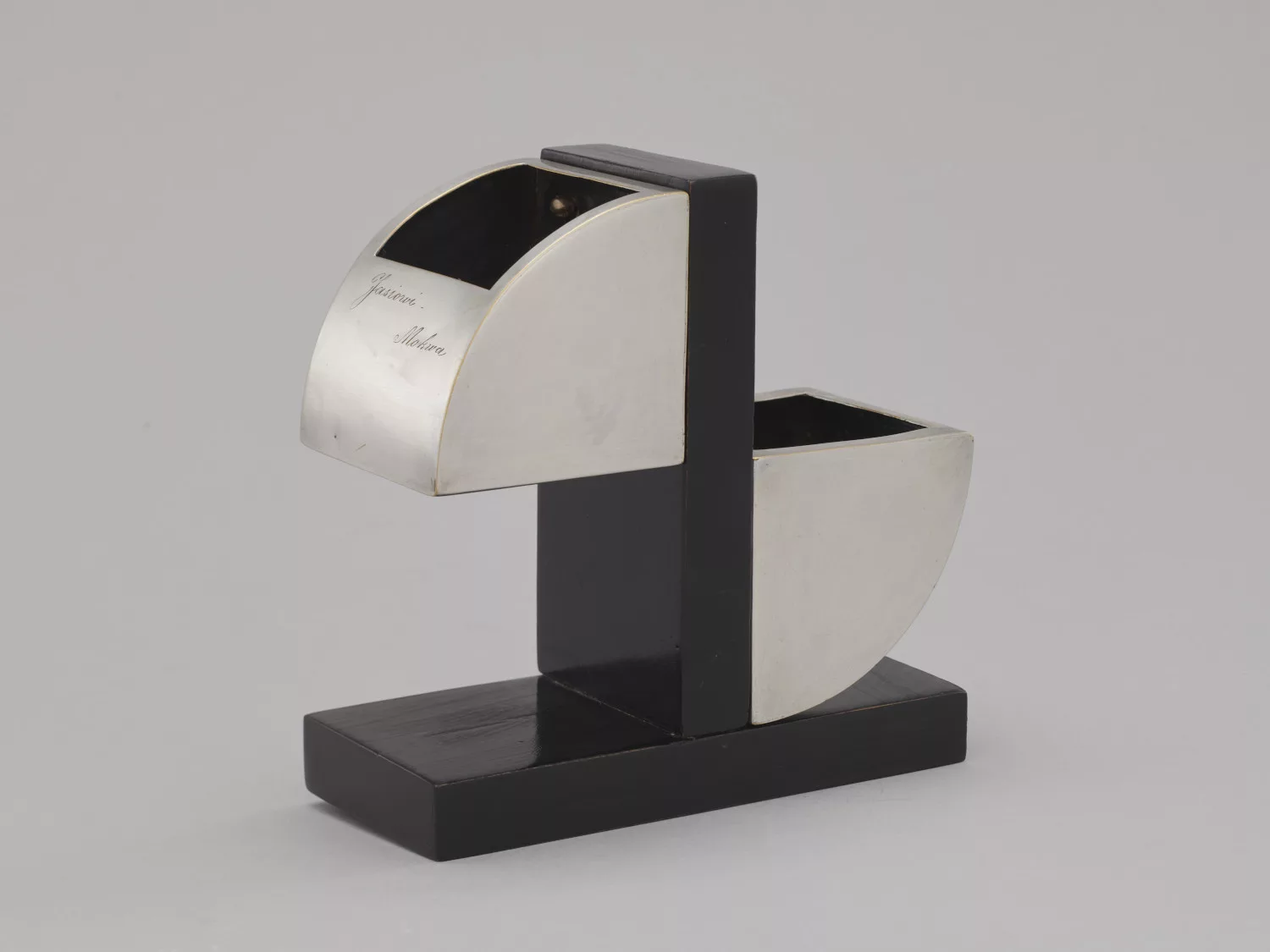
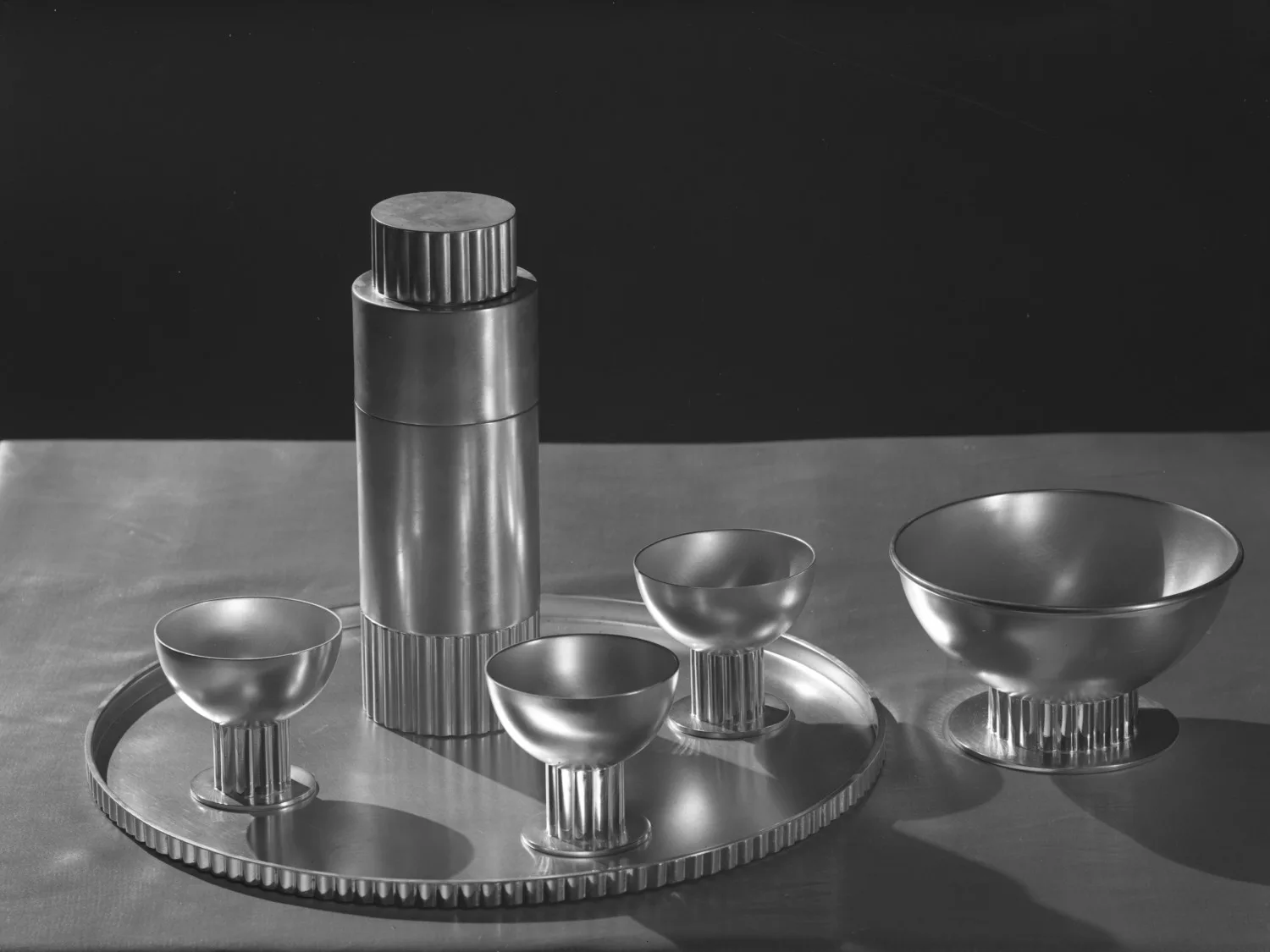
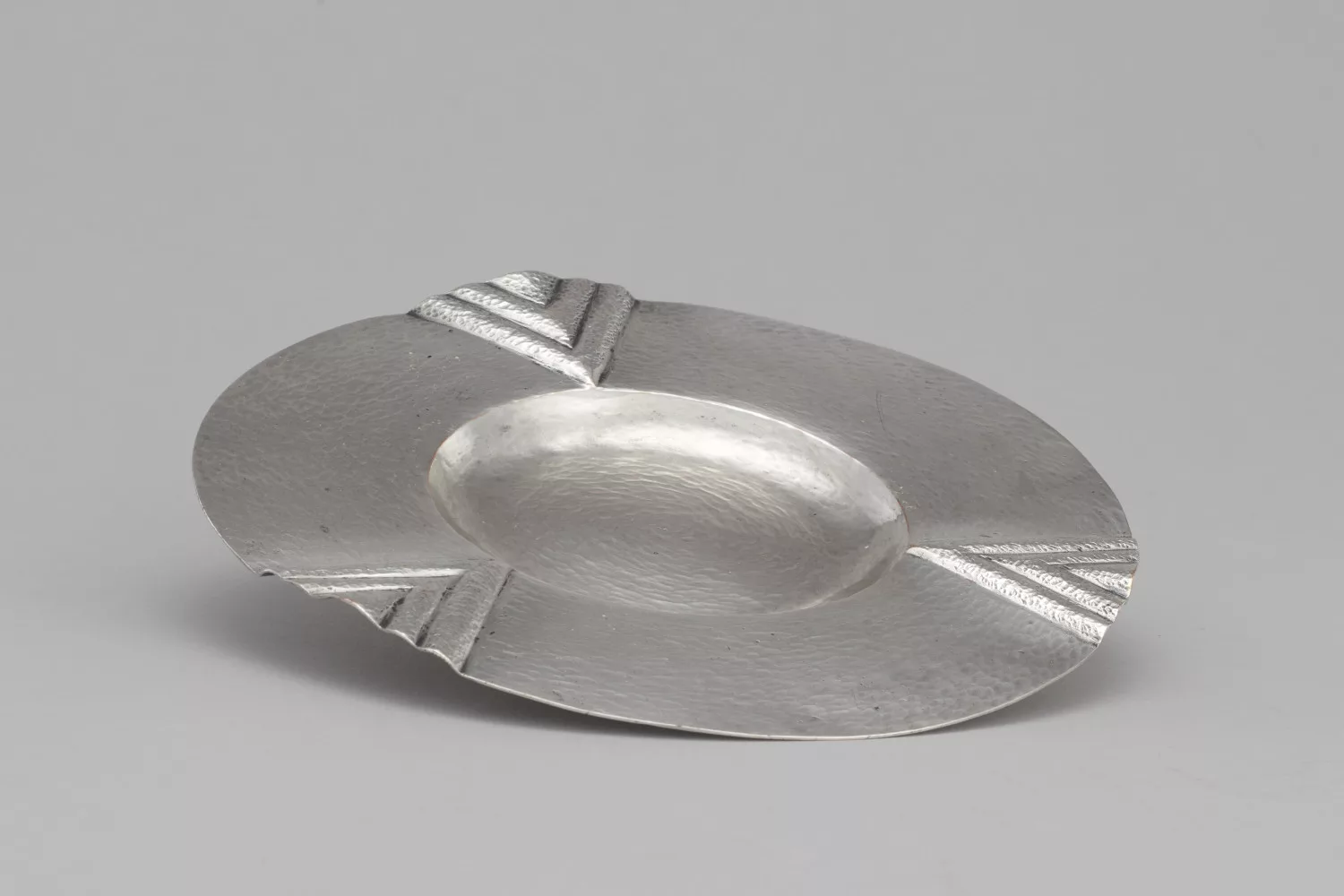
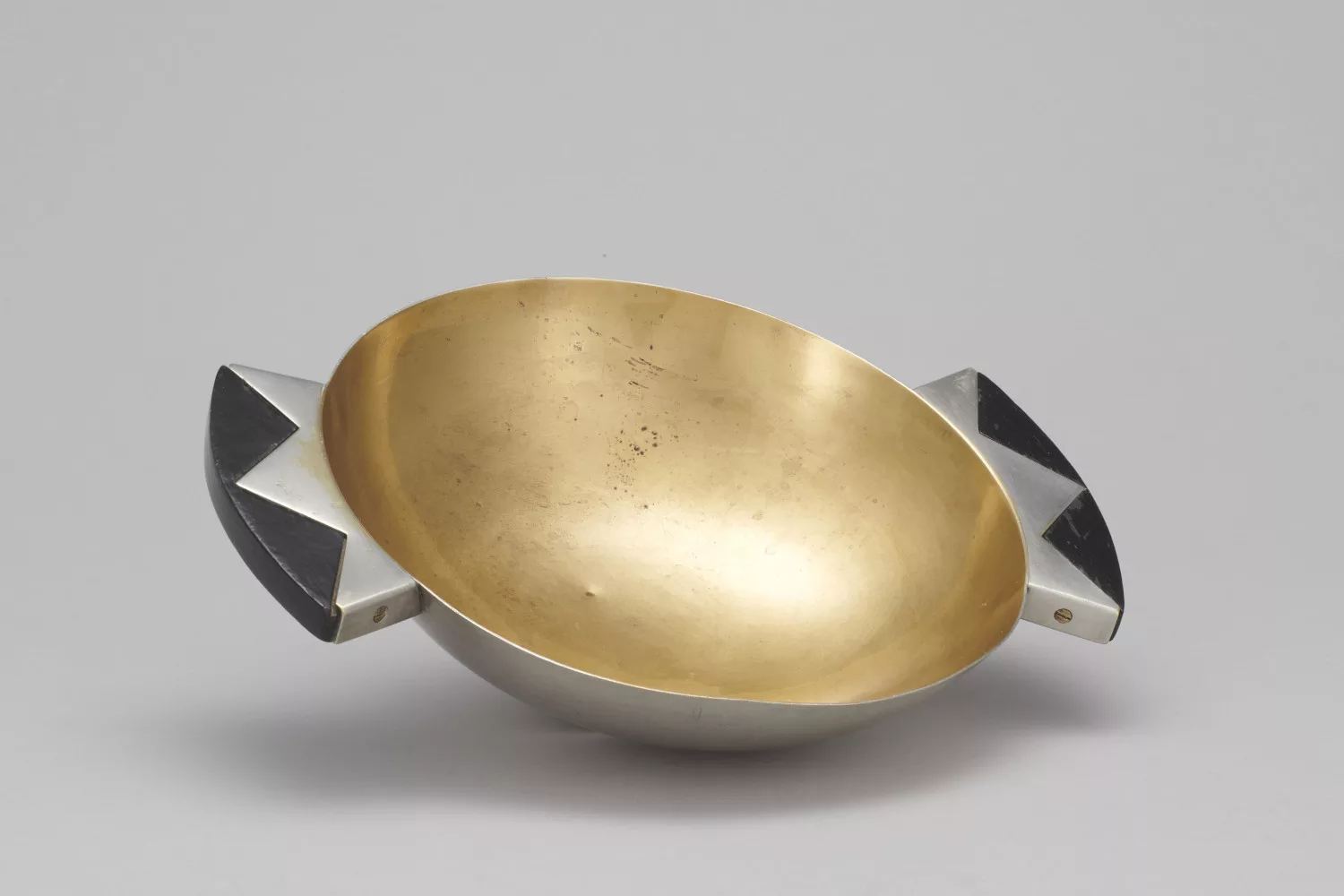
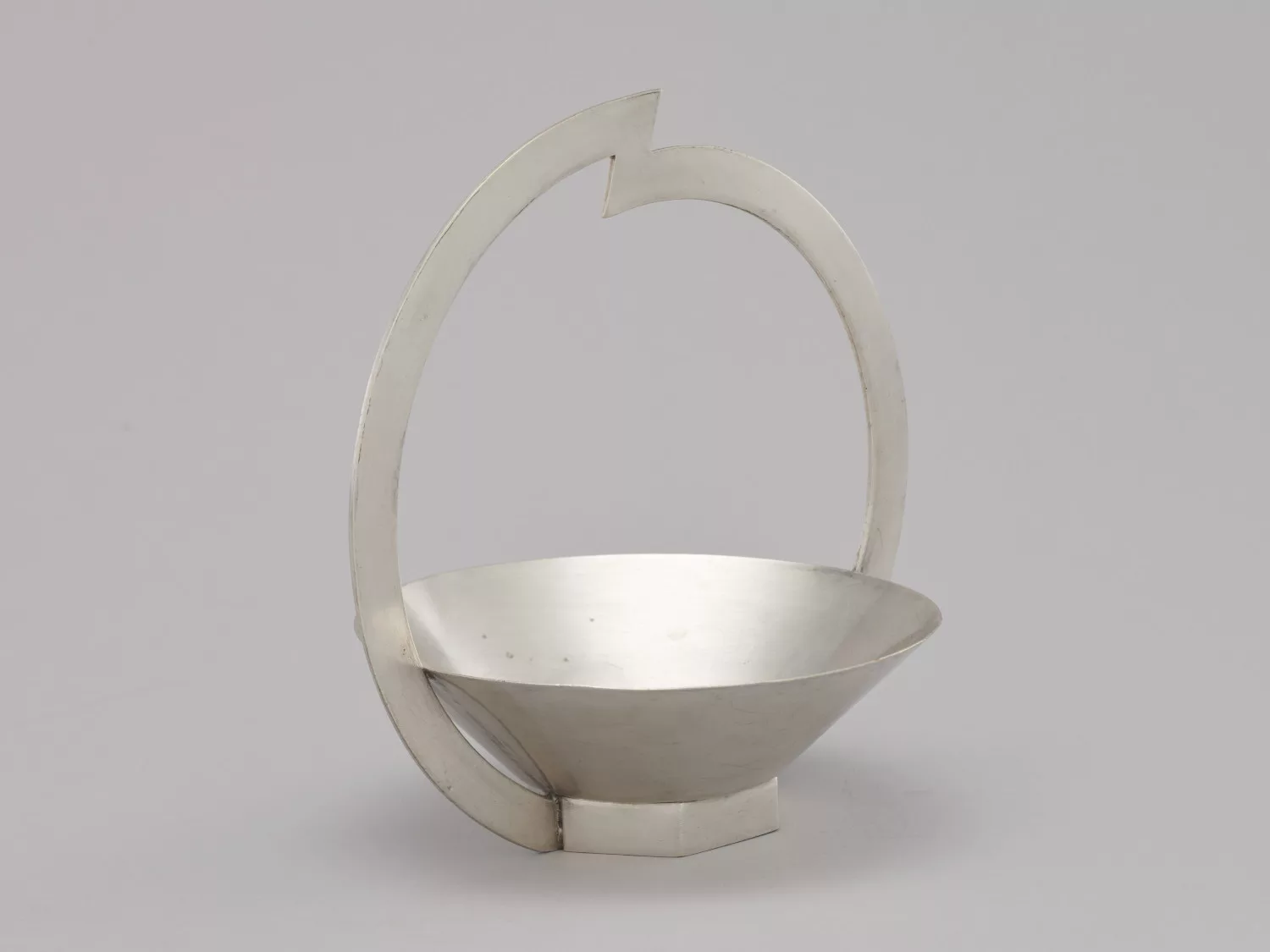
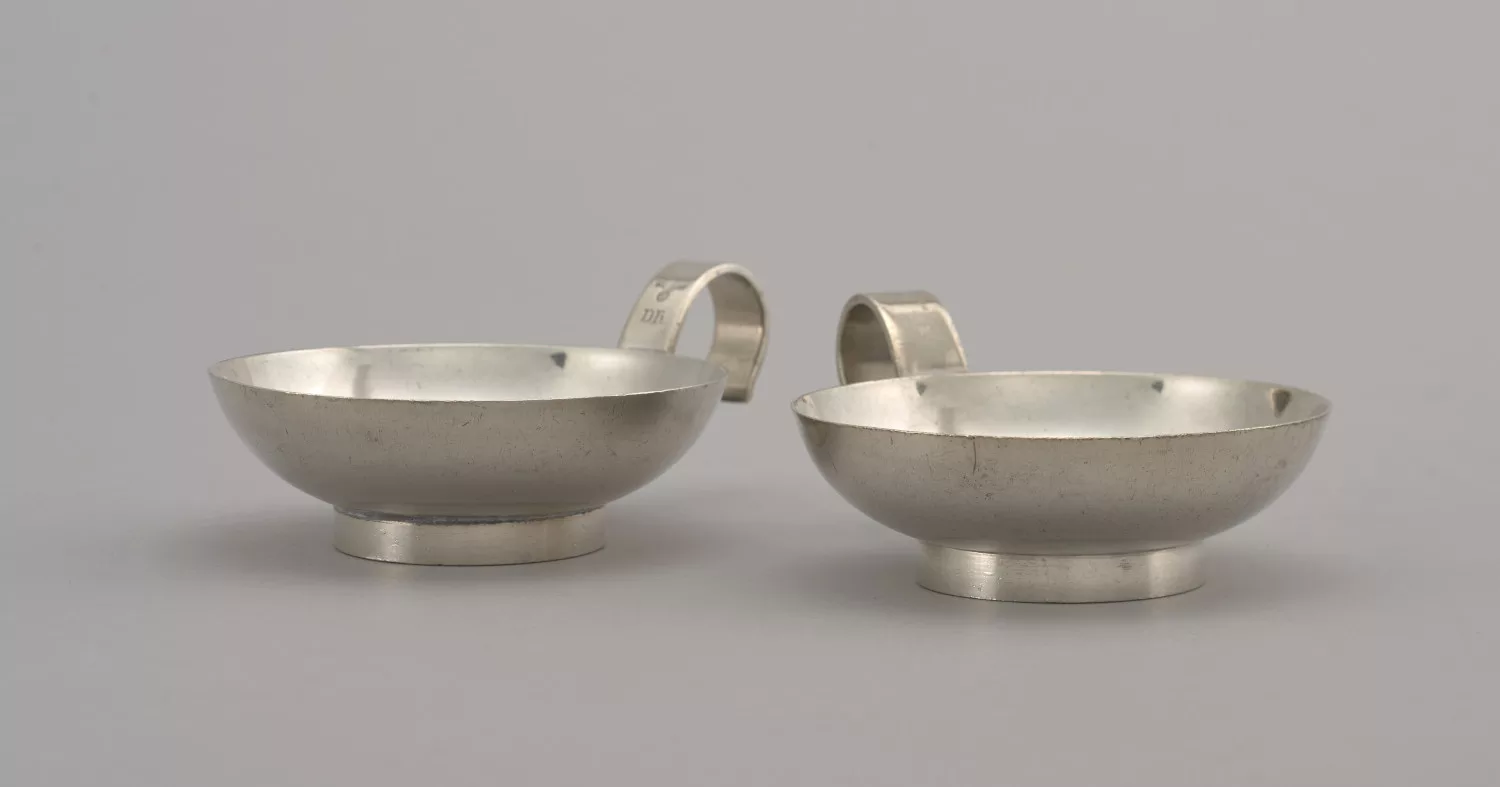
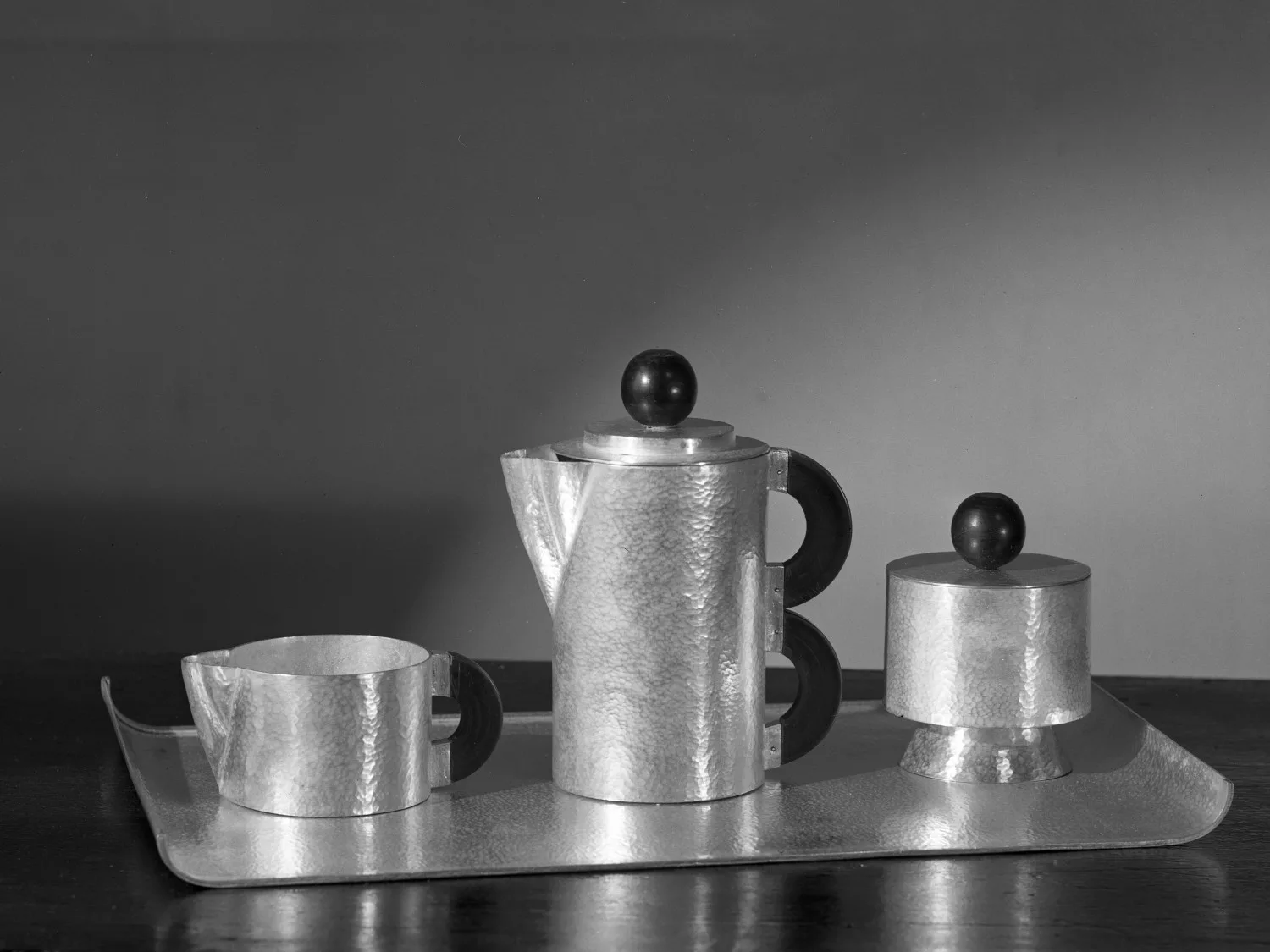
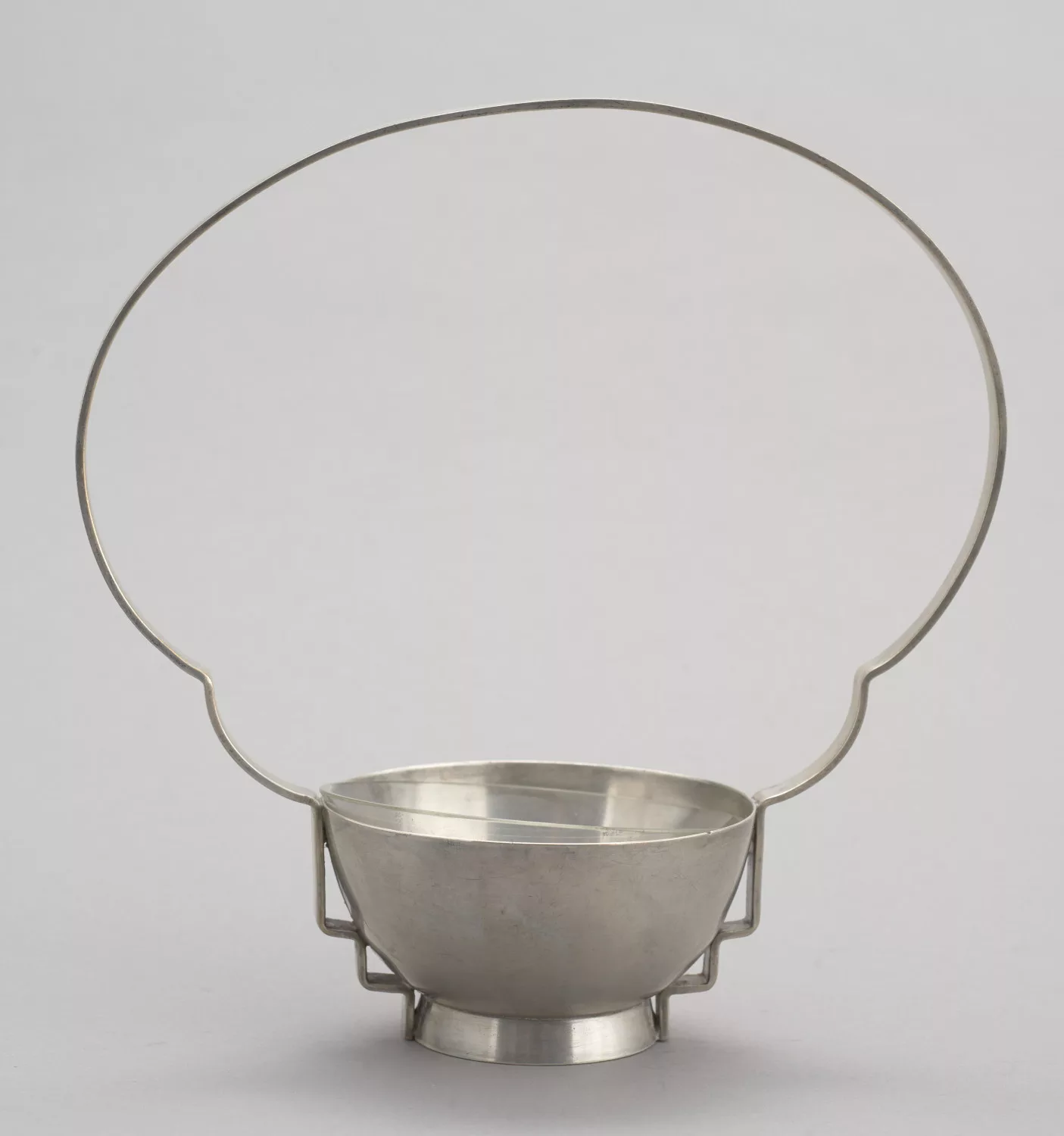
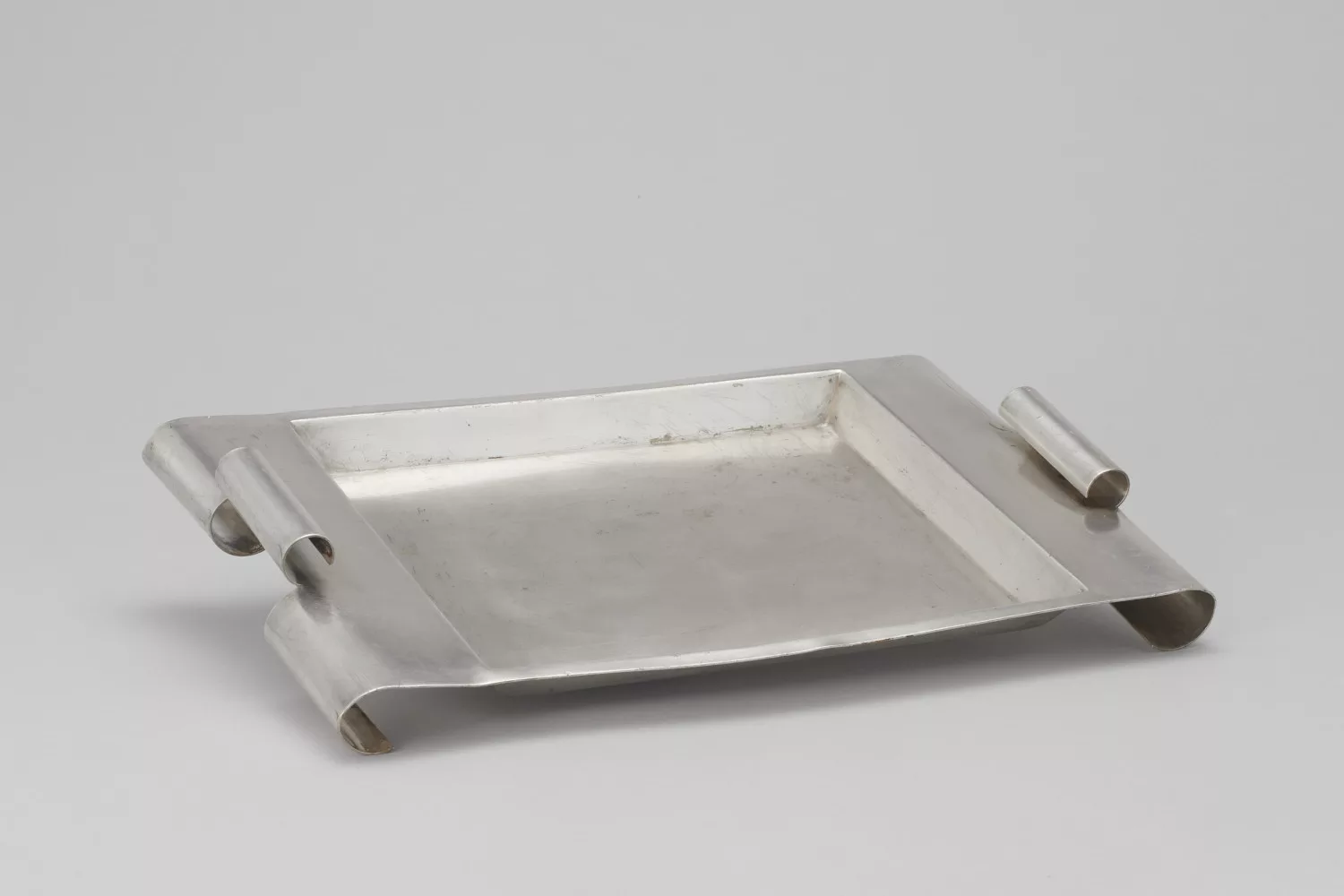
Julia Keilowa’s metalware is amongst the most highly esteemed Art Déco pieces of Polish interwar design. She is recognised for her ability to sublimate everyday objects through the use of geometric forms and her conscious play on the properties of metal.
J. Keilowa was born into an assimilated Jewish family that moved to Lviv when she and her sister Celina were children. In 1920 J. Keilowa began studying at the Faculty of Philosophy of the Jan Kazimierz University in Lviv, but left a year later to enrol at the Industrial School in Lviv where she studied figurative sculpture, woodcarving and stone carving for one year. In 1922 she married lawyer Ignacy Keil and gave birth to her son Marceli. They relocated to Warsaw, where J. Keilowa resumed her artistic education at the Warsaw School of Fine Arts (later the Academy of Fine Arts) from 1925 to 1931. She studied sculpture in Professor Tadeusz Breyer’s (1874–1952) studio, as well as artistic metalwork under Professor Karol Stryjeński (1837–1932) – one of the founders of the acclaimed Ład Artists’ Cooperative.
J. Keilowa was part of the Forma Sculpture Cooperative, founded in 1929 by professors and students of the School of Fine Arts, which undertook projects and commissions ranging from monumental sculpture to everyday objects, striving to develop a distinctive national Polish style within the visual arts, as well as a member of the Sculptors’ Trade Union from 1931 and the ‘Blok’ Association of Professional Visual Artists from 1934.
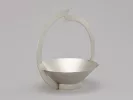
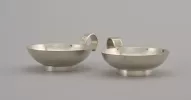
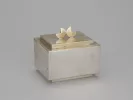
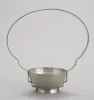
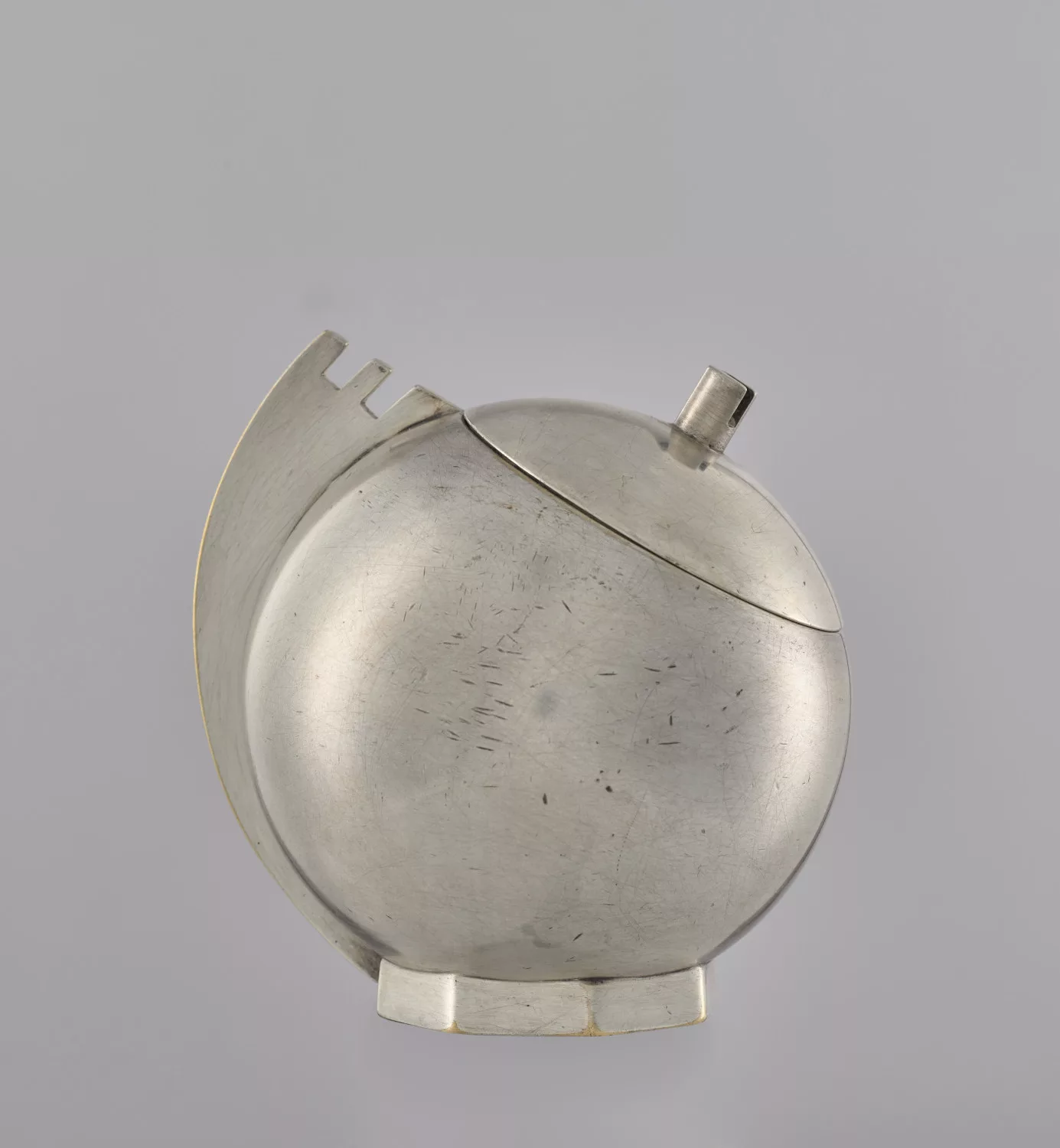
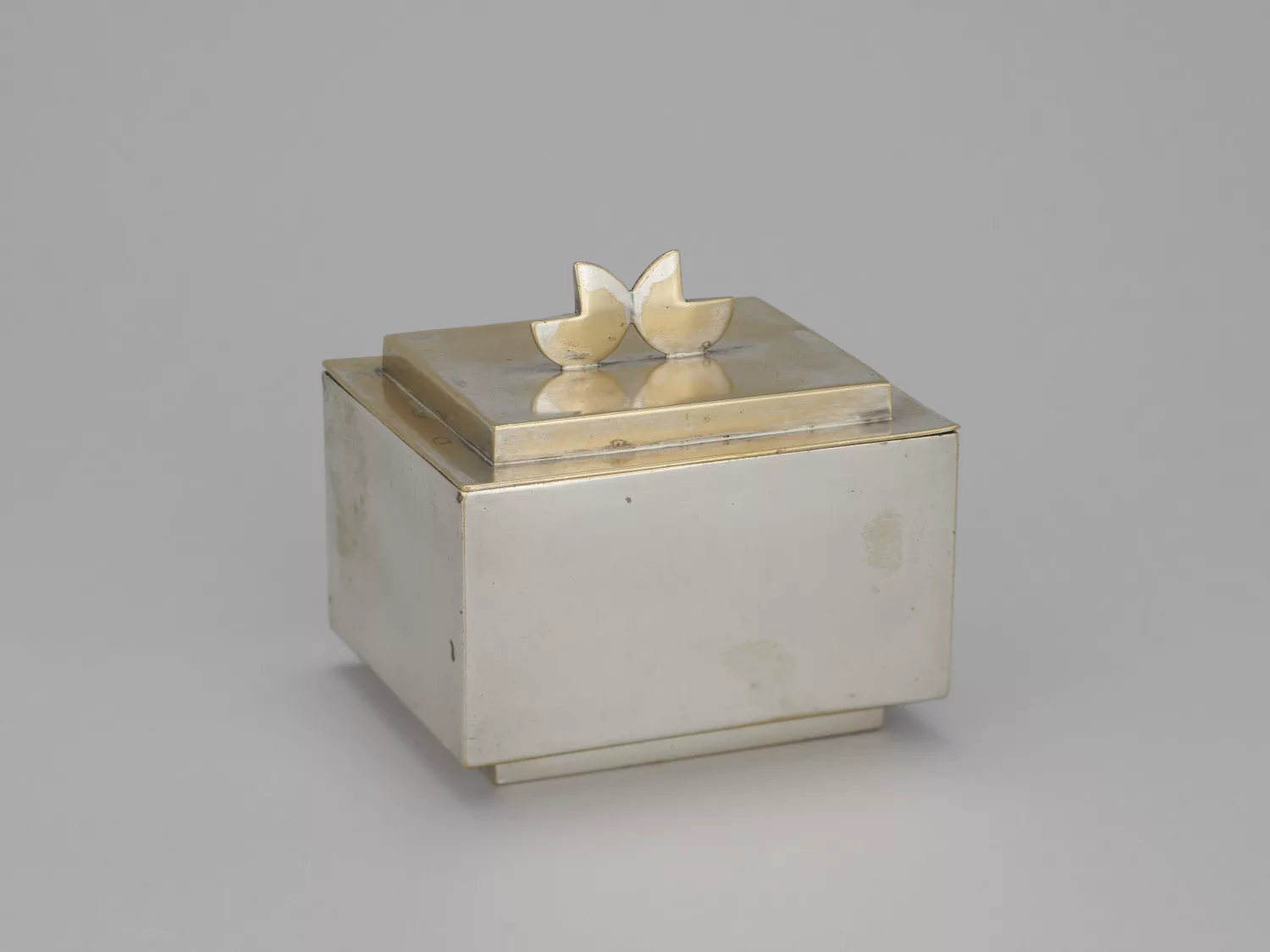
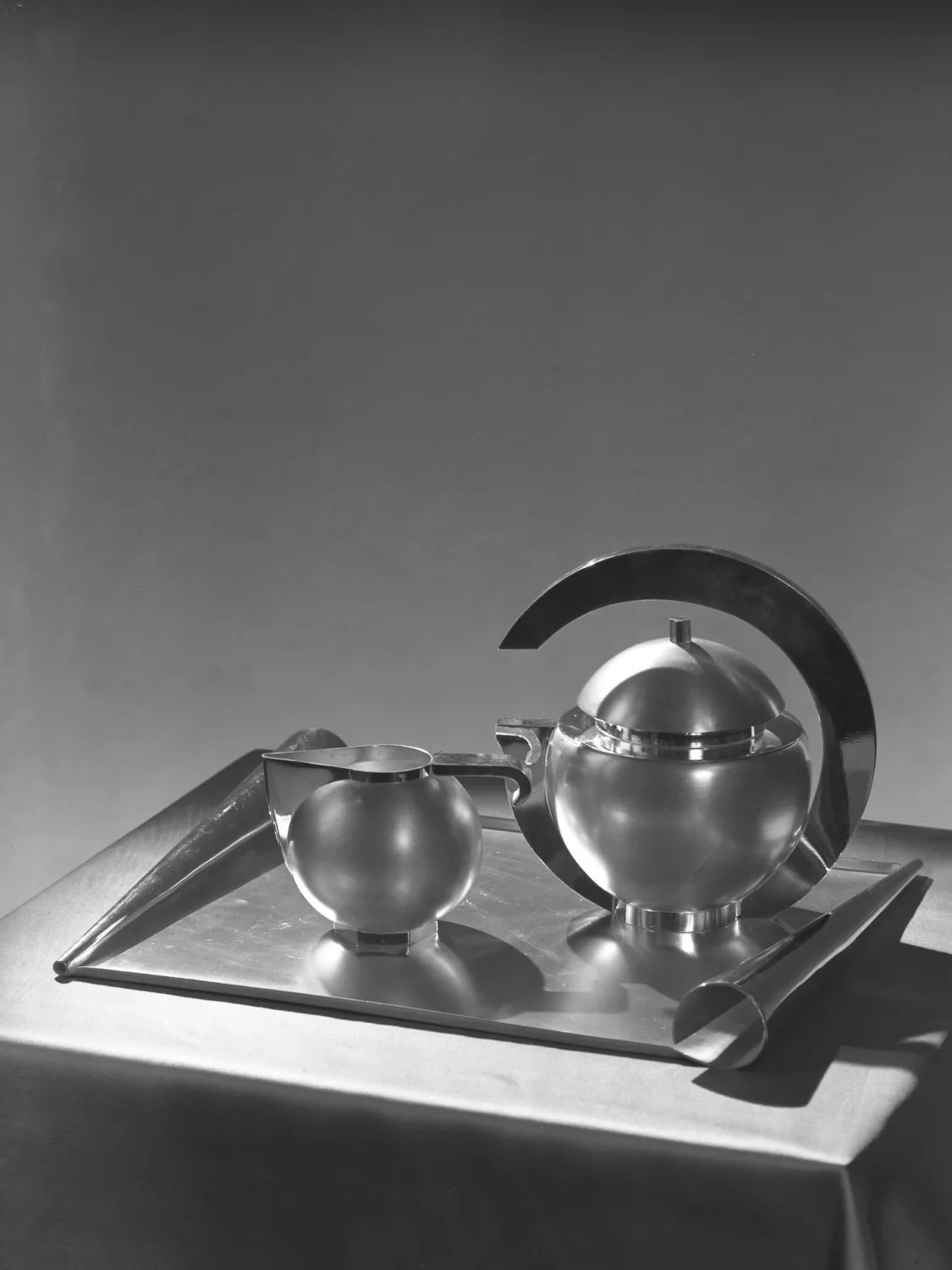
J. Keilowa’s designs are characterised by an elegant simplicity, often incorporating openwork sections and juxtaposing positive–negative forms, which showcase the artist’s strong sense of form. What further distinguishes her pieces is a use of round shapes, often contrasted by a rigorous geometry – as in her “Royal Apple” Sugar Box (1933) – as well as her conscious use of light in shaping metal surfaces.
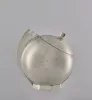
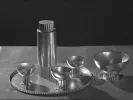
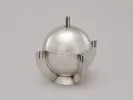
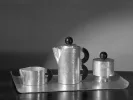
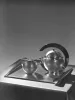
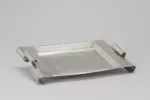
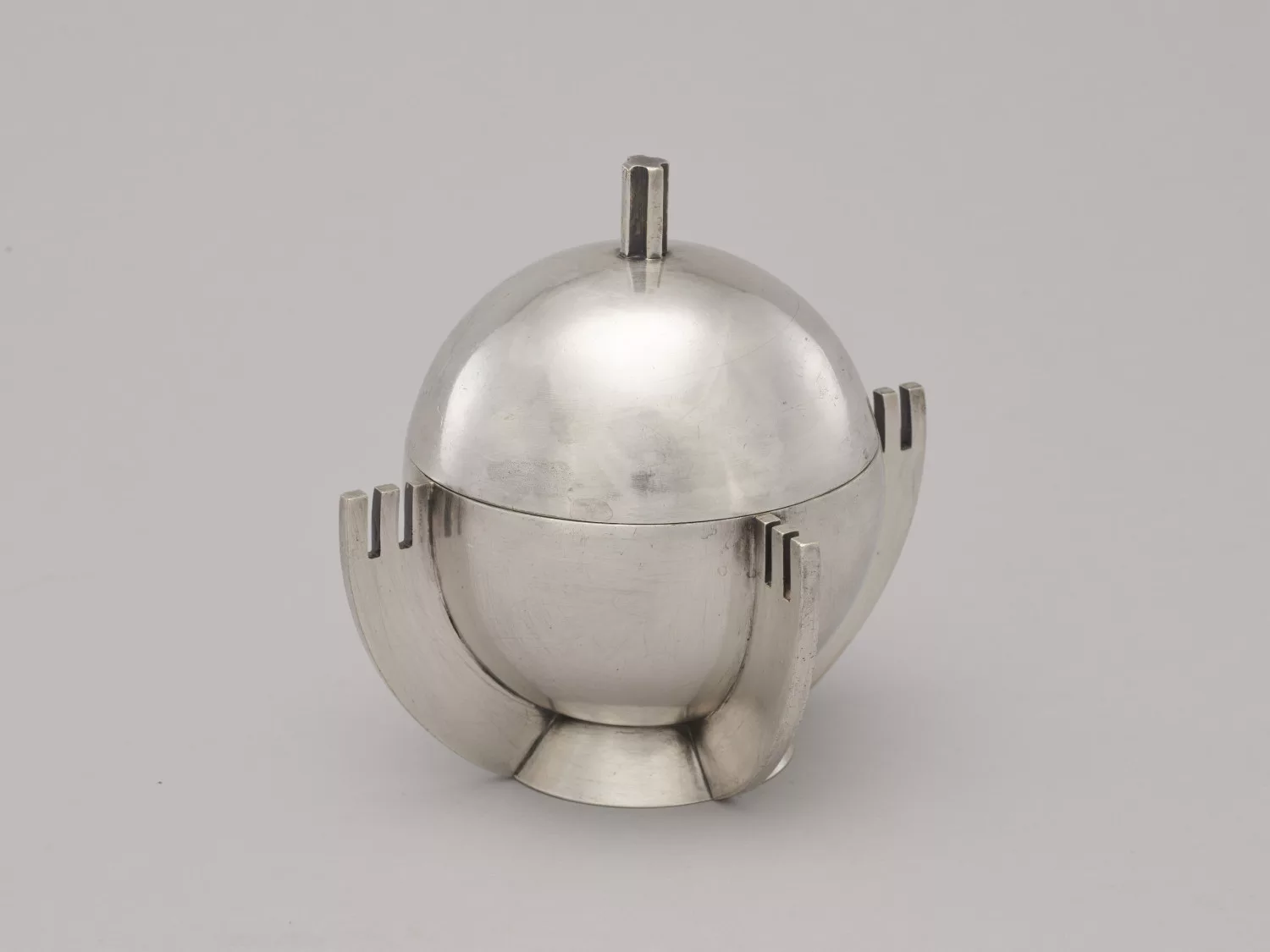
Between 1932 and 1939 she collaborated with silver-plate factories. For the Norblin Brothers she created the silver-plated, sculptural“Sphere” Sugar Box (1935). Her designs for the Fraget company included the luxurious tableware set for the transatlantic MS Piłsudski and MS Batory liners (1935–1939).
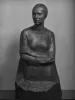
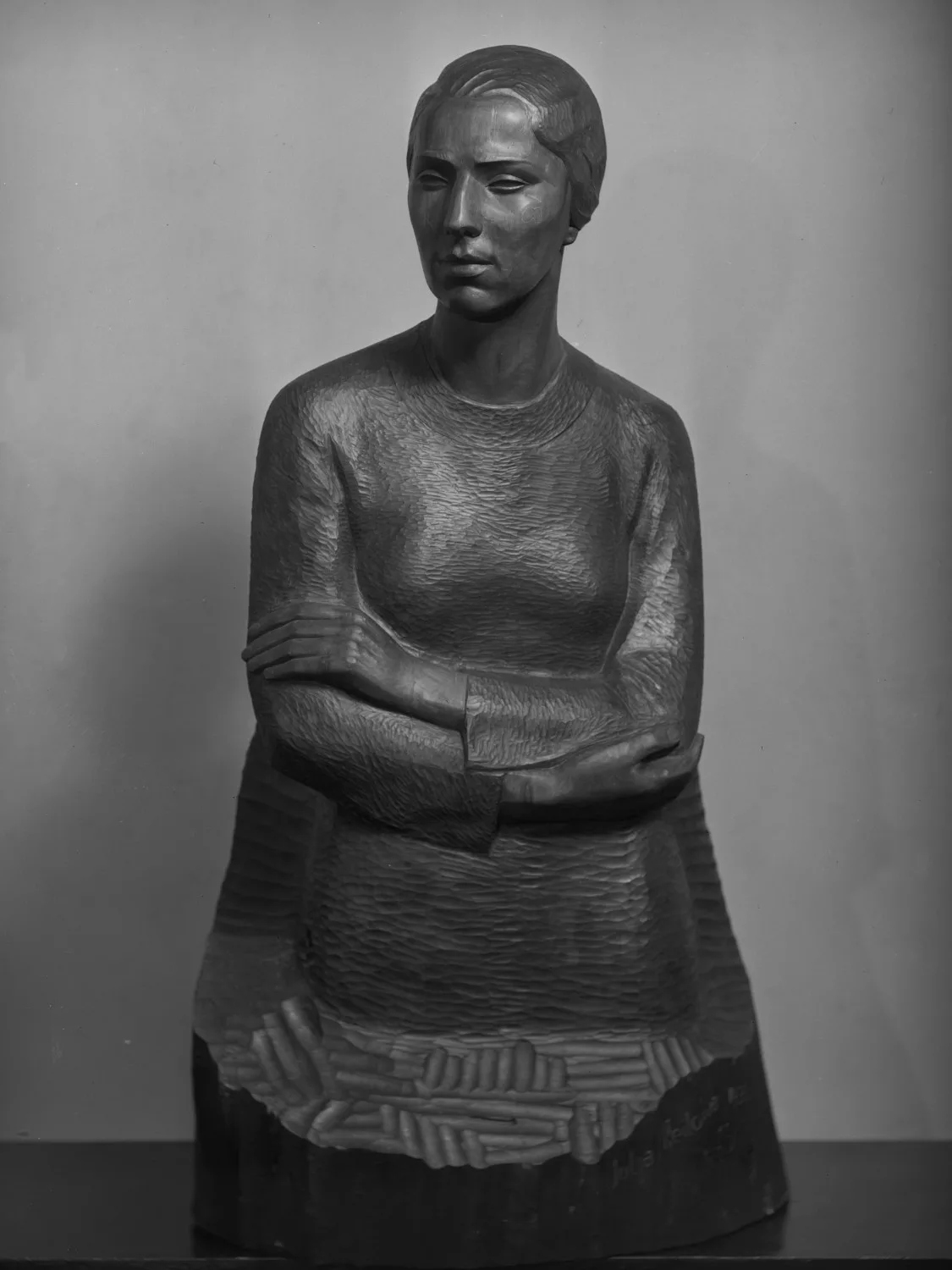
In the 1930s J. Keilowa exhibited at numerous group exhibitions, most of which took place at the Institute of Art Propaganda (IPS) in Warsaw. In 1935 she received an IPS committee award for her wooden sculpture Nina (ca. 1935). The work was later shown at the Paris International Exposition of Art and Technology in Modern Life (1937). During the exhibition, J. Keilowa was awarded two gold medals for her designs for the Fraget company.
The only solo exhibition during the artist’s lifetime took place at the IPS in 1938 and showcased about 130 metalworks, as well as two sculptures, and garnered favourable opinions from art critics. After the outbreak of Second World War, she escaped to Lviv, where she ran a pottery workshop. In 1941 she returned to Warsaw, where she was arrested by the Gestapo and murdered in 1942 or 1943. Consistently valued by experts and collectors of Polish design, there has been a renewed interest in her work since her major retrospective held at the Museum of Warsaw in 2024.
A notice produced as part of the TEAM international academic network: Teaching, E-learning, Agency and Mentoring
© Archives of Women Artists, Research and Exhibitions, 2026