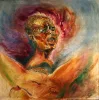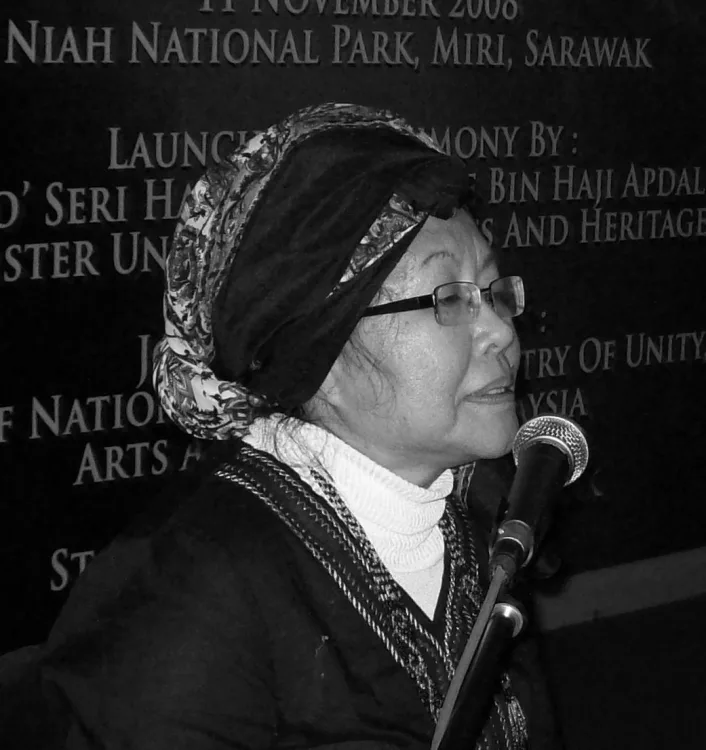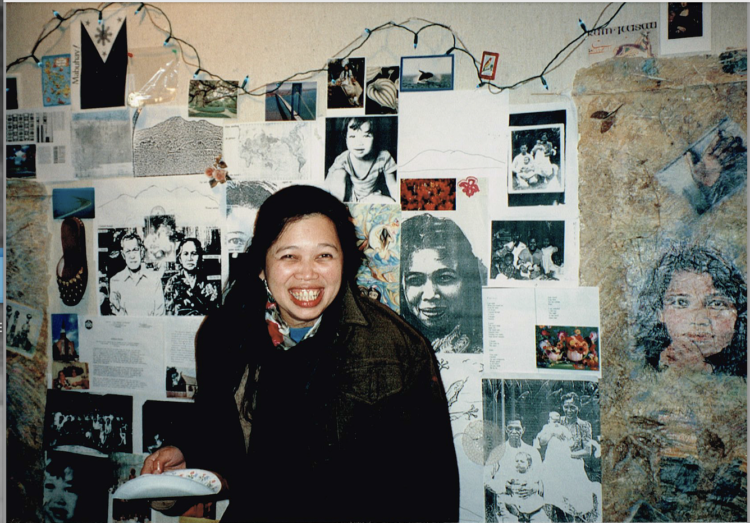
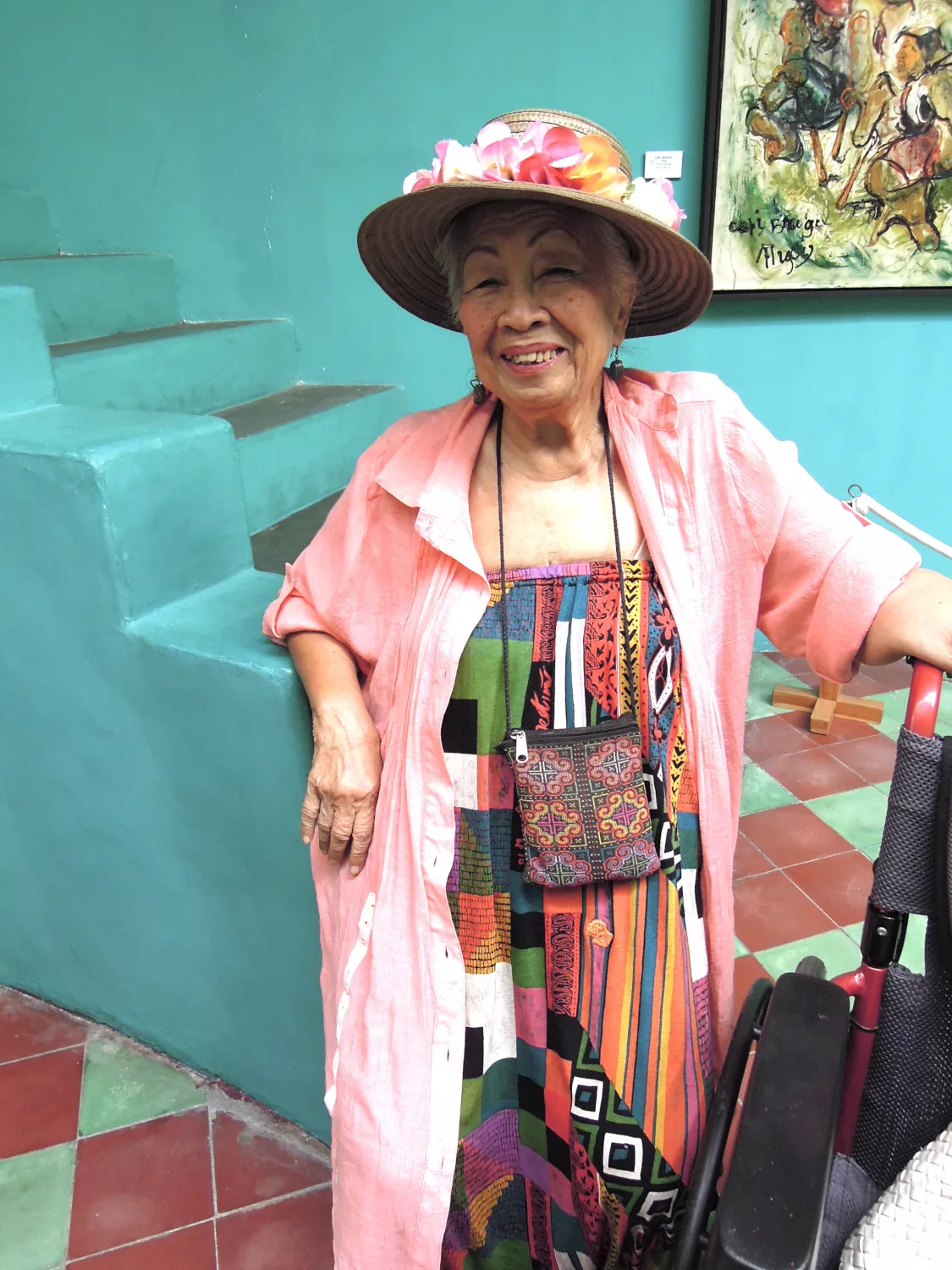
Portrait of Kartika Affandi by Astri Wright, 2013
Agerbeek, Barney (ed.), Kartika: For the Love of Life, LM Publishers, Edam, 2024
→Wright, Astri, “Kartika Affandi: Remarkable, Irrepressible Mistress of Paint,” in Agerbeek, Barney (ed.), Kartika: For the Love of Life, LM Publishers, Edam, 2024, p. 7–9
→Basile, Christopher, Kartika: 9 Ways of Seeing, 2018, 62 min.
Banyan: The Shelter of Life, Garrya Bianti, Yogyakarta, 10 December, 2024–10 January, 2025
→Kartika: Looking Back to Life, National Gallery of Indonesia, Jakarta, 2004
→First Solo Exhibition, Indonesian-American Foundation, Jakarta, 1969
Indonesian painter.
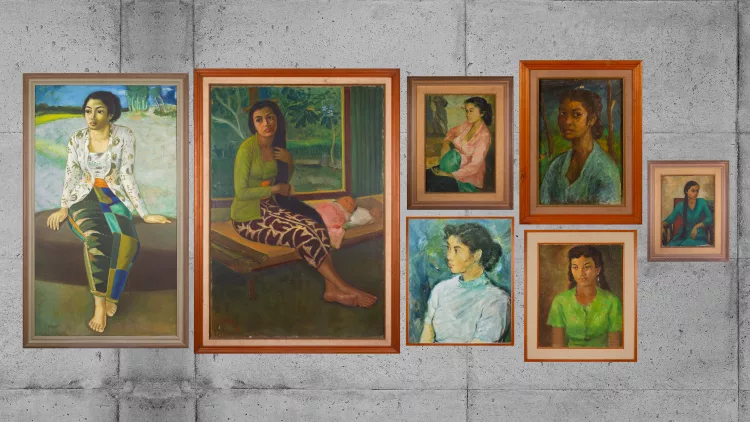
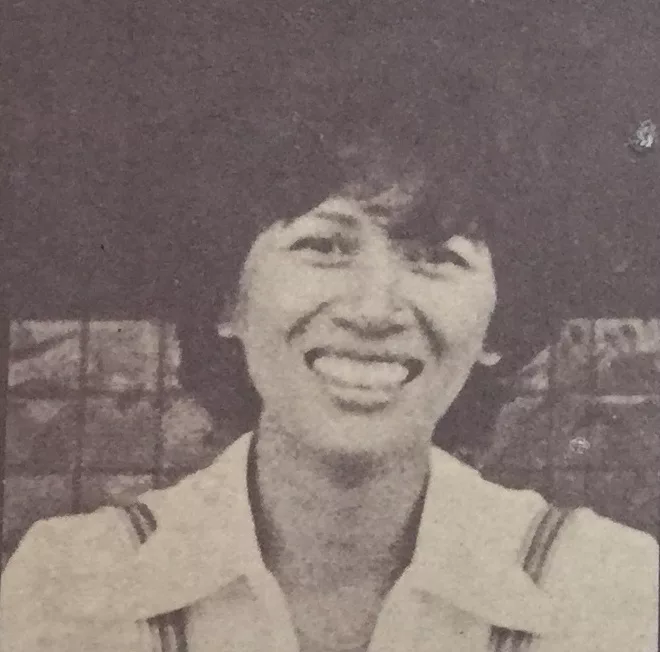
Kartika Affandi, widely known as Kartika, was born into Indonesia’s first modernist ‘star’ family of artists. She emerged in the 1960s, as a leading woman painter, working in a figurative-expressionistic style.
She was amongst the first Indonesian artists to grow up immersed in modern art’s materials, smells, textures, experiments, conversations and international travels. Her father, Affandi (1907–1990), was both her earliest and most influential teacher. Like him, her formal training was scattered across many places: Tagore’s Kala Bhavana art school at Shantiniketan, India (1950); a summer-school programme in London (1952); and, fifteen years later, in what became the Frans Masereel Centrum, in Kasterlee, Belgium. Above all, Kartika learned through practice. Like her father, she eventually abandoned brushes, to apply paint directly from the tube with her fingers, using her hands as her palette.
In 1967, she undertook curatorial training at the Corcoran Gallery, Washington, DC, and in 1980 a Masterclass in Conservation Technology at the Academy of Fine Arts, Vienna. She continued studying painting conservation in workshops into the 2000s. The responsibility of caring for her father’s substantial collection at the privately built Museum Affandi, alongside her own growing body of work, highlighted the urgency of conservation in Indonesia’s humid tropical climate. This took place in a context where the country lacked adequate modern art spaces: the National Gallery of Indonesia, conceived in 1945, opened only in 1999, while the Museum of Modern Art and Contemporary Art in Nusantara (MACAN), followed as late as 2017.
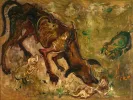
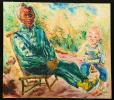
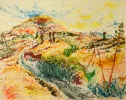
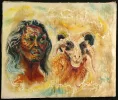
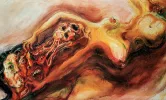
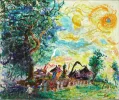
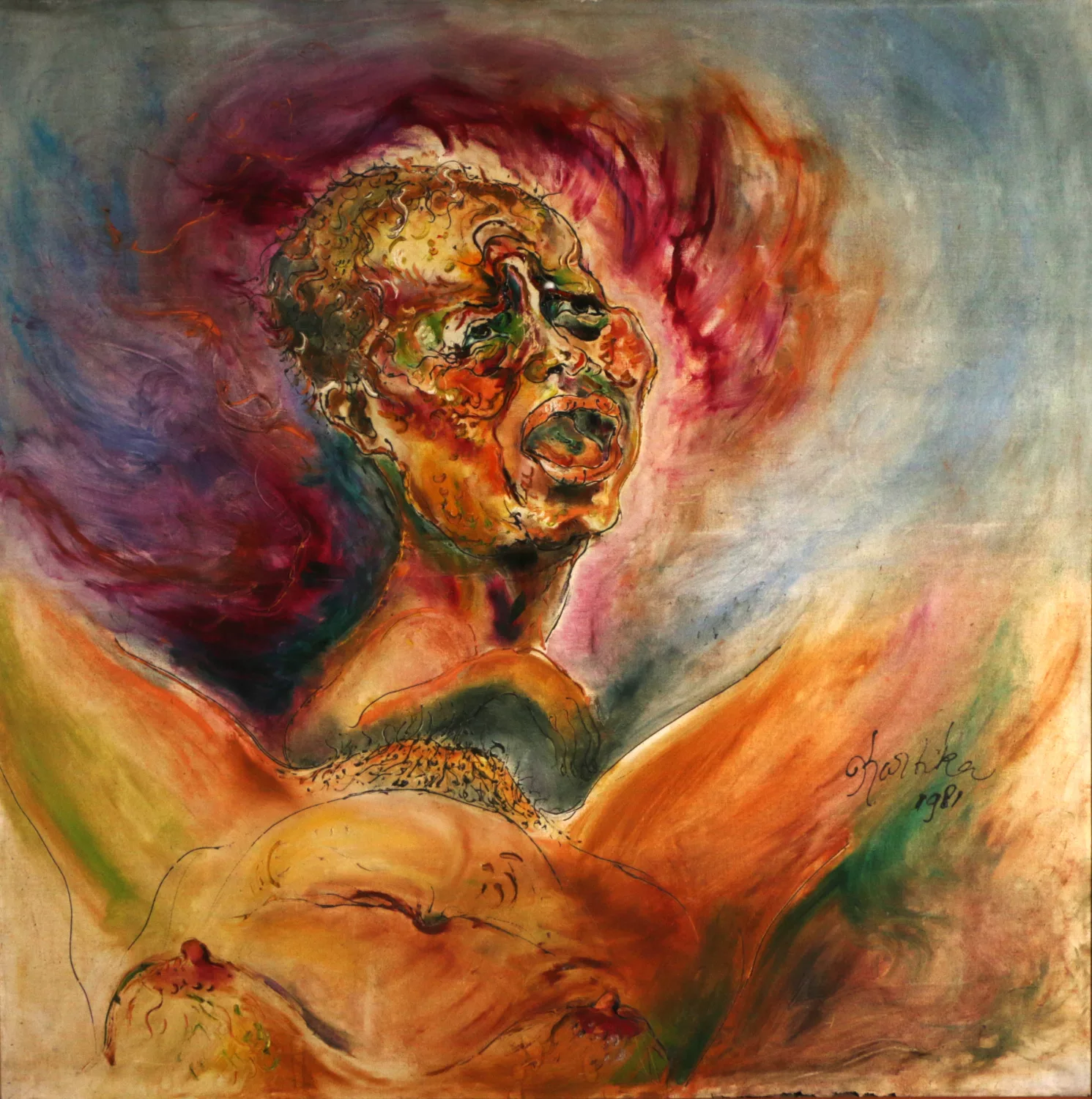
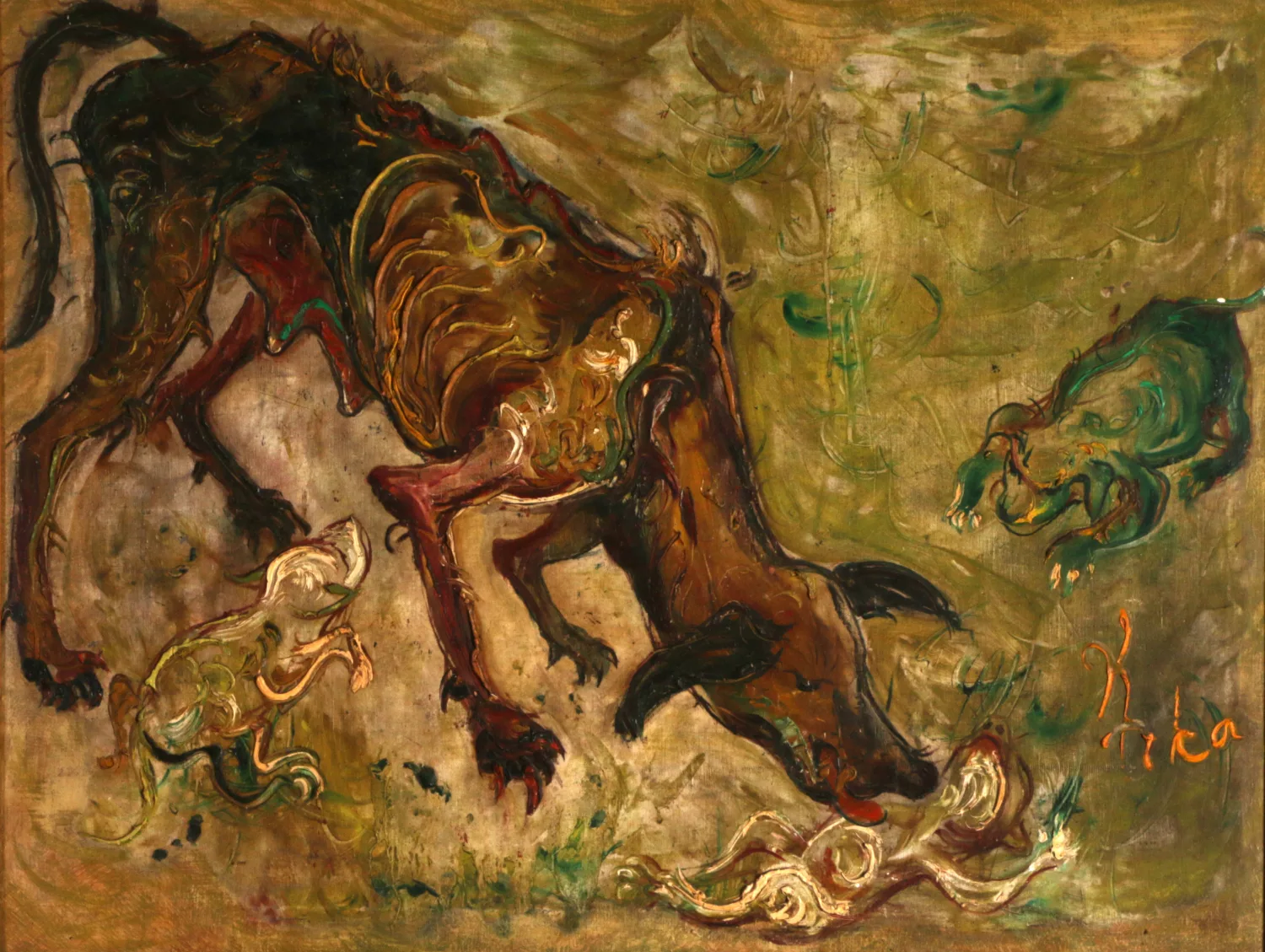
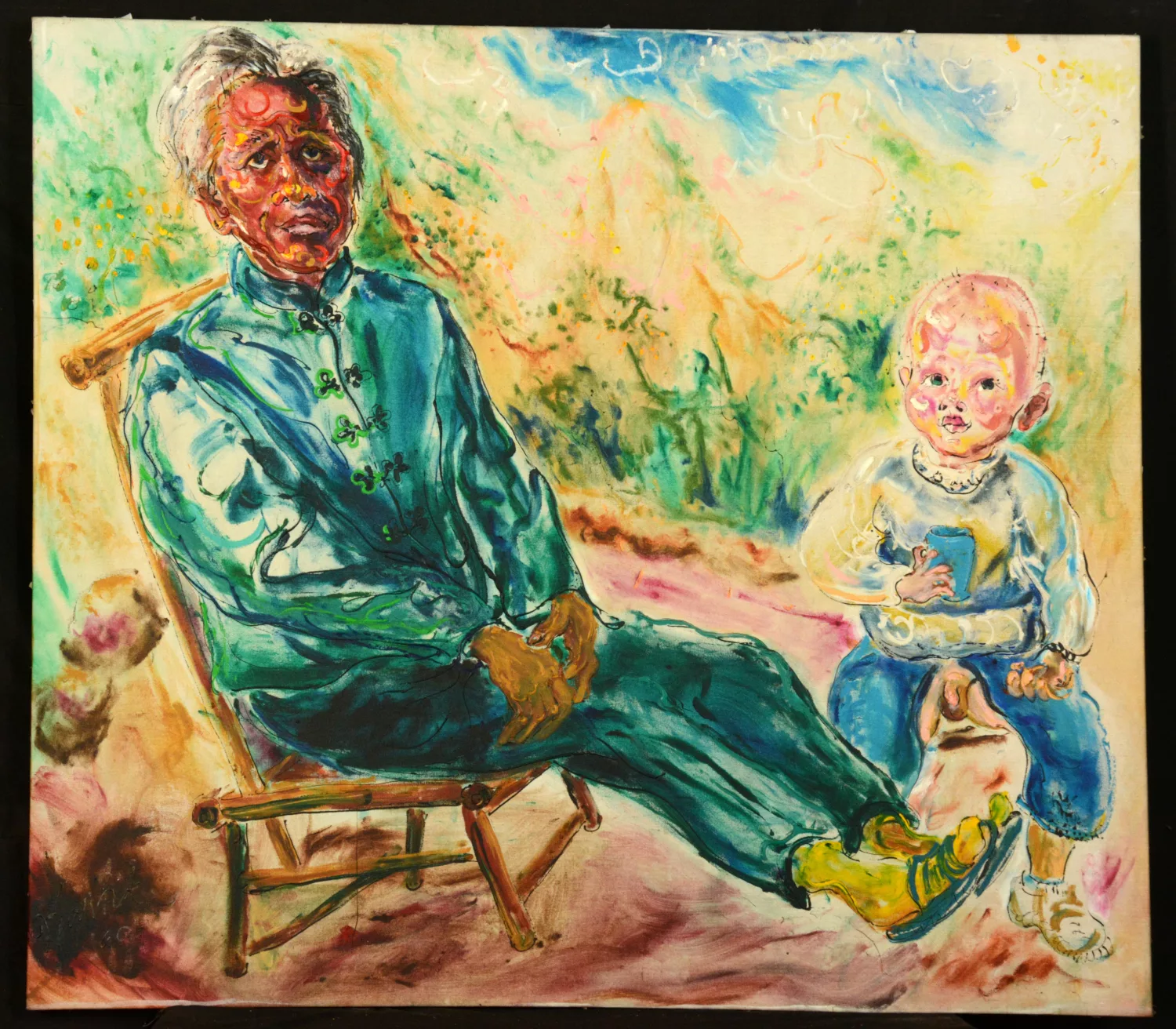
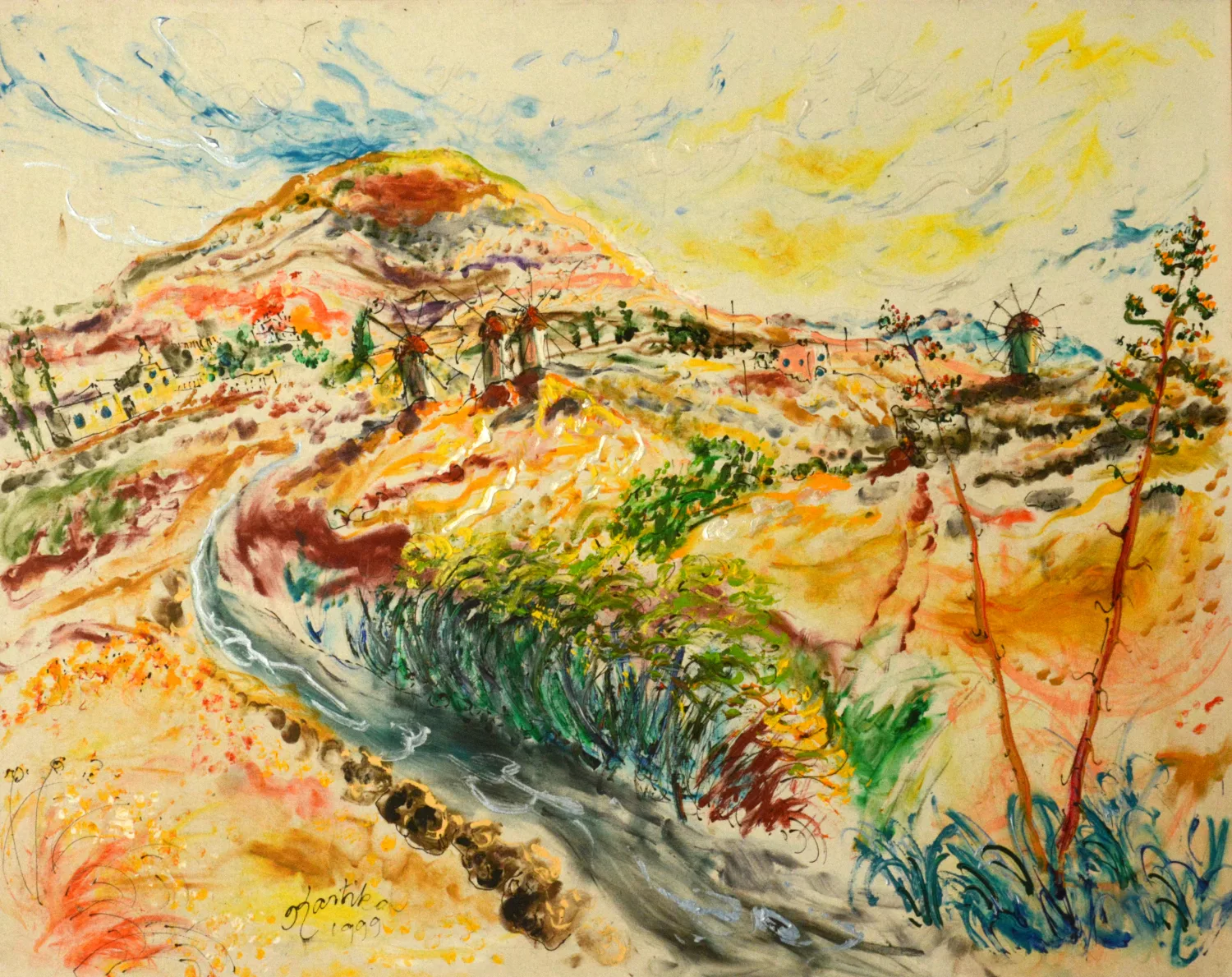
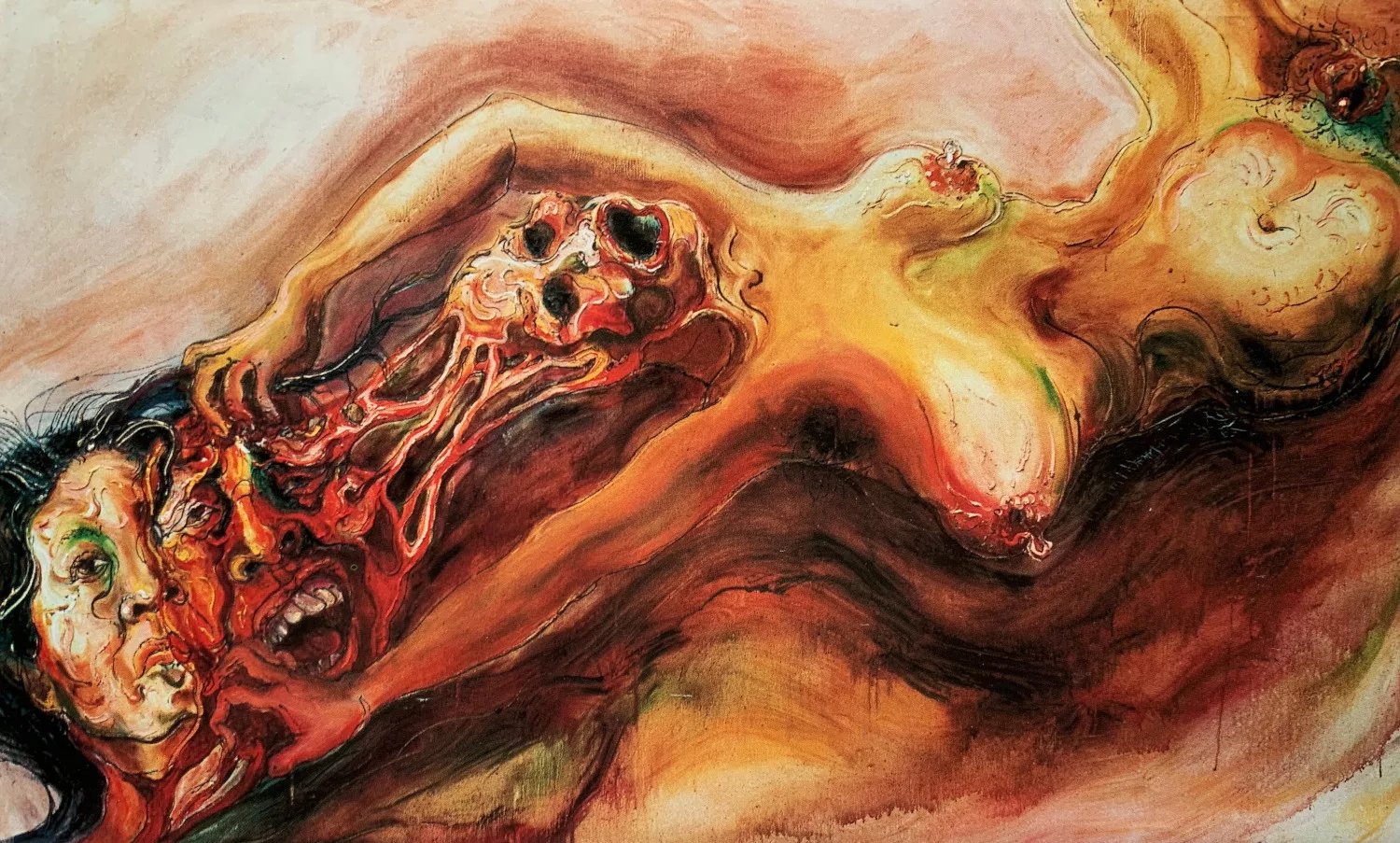
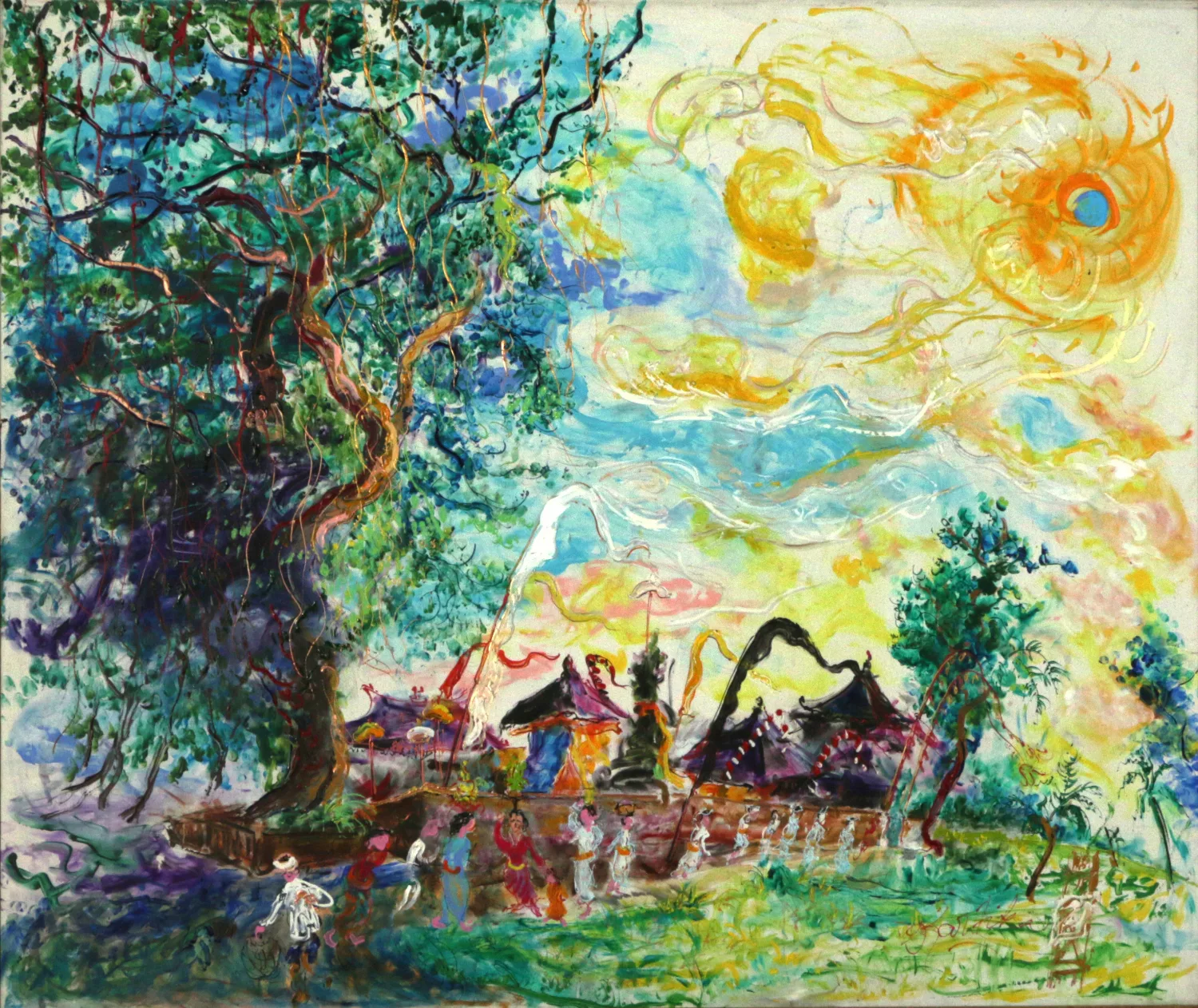
From the early 1980s, Kartika pioneered a series of psychologically expressive self-portraits, exploring women’s suffering in symbolic and graphic ways, such as the 1981 oil paintings The Moment of Beginning and Rebirth. She is most known for her village scenes, colourful fishing boats and mountain landscapes like Landscape-View, Greece (1999). Painting directly on site – whether on beaches, in snow, cities or deserts – she also produced series of family portraits of indigenous people in Australia and Irian Jaya, as well as depictions of animal and human suffering, shifting between humorous (Dog and her Puppies, 1961), and expressive realism (Grandfather and Grandson, 1994).
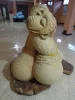
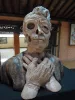
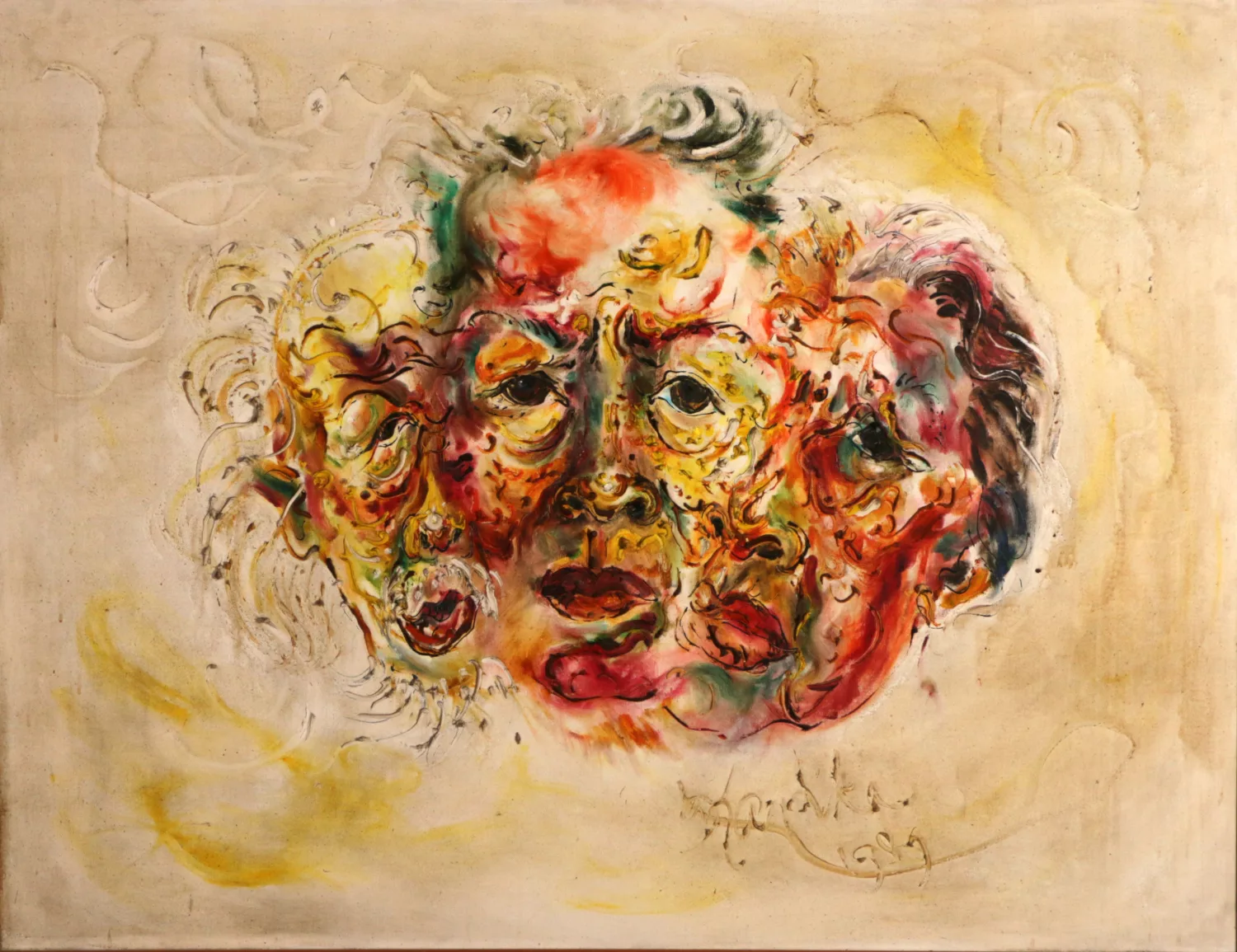
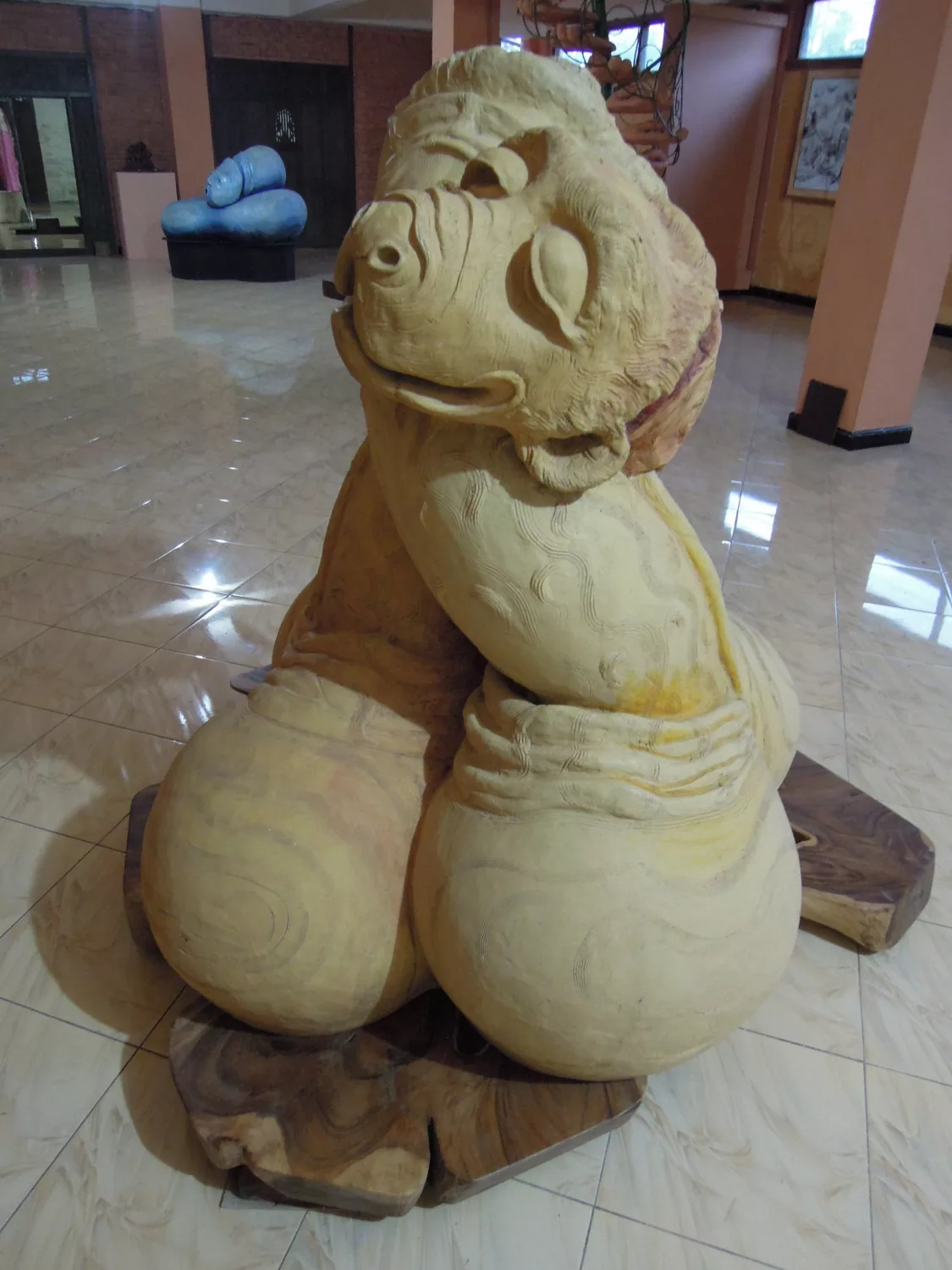
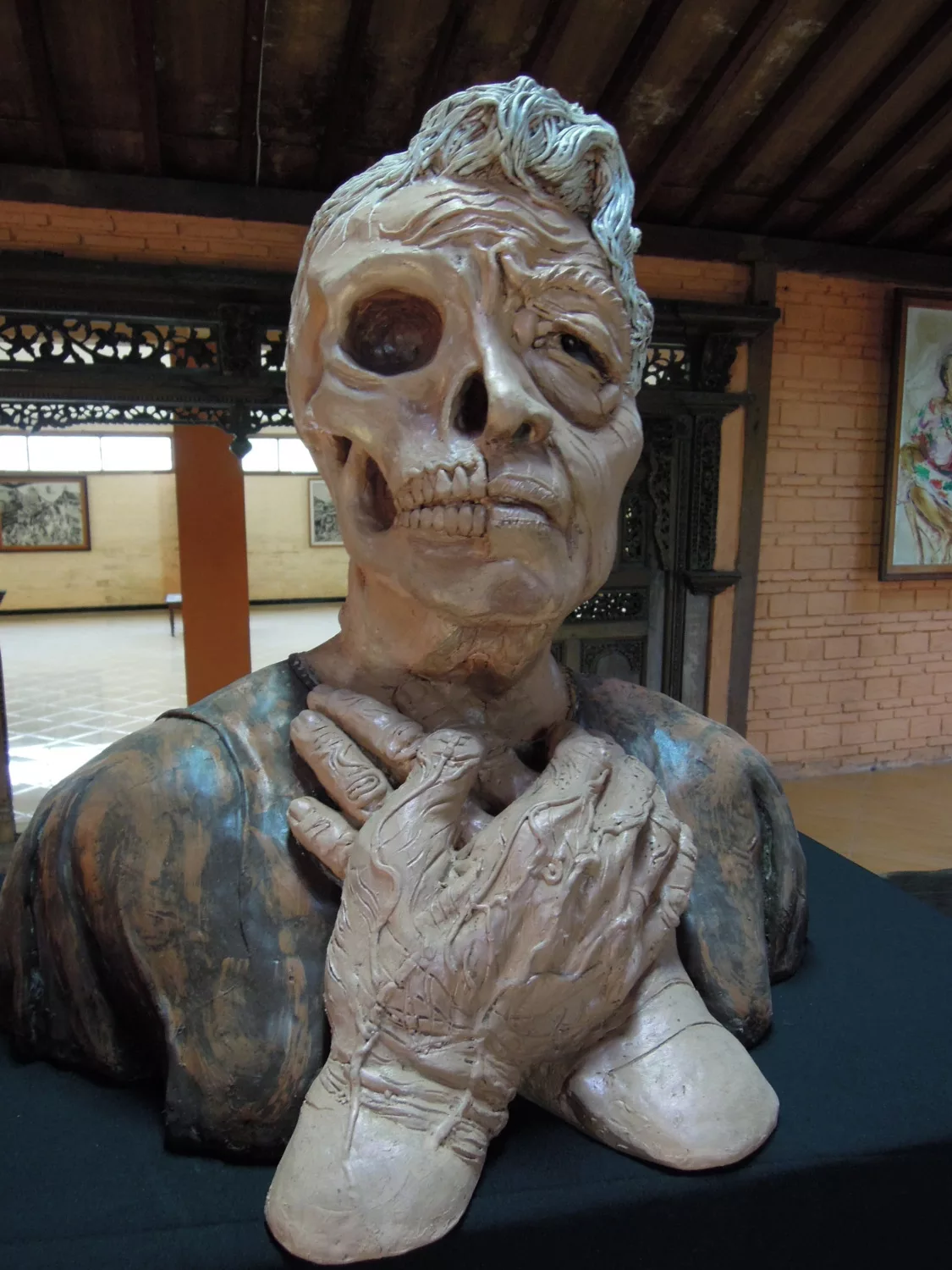
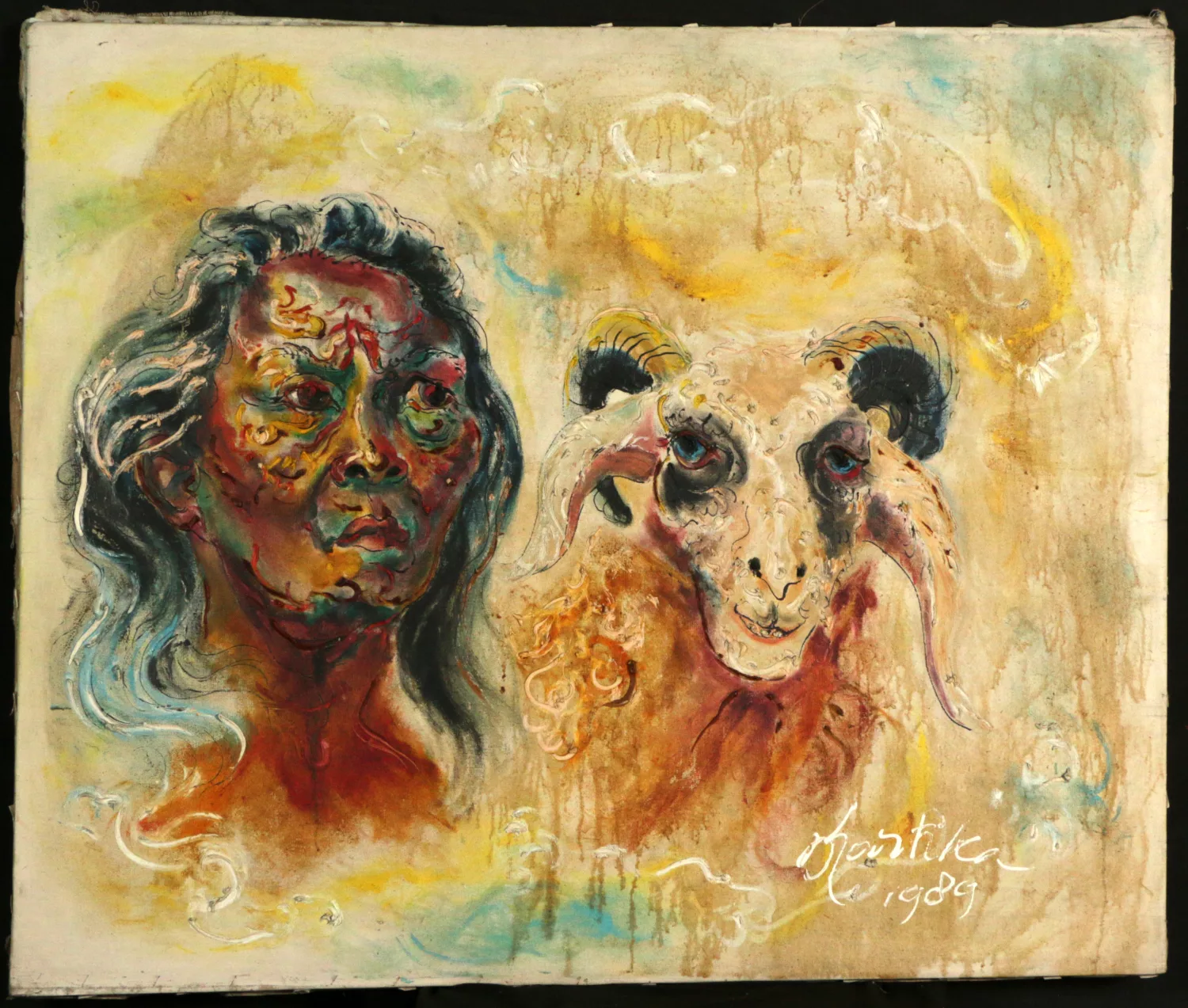
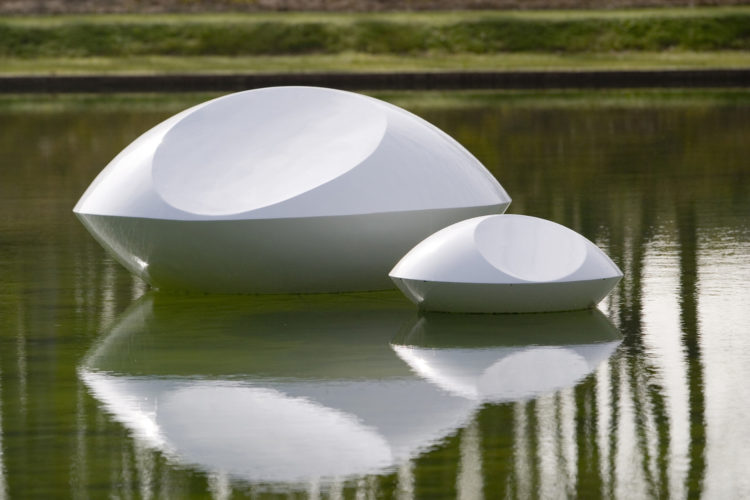
Kartika created sculptural versions of her painting Family Portrait (1989), which celebrate herself and her parents as part of one whole. In the early 2000s, ancestry, sex and death come into sharper focus. She began to explore themes of mortality more deeply, often as self-portraits in sculptural form (I Am Stuck, 2007). She prepared her own future grave outside her Javanese wooden house at the foot of the Merapi volcano. Themes of sexuality emerge in new ways, as in her humorous phallic sculptures gently satirising the masculine (Friendship, 2005).
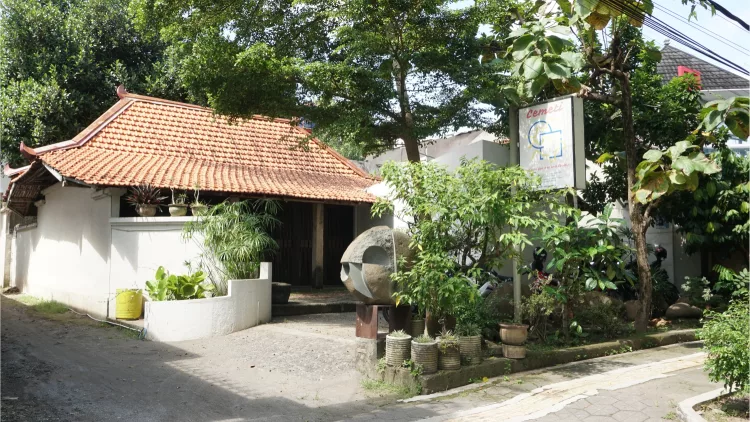
Kartika has exhibited widely in Asia, Australia and Europe, and received numerous national and international awards. A prolific artist across multiple media, she has also been a master interior decorator and landscape architect, and has played a vital role in the conservation of her father’s collection at the Museum Affandi and her own. She has mentored many younger artists through her home gallery and museum for women artists near Mount Merapi. In addition, she is a frequent public speaker, organiser of ‘paint-ins’, fund-raiser for natural disaster relief and tireless cultural ambassador.
A biography produced as part of the programme The Flow of History. Southeast Asian Women Artists, in collaboration with Asia Art Archive
© Archives of Women Artists, Research and Exhibitions, 2026