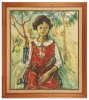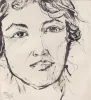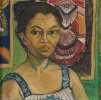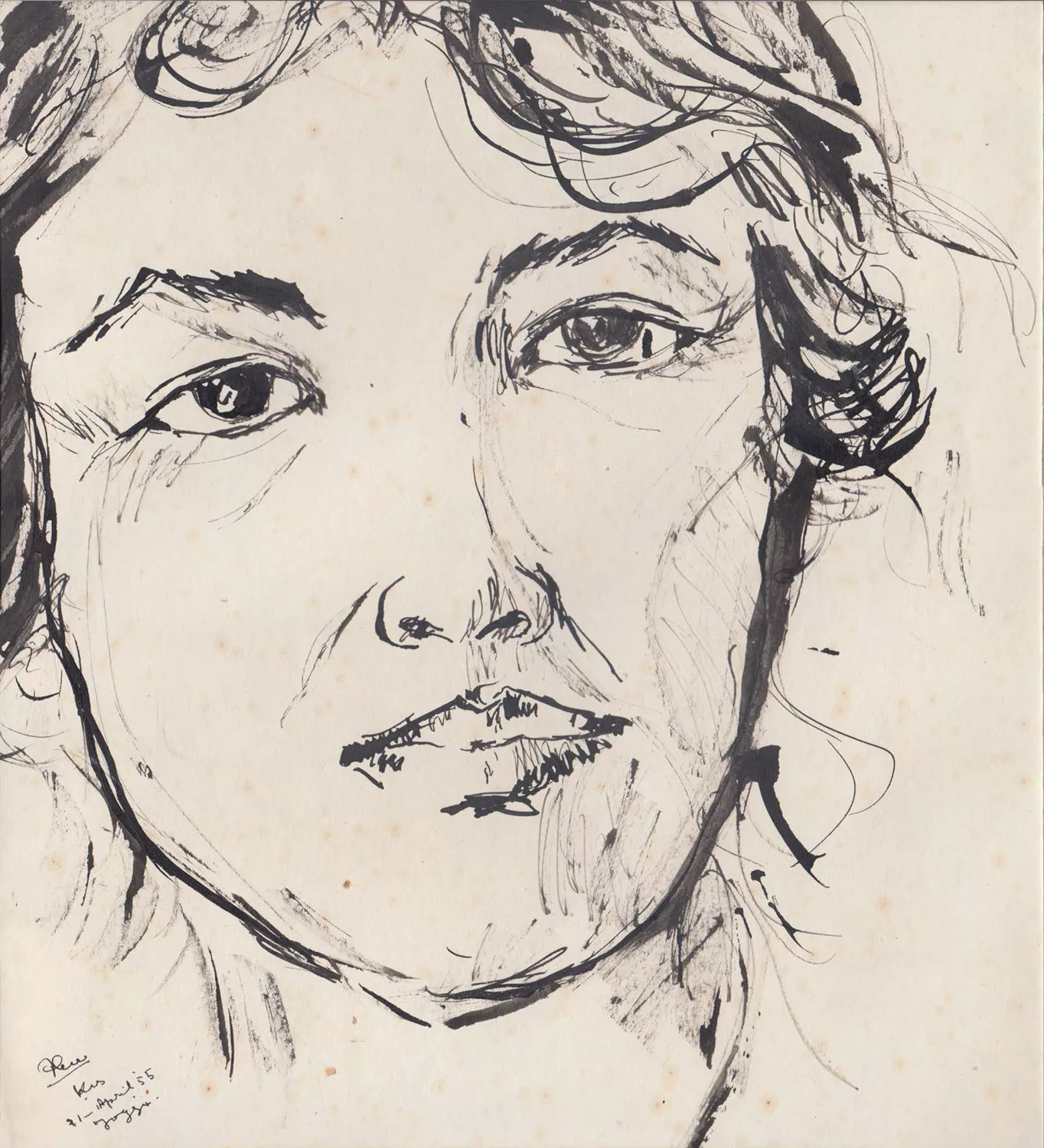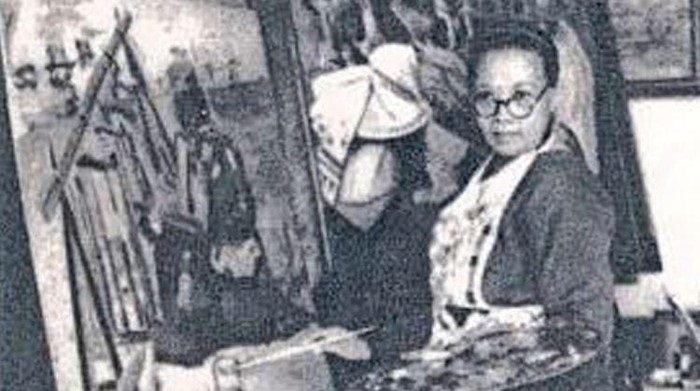
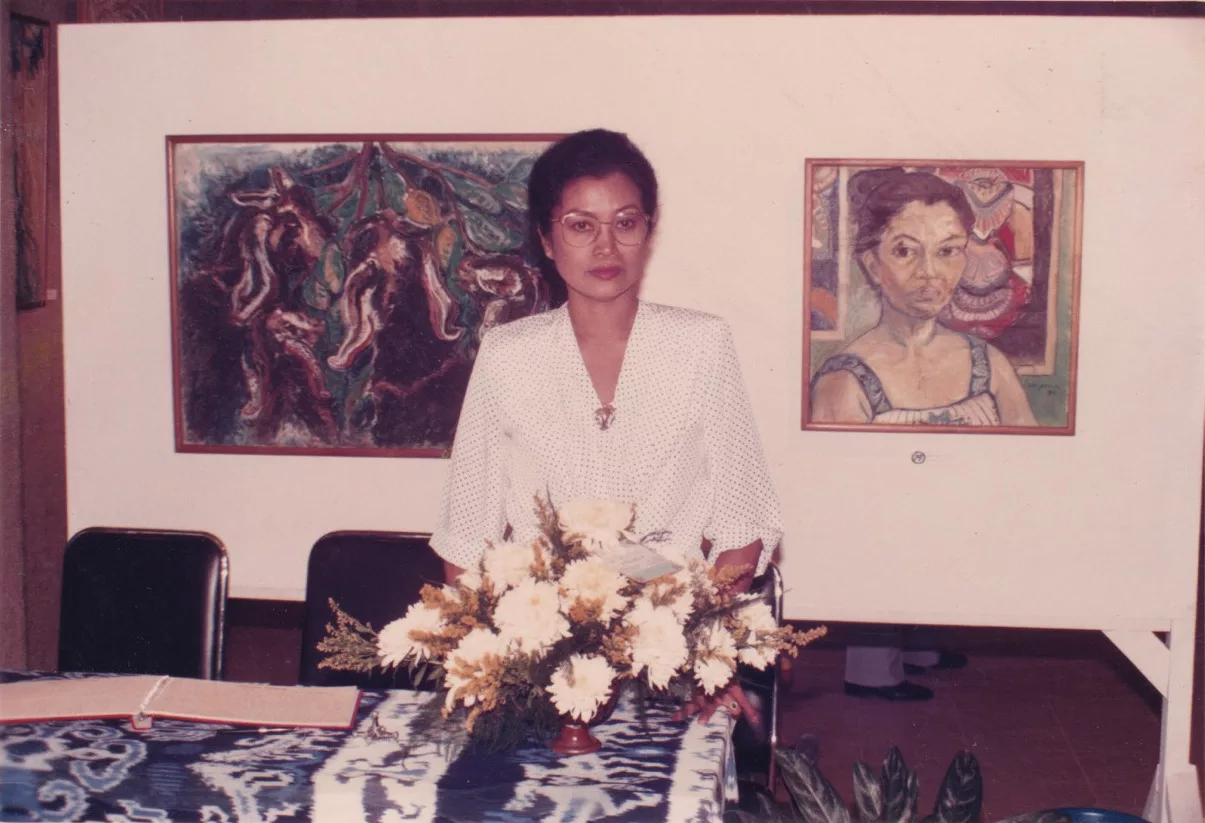
Portrait of Kustiyah in the opening of Group exhibition with Widarusamsi and Oki Nilakencana, Lembaga Indonesia Amerika Auditorium, Jakarta, 1986
Hyphen—, “Unveiling Kustiyah, et al.: In constellation to each other,” in Archives of Women Artists, Research and Exhibitions magazine, accessed 11 November, 2025: https://awarewomenartists.com/en/magazine/kustiyah-et-al-une-constellation-revelee/
→Hyphen—, As if there is no sun, exh. cat., National Gallery of Indonesia, Jakarta (20 October–19 November, 2023), Jakarta, Hyphen—, 2023
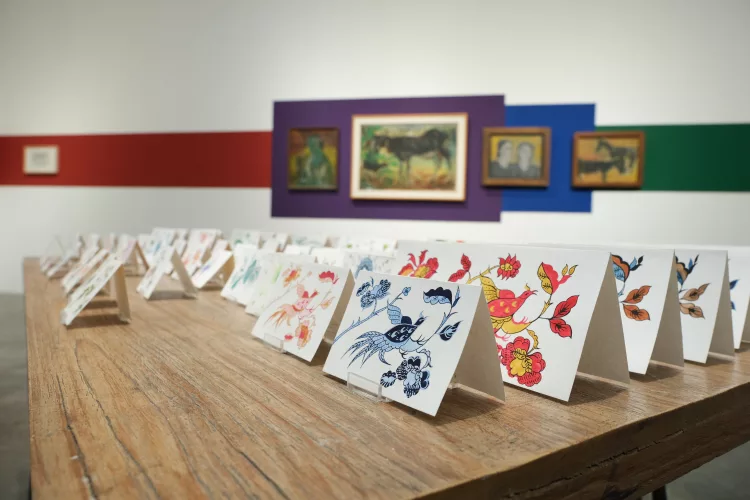
At the Back of the Canvas, ARTJOG – Motif: Lamaran, Yogyakarta, 30 June–27 August, 2023
→Kustiyah, Bentara Budaya Yogyakarta, 29 August–2 September, 1999
→Duo Exhibition of Painting and Sculpture (with Edhi Sunarso), Senisono Art Gallery, Yogyakarta, 1–6 August, 1969
Indonesian Painter.
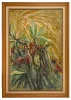
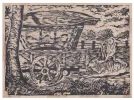
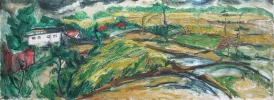
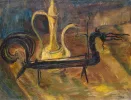
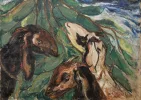
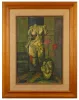
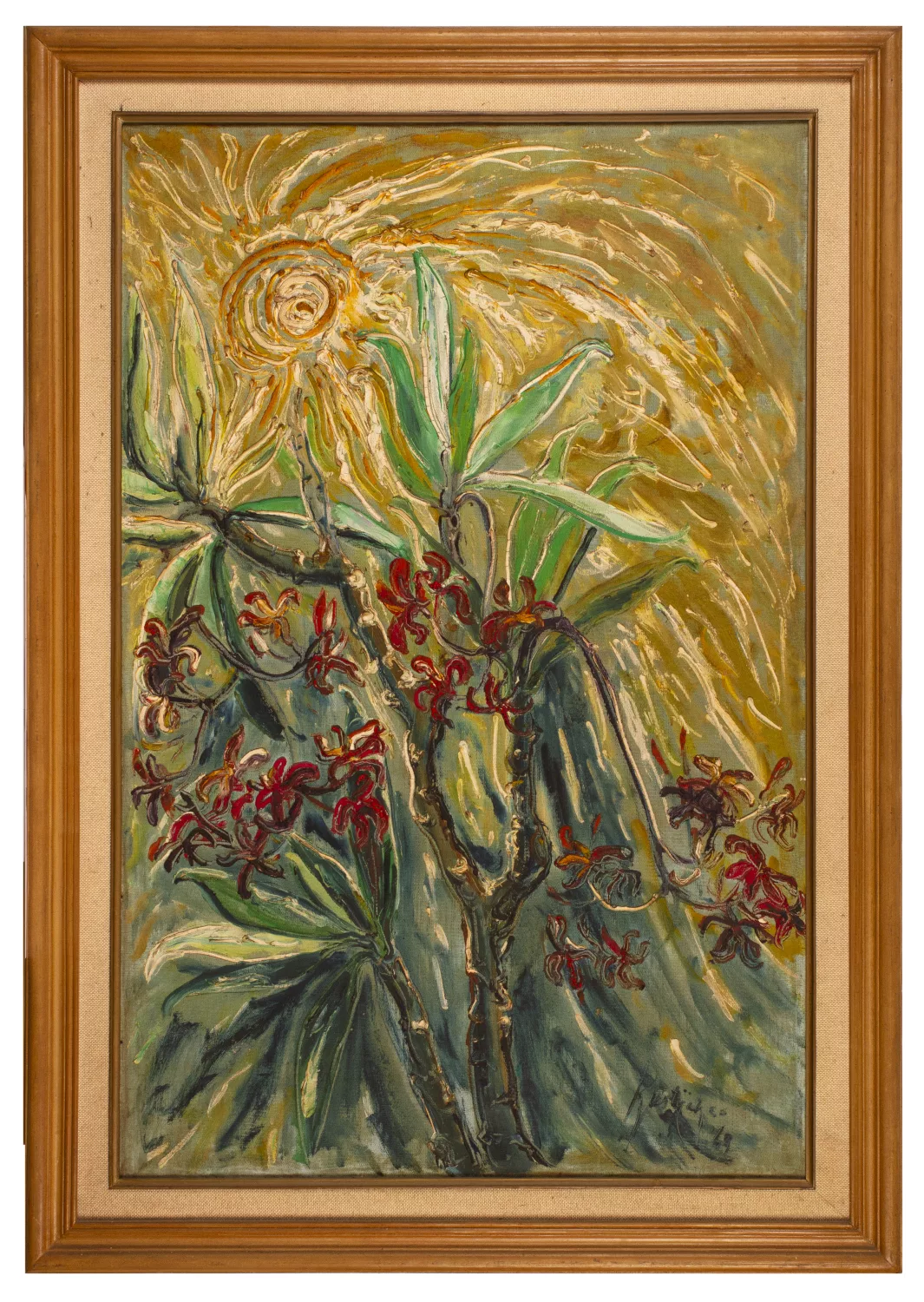
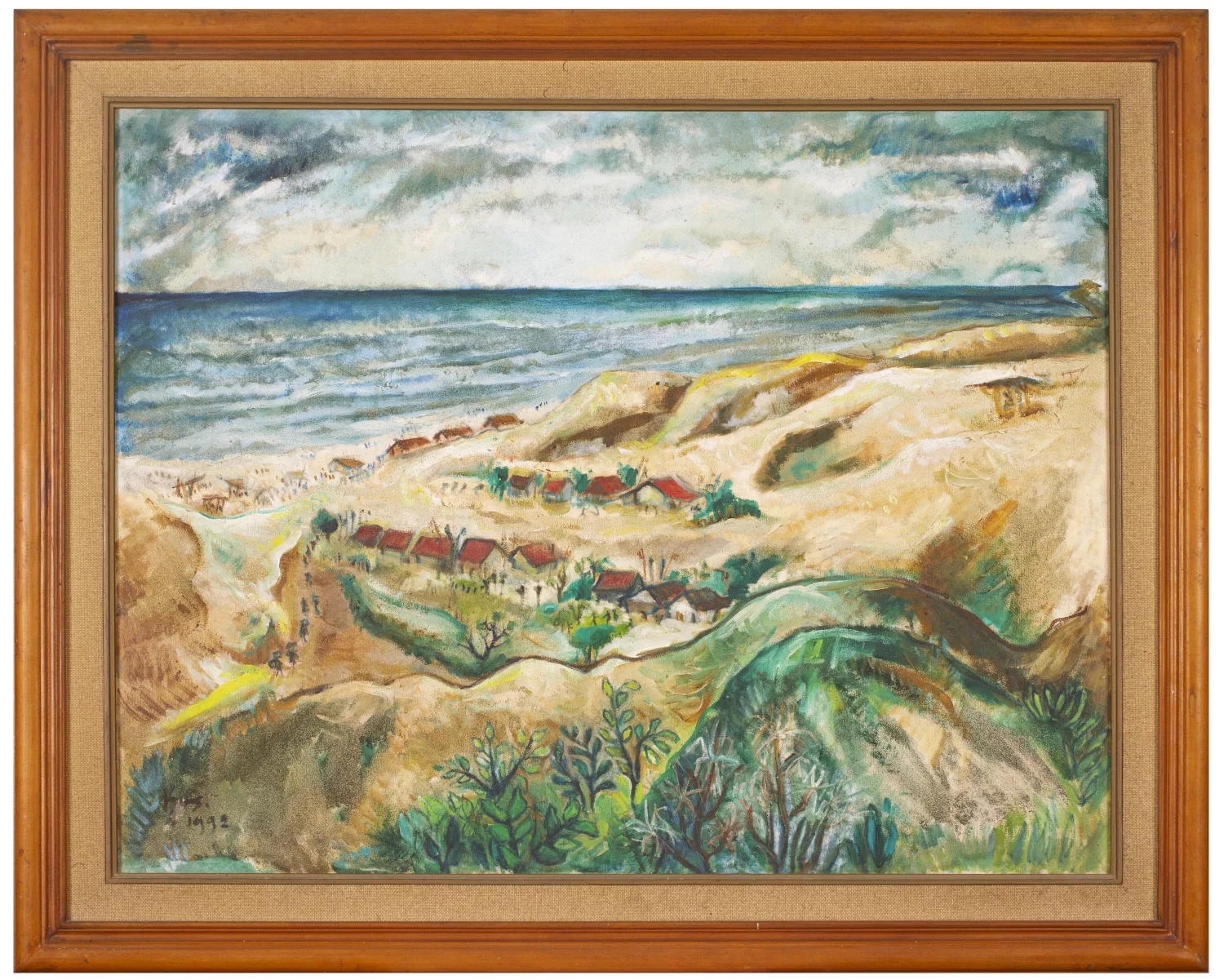
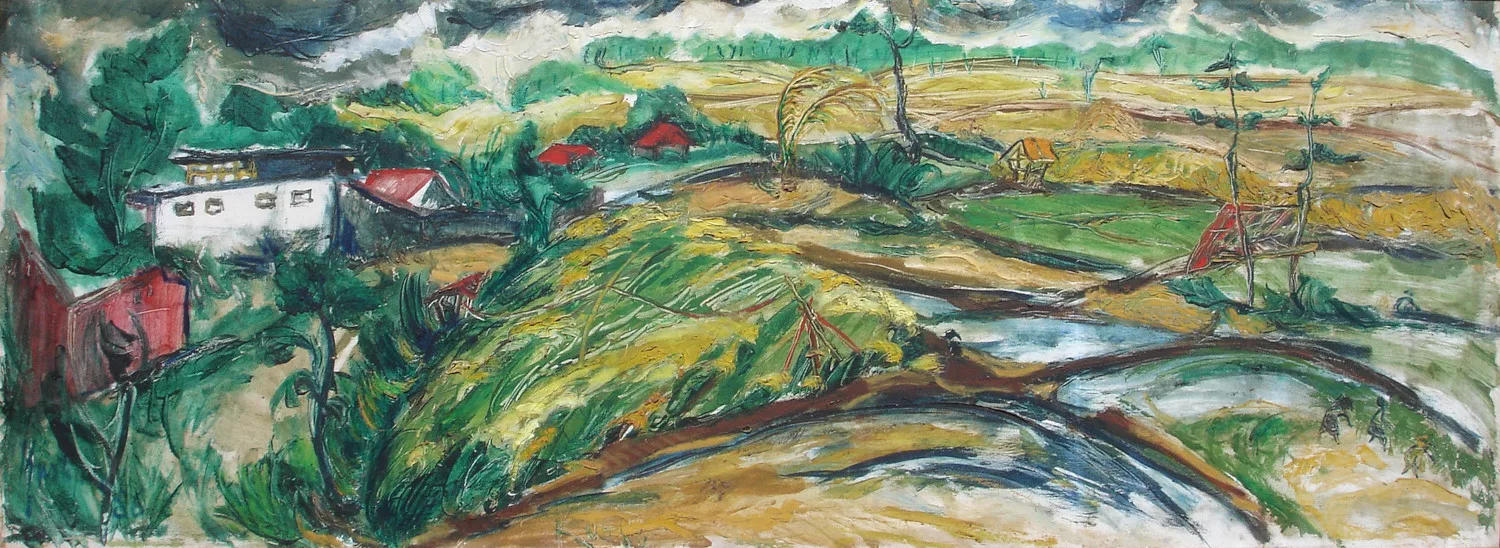
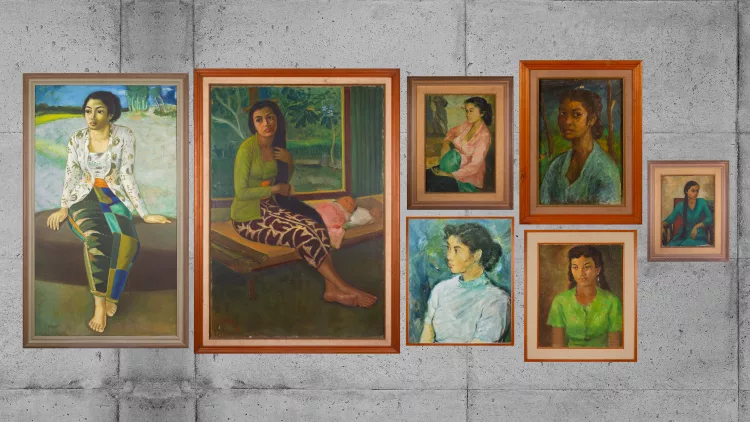
In 1953 Kustiyah moved to Yogyakarta, on her own, to study painting at ASRI [the Indonesian Visual Art Academy]. Alongside her formal studies, she was involved in artist groups such as Pelukis Rakyat [People’s Artists] and Pelukis Indonesia [Indonesian Painters]. Her early paintings reflected both her surroundings and her education, marked by sharp lines, heavy brushwork, dark colours and subject matter drawn from everyday life. These include Kampung [Village, 1960], which depicts the village where she once lived, and Kamboja Merah [Red Frangipani, 1969], showing a frangipani tree blossoming under the blazing sun. Kustiyah often worked on these paintings in the open air, either in the vicinity of her home or during her travels, often accompanied by family and friends. A photo of her painting a boat on a beach in Tegal appeared in Siasat magazine in 1956, capturing her practice of working outdoors.
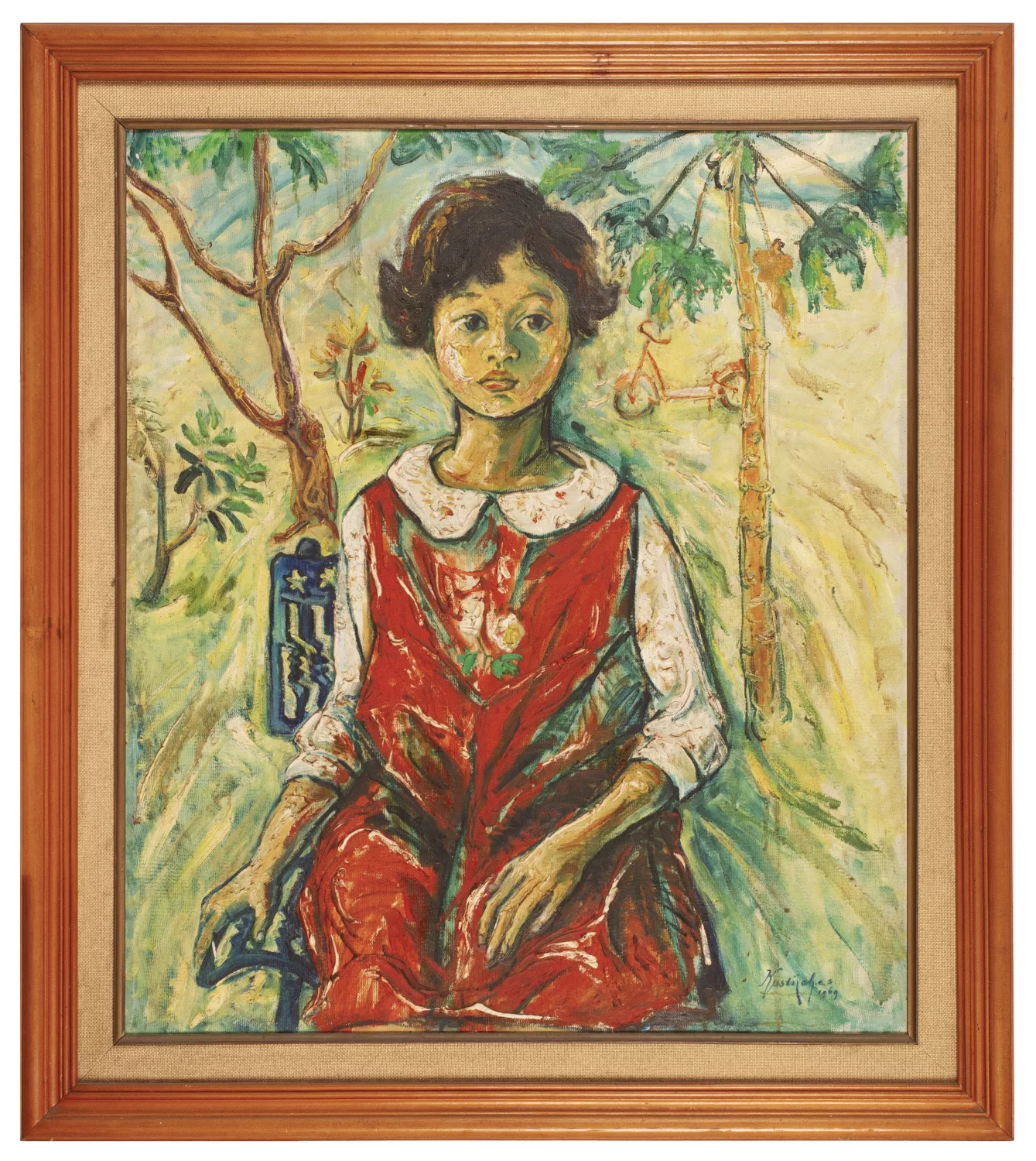
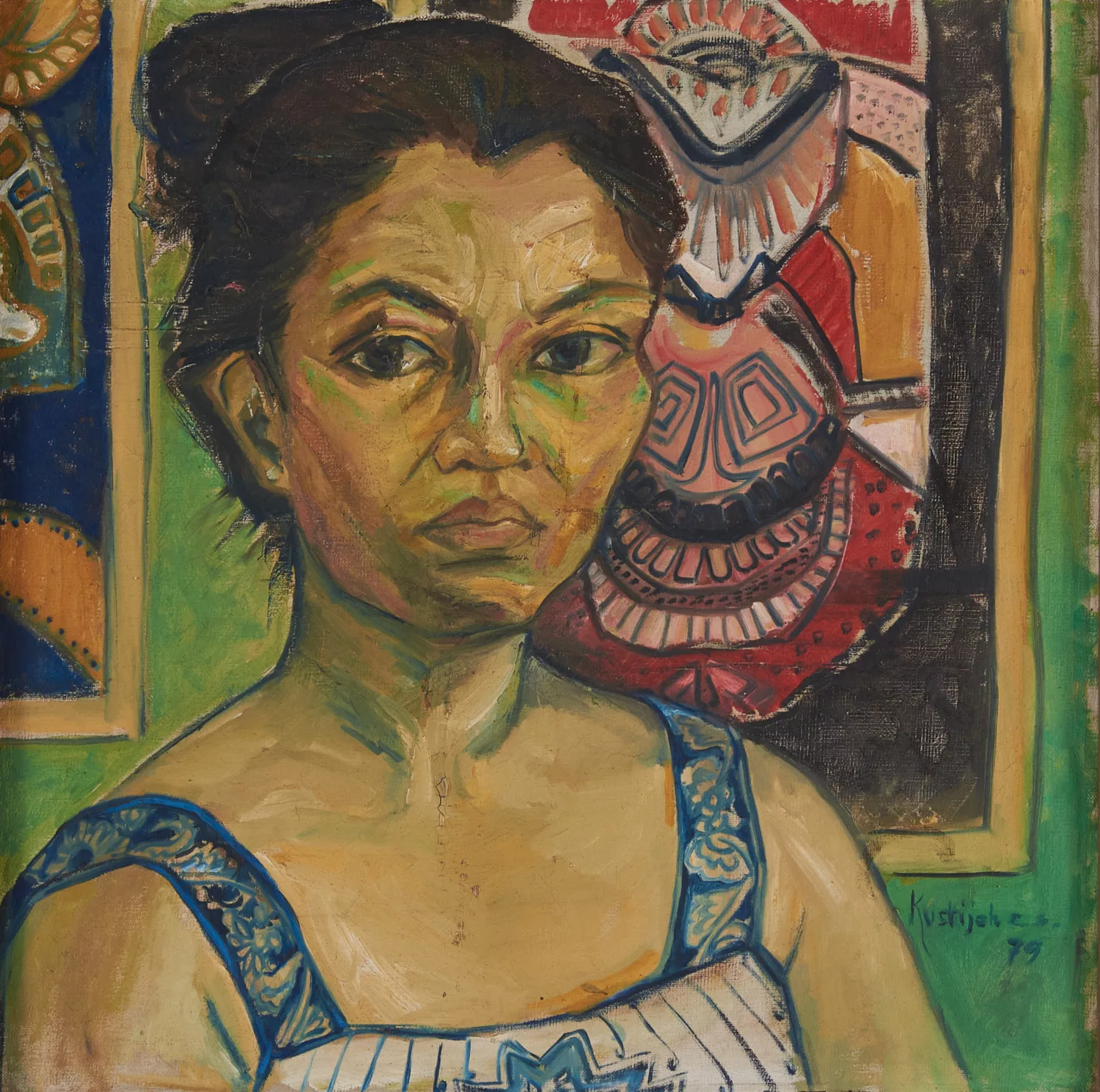
A number of portraits of Kustiyah were made by her contemporaries and are held today in state as well as private collections. She also painted a number of self-portraits and is said to have painted all of her children and grandchildren, although the whereabouts of these portraits are not yet known – with the exception of one, entitled Anakku Ira [My Daughter Ira, 1969].
Outside of her painting practice, Kustiyah had a gift for hospitality and organisational work. She was the chairperson of IKAISYO [Association of Wives of Yogyakarta Artists] in the early 2000s, during which the association held yearly exhibitions and gatherings with more than fifty attendees, consisting not only of artists and their partners but also their children, who were part of the wider community. At various times she also dedicated herself to gardening, flower arranging, batik design, making clothes and even staging fashion shows. Within her home, her paintings were a constant presence – hung in the living room, rearranged for various social gatherings and integrated into daily life as part of her daily environment.
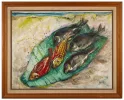
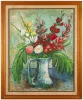
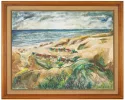
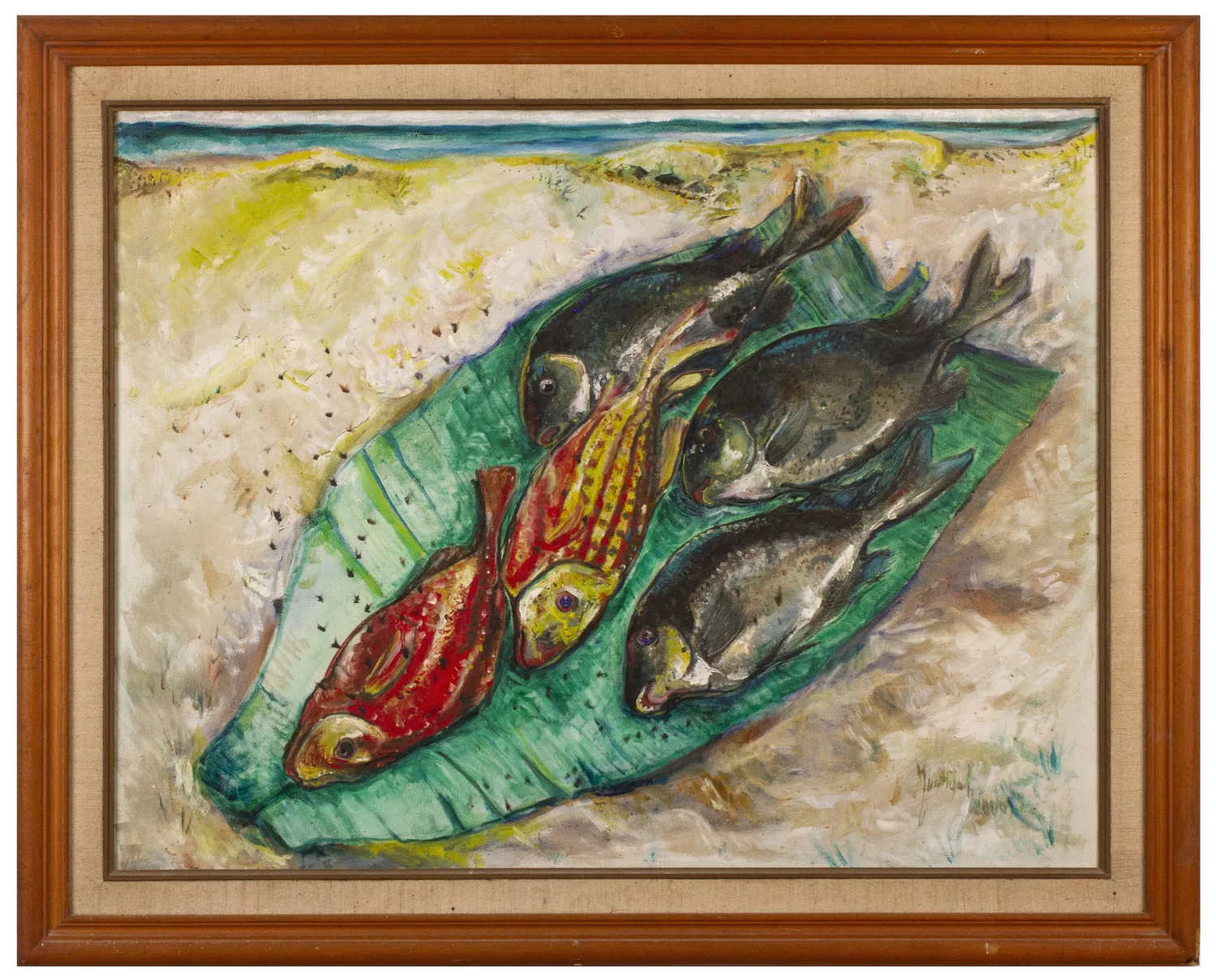
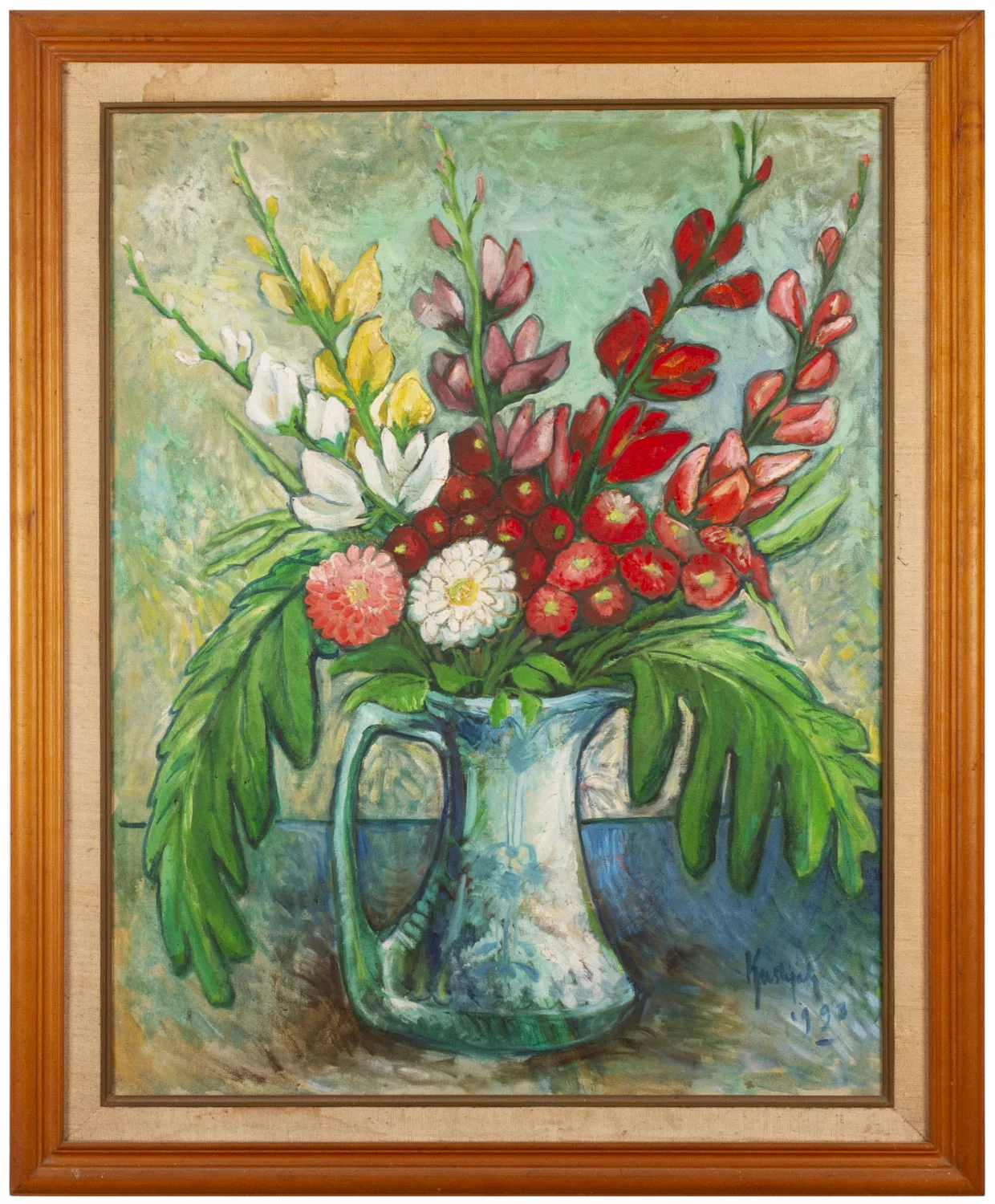
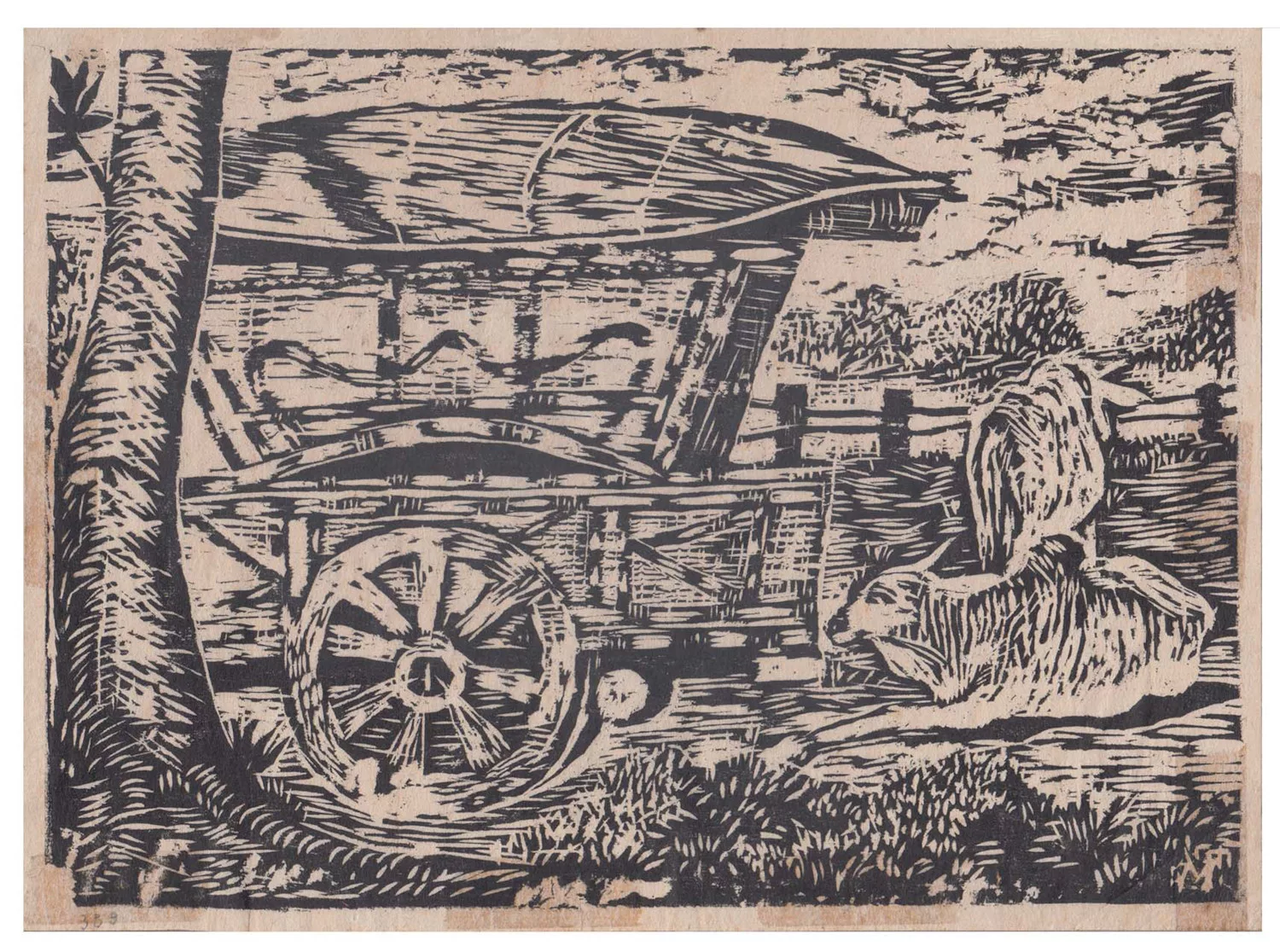
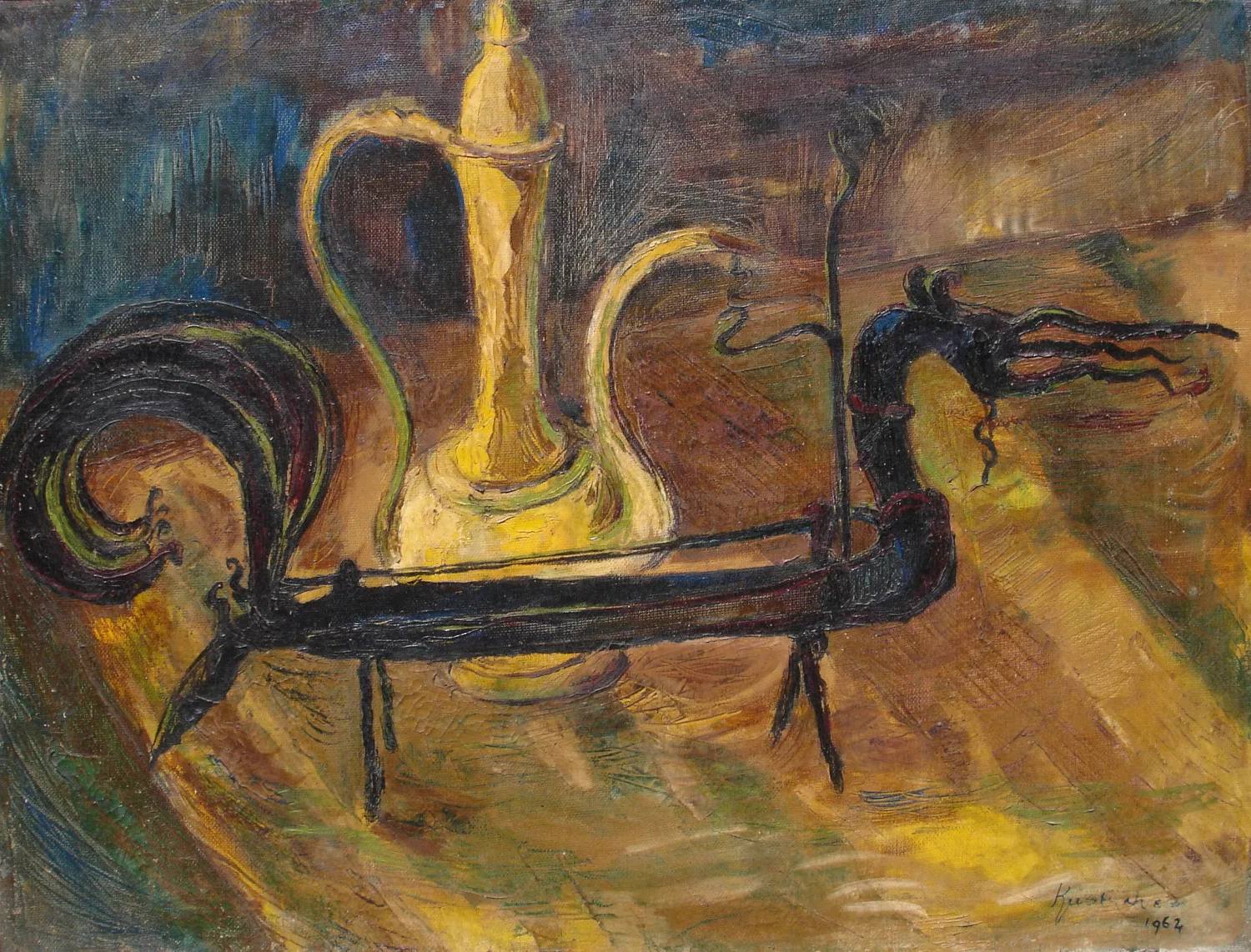
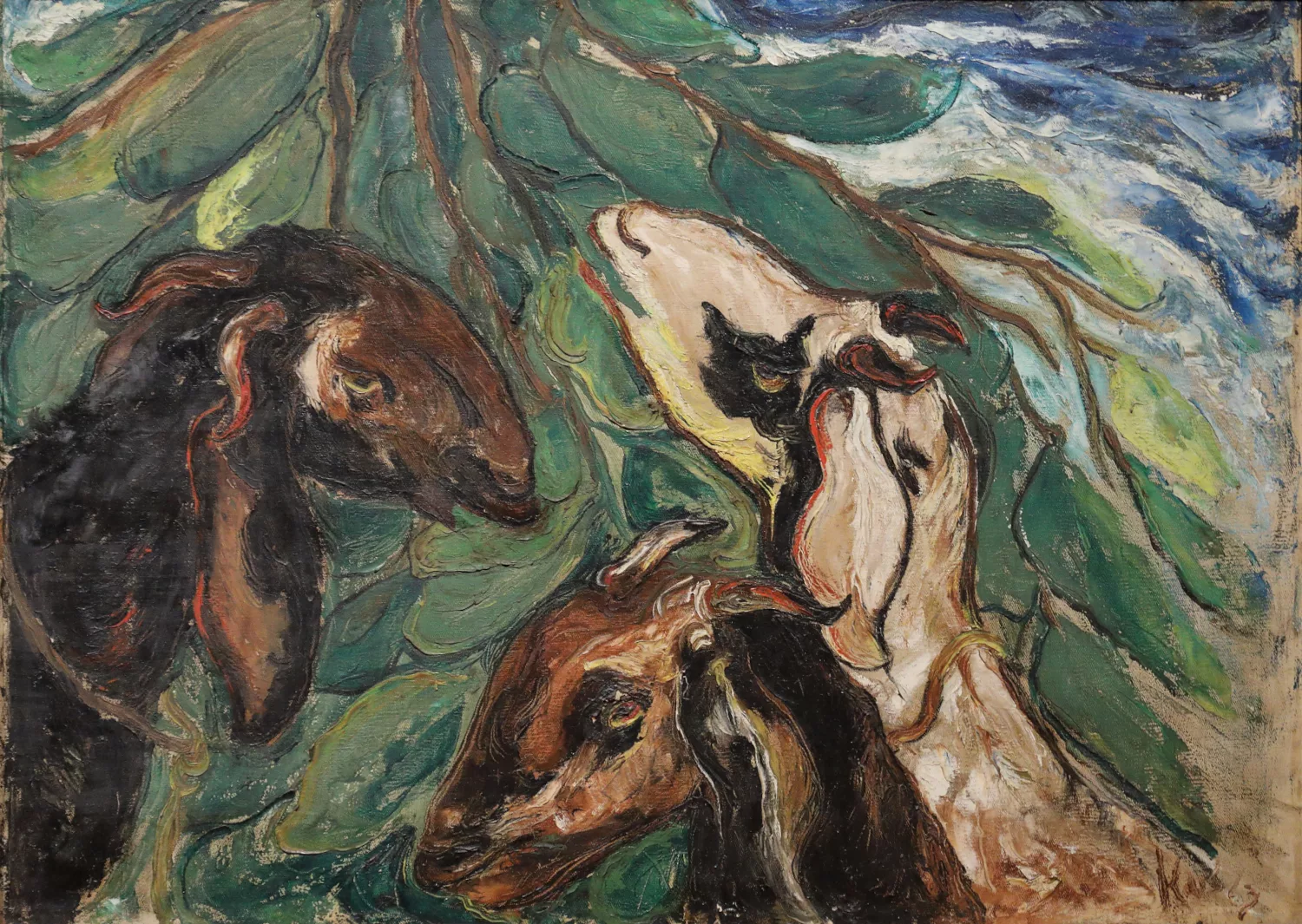
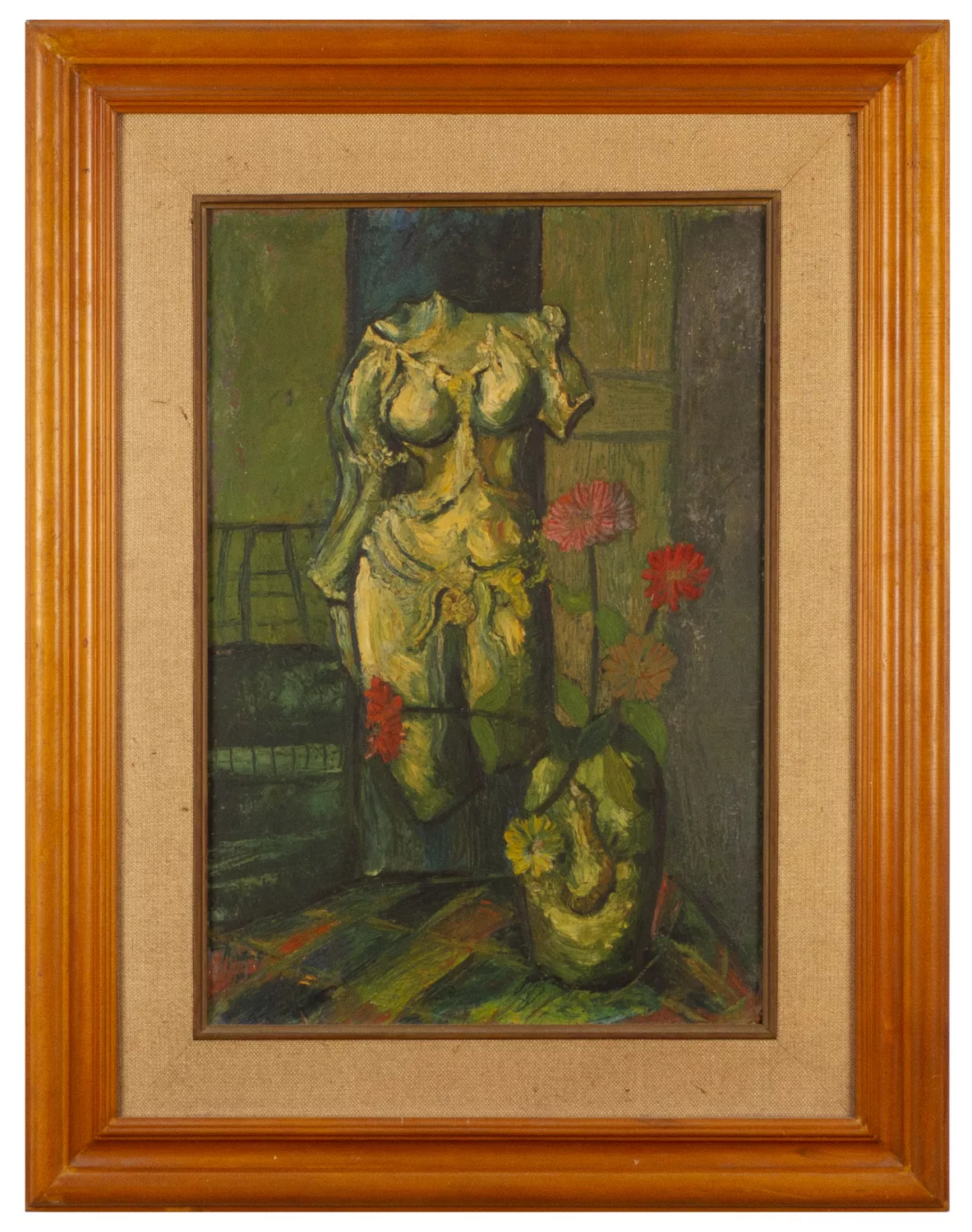
Kustiyah worked with oil paint throughout her life. Although works in other mediums, such as pencil and ink drawings, woodcuts and clay sculptures are recorded, so far these appear to have been limited to her student years. Over the decades, her palette grew gradually brighter, her brushstrokes lighter and her canvases more spacious. Despite this stylistic shift, her subject matter remained grounded in the same surroundings: fruits, flowers, the sea harvest and familiar landscapes such as beaches and rice fields. Baronang [2000], depicting a fish on a banana leaf paired with the landscape of Parangtritis Beach, demonstrates a unique blend of still life and landscape. Judging from the unusual composition – with the horizon line of the beach pressed close to the upper edge of the canvas, and the fish appearing almost pasted onto the sand – it is possible that this landscape was drawn from memory, illustrating her tendency to repeat motifs across decades and her longing to remain close to nature.
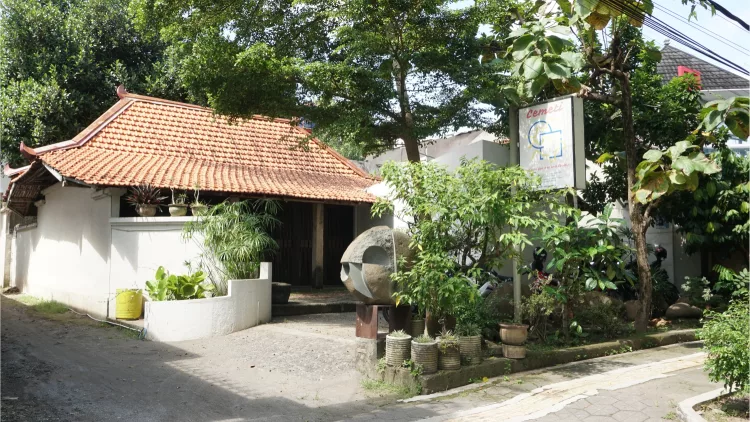
While her family’s museum, Griya Seni Hj. Kustiyah Edhi Sunarso – established in her name in 2015 – preserves a significant body of her work, many of Kustiyah’s paintings are still to be traced, leaving space for future encounters and further readings of her lifelong practice.
A biography produced as part of the programme The Flow of History. Southeast Asian Women Artists, in collaboration with Asia Art Archive
© Archives of Women Artists, Research and Exhibitions, 2026