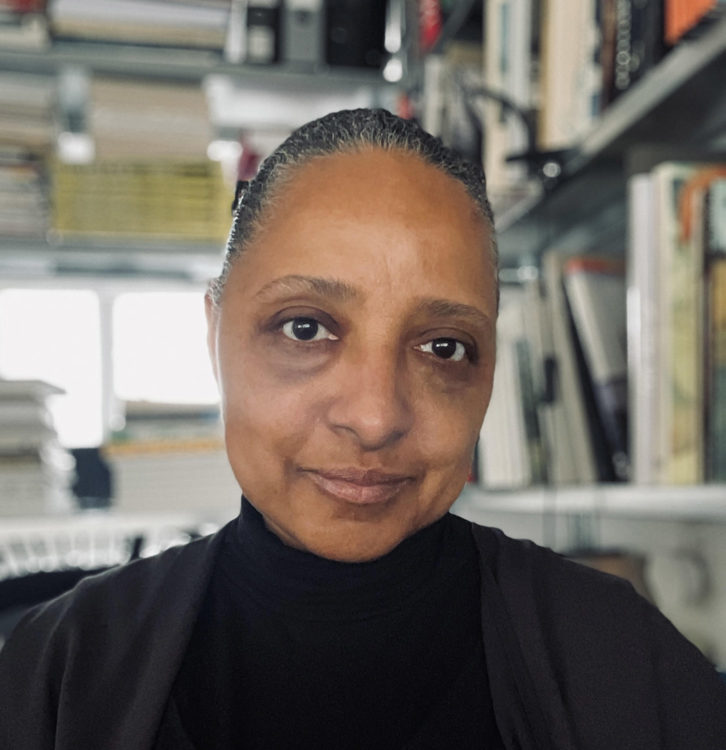
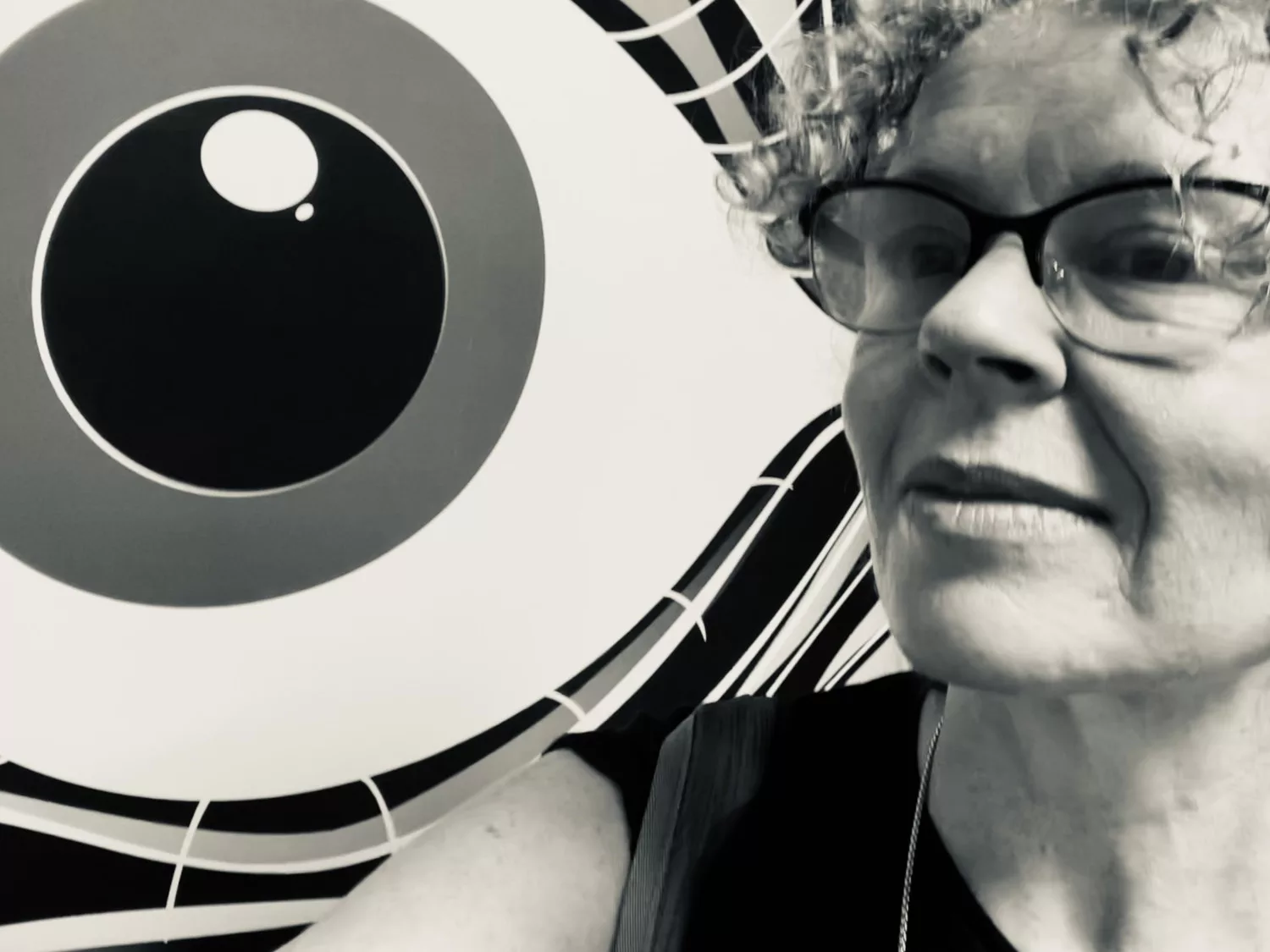
Portrait of María Teresa Ponce
Various authors, Ciudades y Contaminación, Barcelona, Lunwerg Editores, 2010
→Carreras, Claudi, Labertintos de miradas: un recorrido por la fotografía documental en Iberoamérica, Barcelona, RM Verlag, 2010
→Schwendener, Martha, “A Latino Biennial That Bucks a Global Trend”, The New York Times, 31 Août 2007
8ª Bienal do Mercosul– Ensaios de Geopoética, Porto Alegre, 10 September–15 November, 2011
→Daegu Photo Biennale, Daegu Culture and Arts Center, Daegu, 30 September–24 October, 2010
→Encubrimientos, Instituto Cervantes, Madrid, 10 June–12 September, 2010; Instituto Cervantes, Chicago, 27 January–5 March 2011
Ecuadoran photographer, architect and teacher.
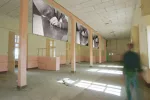
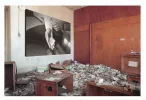
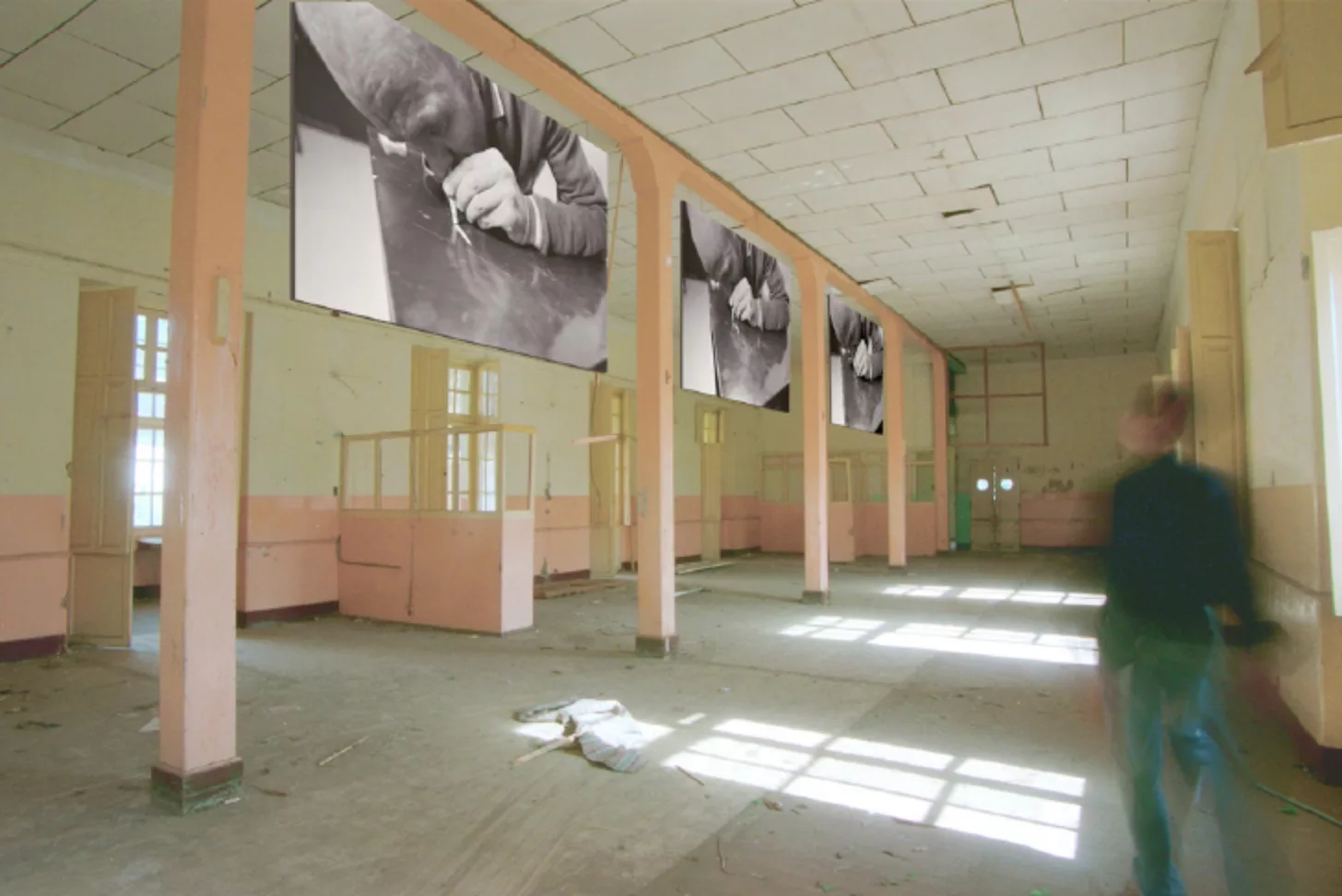
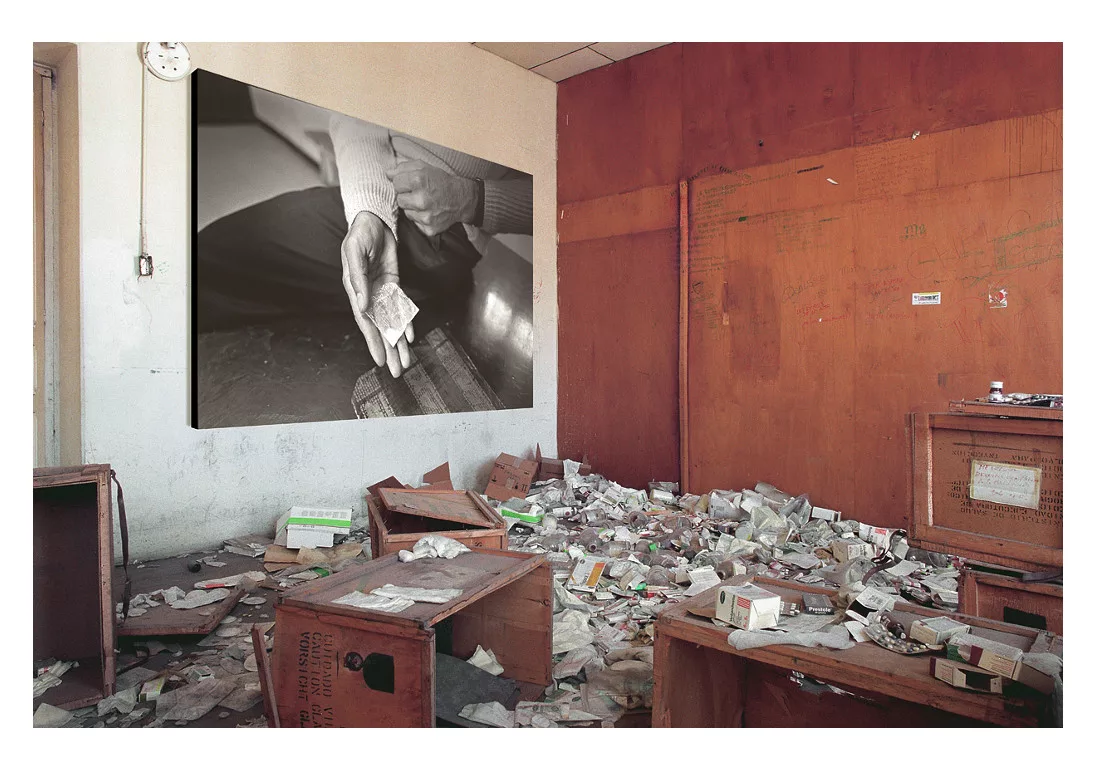
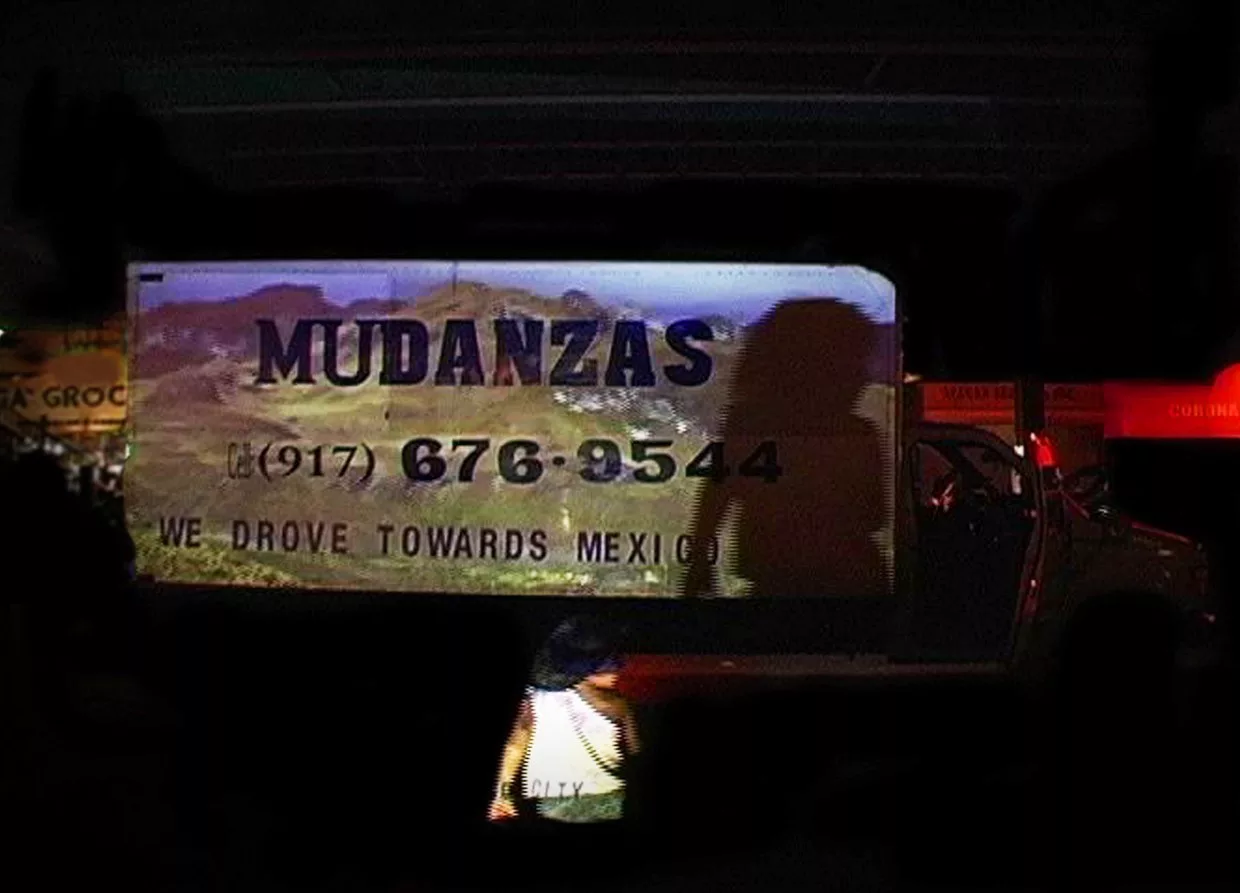
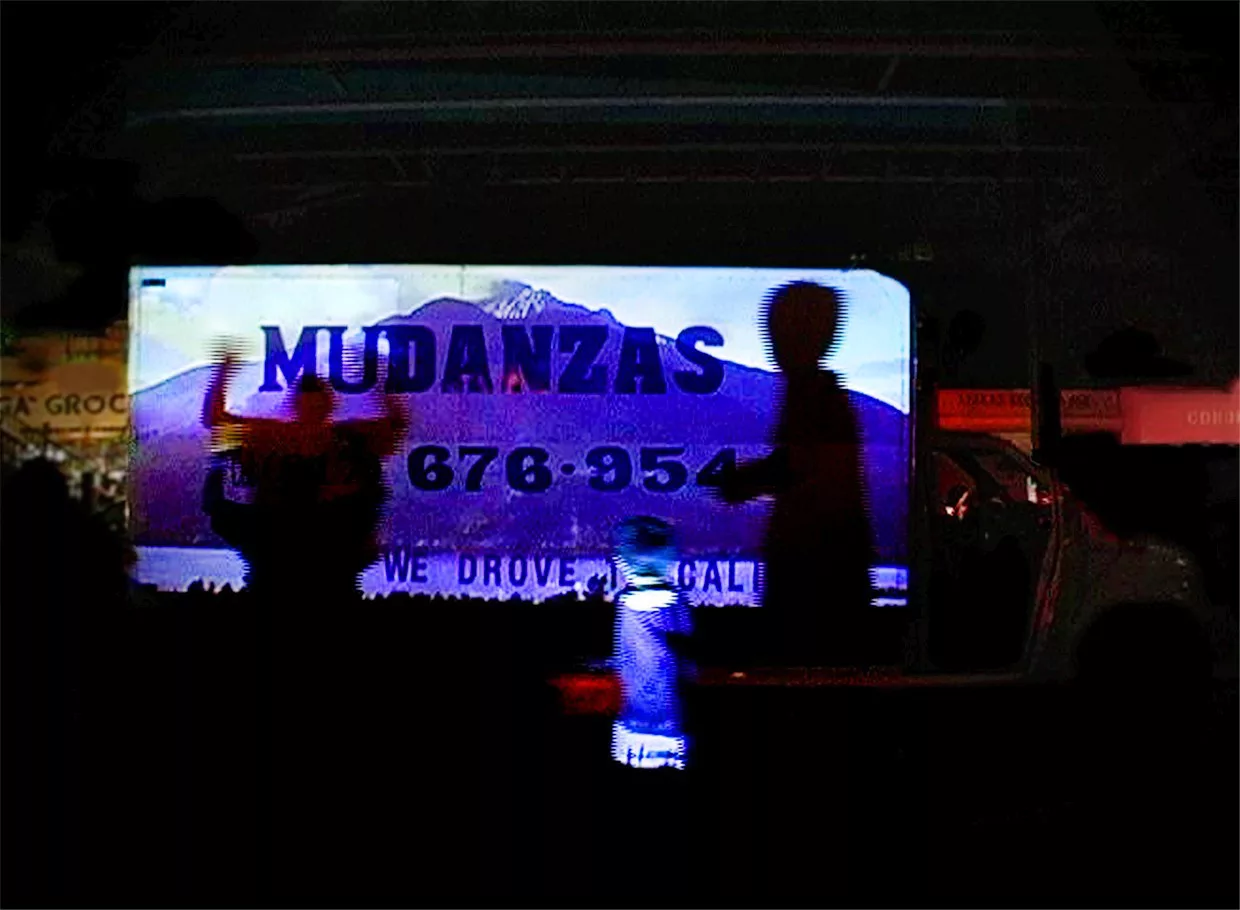
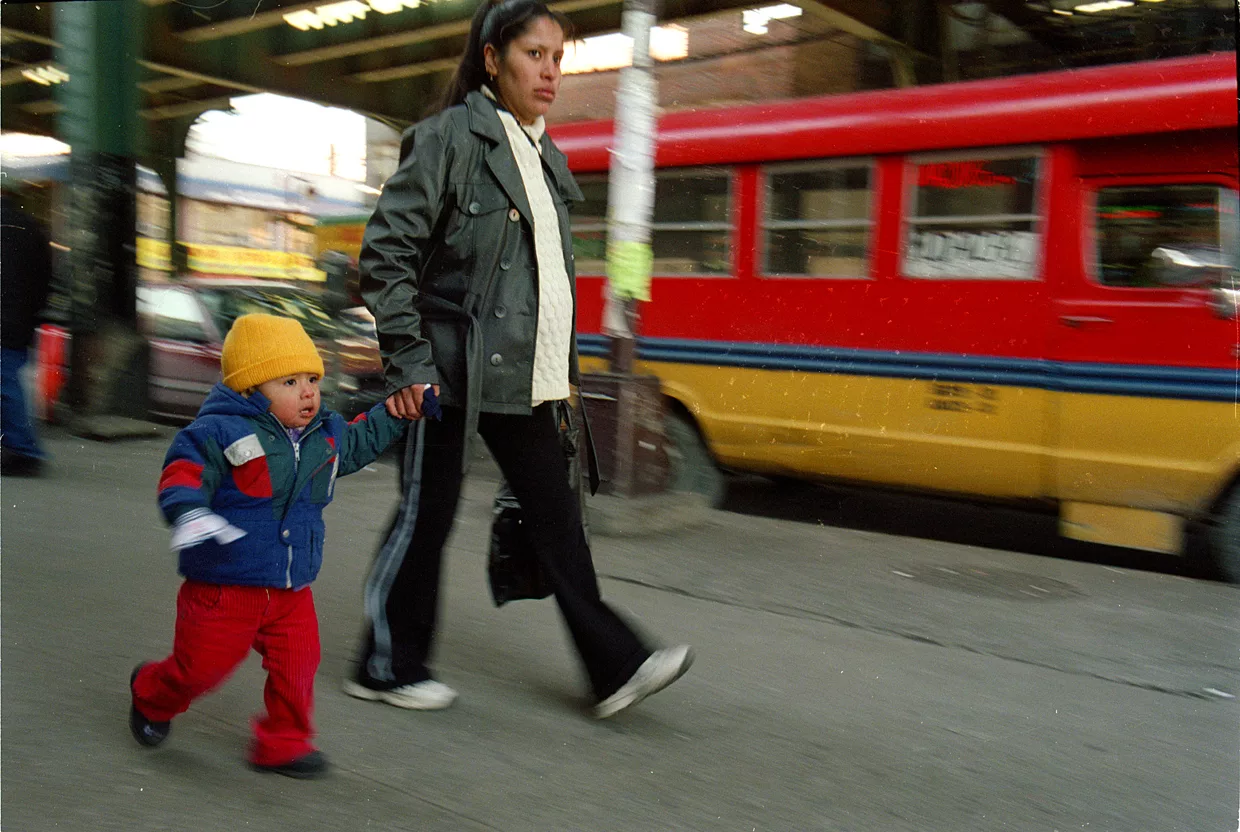
María Teresa Ponce works with documents, testimonials and life experiences that lead to different forms of creation. Photography, video and installations are her favoured media. At the age of nine, she moved to the United States, and studied architecture at the University of Notre Dame du Lac in South Bend, Indiana, between 1992 and 1997. The 1999 financial crisis occasioned her return to Ecuador, where her work centred social issues such as immigration in works like Mudanzas [Moving, 2004] and prison life. Her series Deshabitados I and II [Abandoned Places, 2002–2009] are representatives of this stage during which she used digital manipulation techniques to think about jails and hospitals. She obtained an MFA in Photography and Related Media at New York’s School of Visual Arts (2002–2004).
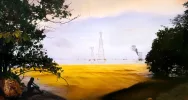
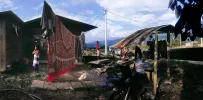
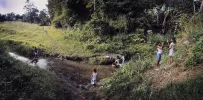
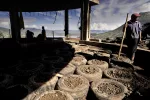
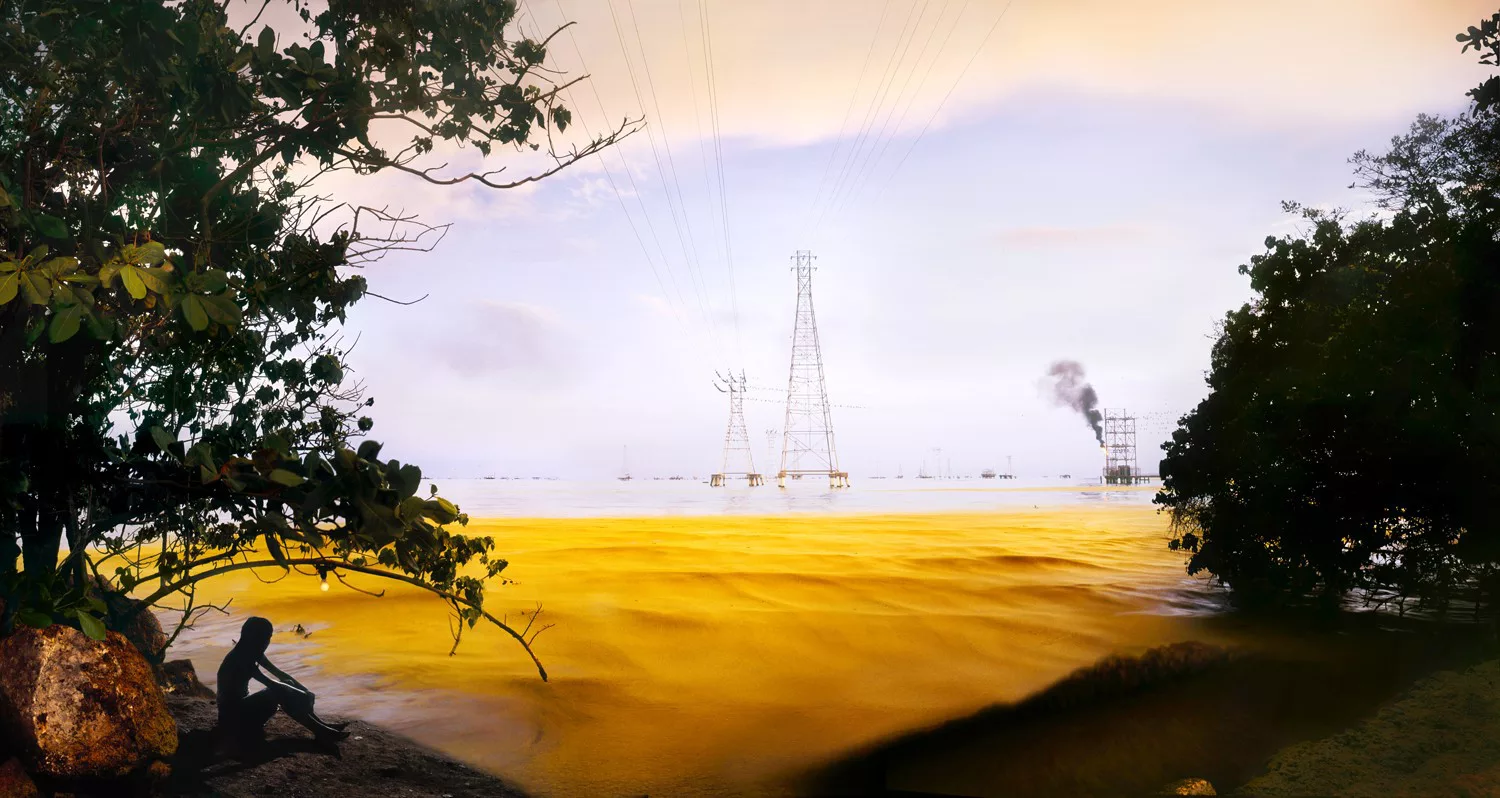
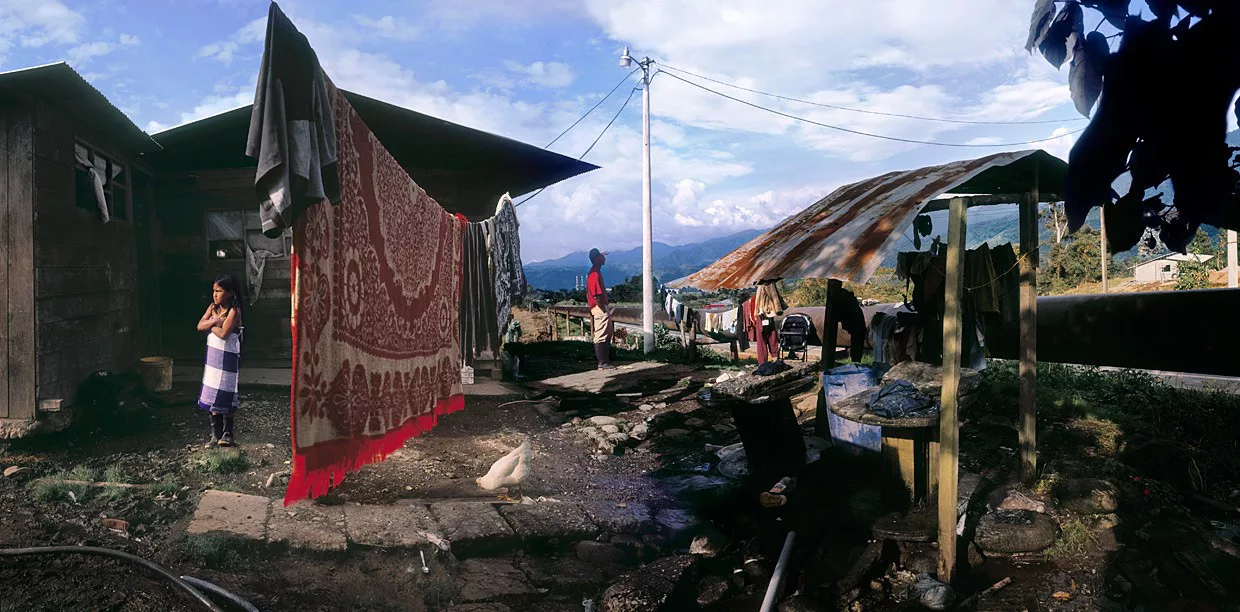
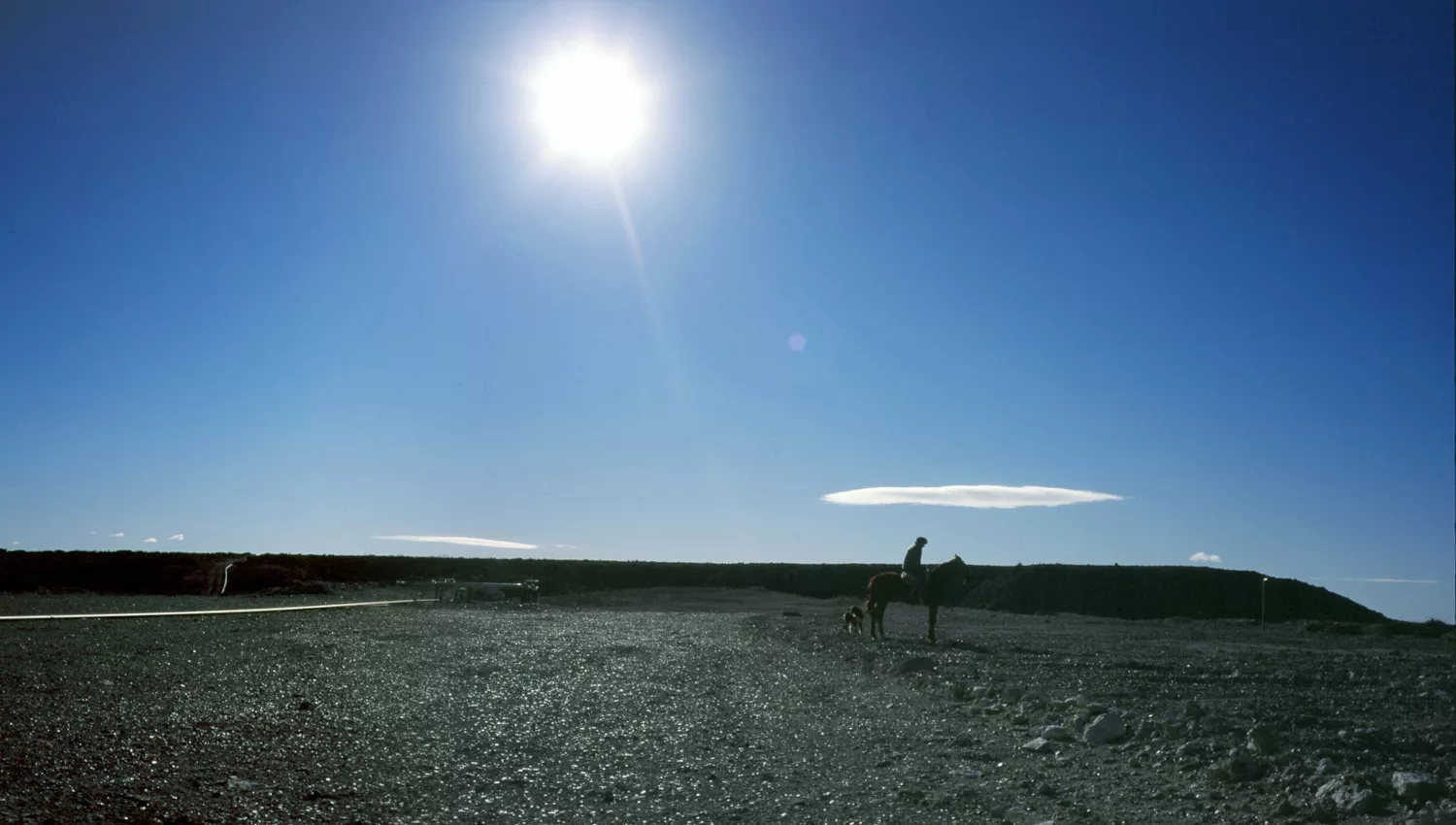
A turning point in her practice came with Oleoducto [Pipeline, 2006–2021], an ensemble of large-format photos taken in four South American countries – Ecuador, Venezuela, Argentina and Brazil – showing the paths taken by these immense tubes that can be seen as arteries running through the soil. Captured along the various long-distance routes are people, social settings and activities that coexist with the pipelines: symbols of unkept promises, political instability, contamination and other disastrous oil industry by-products. M. T. Ponce contrasts the image of the Earth with its fate as a site of investment and exploitation, and the social and environmental consequences. Her pictures, which measure between two and three metres wide and a metre in height, portray the places crossed by these pipelines – cityscapes, invaded landscapes and remote jungles – and their imposed total symbiosis with communities, neighbourhoods and lodgings. The titles of these photos are taken from the nomenclature used by oil companies to identity the emplacement of their structures, such as KM 485 (2006), and we can make out almost invisible markers indicating the kilometric location. The framing of her compositions recalls the landscape paintings of nineteenth-century expeditionary artists who followed so-called scientific landscape conventions to document the exploration of the Americas, as seen through romanticised and exotic eyes. This technique, which M. T. Ponce still employs, involves several still shots taken from the same location and then digitally assembled at the end of the process so that the passage of time itself is digitally manipulated.
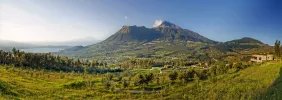
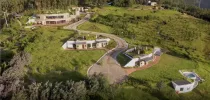
After these community-based projects she turned toward more personal work, with introspective and even spiritual pieces in which she reflects on the arts on the basis of common habits. My Sachají (2011–2013) is an ecological retreat she had built and, until 2023, directed – a location where trees are planted in total harmony with artistic and architectural projects. Her most recent project, Dreamscapes (2023–2024), involves an exploration of the subconscious by means of a series of AI-generated images – a continuation of her exploration of the possibilities of technologically-assisted images.
A notice produced as part of the TEAM international academic network: Teaching, E-learning, Agency and Mentoring
© Archives of Women Artists, Research and Exhibitions, 2026