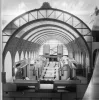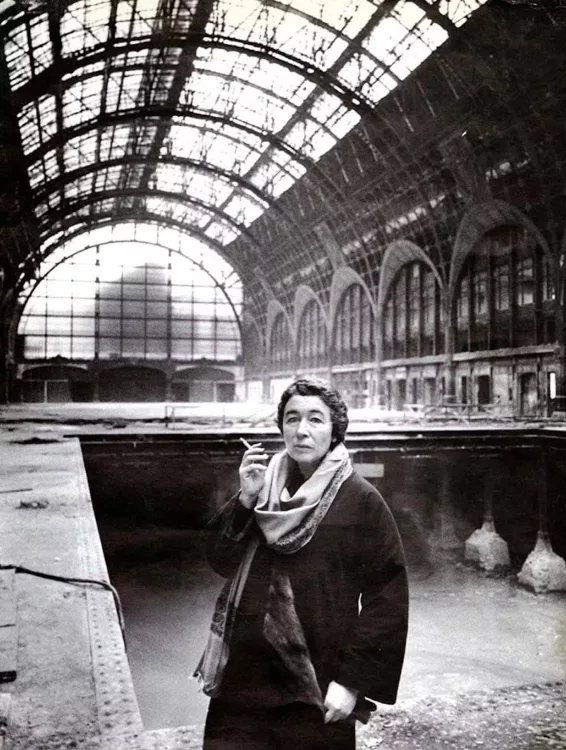
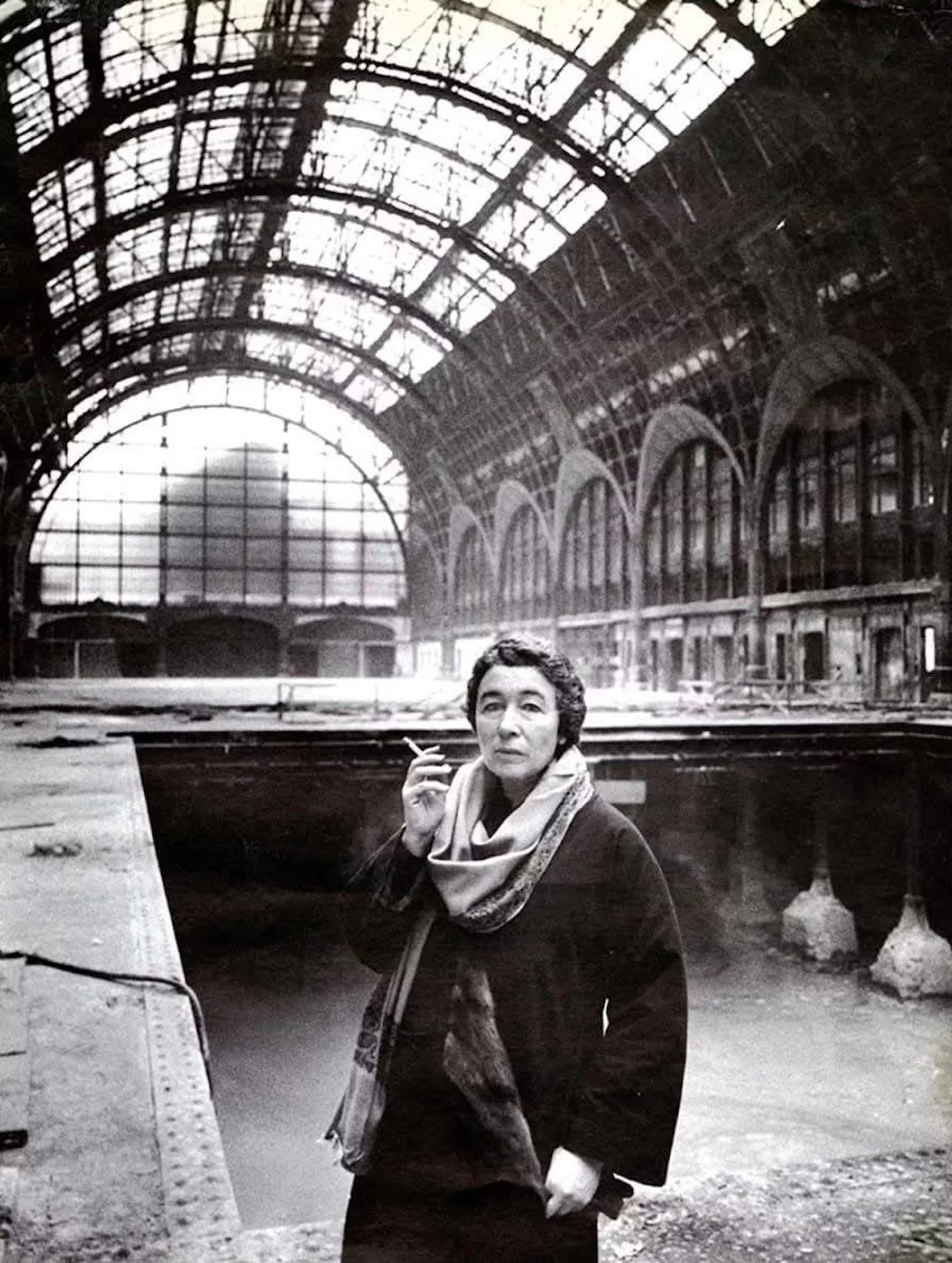
Gae Aulenti on the construction site of the Gare d’Orsay, 1980
Pasca, Vanni (ed.), Gae Aulenti. Gli oggetti e gli spazi, Milano : Triennale Design Museum, Mantua : Corraini, 2013
→Suma, Stefania, Gae Aulenti, Milano : Motta architettura, 2008
→Petranzan, Marguerita (ed.), Gae Aulenti, Milano : Rizzoli, 1996
Gae Aulenti (1927-2012), Triennale Milano, Milan, May 22, 2024 – January 12, 2025
→Gae Aulenti : A creative Universe, Vitra Design Museum, Weil am Rhein, February 29, 2020 – Aprils 18, 2021
Italian industrial designer, architect, graphic designer and gallery-space designer.
Born near Udine in northeastern Italy, Gae Aulenti studied architecture at the Politecnico di Milano, graduating in 1953. She was one of only two women in a class of twenty students. At the Politecnico, she studied under Ernesto Nathan Rogers (1909–1969), whom she came to consider a ‘spiritual father’. He was then one of the leading proponents of the Italian Neo-Liberty movement, which G. Aulenti embraced at the beginning of her career. It marked a departure from a codified modernism whose principles had become dominant in Italy in the 1950s. In opposition to the idea of a universal architecture, its proponents sought to give architecture a lost cultural and traditional component that would dialogue with contemporaneity.
In 1954, following on from her training, G. Aulenti joined the editorial team of Casabella-Continuità, a breeding ground of ideas for the next generation of radical architects. Over the course of a decade, she played a central role in the journal’s development, redesigning its graphic aspects, encouraging the publication of technical pieces and reinforcing the theoretical and cultural grounding of its coverage. Her time at Casabella-Continuità also gave her a prominent position in architectural discourse and influenced her personal language.
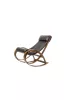
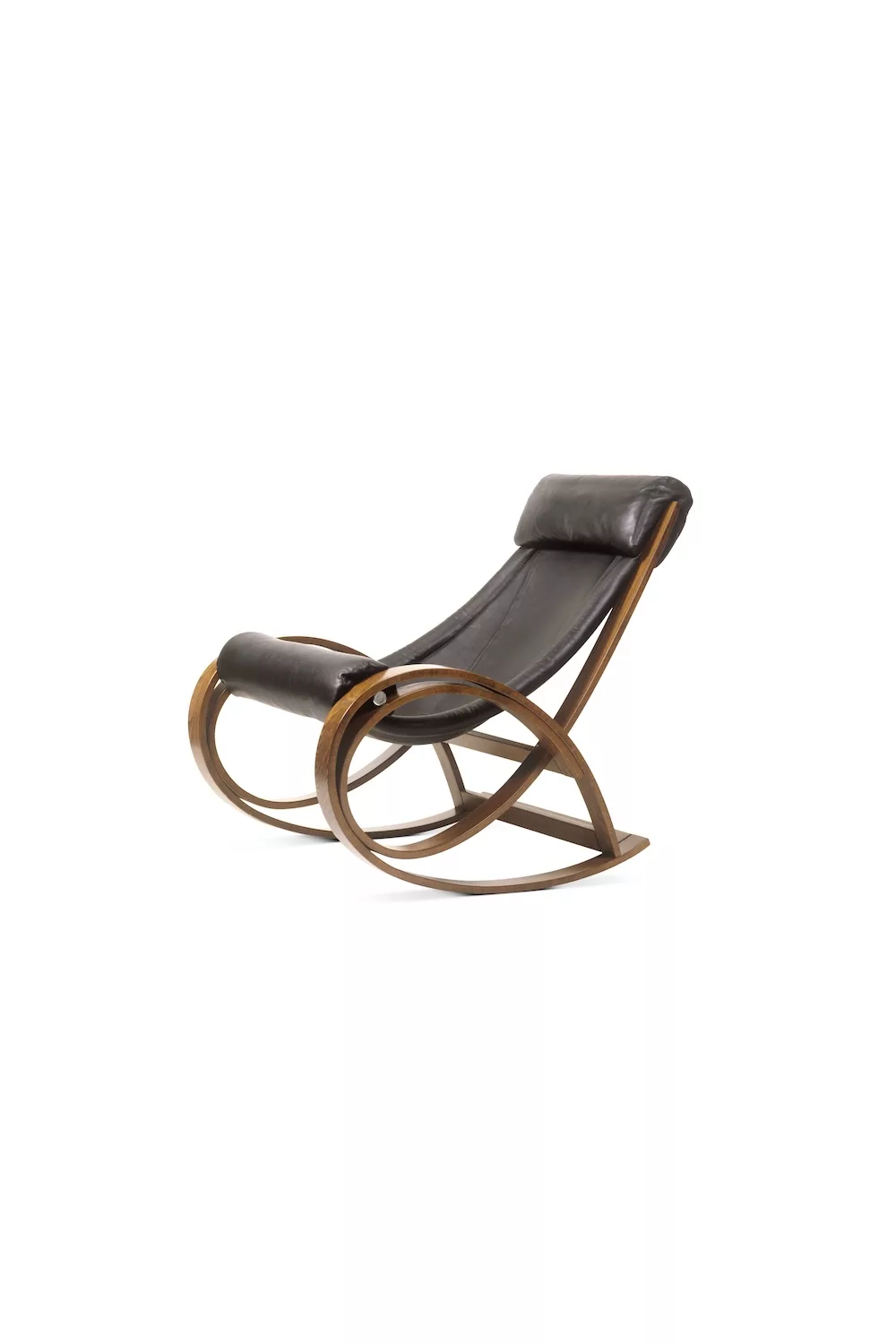
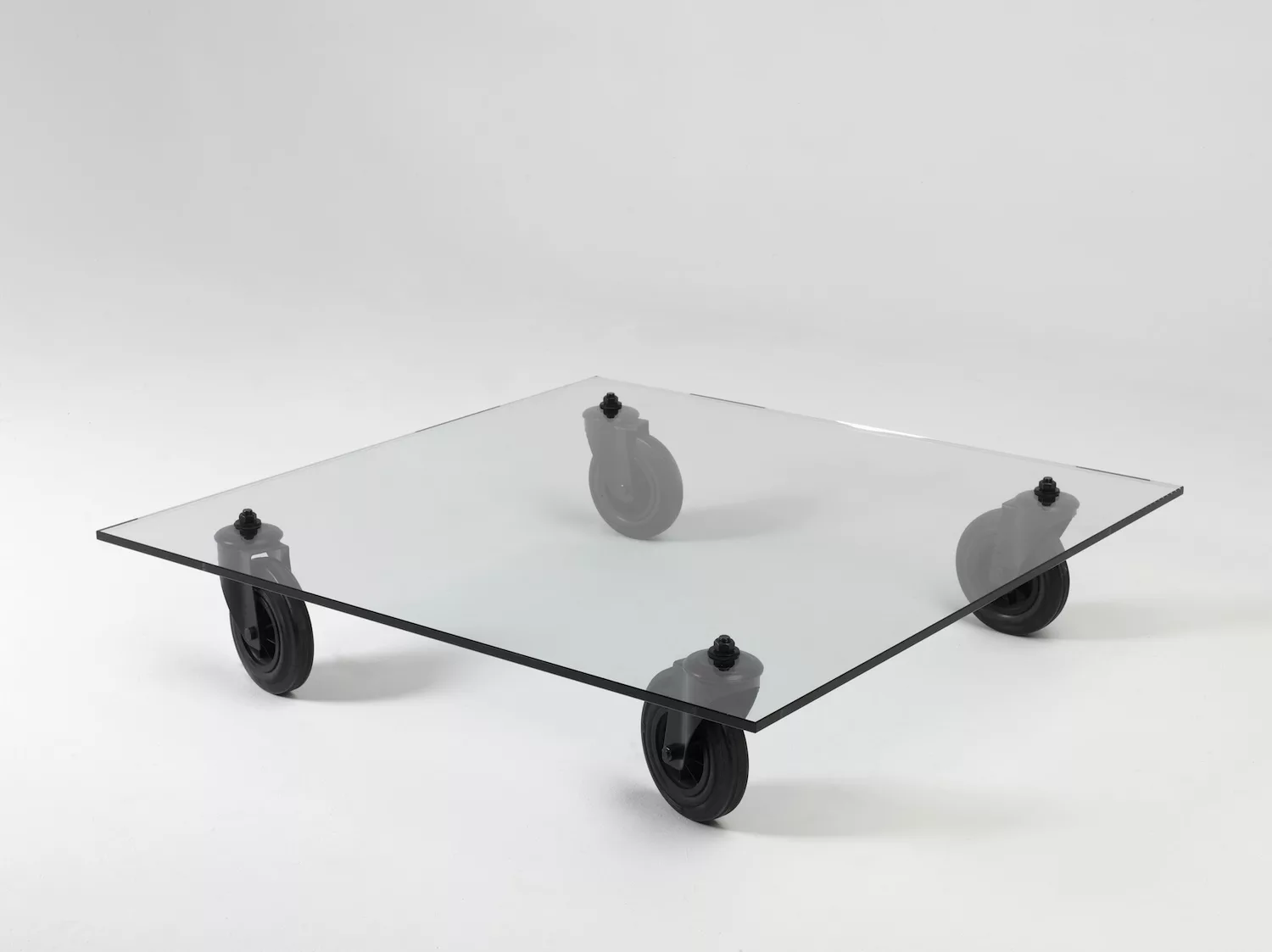
G. Aulenti opened a studio in Milan in 1953, but did not become involved in industrial design until the 1960s. Even in her early work, such as the Sgarsul chair (1962), her artistic approach is unmistakable. Drawing inspiration from Gebrüder Thonet’s first rocking chair (1862), she did away with ornamental elements to focus on the curves of the chair’s bentwood frame and enhance its comfort with a padded leather seat and backrest. In this way, G. Aulenti preserved the traditional rocking chair’s essential features while modernising it, establishing a critical dialogue with the past to create relevant, contemporary forms.
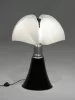
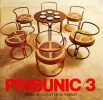
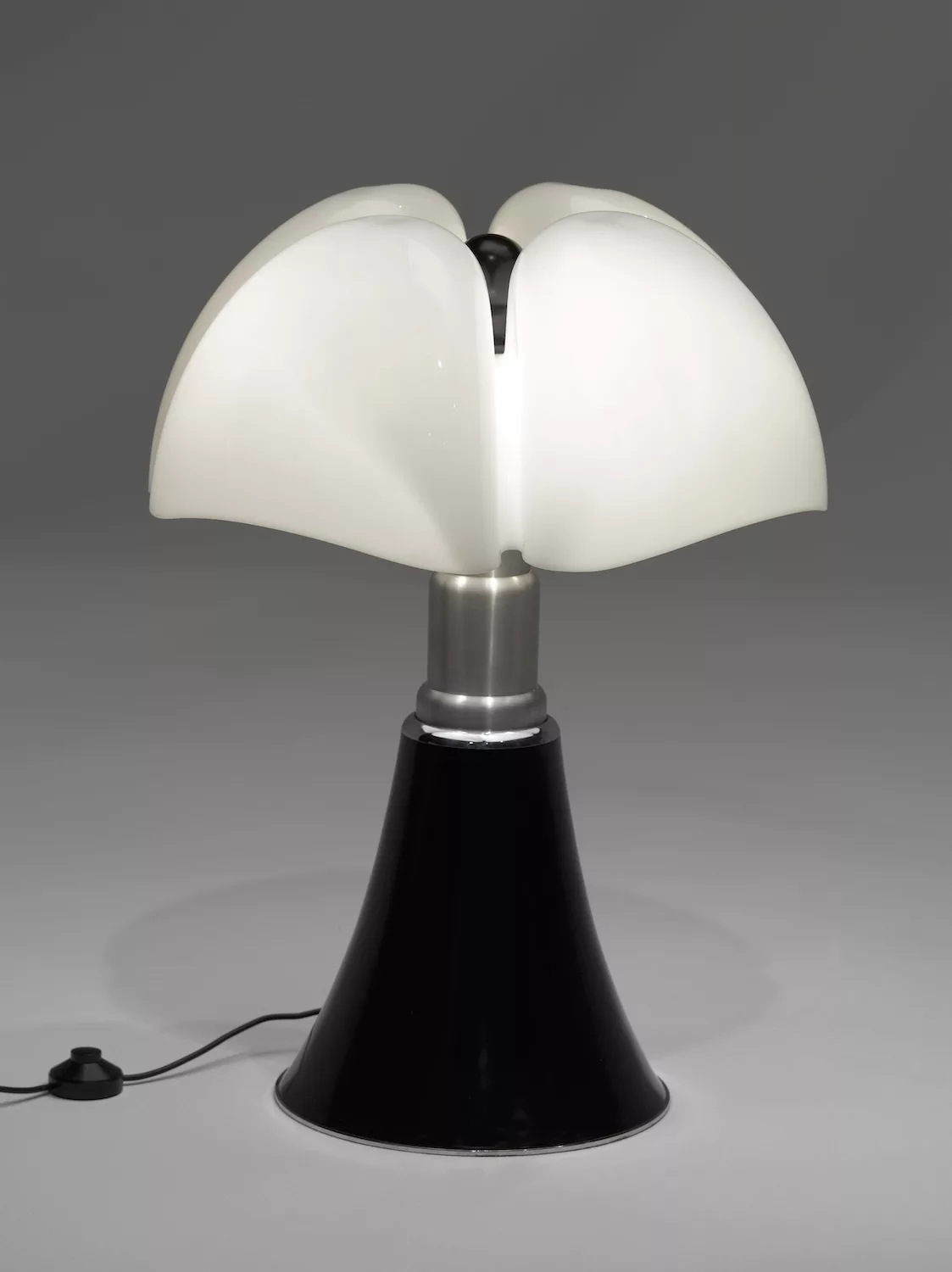
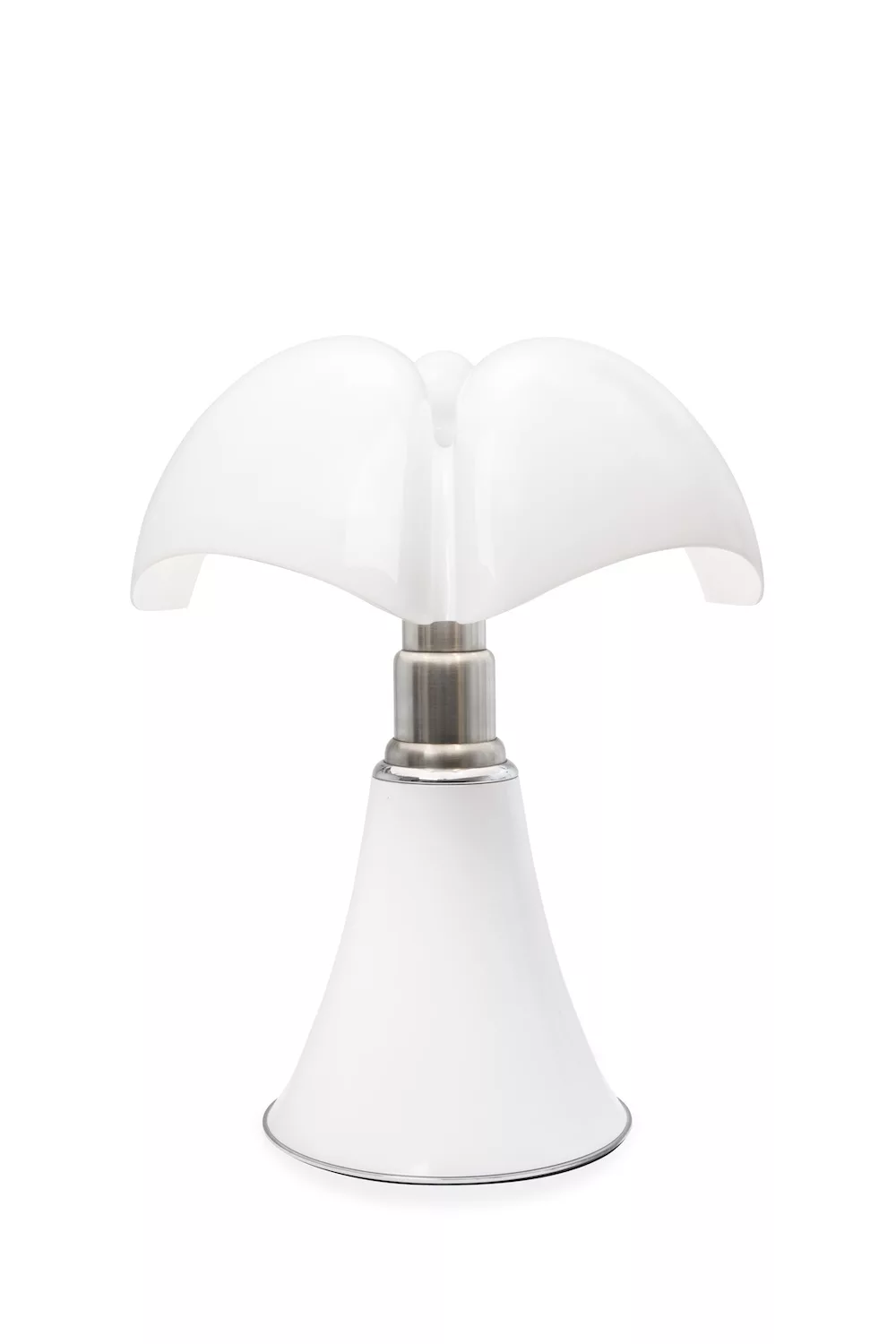
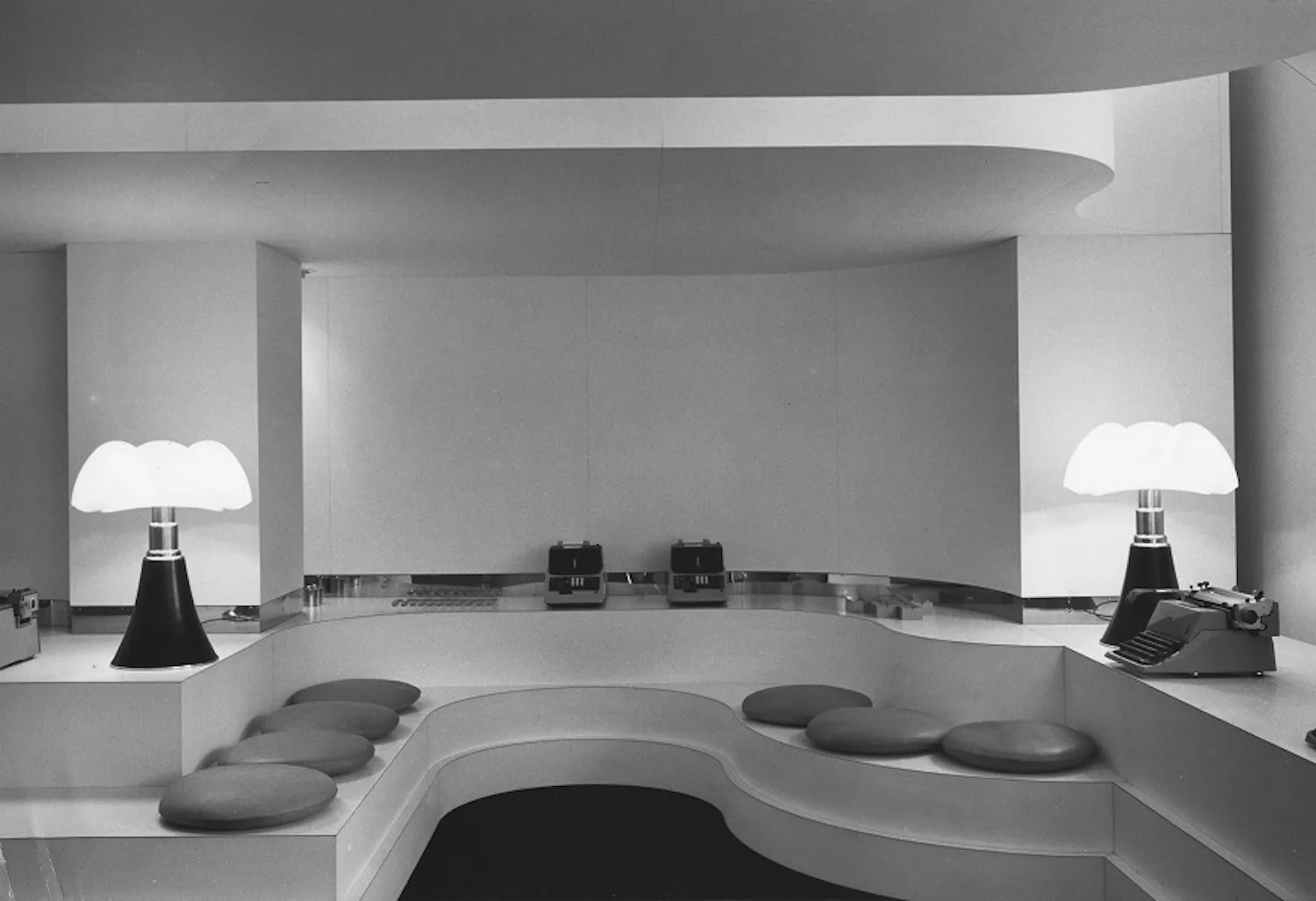
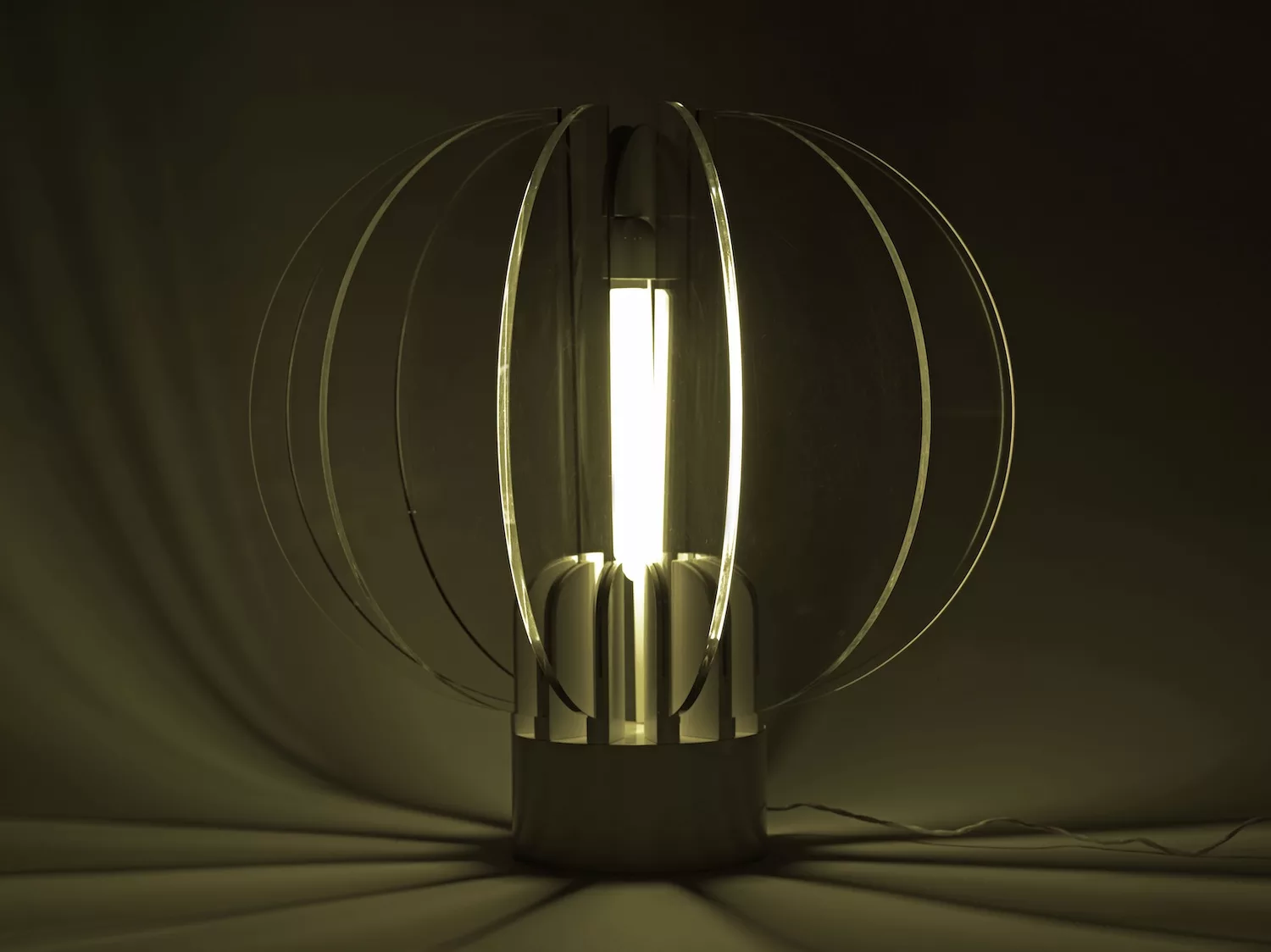
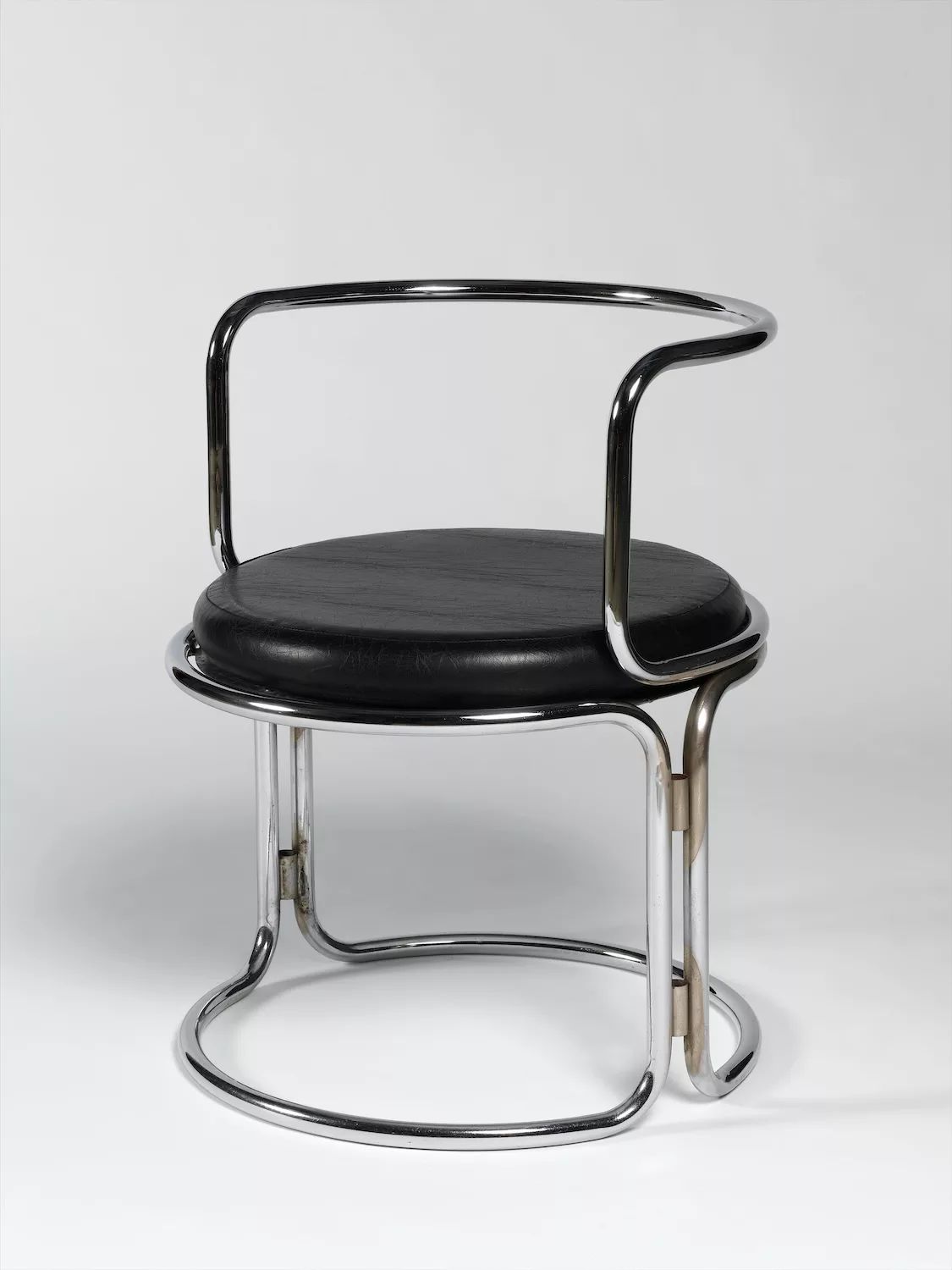
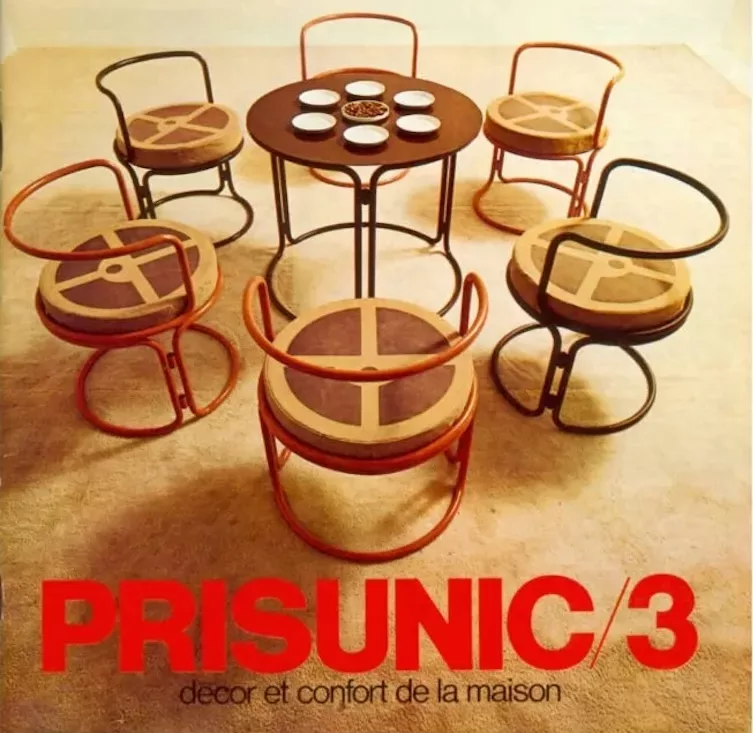
Her distinctive approach and skill at designing objects for integration in a broader context earned her early recognition and opened the door to collaborations with major firms. In 1965, in collaboration with Martinelli Luce, she designed the famous Pipistrello lamp, recognisable by its telescopic base and a lampshade inspired by bat wings, for Olivetti’s Paris showroom (1967). Building on this success, she also designed Olivetti’s new showroom in Buenos Aires (1968), incorporating the King Sun lamp (1967) developed with manufacturer Kartell. Several of her tubular-steel pieces, including the Bridge armchair (1969), were widely distributed through Prisunic. Multiple Bridge chairs can incidentally be seen in Jacques Deray’s film La Piscine.
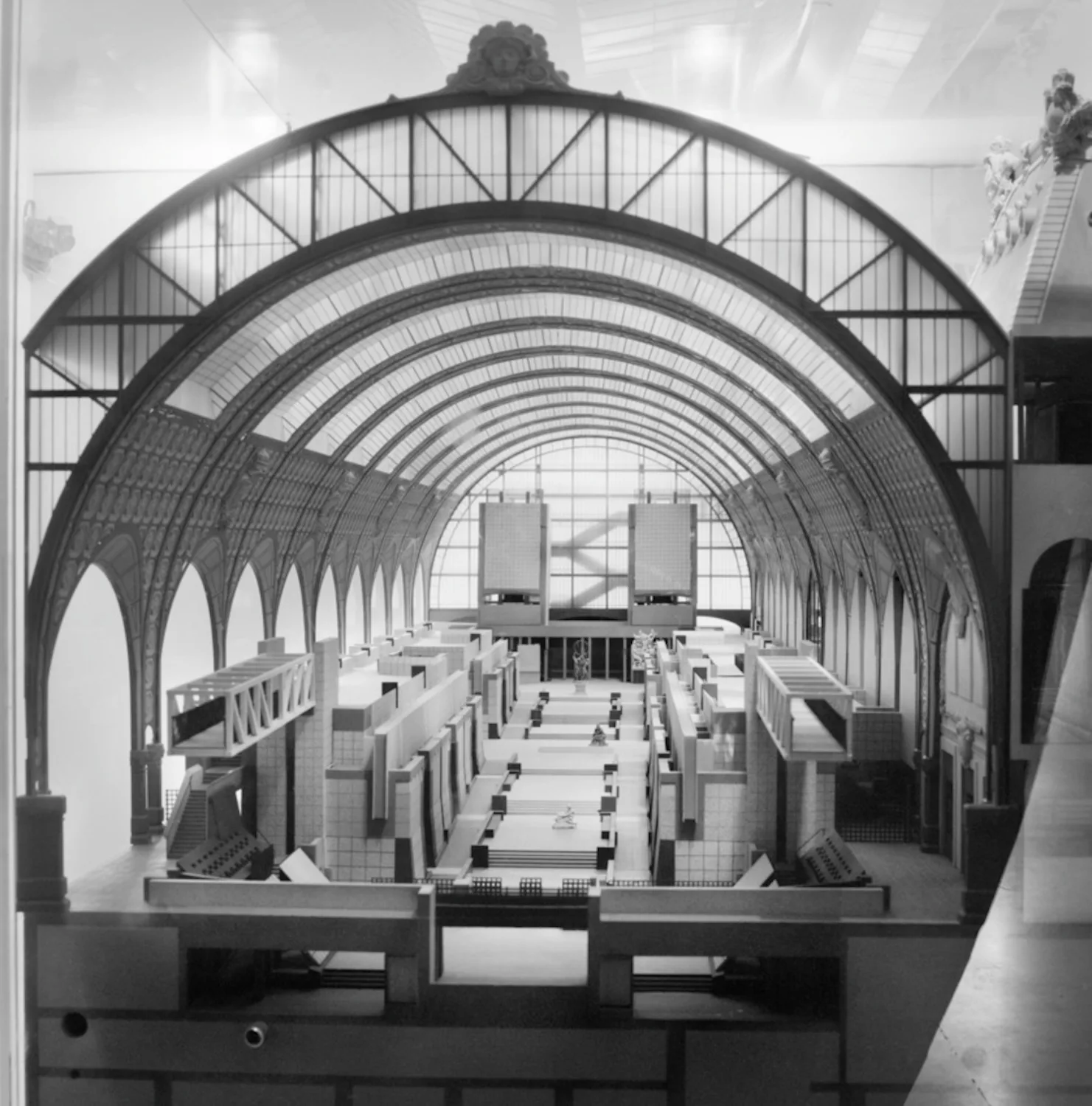
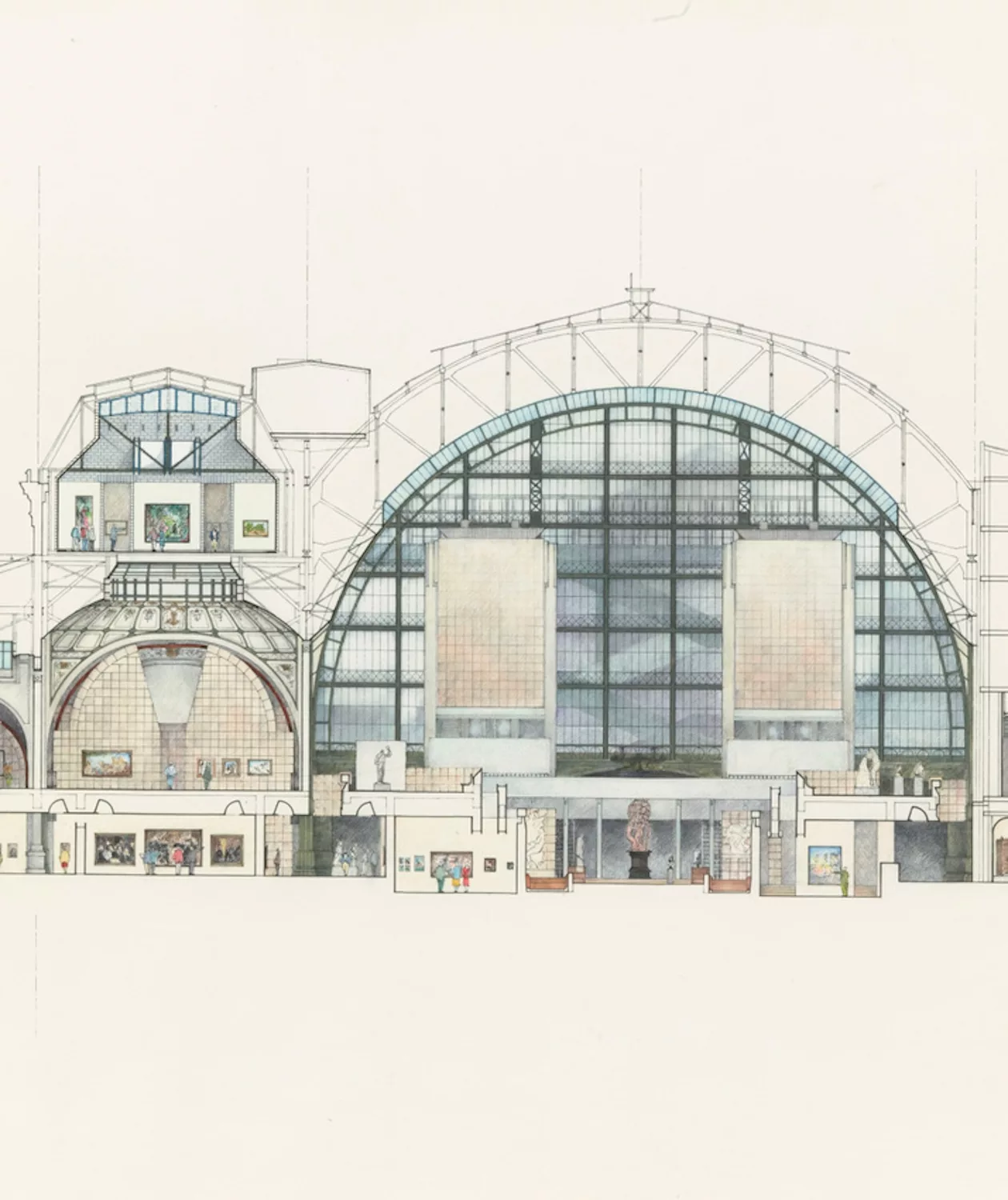
G. Aulenti belonged to a generation of designers who revolutionised Italian industrial design. She was also amongst the artists featured in the 1972 exhibition “Italy: The New Domestic Landscape” at MoMA in New York, alongside Ettore Sottsass (1917–2007), Joe Colombo (1930–1971) and Mario Bellini ( 1935–). From the 1980s onwards, she gained international recognition by leading large-scale architectural projects. She oversaw the conversion of the Gare d’Orsay into an art museum (1980–1986), the redesign of the Centre Pompidou’s exhibition spaces (1982), the redevelopment of Venice’s Palazzo Grassi (1985) and the transformation of Barcelona’s Palau Nacional into the Museu Nacional d’Art de Catalunya (1987–2004). Awarded the prestigious Praemium Imperiale in Japan in 1991, G. Aulenti has had several retrospectives, notably at the Vitra Design Museum in Germany in 2022 and at the Triennale Milano in 2024.
A biography produced in partnership with the Centre Pompidou.
© Archives of Women Artists, Research and Exhibitions, 2026