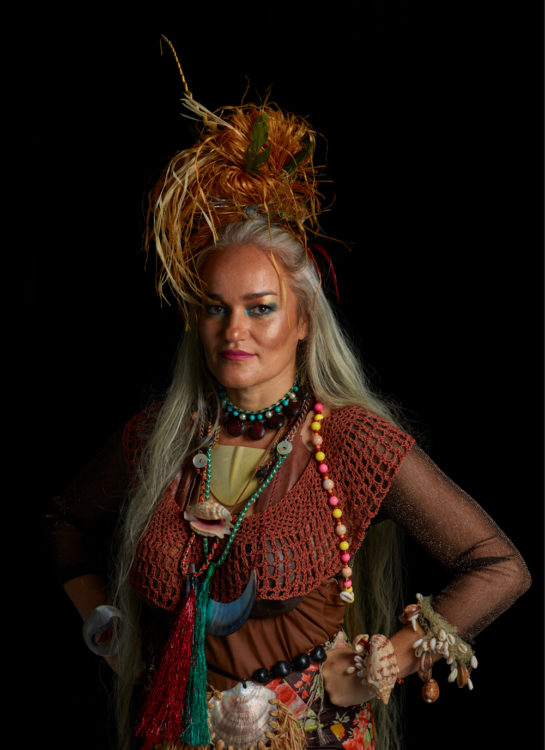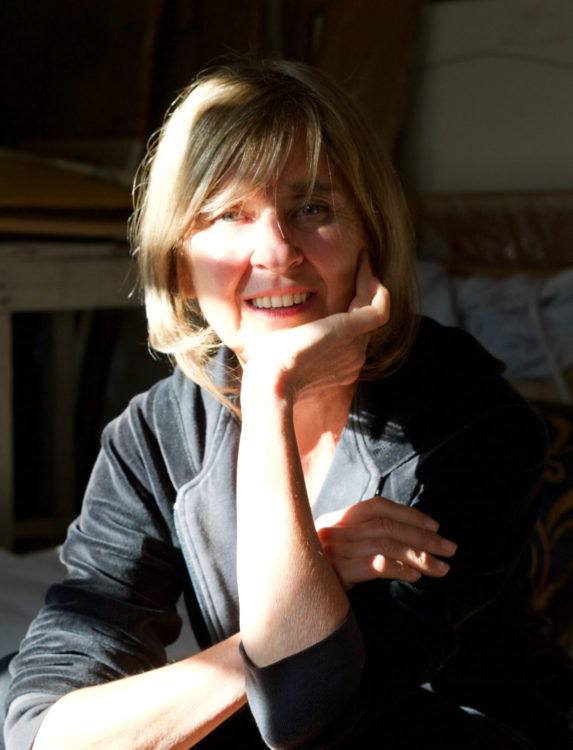
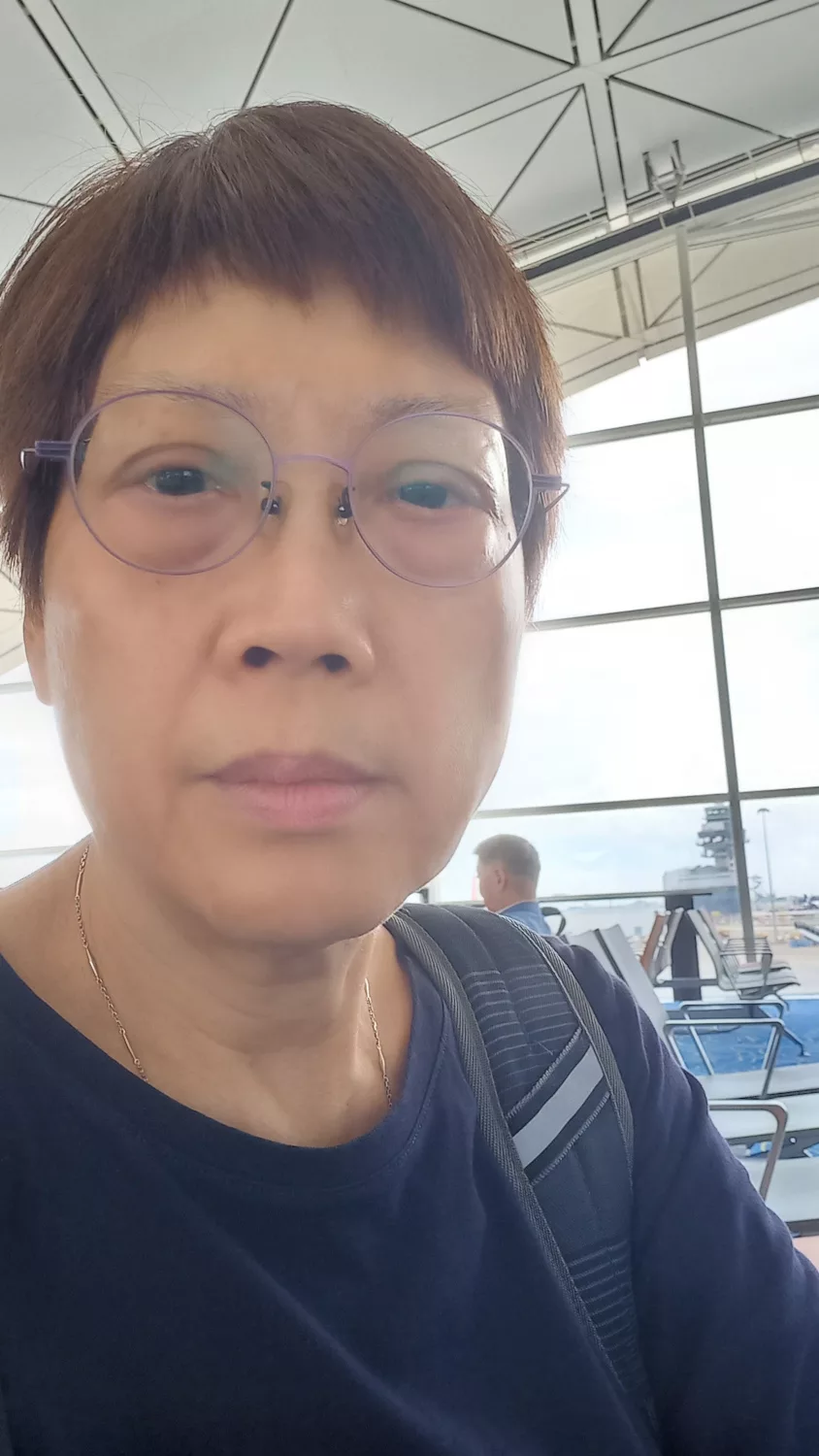
Portrait of Stella Tang Ying Chi, 2026 by Stella Tang Ying Chi © Courtesy of the artist
Mok, Pauline (ed.), There is a Gleam of Light in the Mountain Far Away: Tang Ying Chi, Hong Kong, Mackie Study, 2004
→Lee, Sohl, “Perfidious Fidelity to Paintings in Tuen Mun by Stella Tang Ying Chi,” in Walk-in Tuen Mun, A Residency Project at Lingnan University, exh. cat., Department of Visual Studies, Lingnan University, Hong Kong (6–8 May, 2010), Hong Kong, Department of Visual Studies, Lingnan University, 2010
→Eliza Lai, Meilin (ed.), Sauntering through My City—Serial Works by Tang Ying Chi, Hong Kong, Brownie Publishing, 2017
The Place-Fantasia of Scenery by Tang Ying Chi, Sun Museum, Hong Kong, 30 April–10 July, 2021
→These Streets Here Are So Nice – New work of Tang Ying Chi, Voxfire Gallery, Hong Kong, 2013
→Beauty, Happiness & Intelligence, Fringe Gallery & Foyer, Fringe Festival 96, Hong Kong, 1996
Hong Konger mixed-media artist and curator.
Hong Kong-based artist Stella Tang Ying Chi received her Bachelor of Fine Arts in 1989 at Goldsmith College at the University of London. She continued her education in Australia at the Royal Melbourne Institute of Technology University and received her master’s and Ph.D. in fine arts in 2003 and 2008 respectively. Tang has been active in the art world since the 1990s and has received critical acclaim for her curatorial and artistic works locally and globally.
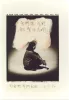
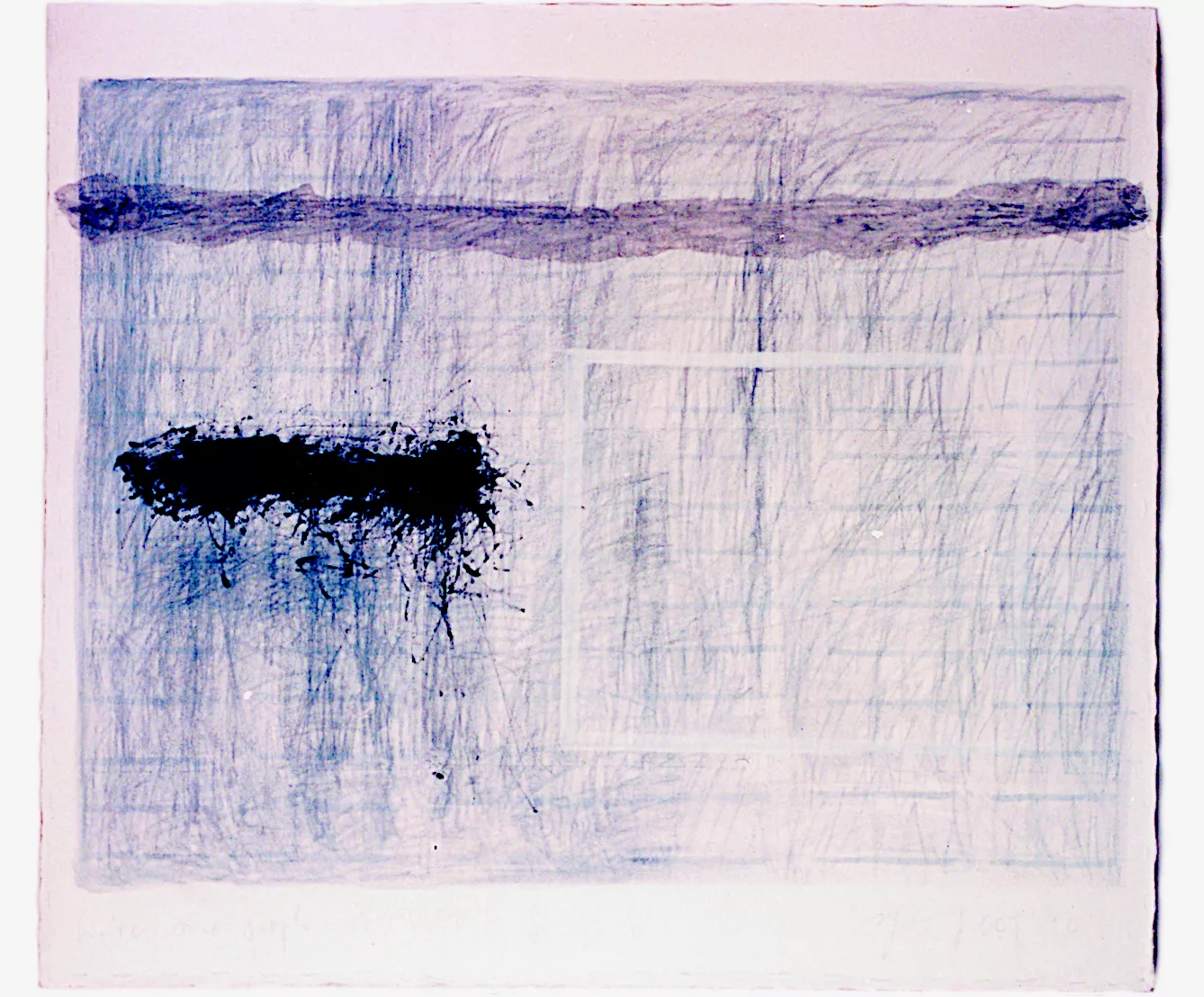
From 1991 to 2003, Tang experimented with the idea of translating language into two-dimensional visual forms. In We’re Nice People (1991), Tang uses repetitive straight lines to form an abstract manuscript. The gestures created by the abstract lines produce a non-conventional language. The sporadic, almost autographic nature of the lines are meant to mimic the emotional turmoil that Hong Kong residents faced in relation to the political state of Hong Kong at the time. Over the next decade, Tang continued to create expressive art that reflect the growing disconnect that traditional culture had with contemporary life in Hong Kong.
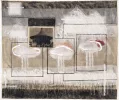
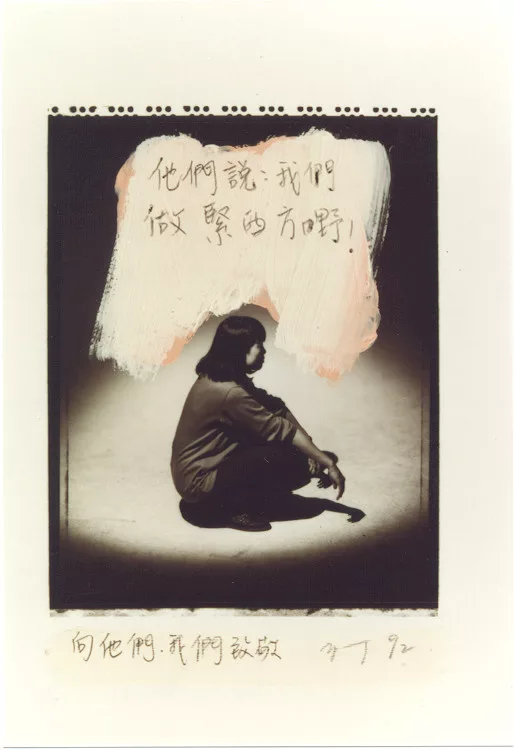
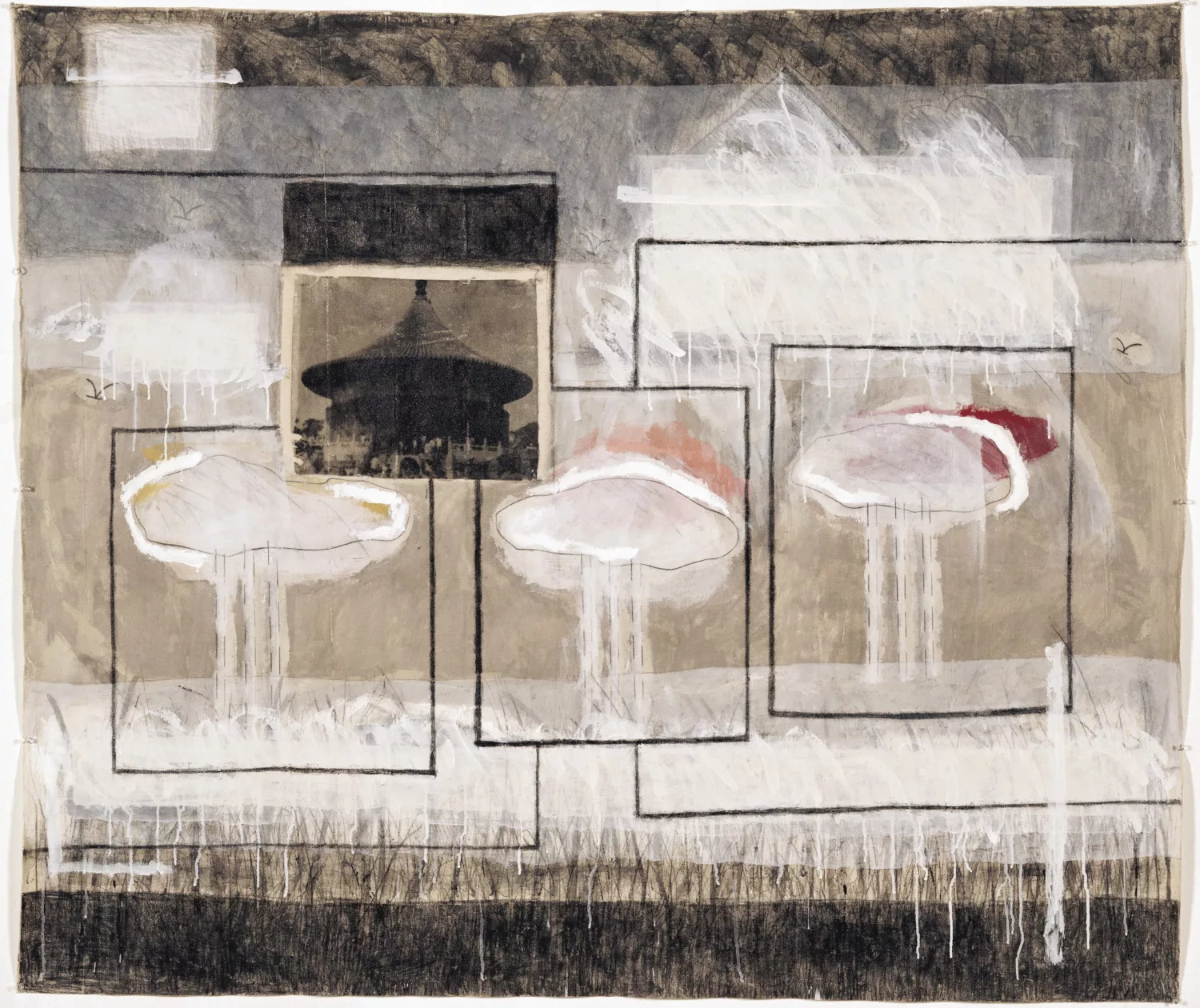
In the series, Hong Kongese as Identity (1991–1998), Tang explores her own political and social identity as a Hong Kong resident. Love, Beauty, and Happiness VI (1995) epitomises the various internal struggles caused by political transition in the 1990s Hong Kong. Through juxtaposing gestural abstract elements and photo emulsions of images of traditional Chinese architecture, Tang conveys the helpless feeling of being unable to reconcile the conflicting policies of Mainland China, a controlled society, and Hong Kong, a society with relatively more freedom. The figures and images are separated by boxes, implying the artist’s own mental state through the compartmentation of trying to find structure in a structureless time.
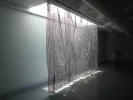
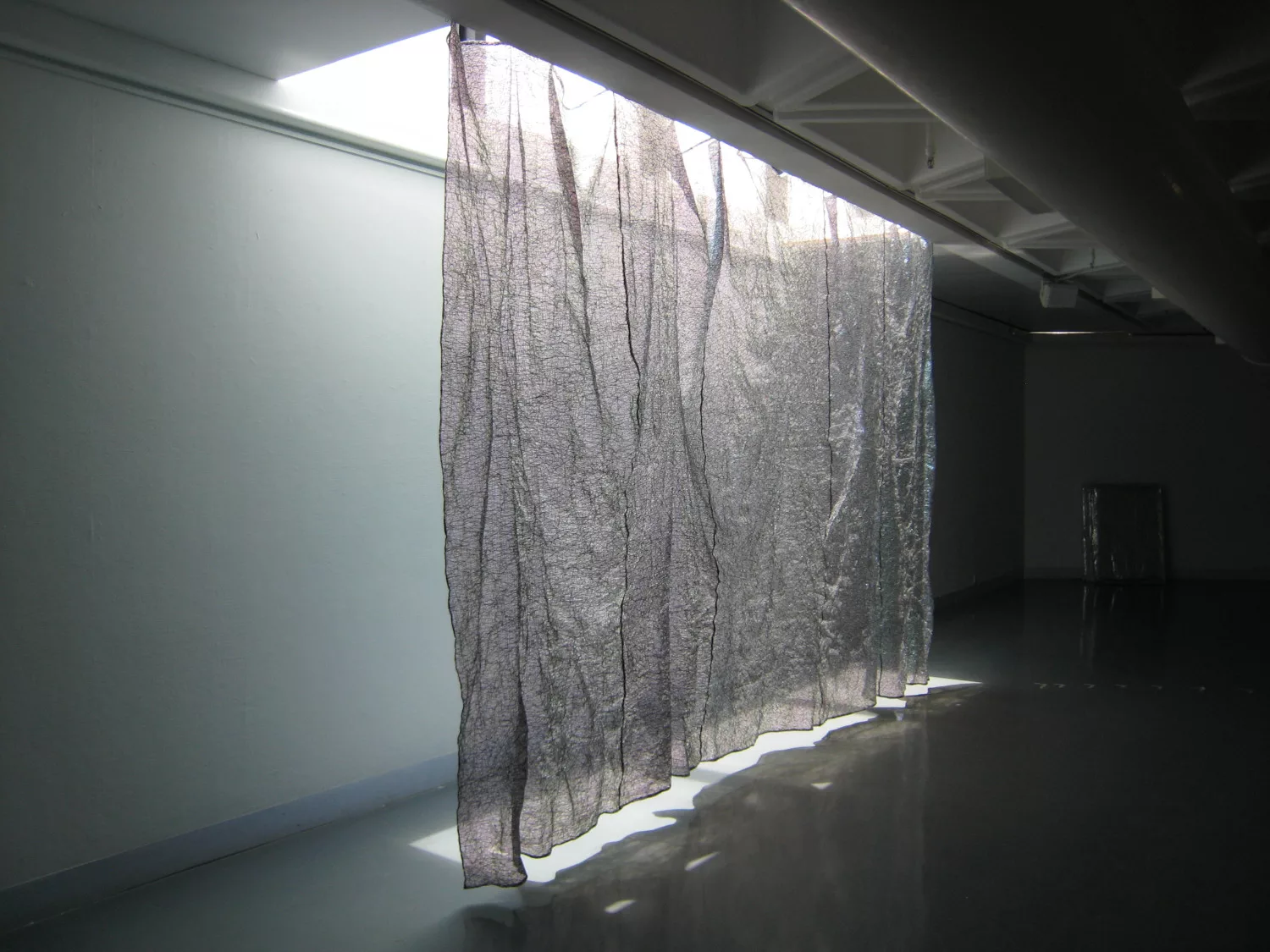
During the turn of the twenty-first century, Tang explored other art mediums and began working with three-dimensional forms, such as Visual Veil Series (2003–2009). Transforming different types of textiles into sculpture, this series represents the people of Hong Kong, especially women, who are often overlooked for their contribution to Hong Kong society. Light/Line (2008) is an ode to the middle-aged women who worked in the textile industry in Hong Kong. The translucent hanging sculpture acts as a veil for viewers to look through the curtain to see who is truly behind one of the main driving forces of the Hong Kong economy and consumerism.
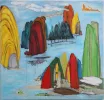
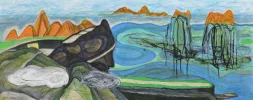
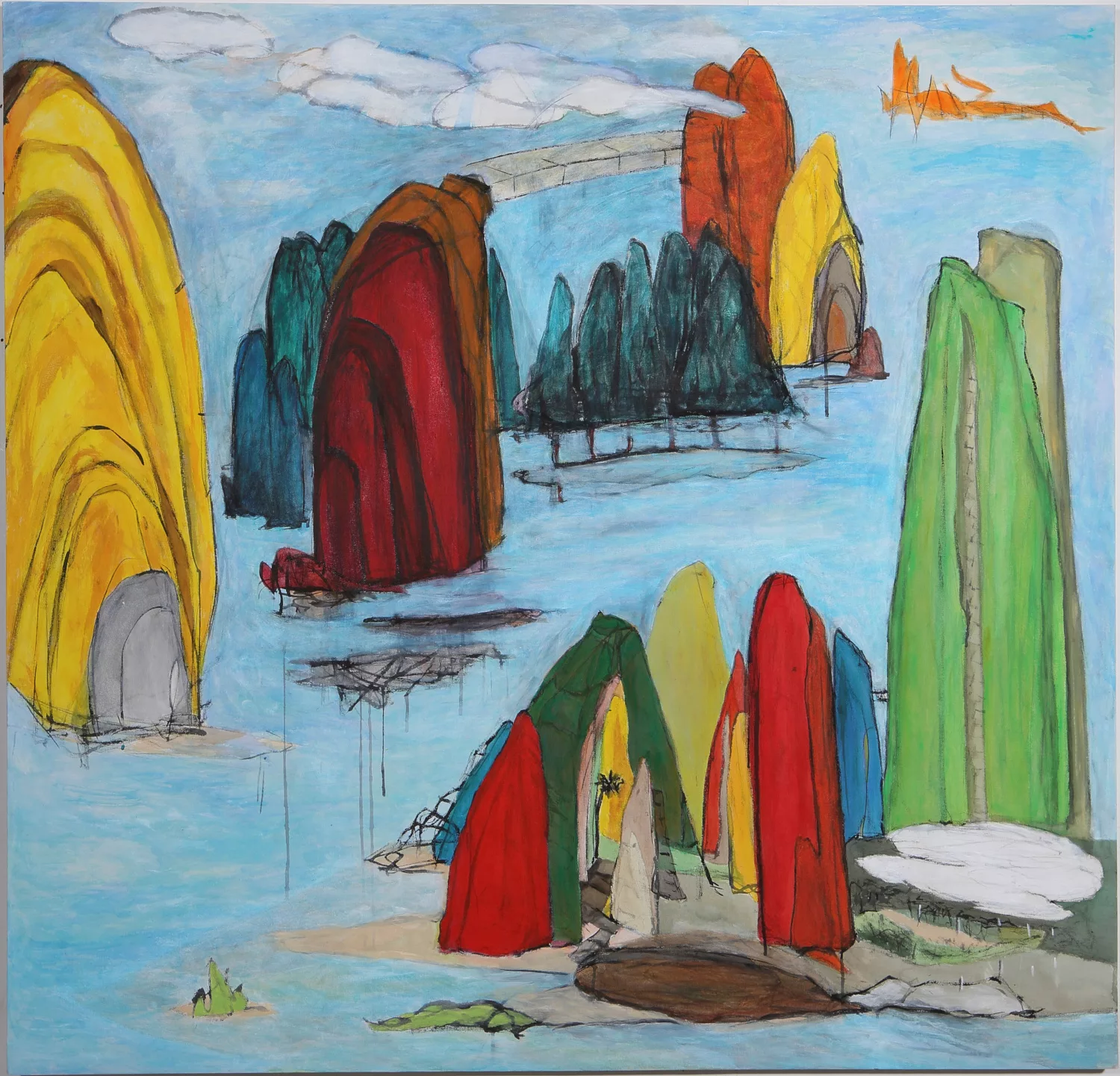
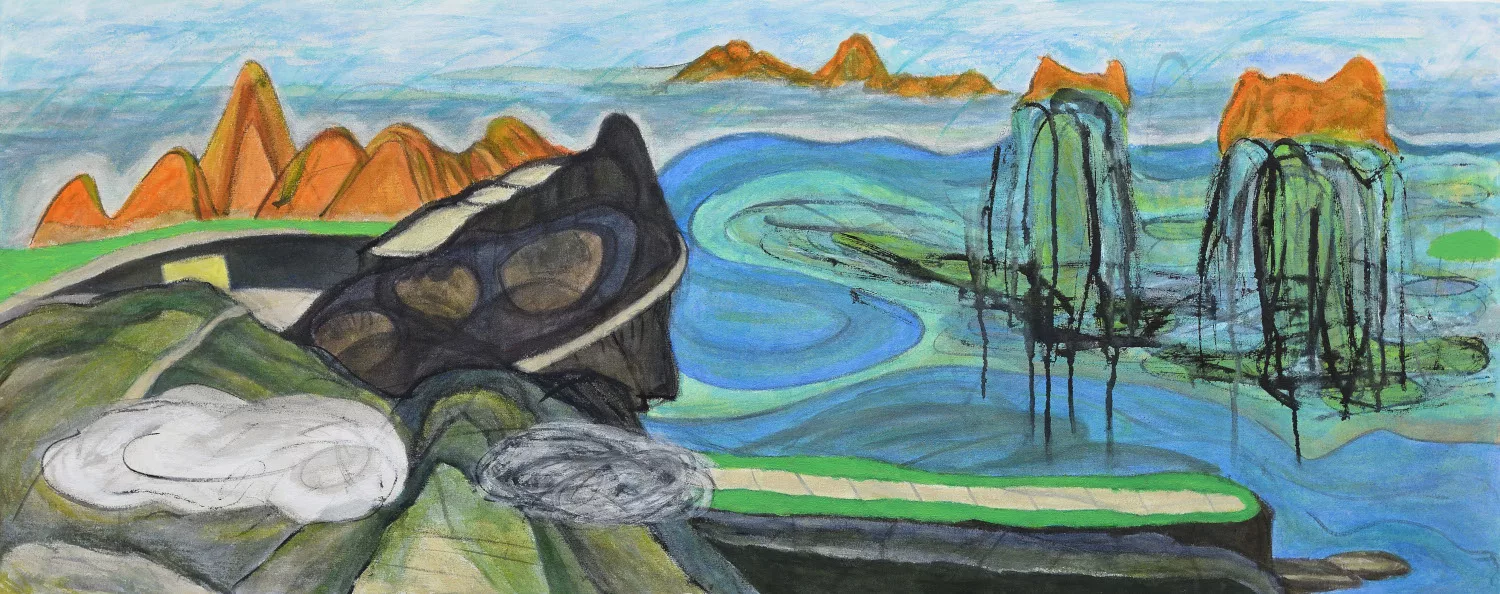
Tang’s The Place (2020–2022) depicts abstract landscapes that reference those in traditional Chinese paintings, suggesting multiple visual and political perspectives. This series was created in response to the 2019 Hong Kong protests and reflects on the pursuit of free will and individualism. The series is an accumulation of Tang’s understanding of traditional Chinese art forms and their contemporary interpretations. The work reflects on the free spirit expressed in traditional landscapes, symbolising Hong Kongers’ desire for freedom of expression.
Tang’s works have been collected by Hong Kong Museum of Art, Hong Kong Heritage Museum, Museum of Contemporary Art Beijing (MoCA, Beijing, China), Xihu Contemporary Art Gallery (Hangzhou, China), Central Library of Sydney, Australia and Art Metropole (Toronto, Canada).
A notice produced as part of the TEAM international academic network: Teaching, E-learning, Agency and Mentoring
© Archives of Women Artists, Research and Exhibitions, 2026