Abusaada, Nadi, “Self-Portrait of a Nation: The Arab Exhibition in Mandate Jerusalem, 1931–34,” Jerusalem Quarterly, no. 78, 2019, p. 6–23
→Ari, Nisa, “Spiritual Capital and the Copy: Painting, Photography, and the Religious Image in Mandate Palestine,” Getty Research Journal, no. 10, 2018, p. 89–102
→Tibi, Laura, “The Roots for a Palestinian Nahda: Zulfa al-Sa’di and the Advent of Palestinian Modern Art,” Jerusalem Quarterly, no. 83, 2020, p. 7–25
The Pioneers: Paintings, Prints, and Textiles, Darat al-Funun, Amman, 7 March–24 April, 2017
→Zulfa al-Sa’di, Darat al-Funun, Amman, October–November, 1998
→The First Arab Exhibition in Palestine, Palace Hotel, Jerusalem, 1 July–August, 1933
Palestinian painter, embroiderer and educator.
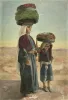
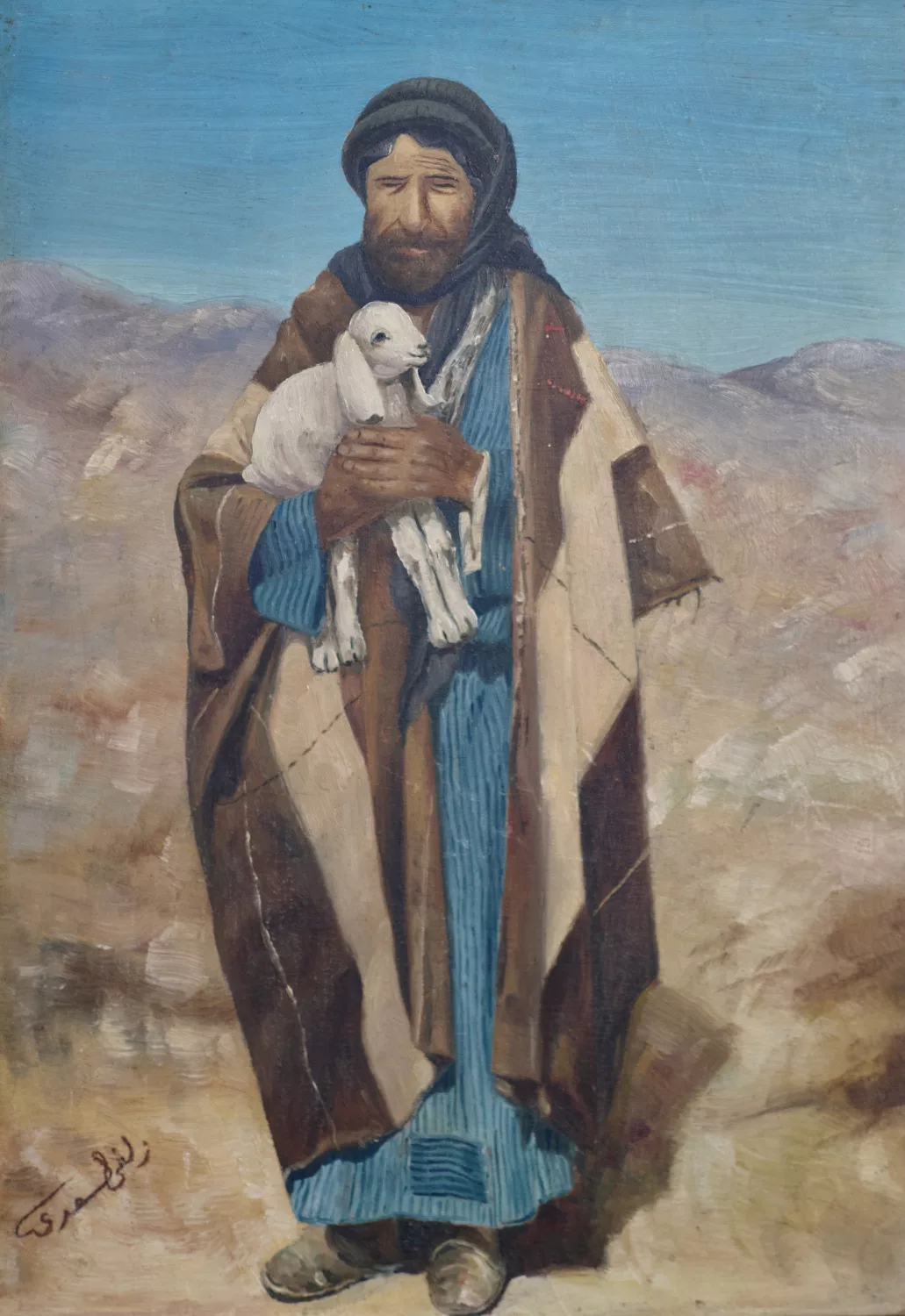
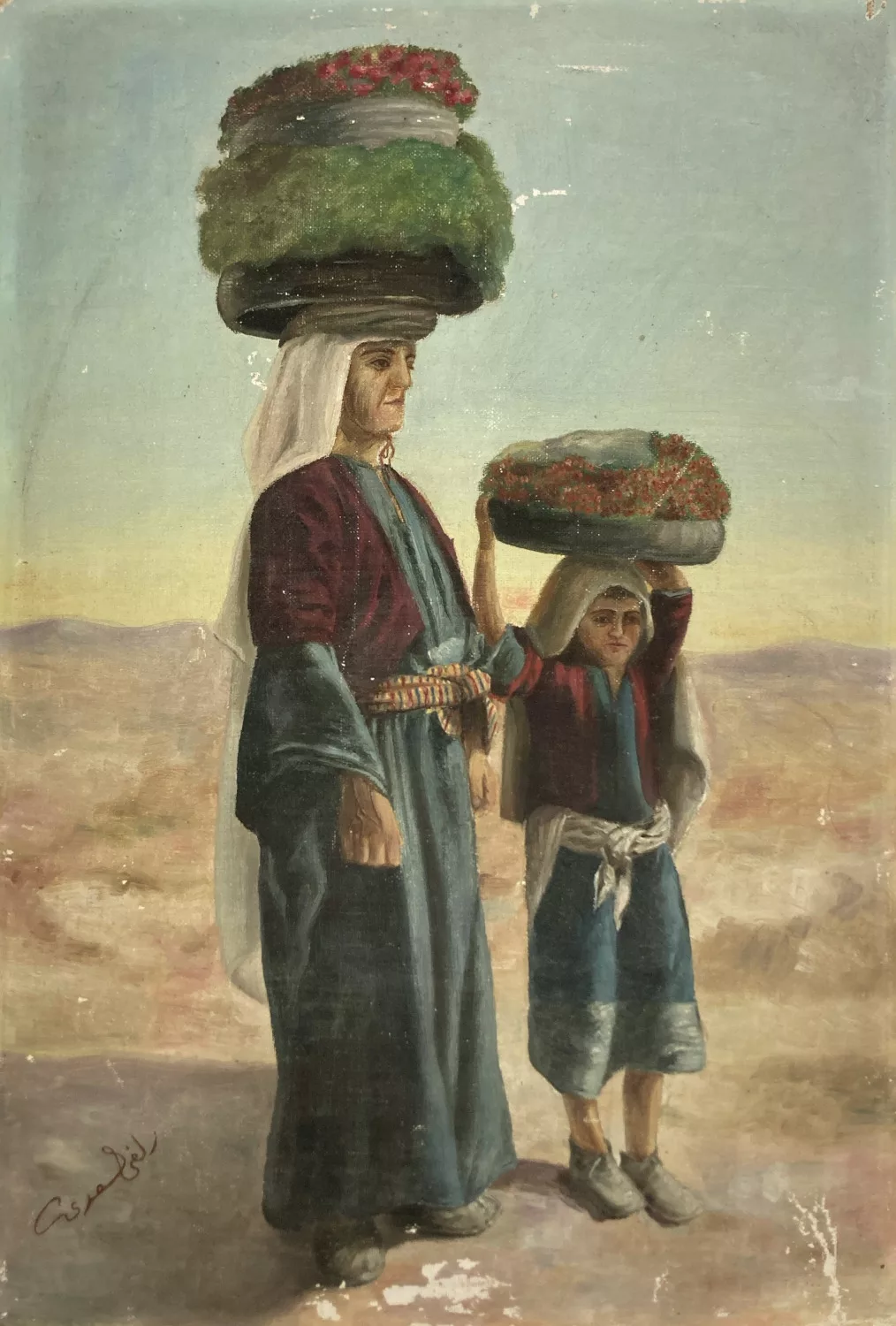
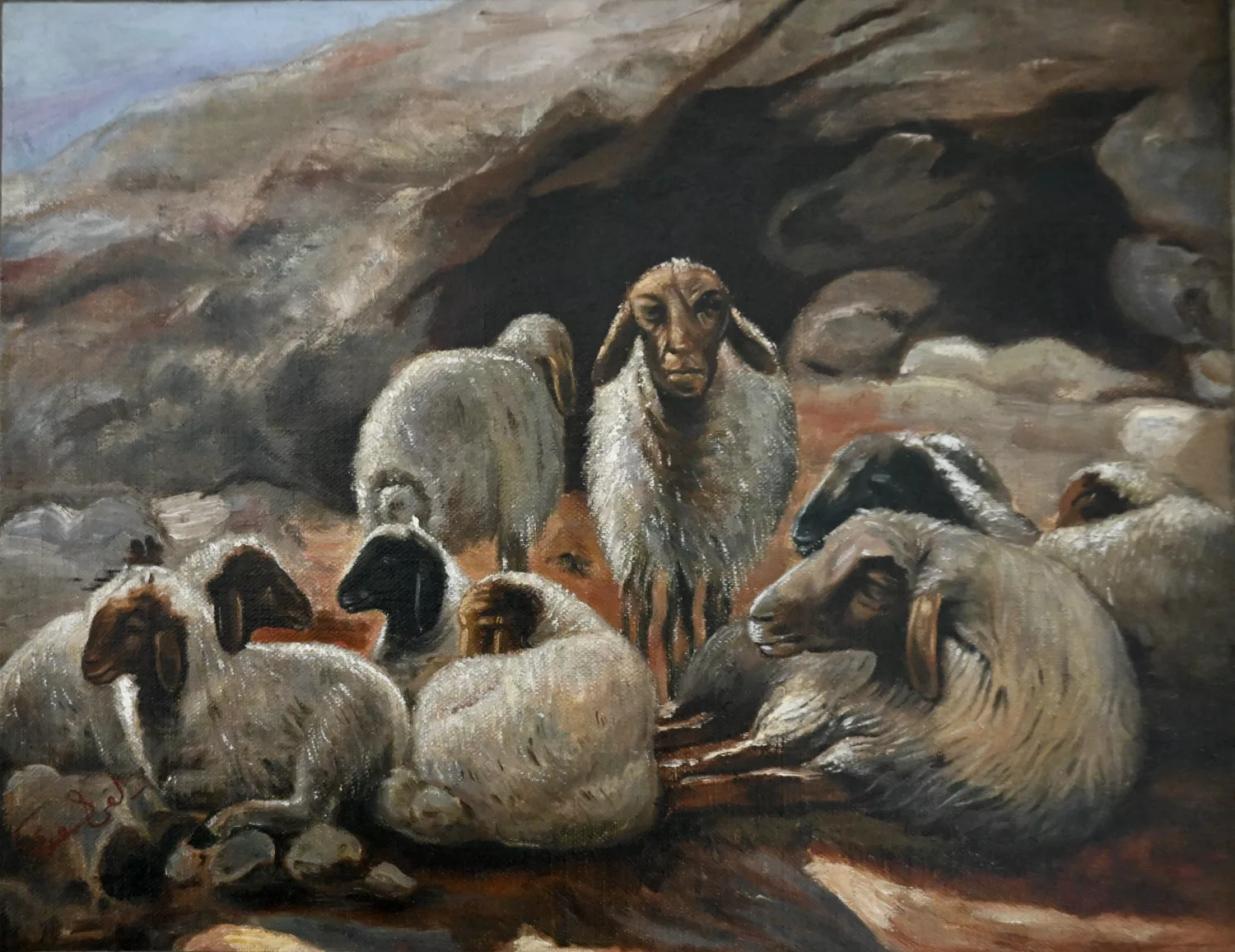
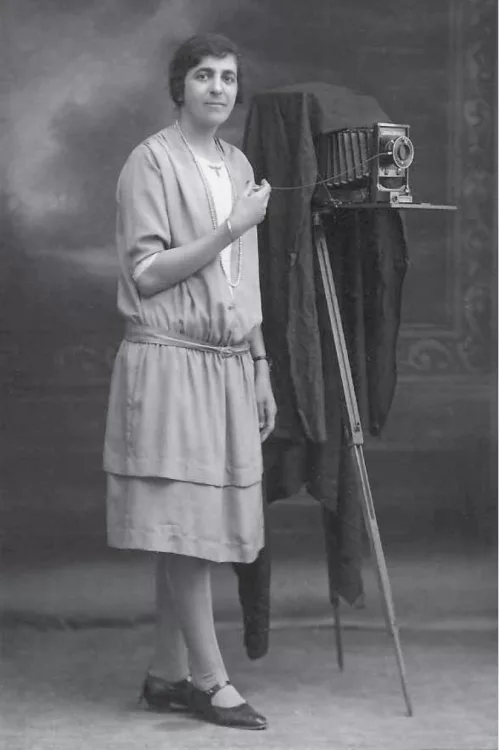
Zulfa al-Sa’di was born into a prominent family from Jerusalem’s old city. She began painting at an early age, with her family encouraging her talent. She received private art training from iconographer and painter Nicola Saig (1863–1942), a key figure in pre-Nakba Palestinian art. Z. al-Sa’di’s practice is deeply rooted in Jerusalemite visual culture, blending fine arts and crafts, such as painting and embroidery. Her subjects ranged from folklife and landscapes to still life and popular portraits, primarily following the traditions of classical academic art, framed within an anti-colonial, Arab context.
During the 1948 Nakba, Z. al-Sa’di fled with her family and her husband, Saif al-Din al-Dajani, to Damascus, marking the start of her journey as an artist and educator in exile. She taught at Madrasat al-Jawhar (Al Jawaher School) in 1948 before transferring to Madrasat al-Lid in Hay al-Akrad (the Lydda School), an UNRWA facility inside a Palestinian refugee camp in Damascus, where she served as principal until her retirement in 1976 or 1977.
The few surviving works by Z. al-Sa’di display an influence from Christian icon paintings, yet Z. al-Sa’di merged this style with Islamic themes, symbolising a period of Arab unity through depictions of leading figures. Her art bridges the personal, the folkloric and the political, reflecting a nuanced representation of her surroundings beyond the technical aspect.
Z. al-Sa’di presented her work in a special feature within the art section of the First National Arab Fair in Jerusalem in July 1933 – an exhibition now recognised as one of the first solo shows by a Palestinian woman artist. Her contributions included oil paintings, handmade crafts, embroidery and portraits of prominent Arab figures. The National Arab Fair was not just an artistic or economic platform; it also served as a political statement aimed at countering Zionist narratives and highlighting Palestinian contributions.
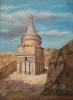
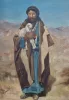
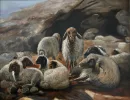
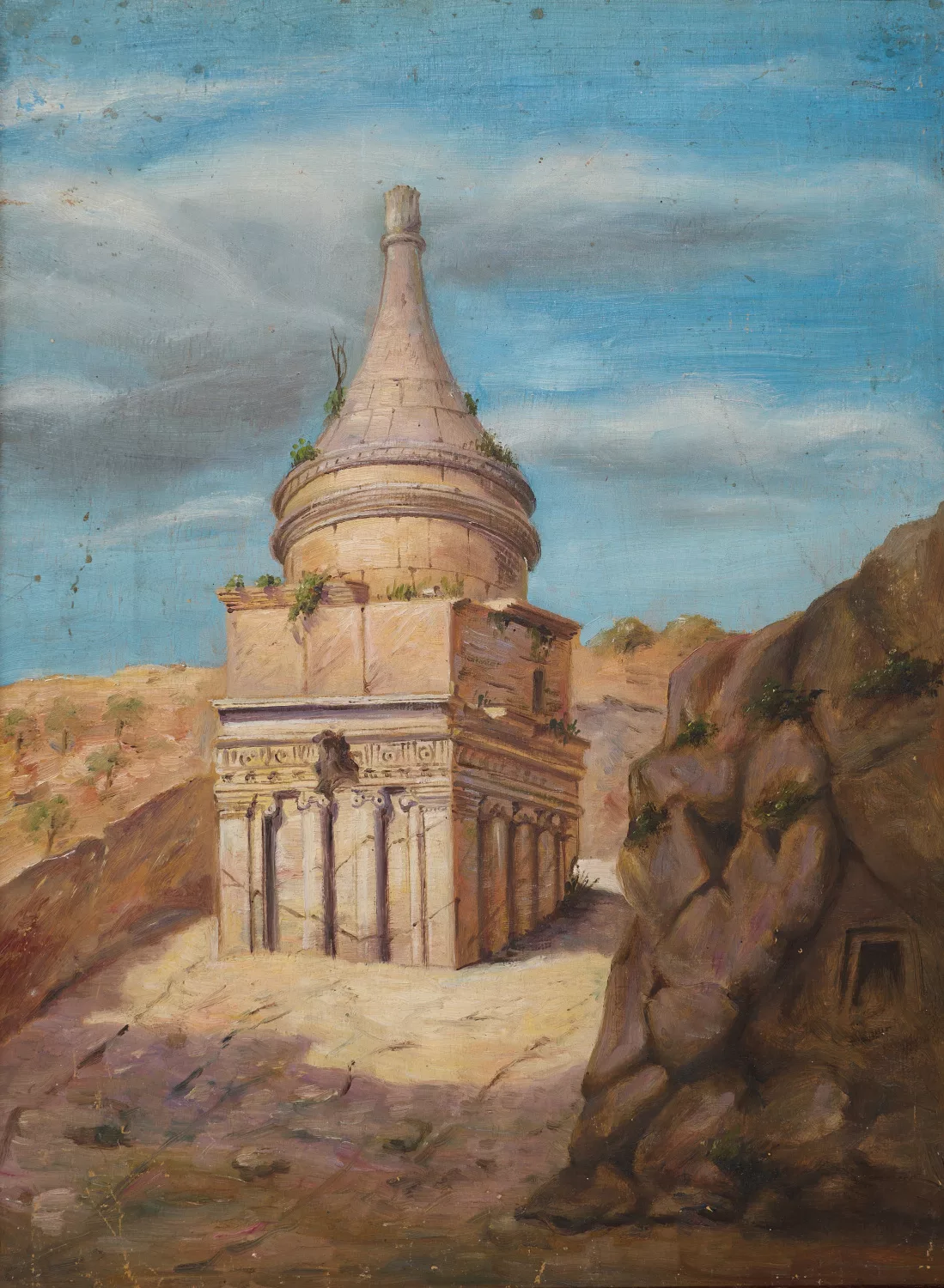
Her close-up compositions blended photographic realism with a mythical quality, evoking a sense of understated holiness such as the works Sharyf Husayn (ca. 1931) and King Faysal I in Iraq (ca. 1931). Z. al-Sa’di’s style possesses an almost illusionistic quality. Her materials included oil on canvas, charcoal and cardboard, and she often integrated poetry, such as that of the 7th century Arab poet Al-Farazdaq, in portraits of Arab leaders and poets, including Omar al-Mukhtar, Sharif Hussein al-Hashimi and Ahmed Shawqi. In addition to her documentation of Jerusalemite monuments such as Pharaoh’s Hat [Tomb of Absalom, ca. 1940], folkloric scenes, and still lifes, her commitment to national identity was reflected in her support for Al Thuwar (the revolutionaries) in 1936 during the British mandate, as highlighted by her niece Isam Ouwaid, adding depth to her artistic vision.
Since the 1990s, Z. al-Sa’di’s work has gained more recognition, mainly due to her family’s donation of her pieces to Ismail Shamout (1930–2006) and Tamam al-Akhal (1935–) after her death. Artist Mahmoud Taha (1942–2017) first brought attention to her art, introducing it to I. Shammout, which led to an exhibition of around eighteen of her twenty-five surviving works at Darat al-Funun in Amman (1998). The historical resources documenting her legacy remain limited: a guest book from her exhibition at the First National Arab Fair, I. Shammout and Kamal Boullata’s (1942–2019) writings and observations, and recollections from her family.
A notice produced as part of the TEAM international academic network: Teaching, E-learning, Agency and Mentoring
© Archives of Women Artists, Research and Exhibitions, 2026