Lady Erb Bunnag


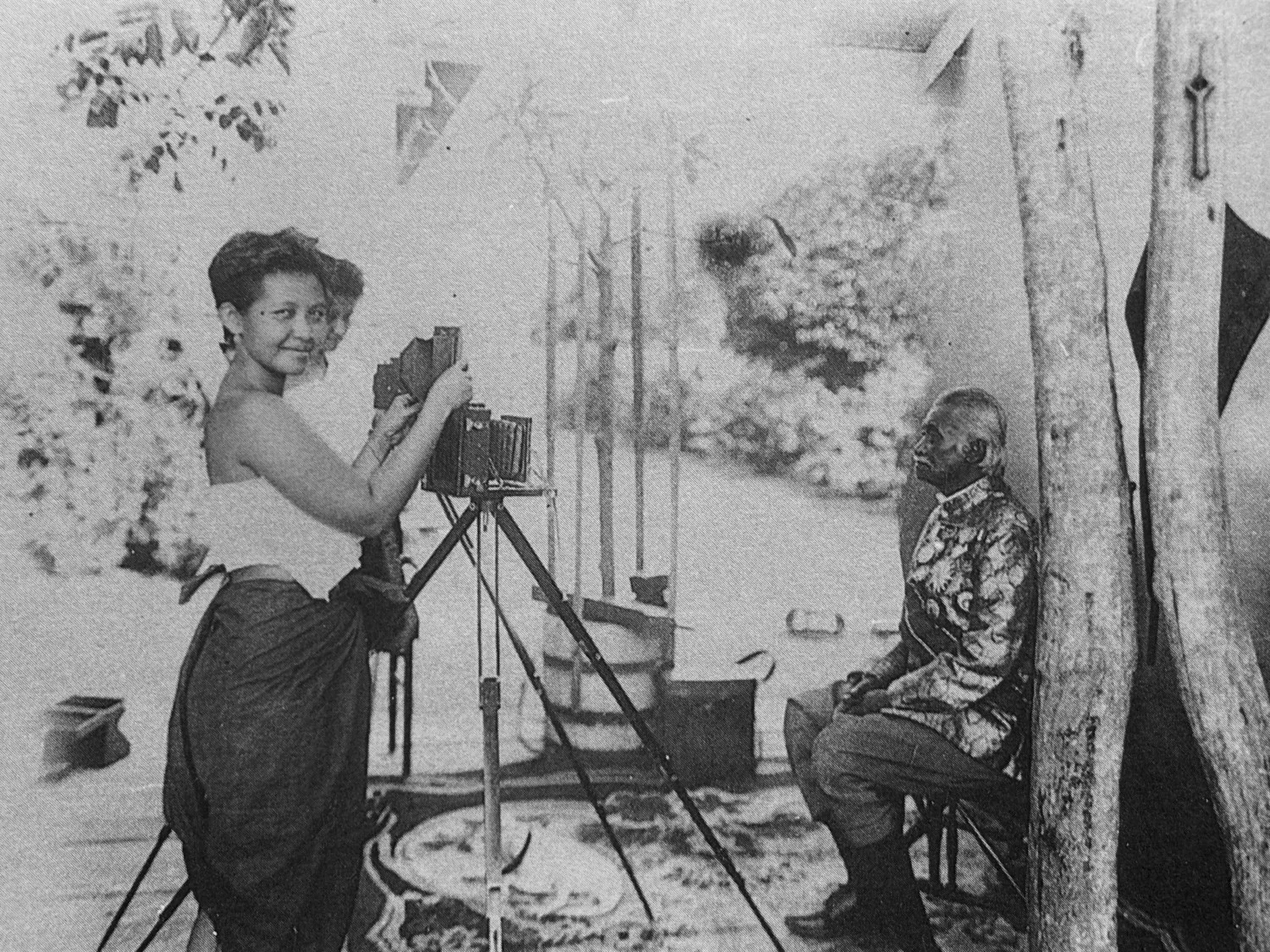
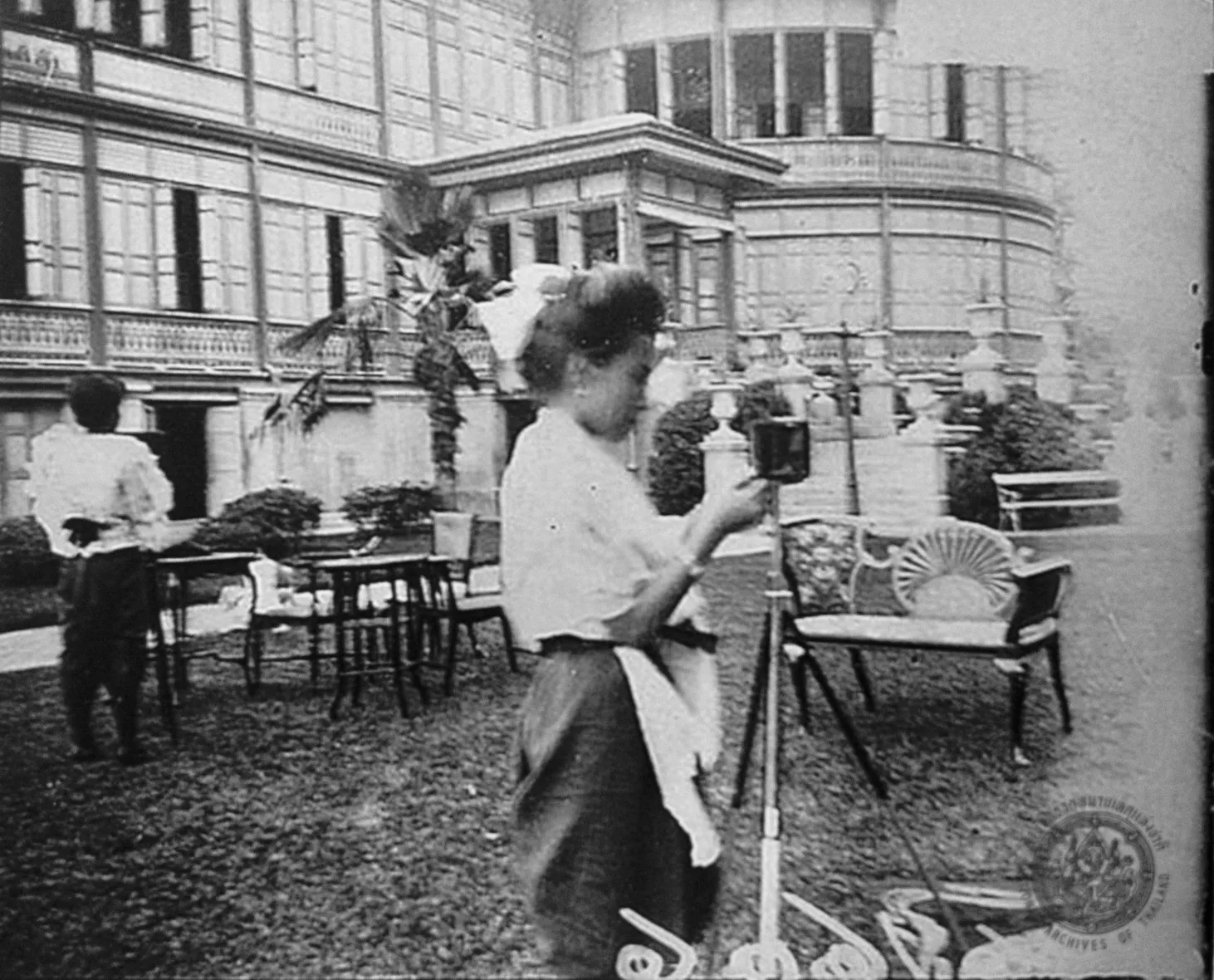
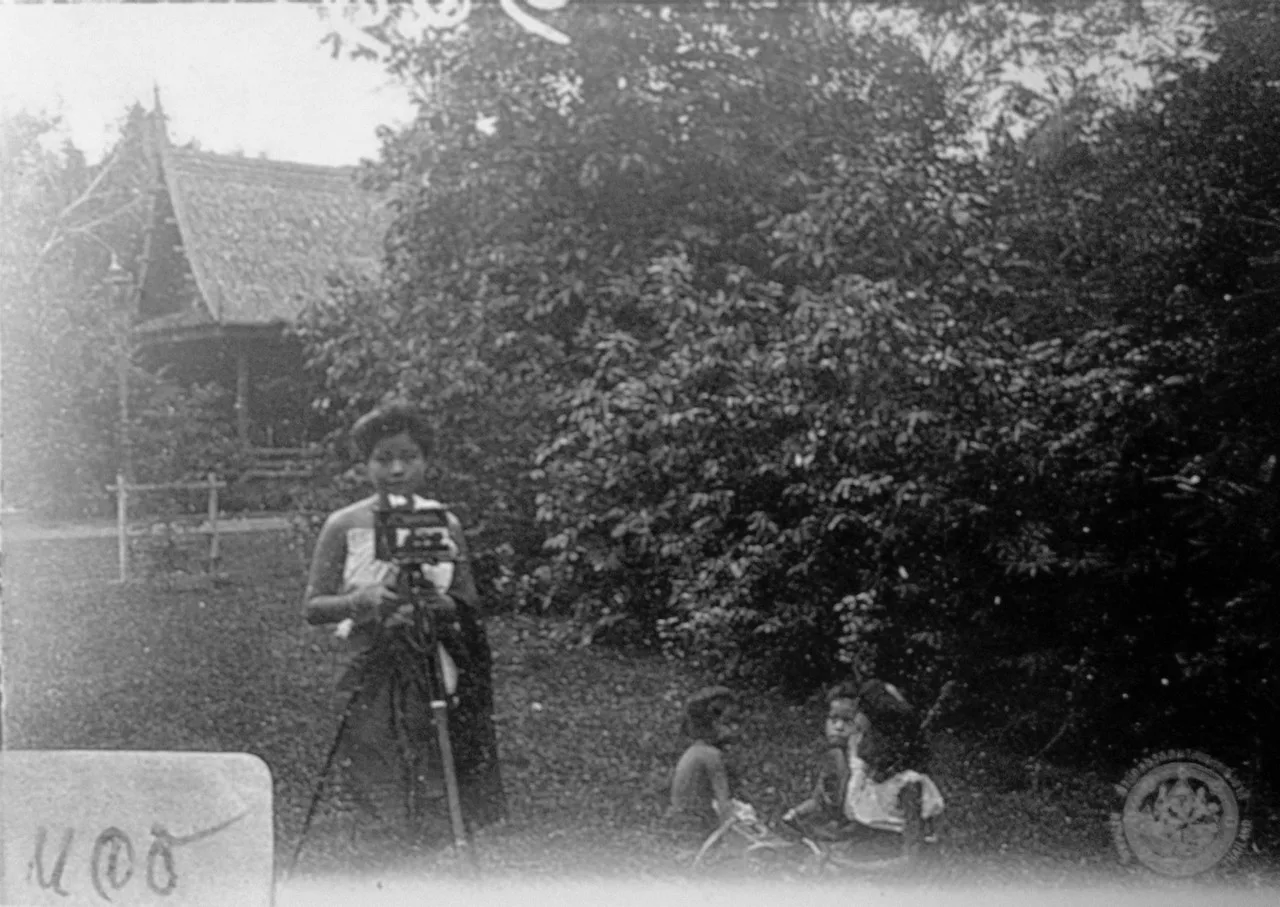
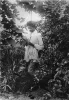
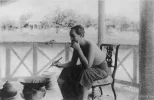
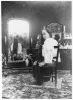
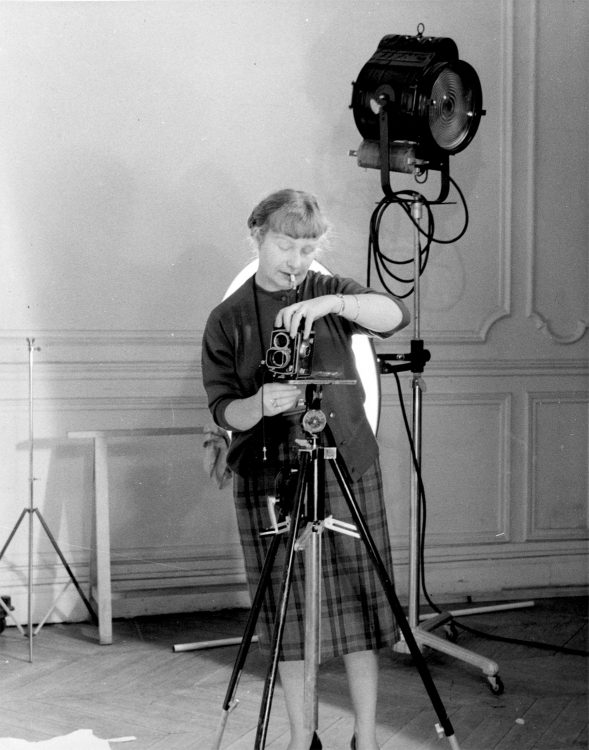
Portrait of Erb Bunnag taking a photo of her father, High Minister Chuang Bunnag, ca. 1901, National Archive of Thailand, Bangkok
Castro-Woodhouse, Leslie Ann, “Concubines with Cameras: Royal Siamese Consorts Picturing Femininity and Ethnic Difference in Early 20th Century Siam,” Trans-Asia Photography Review 2, Issue 2, 2012, http://hdl.handle.net/2027/spo.7977573.0002.202
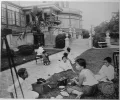
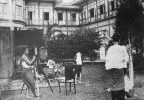
Temple Fair Photography Exhibition, Wat Benchamabophit, Bangkok, December 1905–February 1906
Thai photographer.
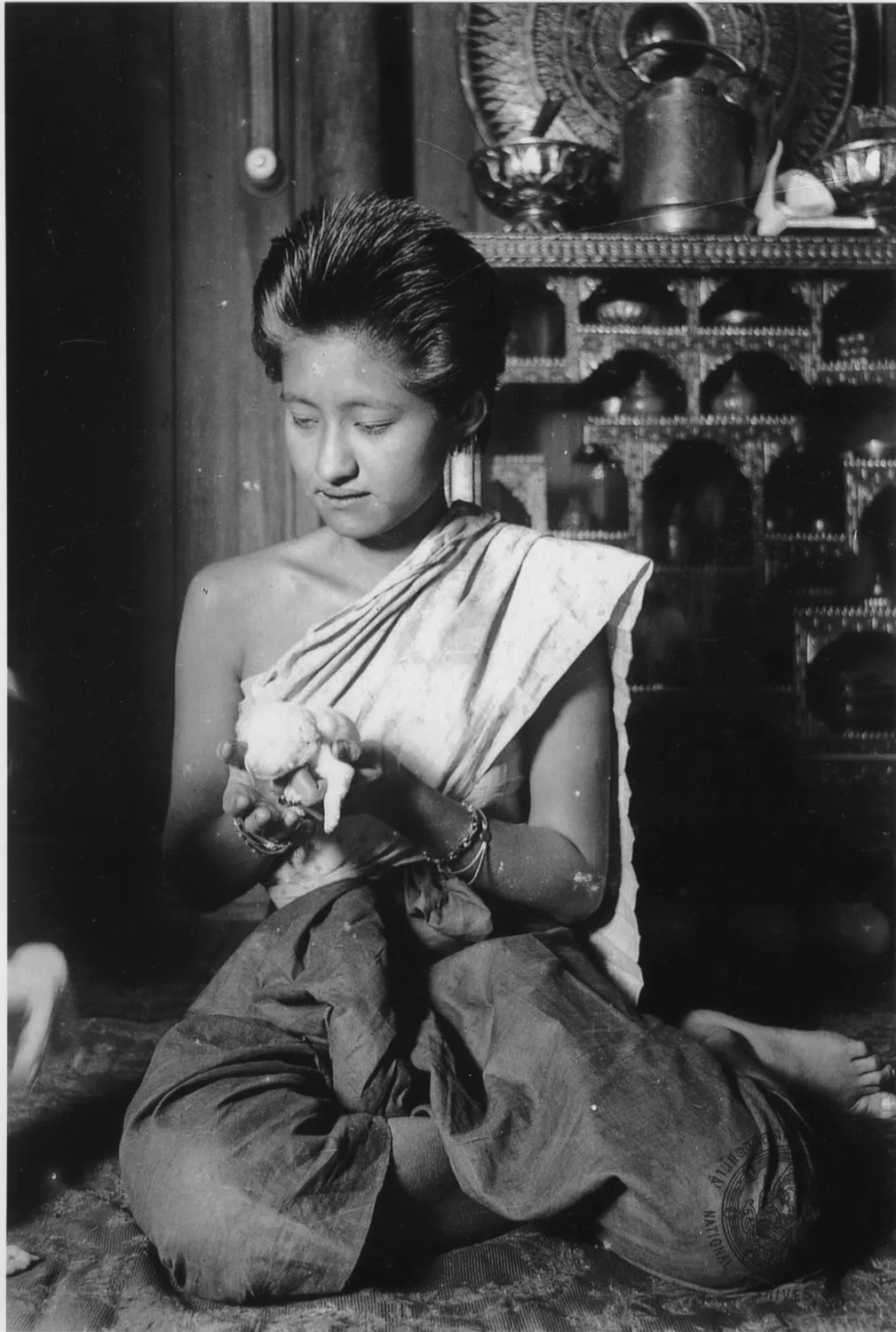
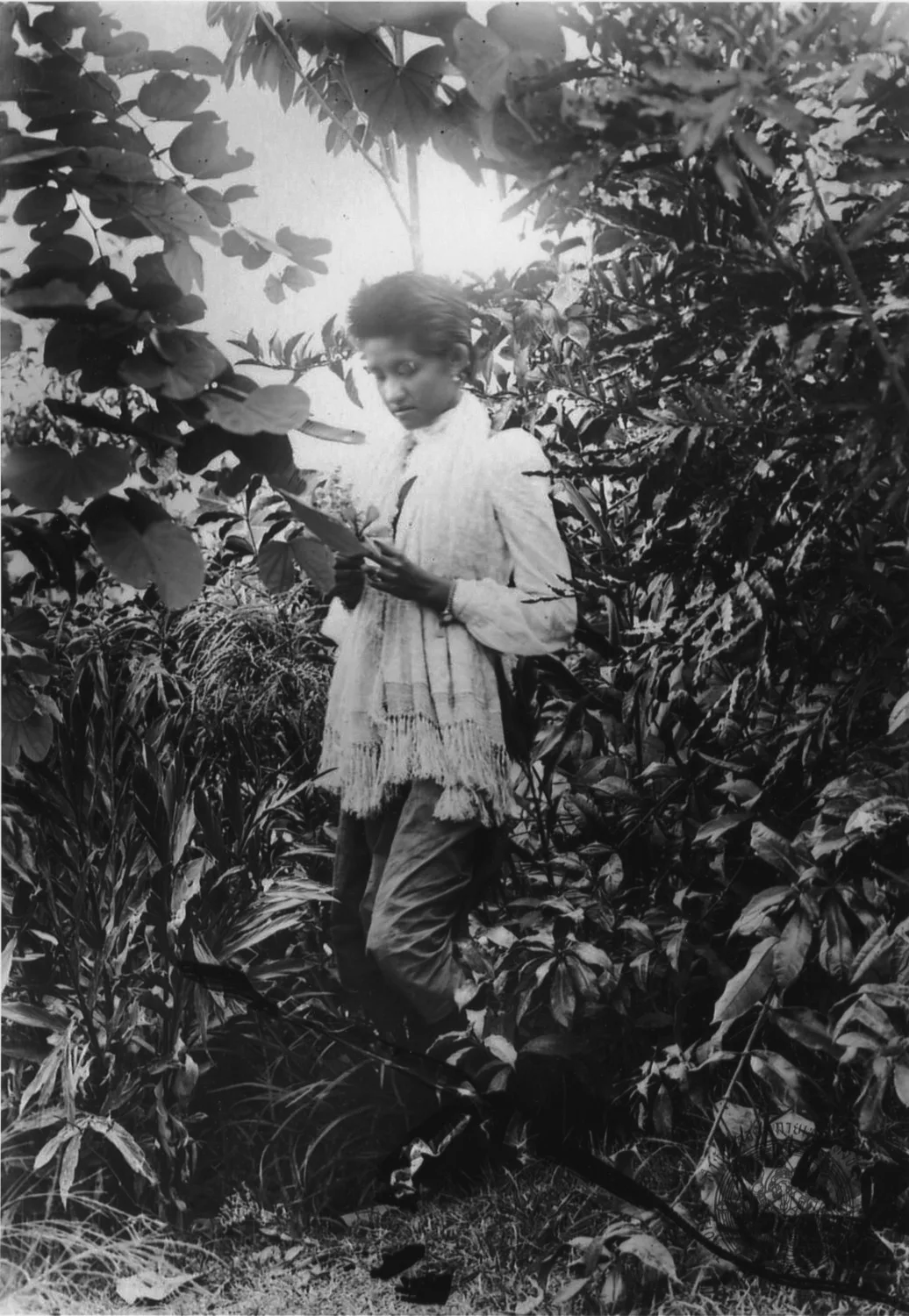
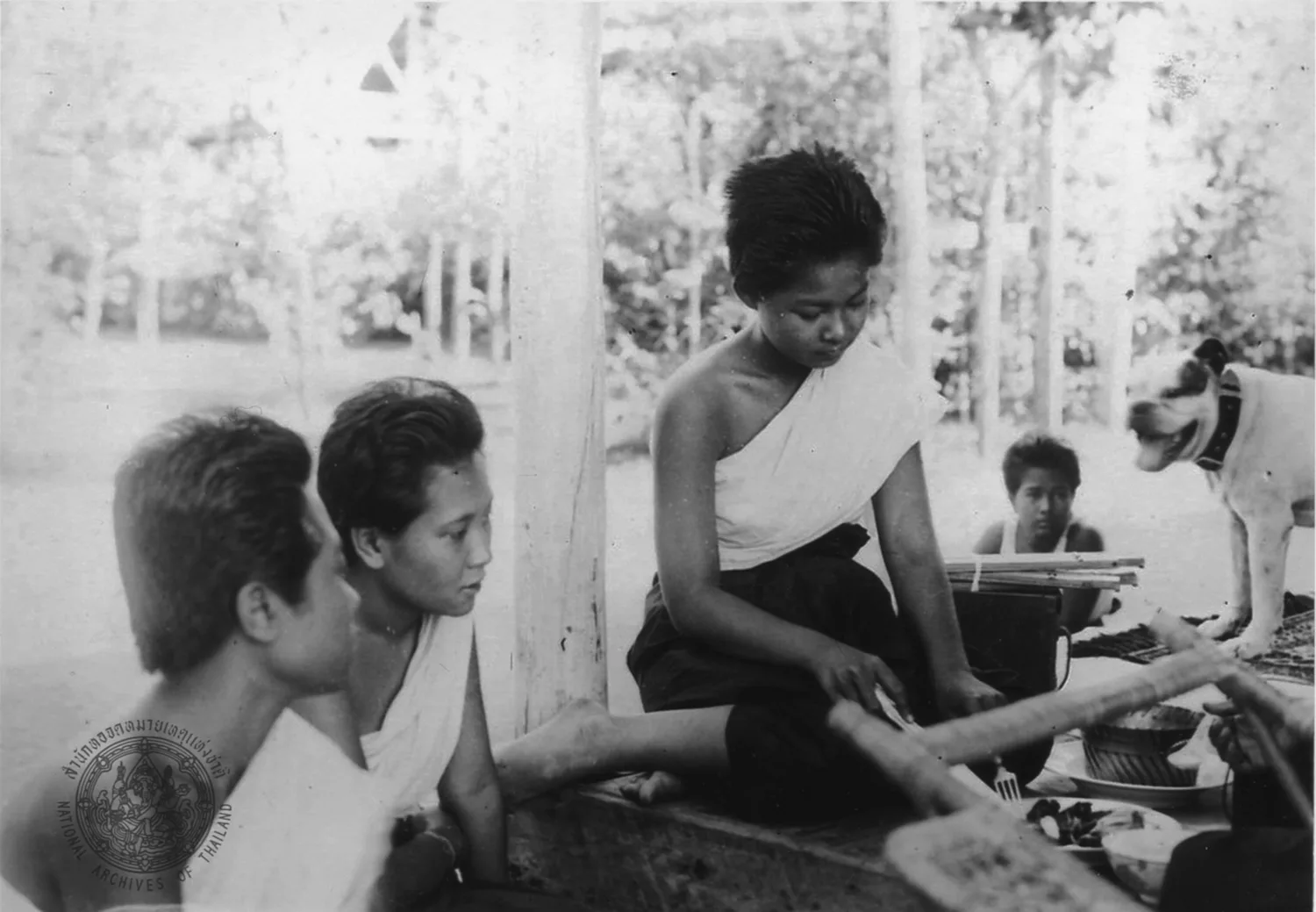
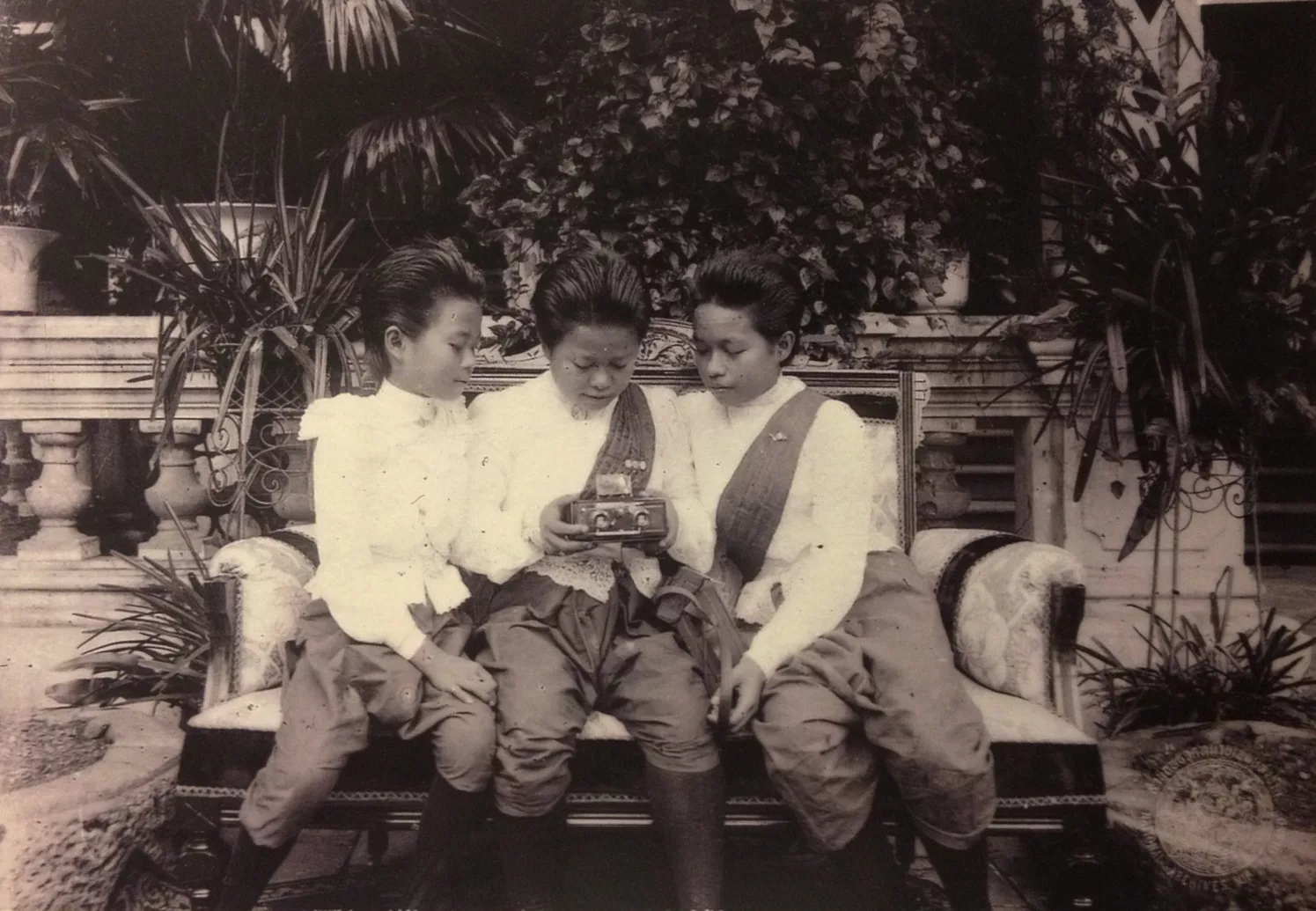
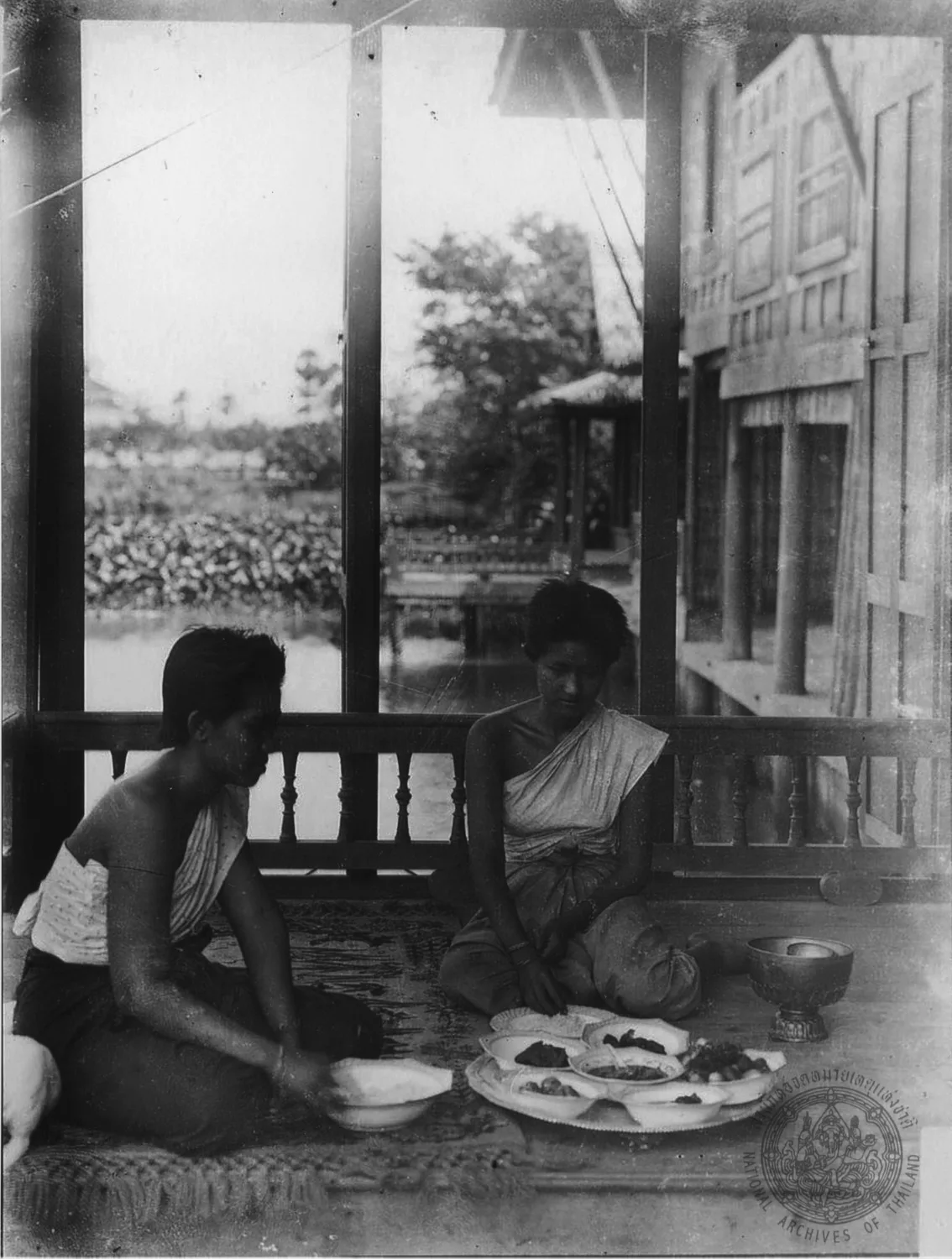
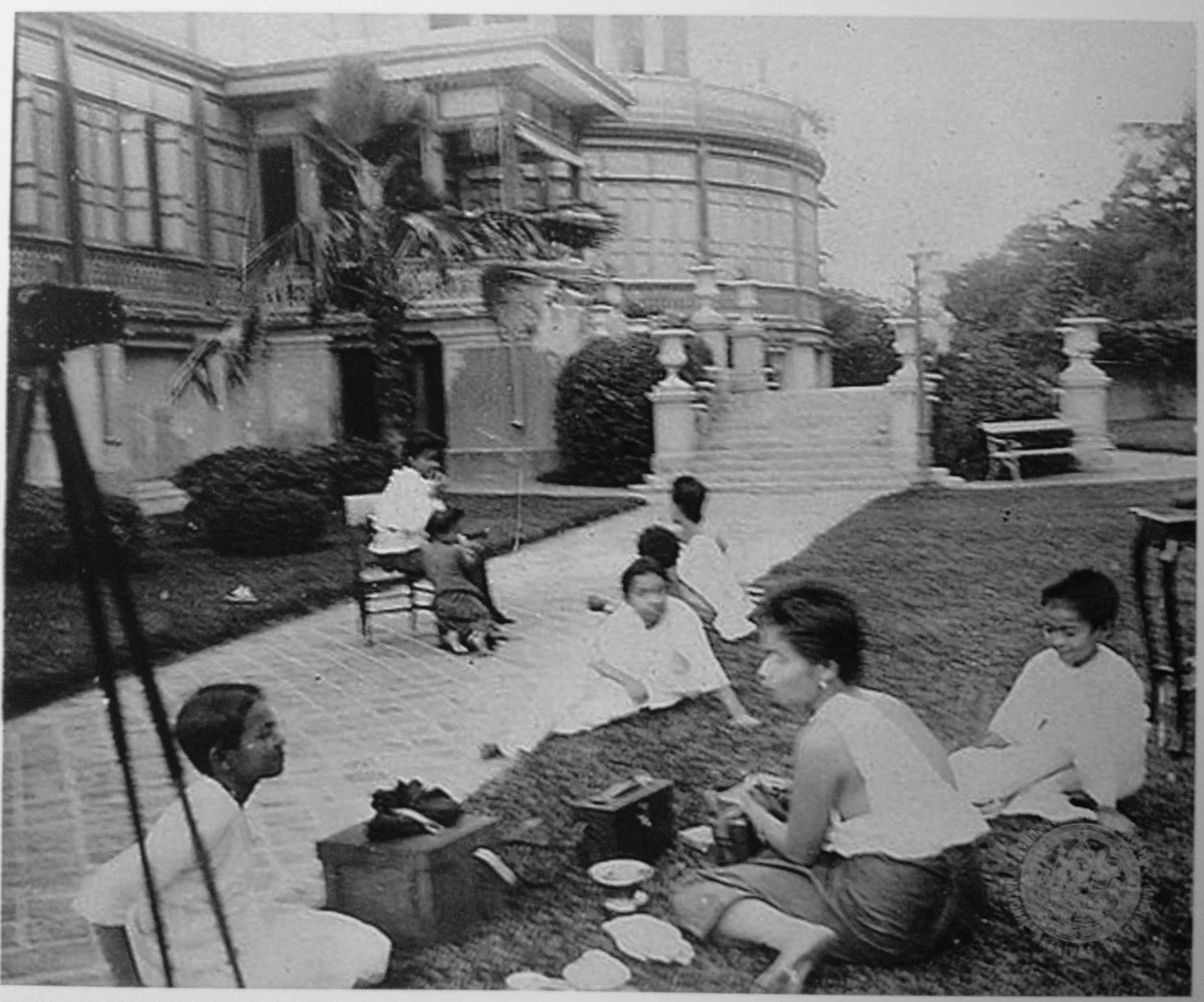
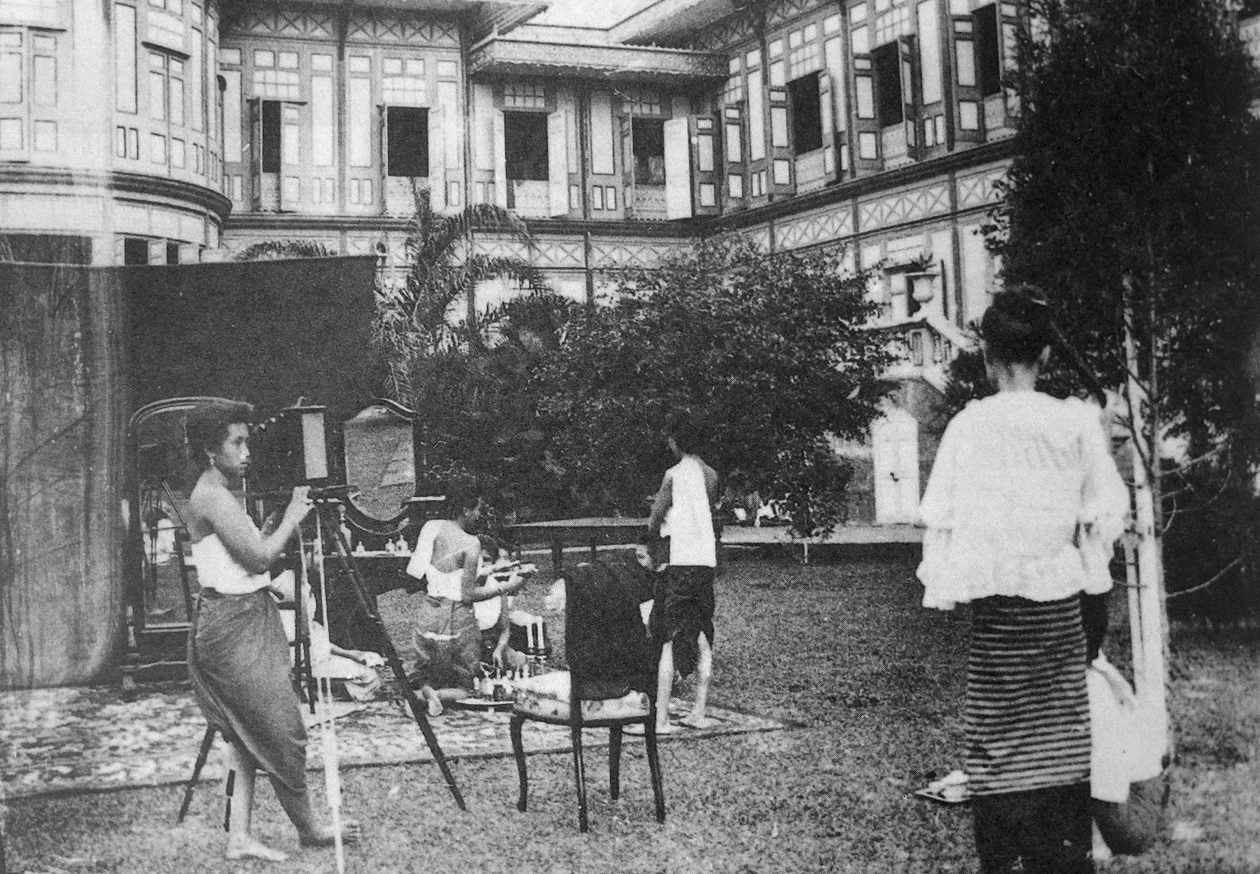
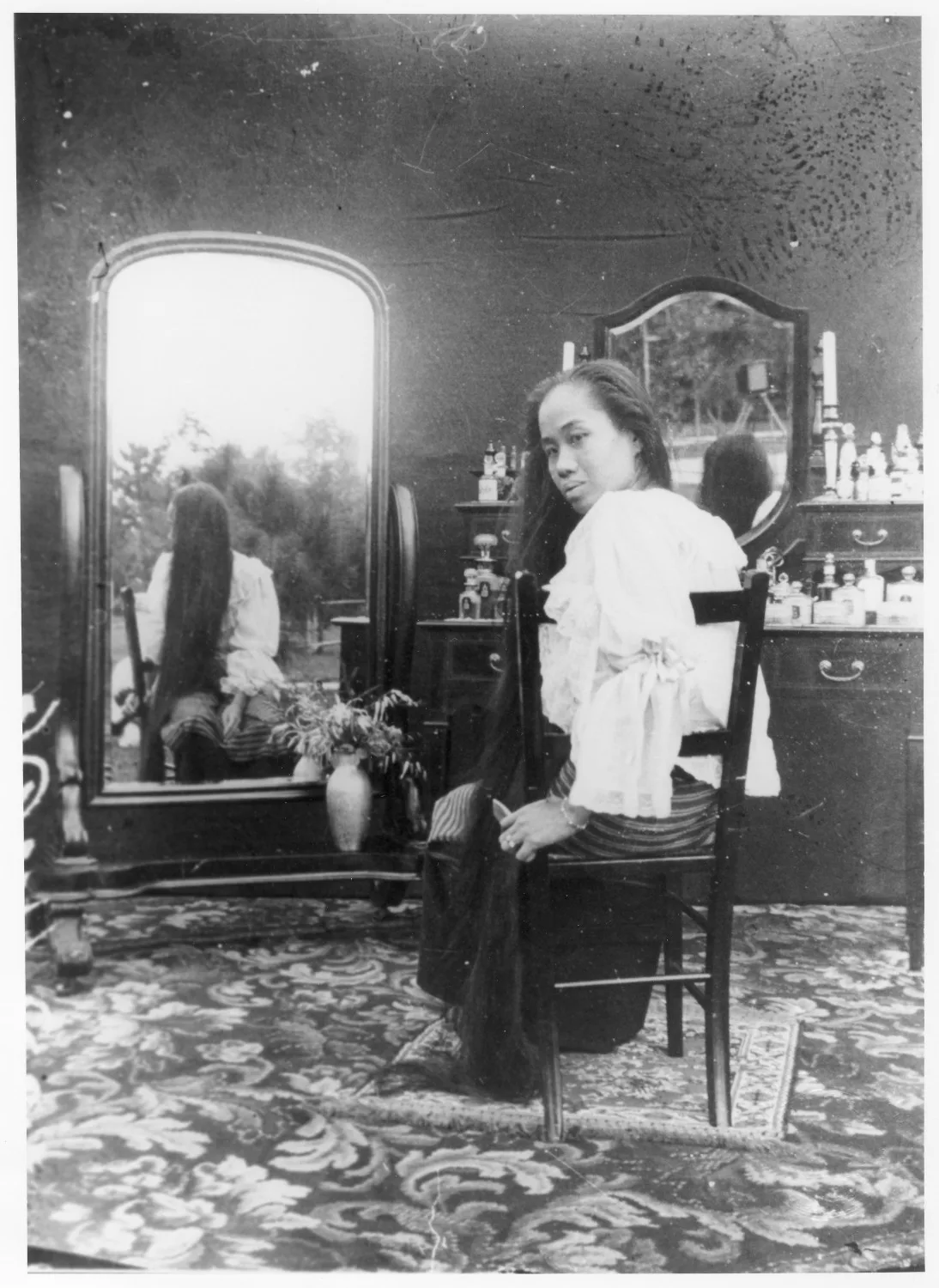
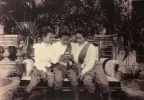
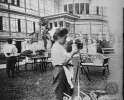
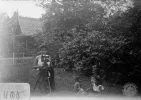
Lady Erb Bunnag was amongst a handful of royal consorts and relatives to experiment with photography in early modern Thailand, and arguably the country’s first female photographer. Though several royal consorts and children experimented with photography during this era, E. Bunnag was the most prolific, leaving dozens of images of her sisters, cousins and other consorts (such as her friend, high queen Phra Rachaya Chao Dara Rasami) available for researchers in Thailand’s National Archives.
E. Bunnag was one of five sisters, referred to as the ‘Kok Oh’ [Oh Clique], who served as royal consorts during King Chulalongkorn’s (1853–1910) reign. The Bunnag family had been closely tied to the Thai monarchy since the seventeenth century, when their ancestor, the merchant Sheikh Ahmad, emigrated to Siam from Persia to become a minister to Ayutthaya’s King Intharatcha.
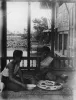
As one of 153 royal consorts to King Chulalongkorn, E. Bunnag’s status as a high-ranking consort placed her within Siam’s most elite space: the Inner Palace, a domain governed by patriarchal hierarchies where the king’s queens, consorts and concubines lived and raised the king’s children. As such, she was able to chronicle the daily lives of royal women, which were otherwise inaccessible to anyone outside the royal palace.
Her photographs became well-known in Thailand via a photographic contest and exhibition sponsored by King Chulalongkorn in 1905–1906 as part of that year’s winter temple festival at Bangkok’s Wat Benchamabophit (a Buddhist temple also known as the Marble Temple). The exhibition included photography by a number of members of the Thai elite, including the king’s brother, Prince Narathip, and E. Bunnag’s younger sister, Uen.
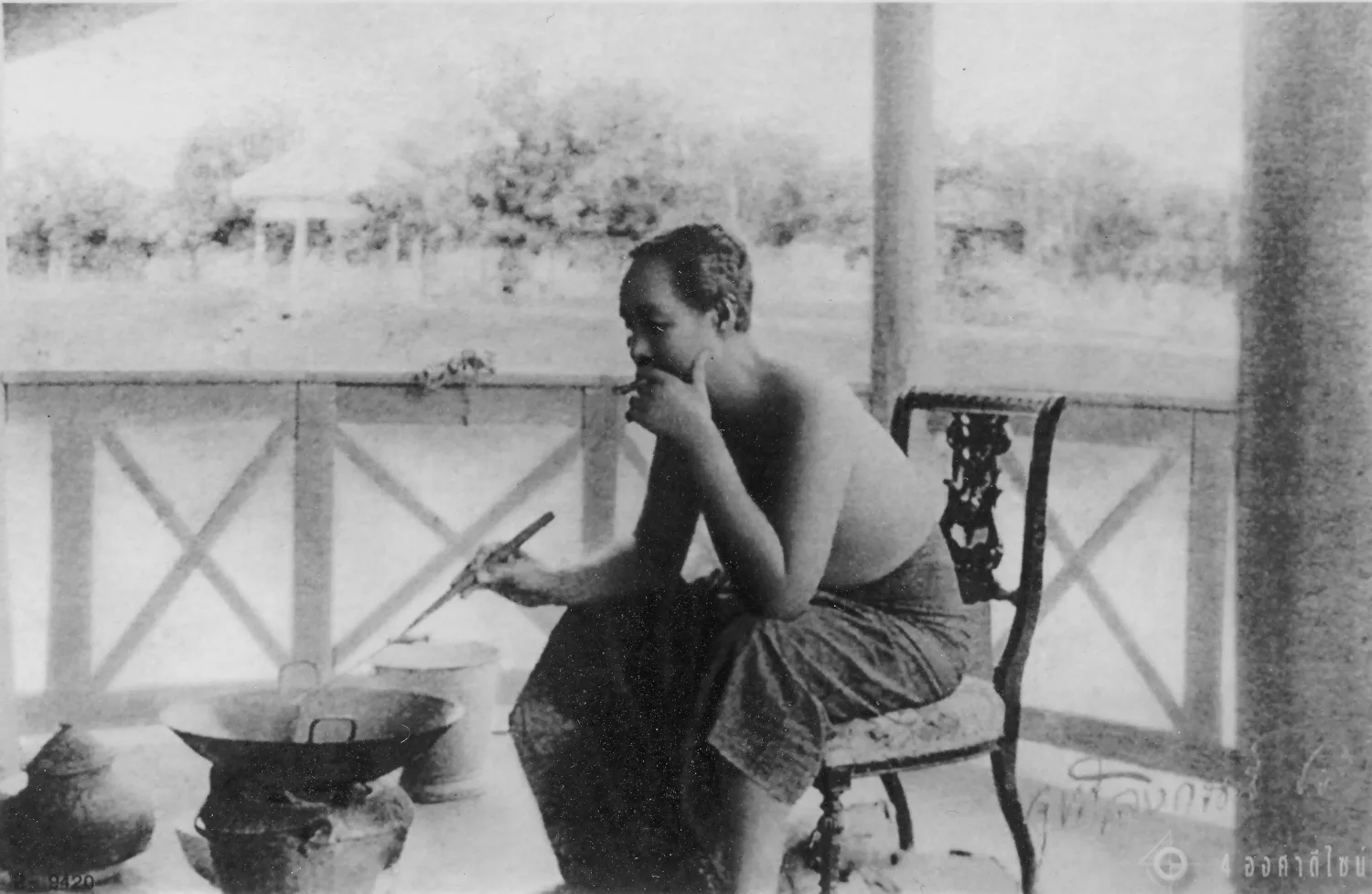
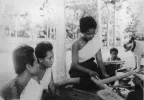
E. Bunnag photographed many scenes of domestic life in the palace, providing the best visual record of royal women’s lives during this period in Thai history. Her most famous image was her informal portrait of King Chulalongkorn himself enjoying a rare moment of leisure, shirtless and wearing only a pha khao ma as he stirs a wok and smokes a cigar on the porch of his rustic ‘Wooden House’ palace residence. Despite the fact that E. Bunnag’s images were never commercially published, this image has managed to enter global circulation, as Thai restaurateurs around the world frequently include it in their shop’s spirit shrine, where images of the Thai royal family are placed alongside Buddha images.
During King Chulalongkorn’s reign (1868–1910), E. Bunnag’s father, Chuang Bunnag, served as the king’s highest-ranking minister; upon C. Bunnag’s death, he was succeeded in office by E. Bunnag’s brother, Tien Bunnag. After King Chulalongkorn’s death in 1910, E. Bunnag and her sisters were given homes on a tract of land adjacent to Vimanmek Palace in Bangkok. Her funerary monument can be found in the Royal Women’s Cemetery at Wat Rachabophit in Bangkok, Thailand.
A biography produced as part of the programme The Flow of History. Southeast Asian Women Artists, in collaboration with Asia Art Archive
© Archives of Women Artists, Research and Exhibitions, 2025