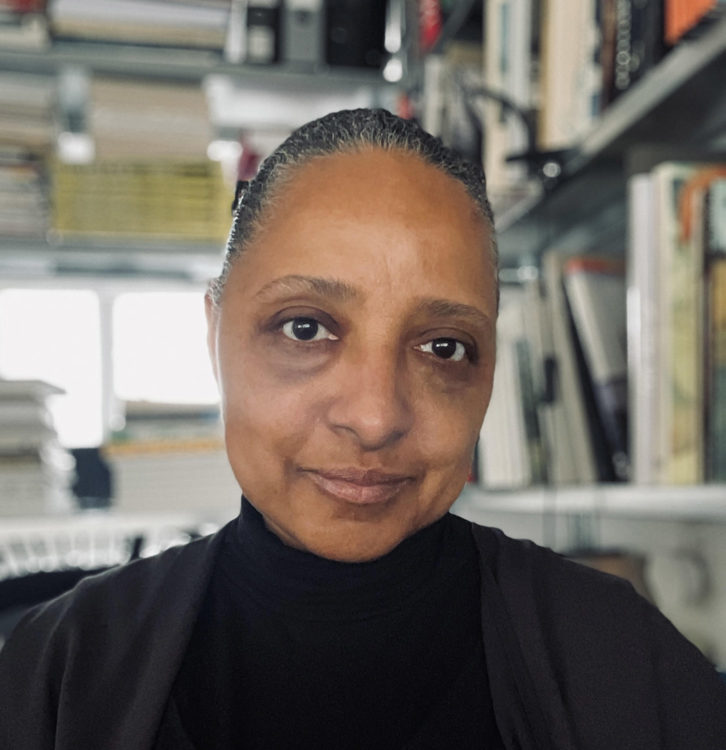
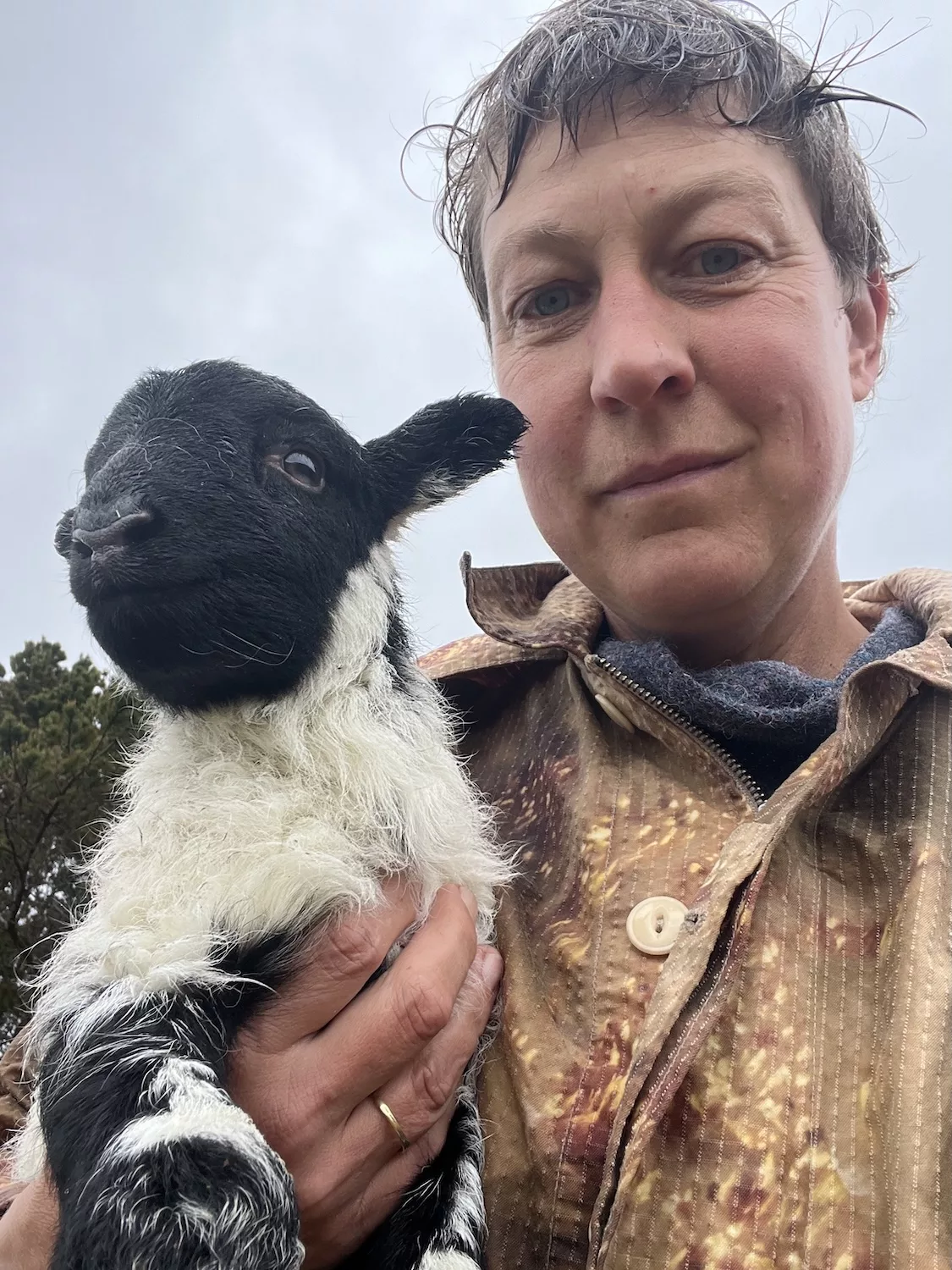
Portrait of Lucy Skaer
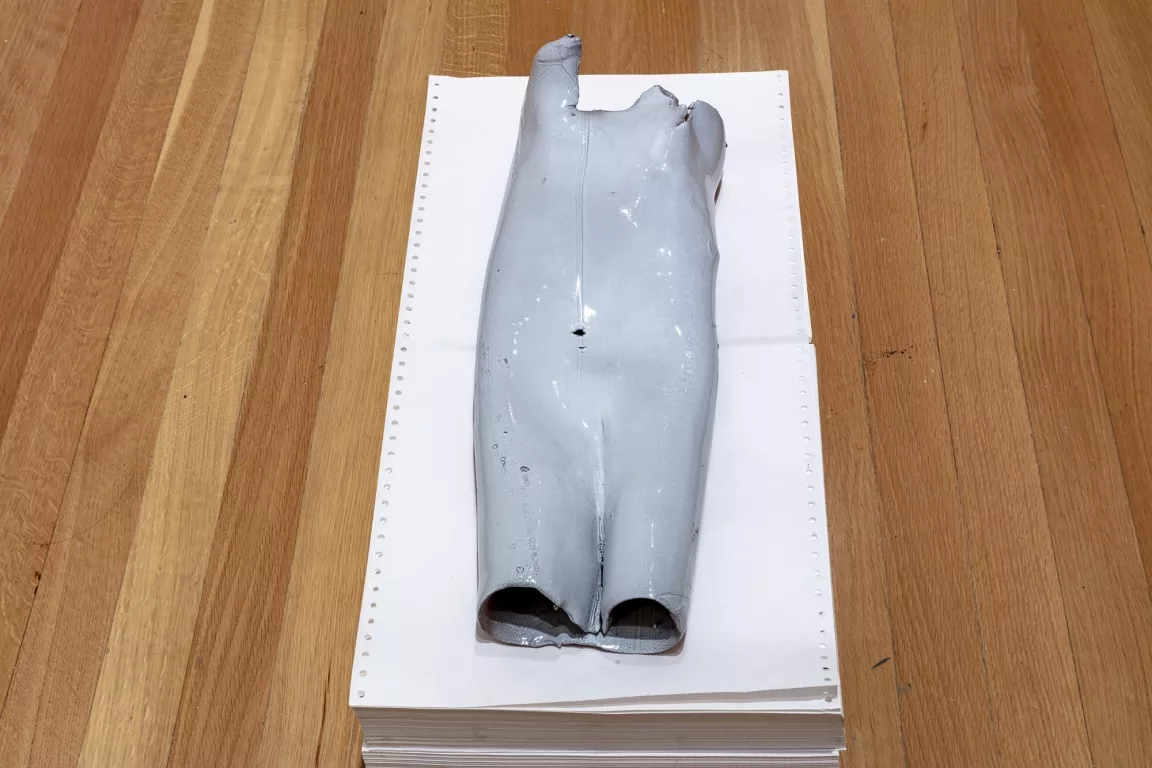
Lucy Skaer, Monday 08.04.13, Tuesday 09.04.13, Container Corps, Portland, 2013
→Joanna Fiduccia, Lucy Skaer: a Boat Used as a Vessel, exh. cat., Kunsthalle Basel [5 April – 14 June, 2009], Schwabe, Basel, 2009
Forest on Fire, Bloomberg Mithreaum Space, London, 22 October, 2020 – 15 May, 2021
→Future Sun, SMAK, Ghent, 30 November, 2019 – 16 February, 2020
→The Green Man, Talbot Rice Gallery, The University of Edinburgh, South Bridge, Edinburgh, 26 July – 6 October, 2018
Artiste britannique.
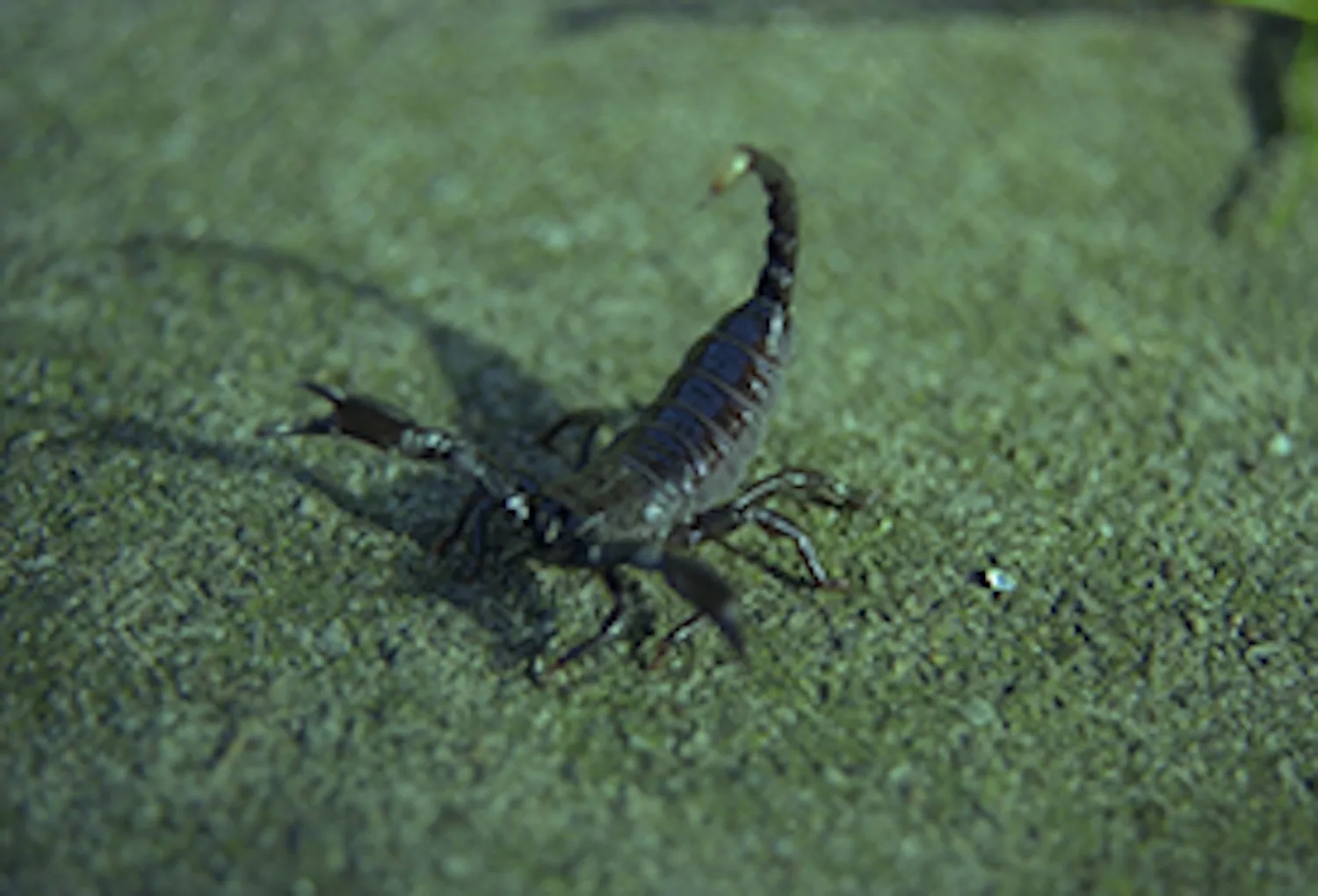
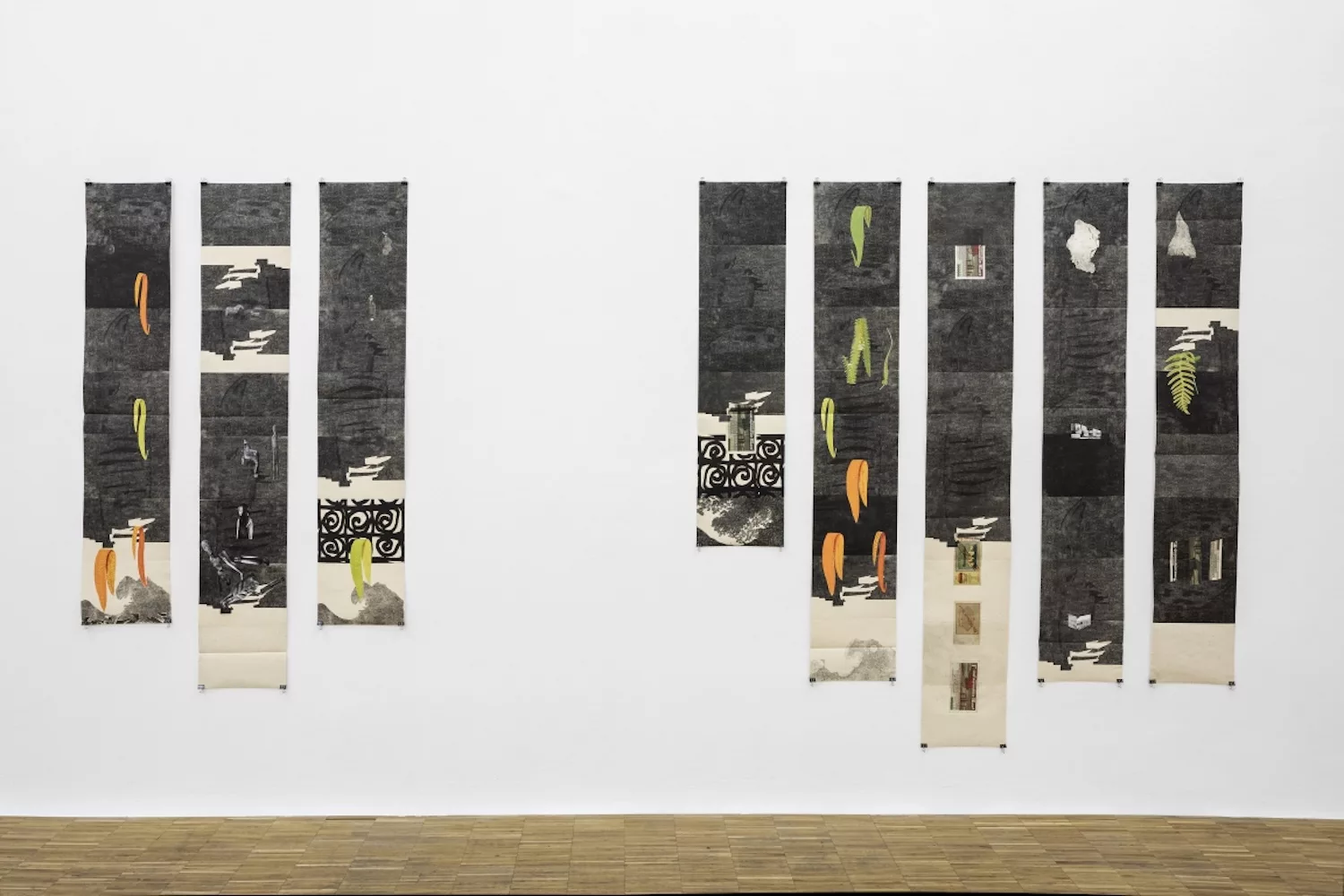
Since the 2000s, Lucy Skaer has been developing an approach combining sculpture, drawing, photography, installation and film. Born to marine and developmental biologist parents, she enrolled at the Glasgow School of Art in 1994. She studied in the Environmental Art Department, where students were encouraged to take the social context of their art into consideration. She graduated in 1997. In 2001, with Public Project, she carried out a series of actions in the public arena: in Amsterdam, she placed a scorpion and a diamond side by side on the street, hoping they would be noticed, and in London’s Central Criminal Court (the Old Bailey), she concealed moths and chrysalises, hoping for them to be seen emerging during a trial.
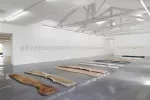
In 2007, L. Skaer was amongst the artists representing Scotland at the Venice Biennale. On that occasion, she presented a piece inspired by the Surrealist painter and novelist Leonora Carrington (1917−2011), whom she had travelled to visit in Mexico City. Two years later, she was shortlisted for the Turner Prize for an installation composed of an ensemble of sculptures inspired by the elongated aesthetics of Constantin Brancusi (1876–1957) and a whale’s skeleton, which she had chosen for its formal properties rather than its iconographic significance. In 2005, she began collaborating with the Anglo-Palestinian artist Rosalind Nashashibi (1973–). Together they have made eight films, including Why Are You Angry? (2017), titled in reference to a painting by Paul Gauguin (1848–1903), Pourquoi êtes-vous en colère?, addressing how the colonialism at work in this painting shaped Western perceptions of Polynesian women.
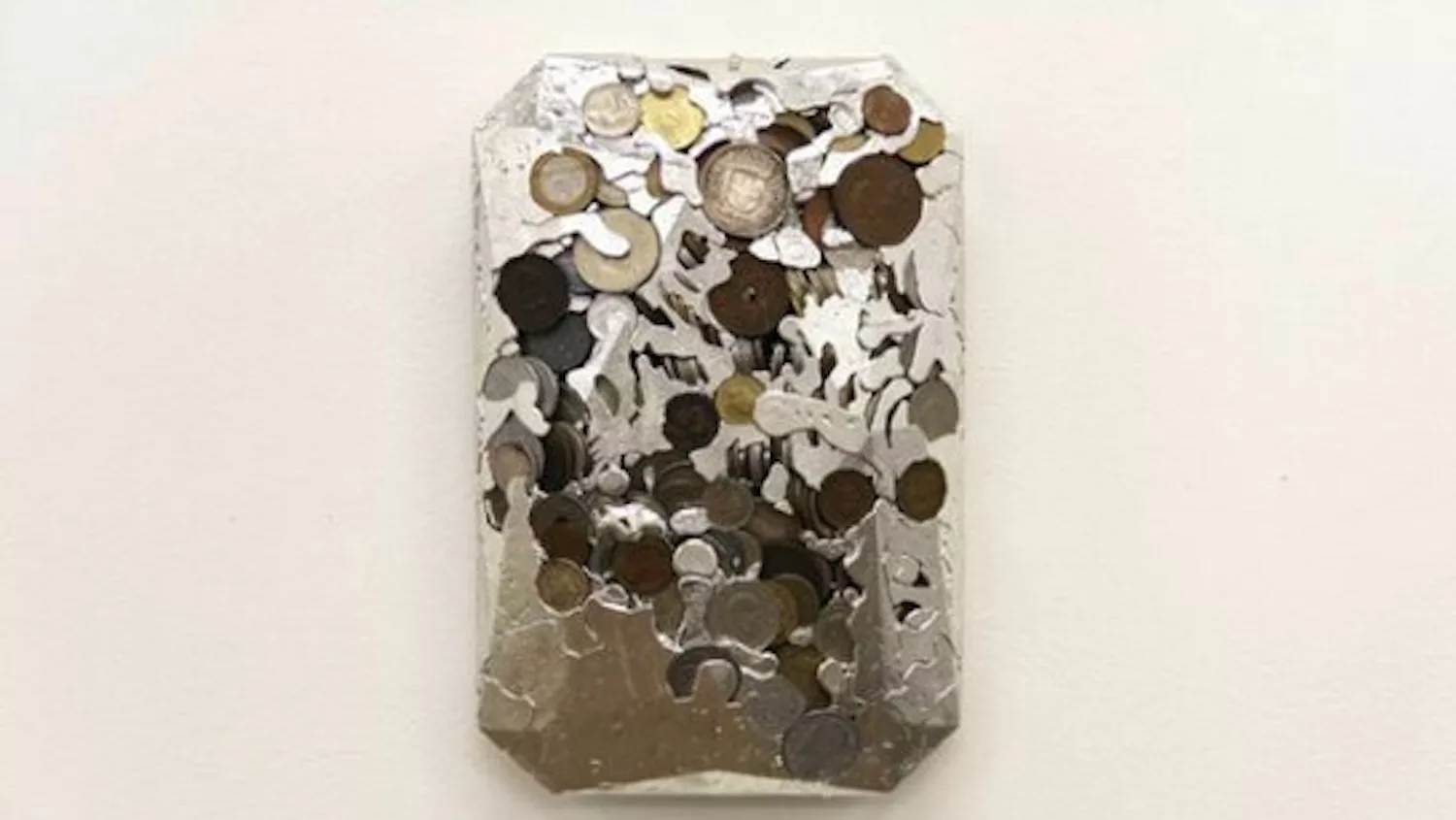
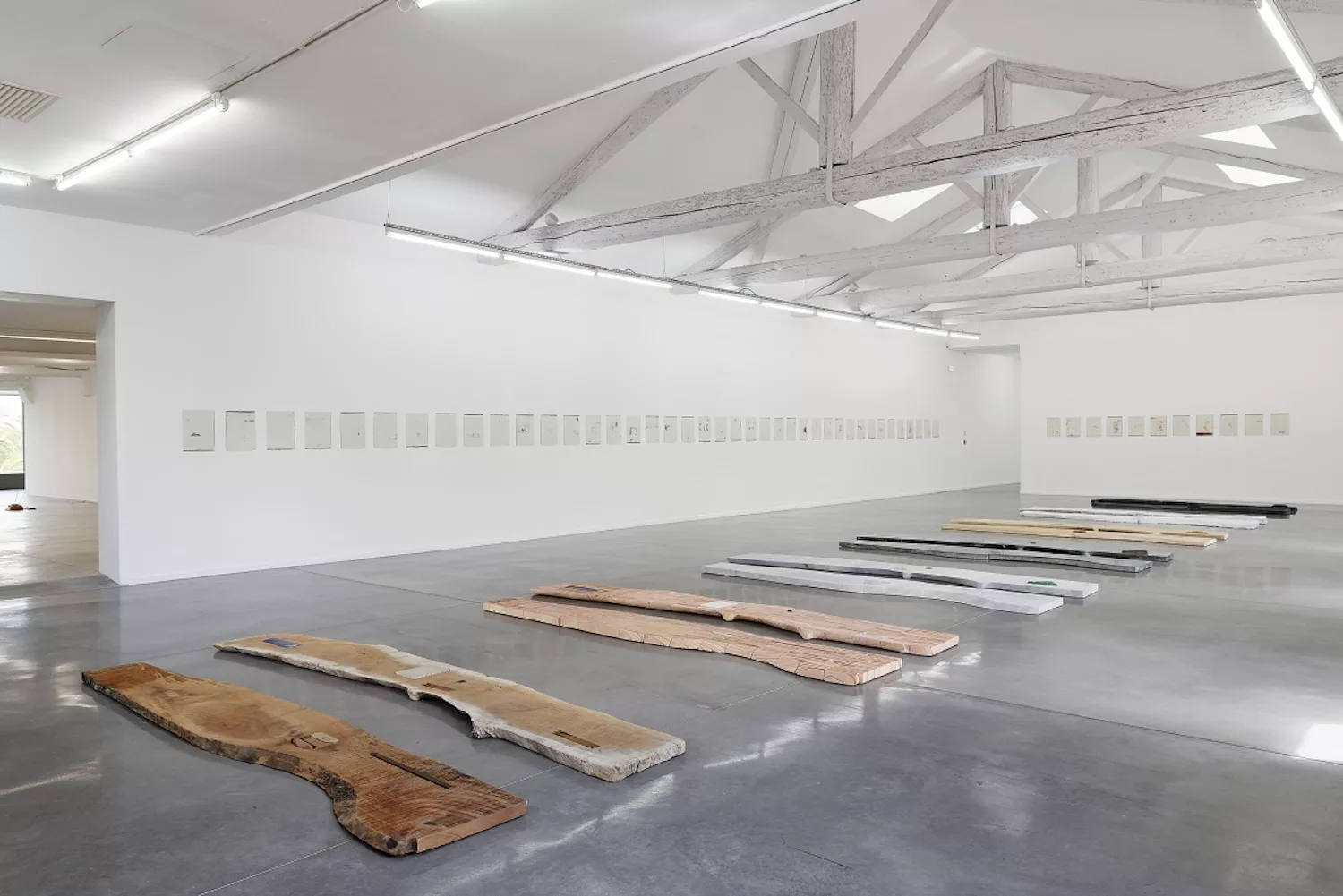
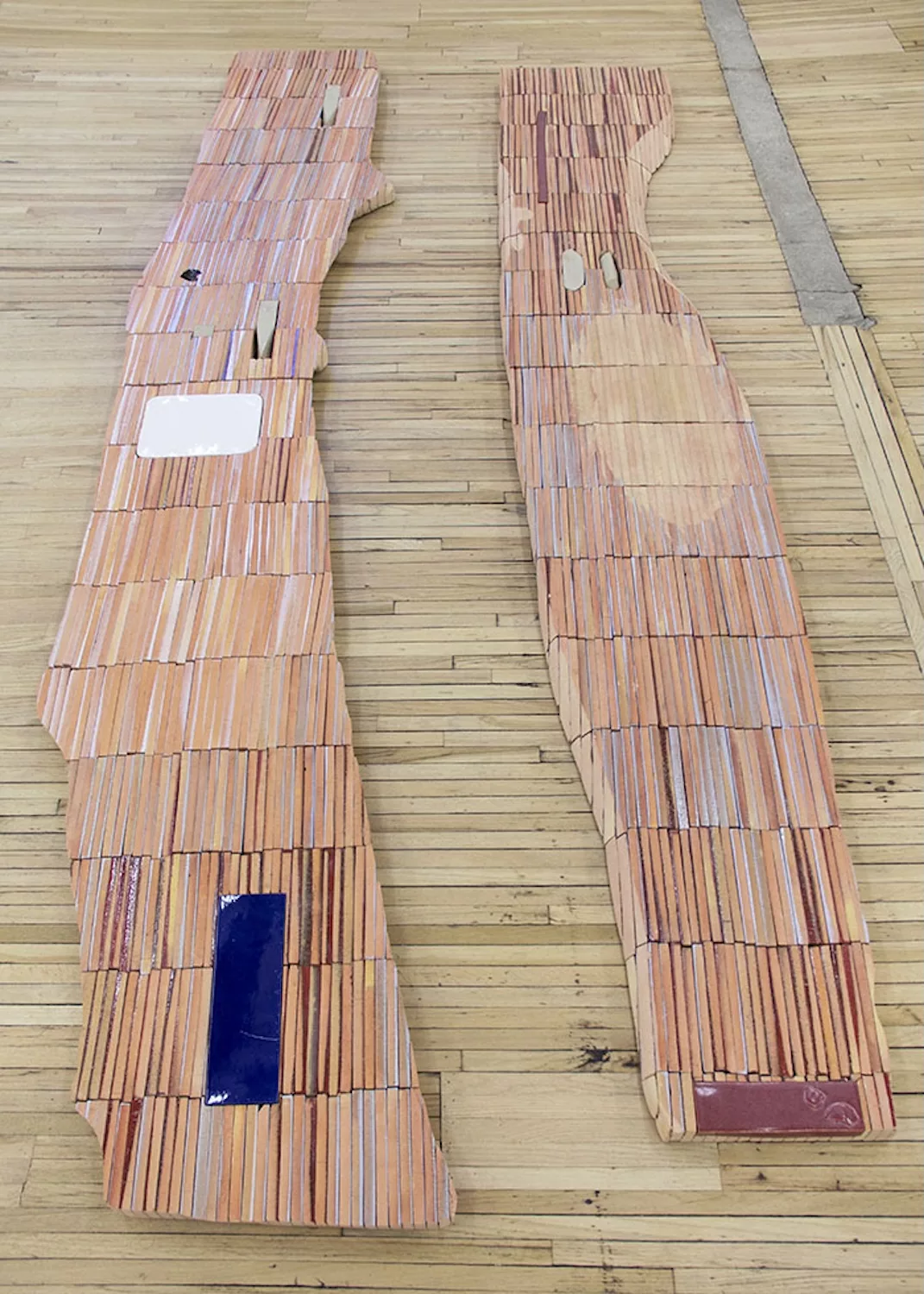
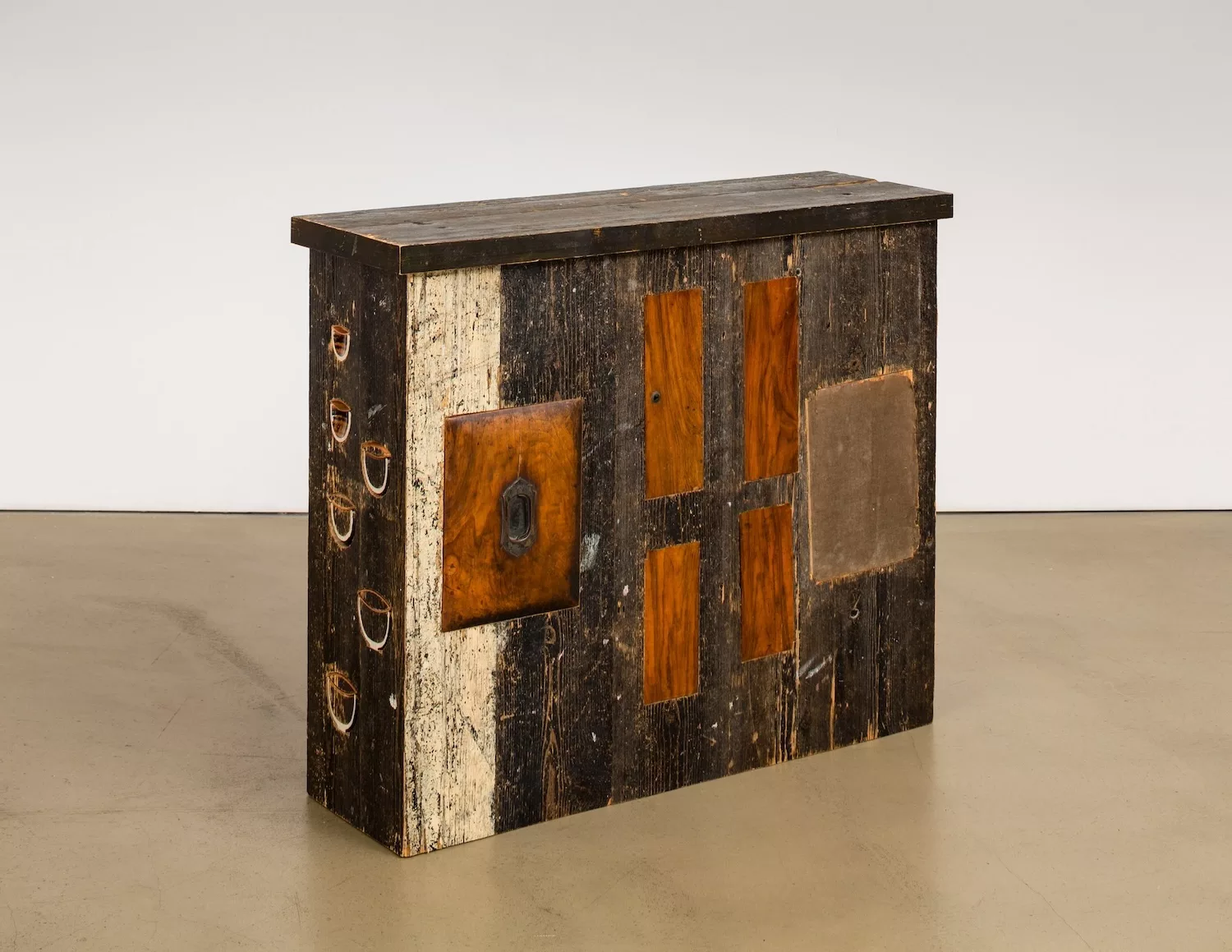
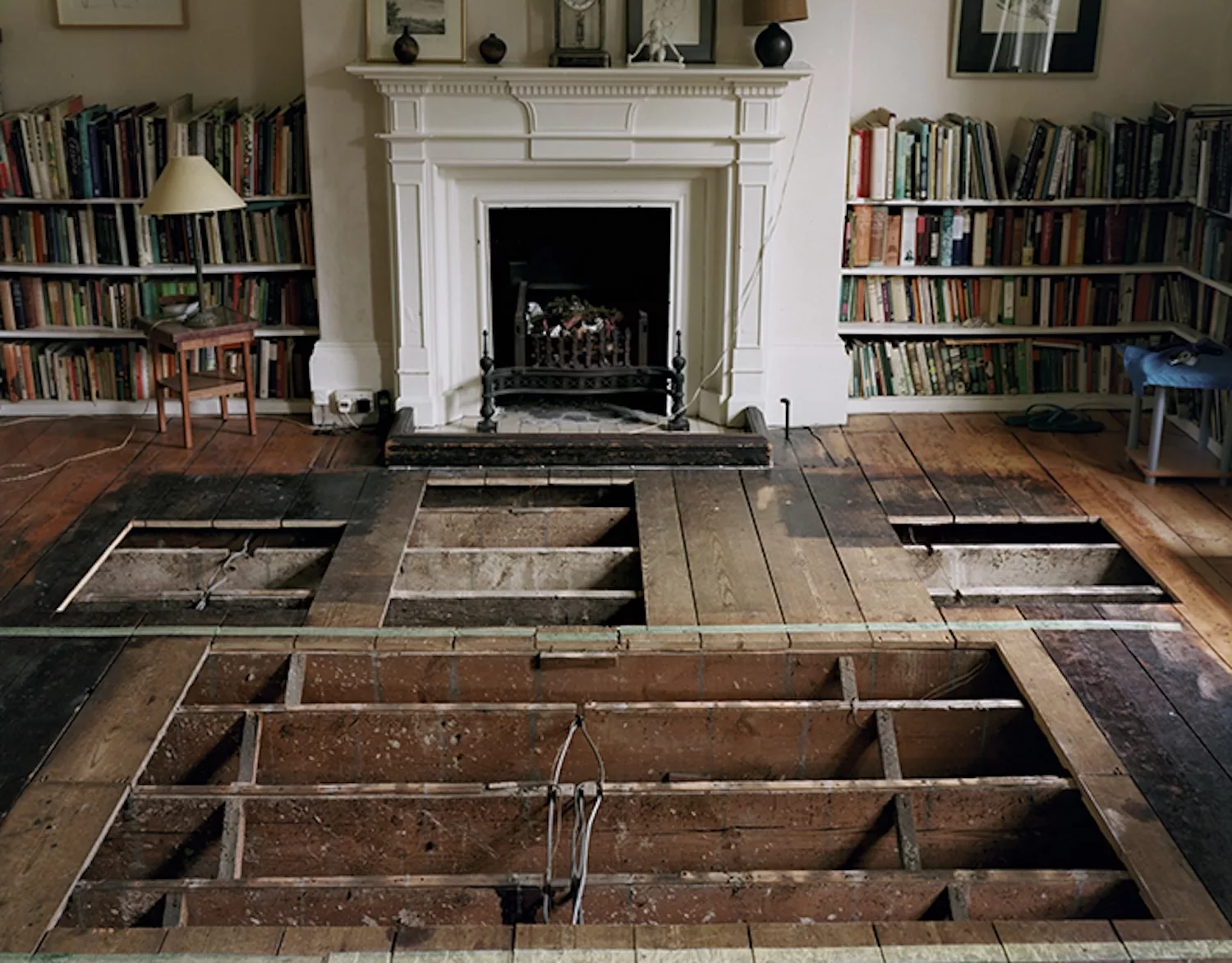
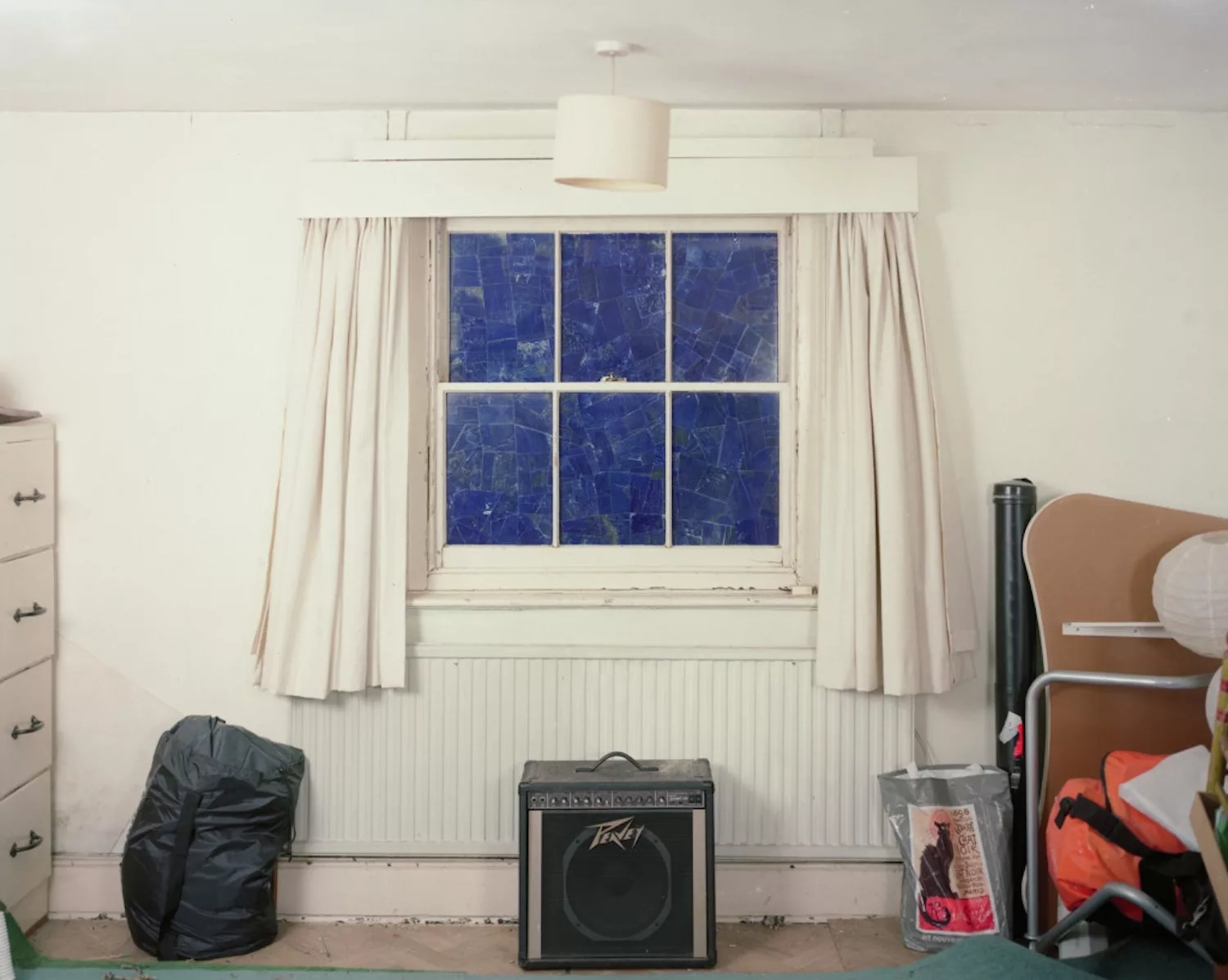
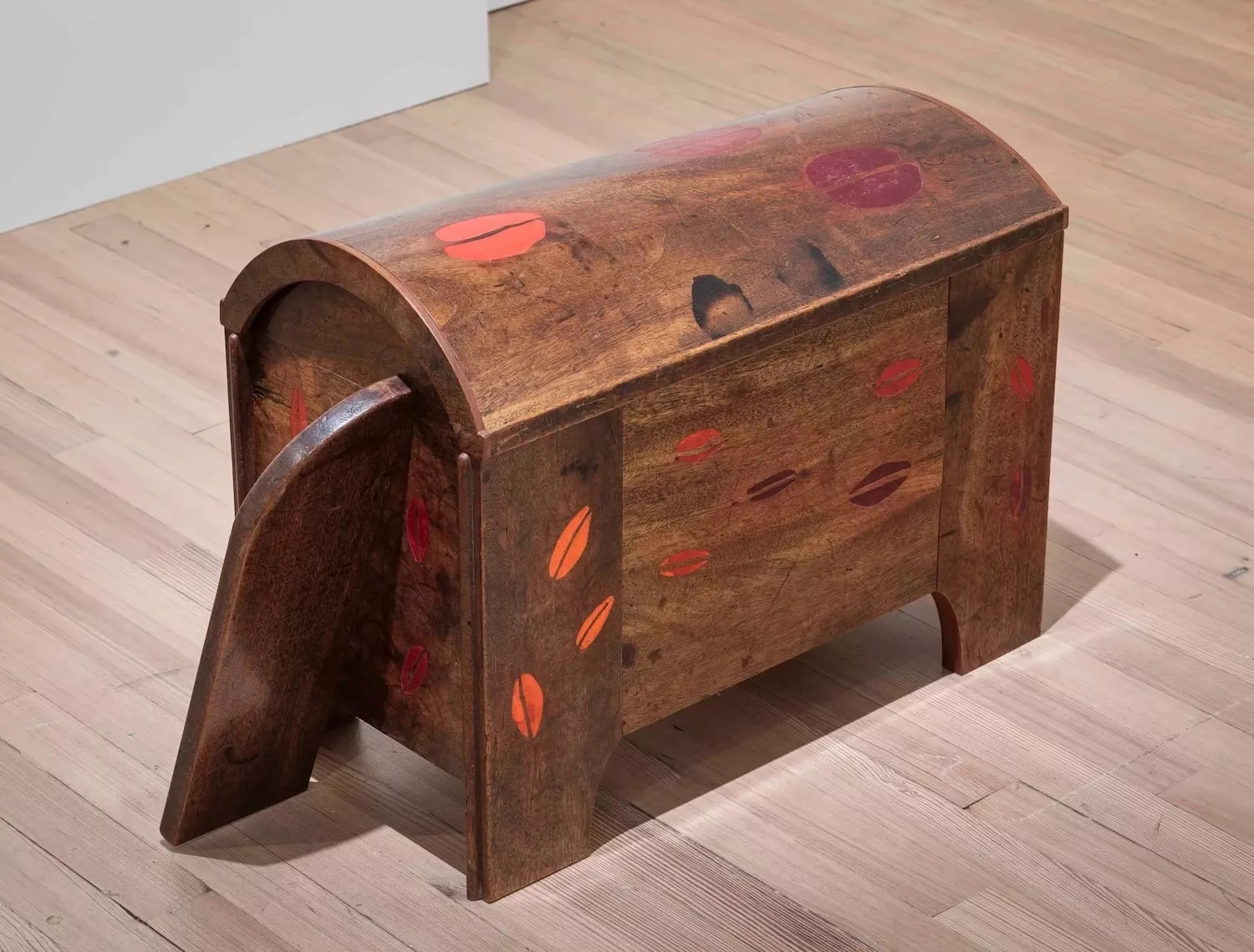
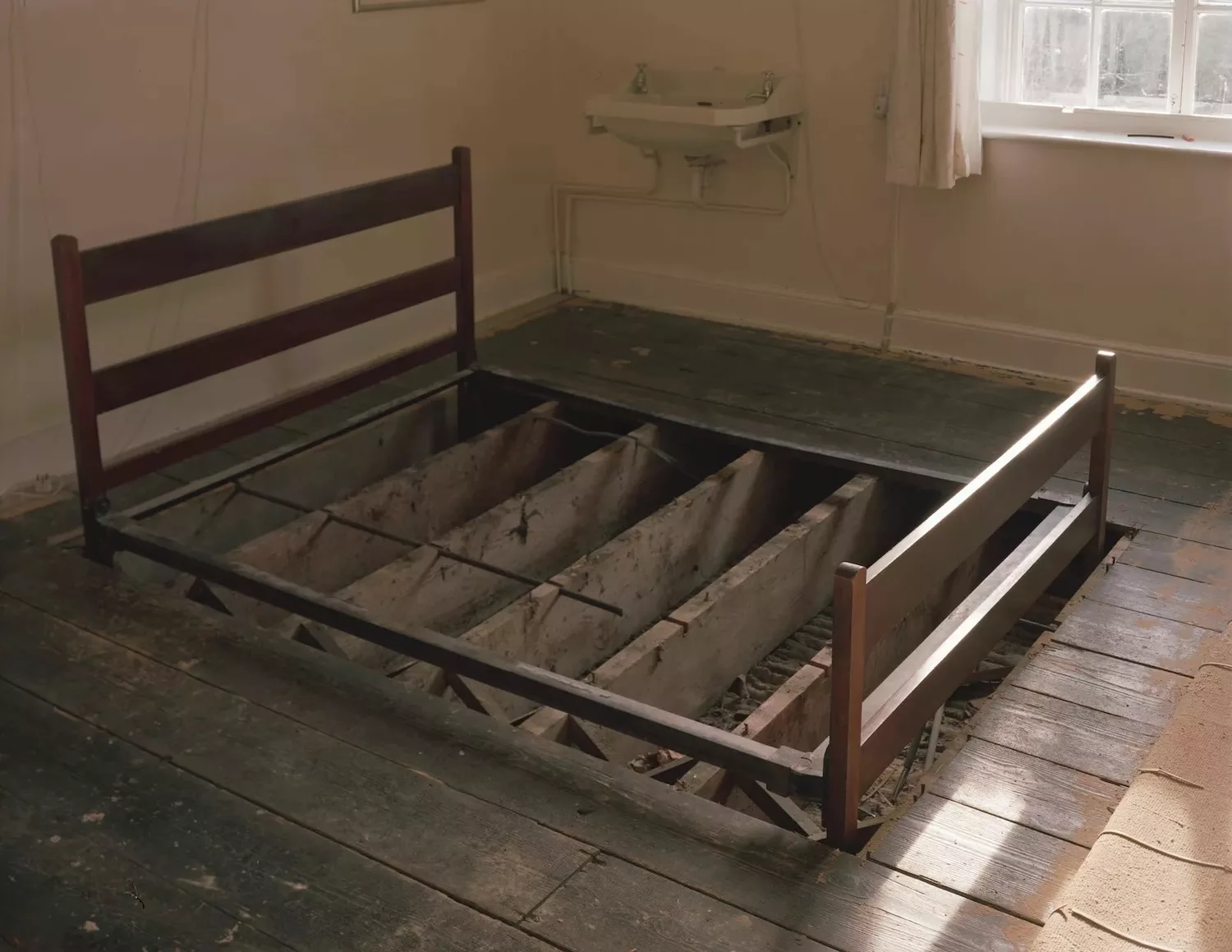
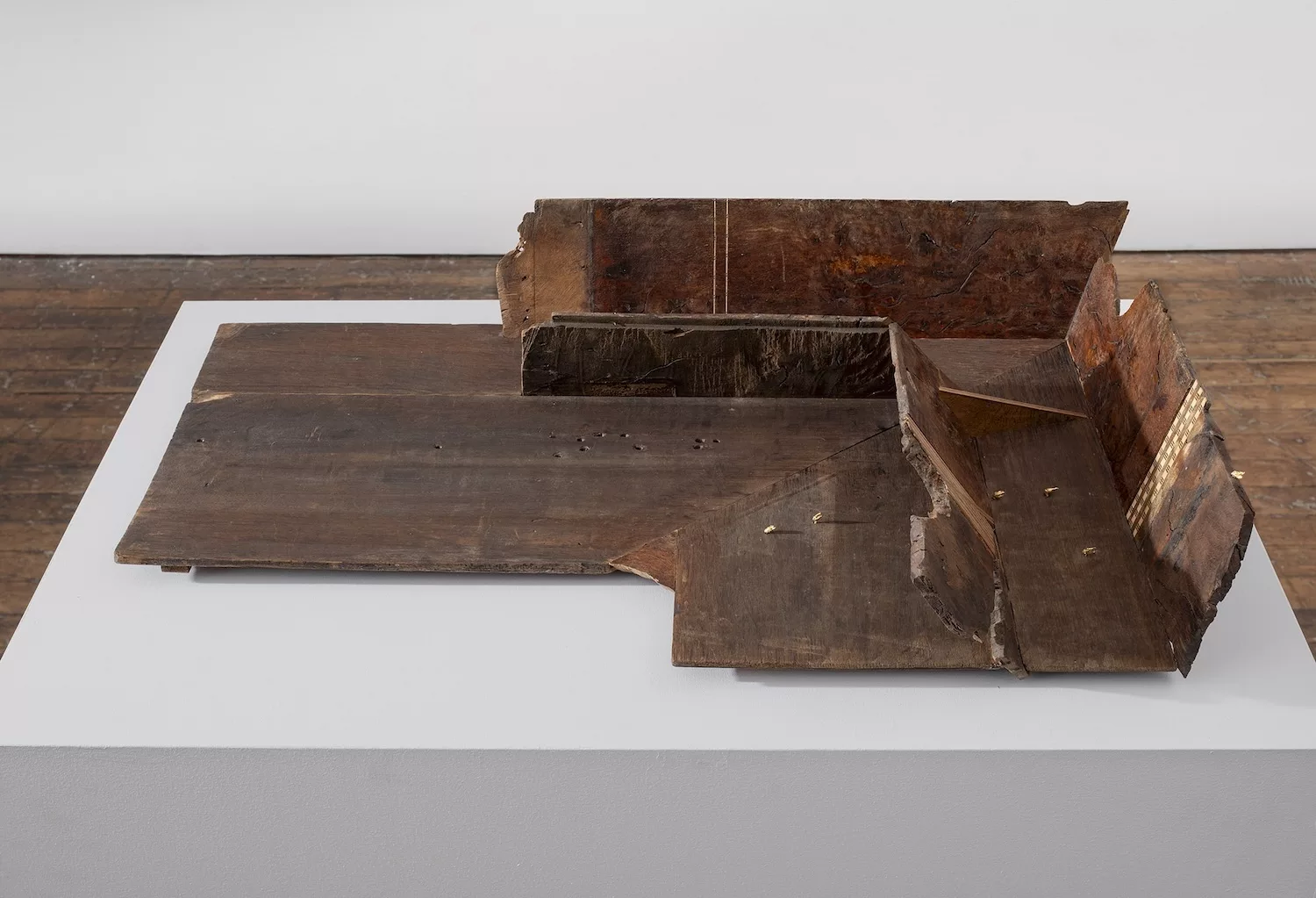
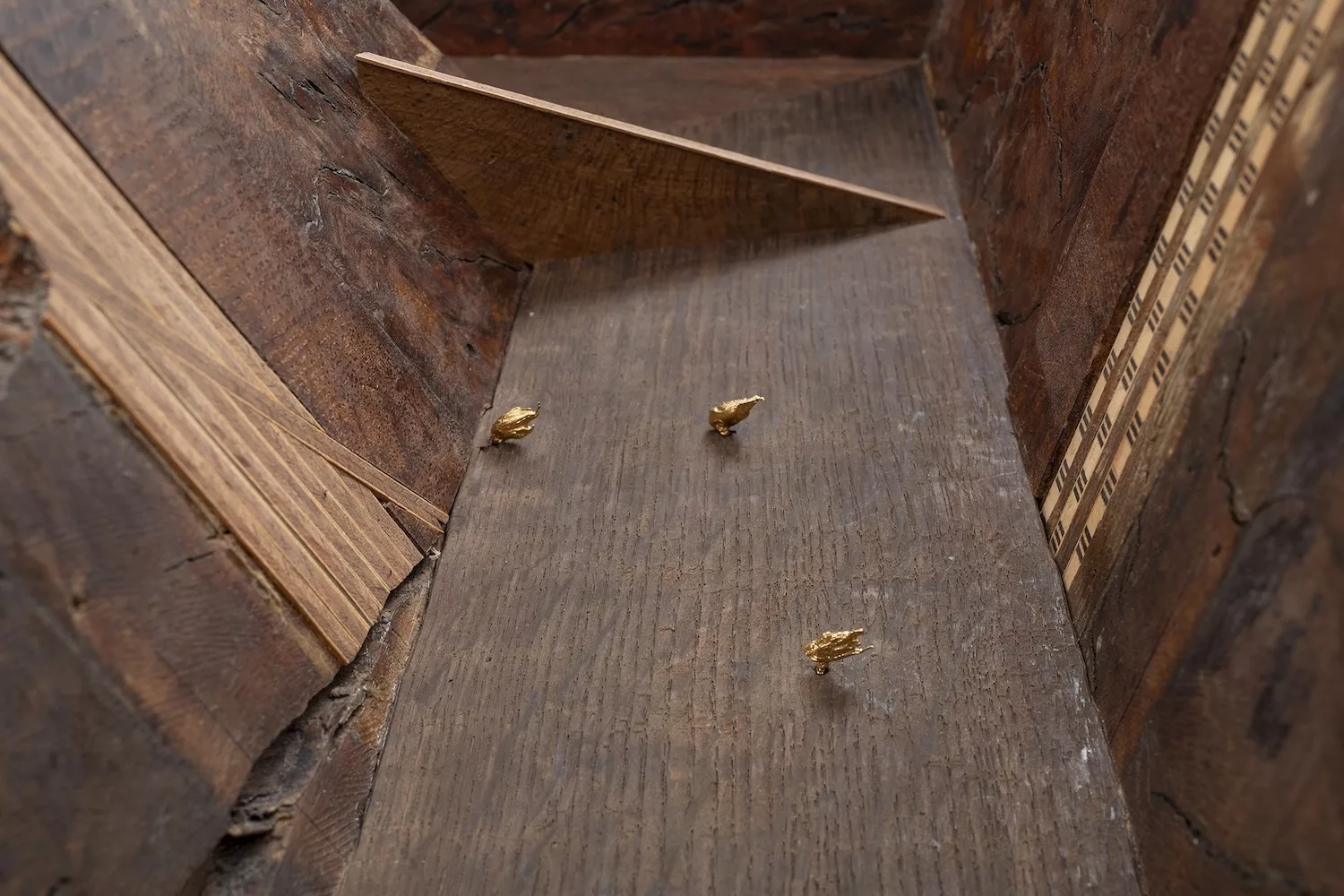
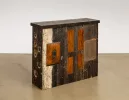
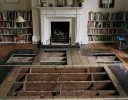
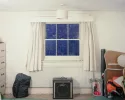
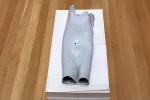
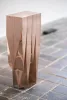
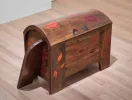
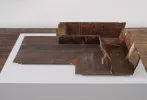
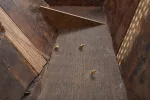
In 2008, L. Skaer’s exhibition The Siege at Chisenhale Gallery in London highlighted how reproduction and variations in scale can alter meaning and how narratives are created by still images and spatial organisation. Around the same time, she became interested in artists’ houses and domestic spaces as sites of language formation. After L. Carrington’s death in 2011, she returned to Mexico City and photographed the surroundings of her home in a quest to discover what Carrington may have seen there. L. Skaer then began revisiting her earlier work, deconstructing it and melting certain sculptures down to integrate them into new creations. In 2016, the artist paused this process to make Eccentric Boxes in her father’s home, where she grew up. For this piece, she drew lines to mark out her future ‘eccentric boxes’ on the floorboards, placed objects upon them and covered them with a rug. She carved out holes in the floor embedded various pieces in the wood. Next, she cut out the floorboard sections adorned with these ‘inlaid’ objects and used them to make large closed boxes. The floor was then repaired.
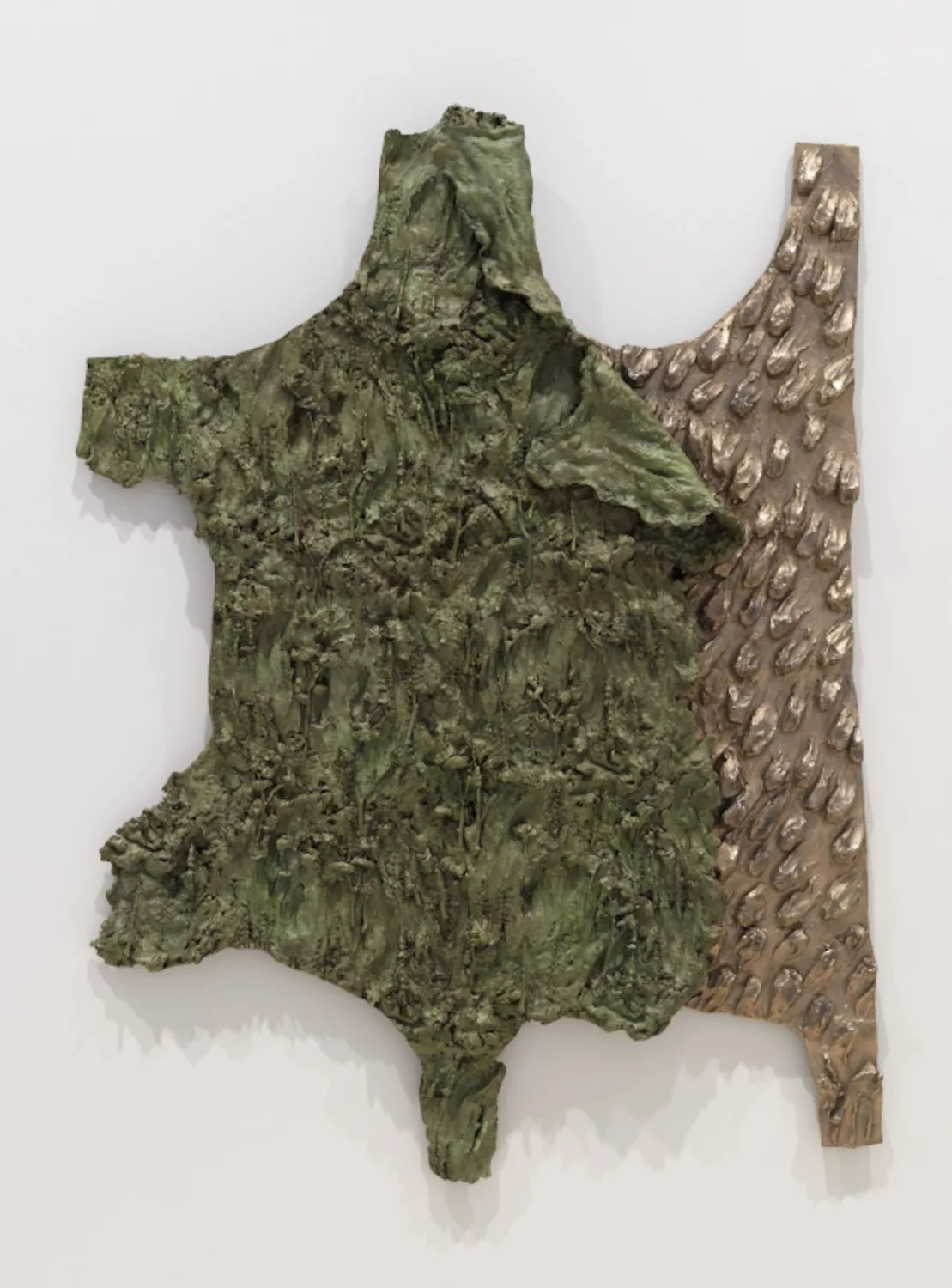
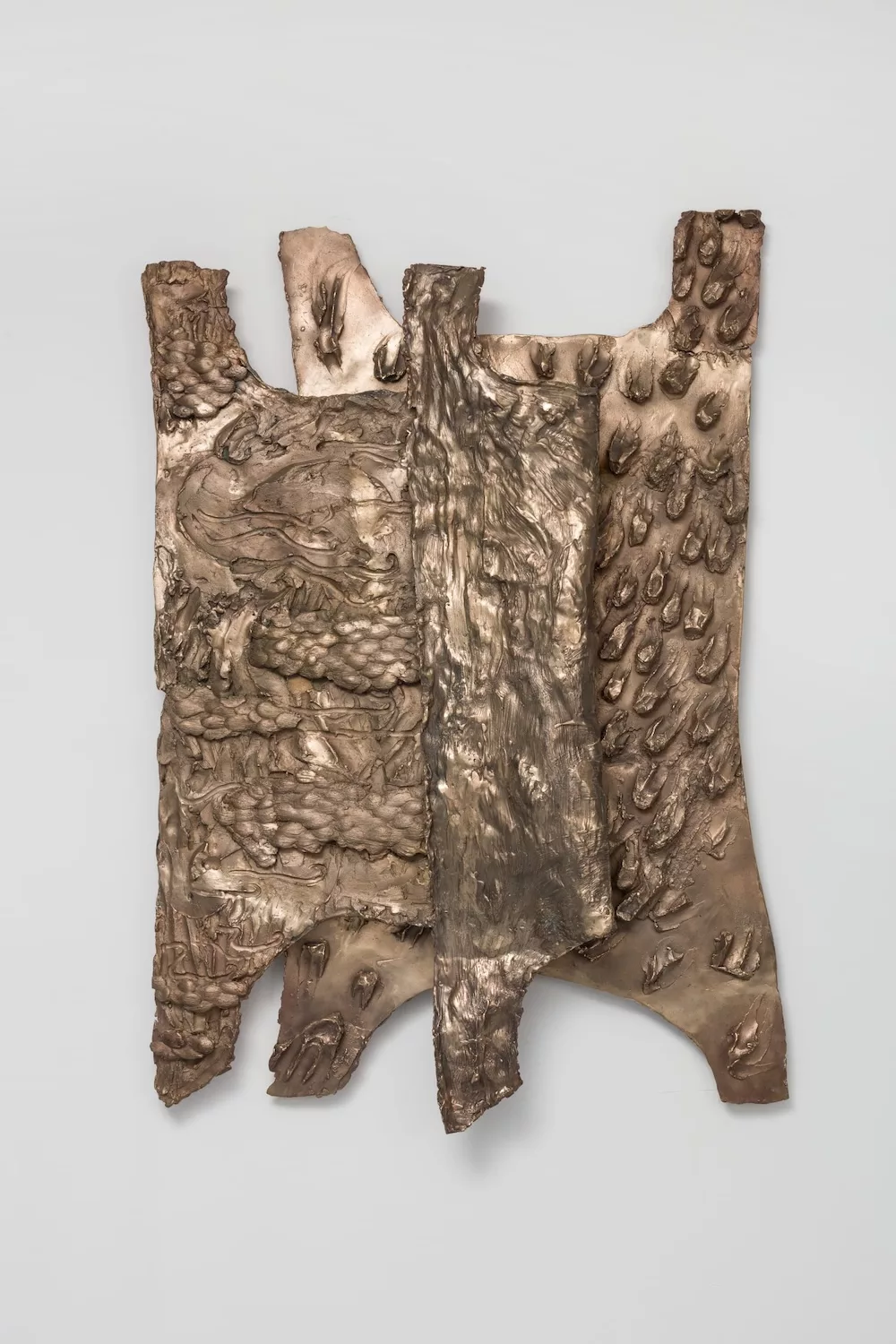
L. Skaer has also explored underground spaces and alternative time periods: Kettle’s Yard art gallery in Cambridge, Redwood National Park (which she drove through during a road trip with her parents), Vancouver’s Museum of Anthropology, architectural creations by Frank Lloyd Wright (1867-1959), the first chapter of Virginia Woolf’s (1882 – 1941) The Waves – in other words, a series of complex experiences related to space, time and the senses. In 2017 the artist began focusing on animal forms, having discovered that they allowed her to work simultaneously with textures, materials and the expressive potential of images: a queer, suggestive and material formalism that unfolds in a domestic context evocative of tenderness, empathy and vulnerability. Since 2019, L. Skaer has been living on the Isle of Lewis in Scotland, surrounded by animals, rocky landscapes, plant life and the sea.
A biography produced as part of the +1 programme.
© Archives of Women Artists, Research and Exhibitions, 2026


 Available Fonts: looking at drawing as language - Lucy Skaer in conversation with Stephanie Straine | Courtauld, May 2019
 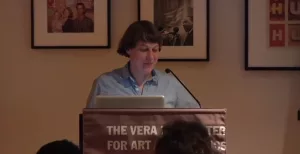 Subjective Histories of Sculpture: Lucy Skaer | The New School, Marsh 2012