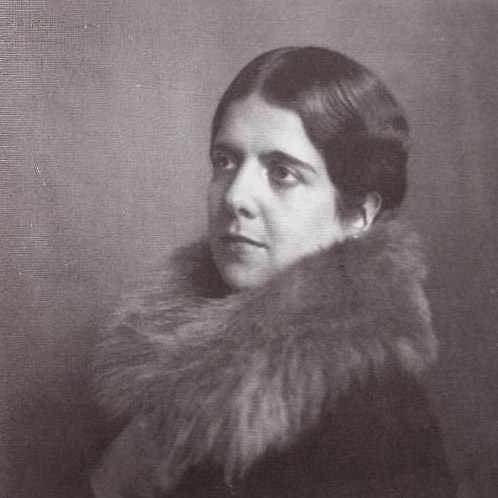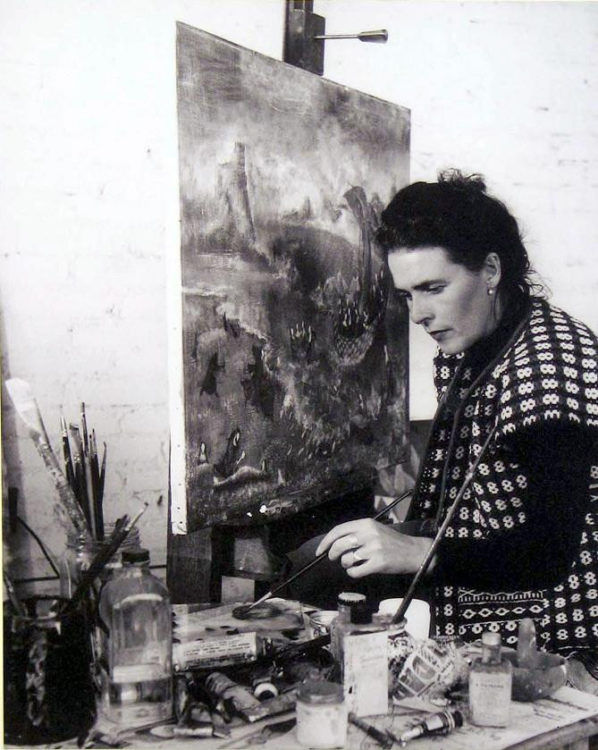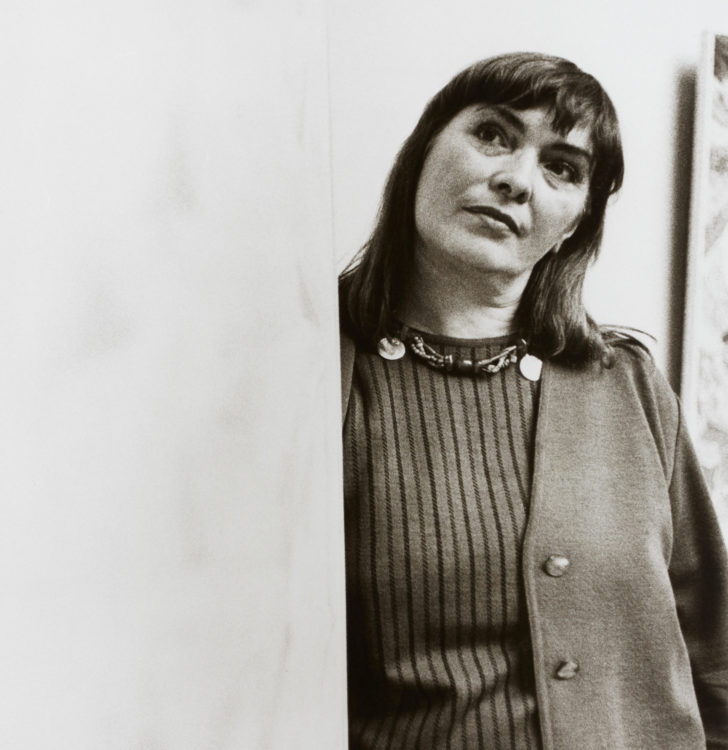
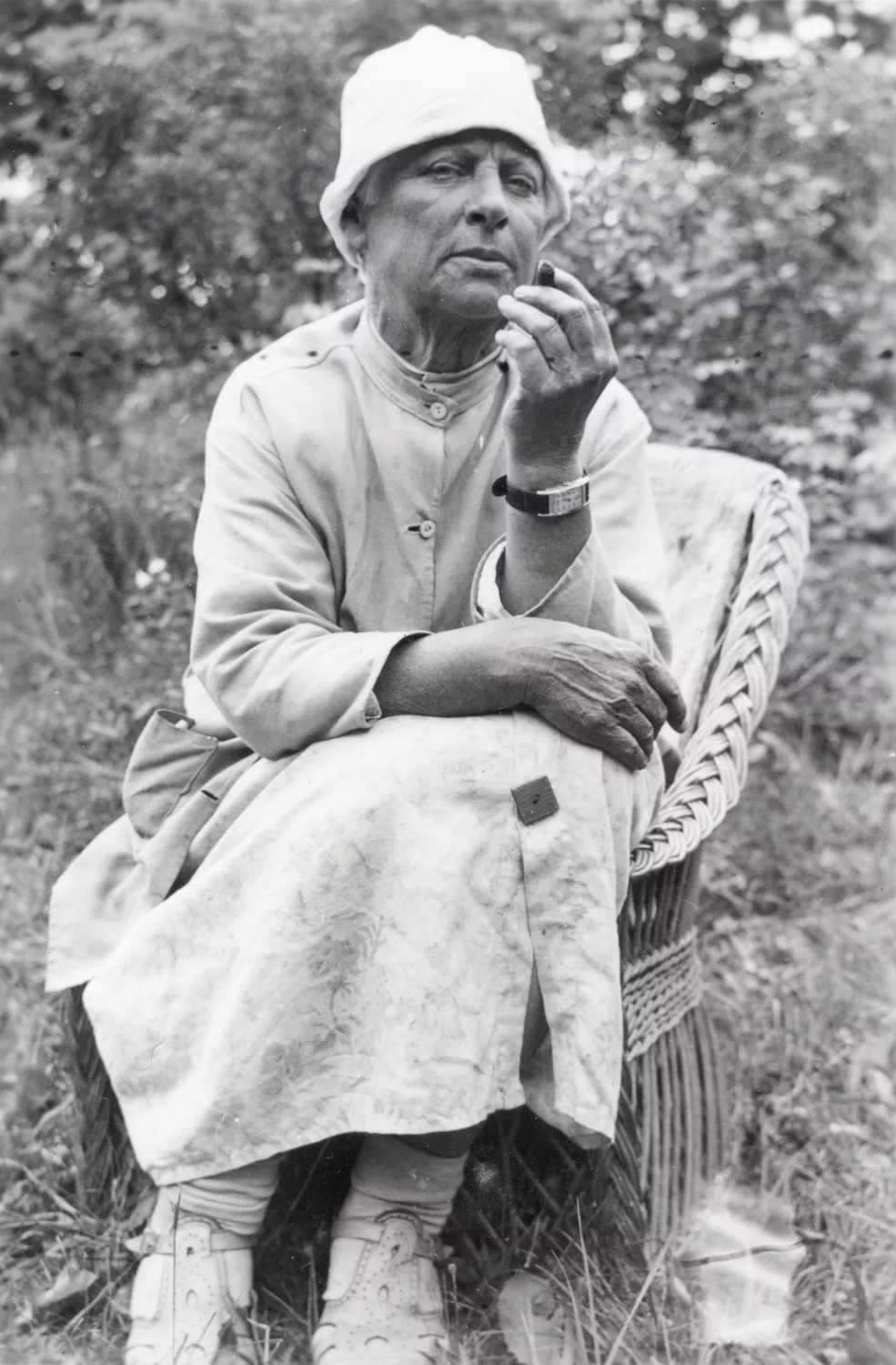
Portrait of Olivia Holm-Møller, ca. 1937, taken from Karl Holm-Møllers photo album © The Estate of Olivia Holm-Møller
Gottlieb, Lennart, Olivia Holm-Møller – raderinger og kunstnerliv, exh. cat., Holstebro Kunstmuseum, Holstebro (5 November, 2022–20 February, 2023), Holstebro, Forlaget Frydenlund og Holstebro Kunstmuseum, 2022
→Mogensen, Bech, Inge, Lise, Angkjær, Jørgensen, Ulla, Zidor Nygaard, Pernille, Østergaard Pedersen, Teresa, Olivia Holm-Møller – en kunstnerkreds omkring 1900-1930, exh. cat., Holstebro Kunstmuseum, Holstebro (17 September, 2022–22 January, 2023), Holstebro, Holstebro Kunstmuseum, 2022
→Mortensen, Niels Th., Olivia Holm-Møller, Copenhagen, Munksgaard, 1960
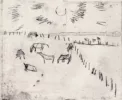
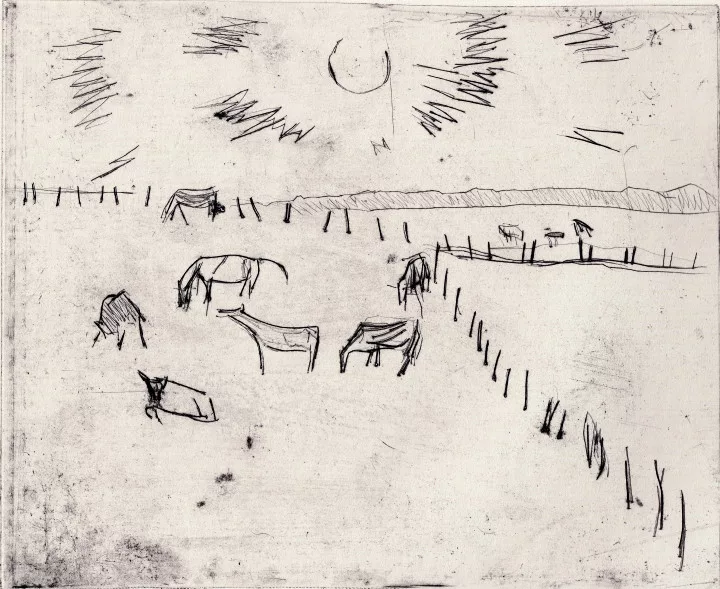
Olivia Holm-Møller – Etchings, Holstebro Kunstmuseum, Holstebro, 5 November, 2022–20 February, 2023
→Olivia Holm-Møller – A Circle of Artists, Holstebro Kunstmuseum, Holstebro,17 September, 2022–22 January, 2023
→Gnist: J. F. Willumsen, Olivia Holm-Møller, Asger Jorn, Kunstforeningen Gammel Strand, Copenhagen, 26 June–31 October, 2021; Holstebro Kunstmuseum, Holstebro, 20 November, 2021–20 February, 2022
Danish painter, sculptor and graphic artist.
Olivia Holm-Møller grew up in Homå, in a home influenced by the Danish folk high school movement. In 1900 she moved to Copenhagen to attend Emilie Mundt (1842–1922) and Marie Luplau’s (1848–1925) school of drawing. Prior to this, from around 1893 to 1900, she taught at several folk high schools based on the ideas of N. F. S. Grundtvig, including Ågård Højskole, where she formed a close friendship with the painter Elise Konstantin-Hansen (1858–1946) and her two sisters, Thora and Signe Constantin-Hansen, with whom she stayed during her initial years in Copenhagen. O. Holm-Møller was accepted as a student at the Royal Danish Academy’s School for Women in the autumn of 1901, where she studied until the winter of 1902. She then moved to Vejle to work at the C. M. Hess Iron Factory until 1905. She later returned to the Academy in 1905–1906 but never graduated.
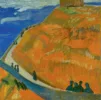
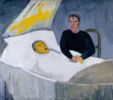
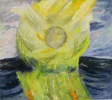
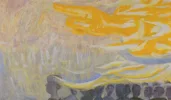
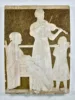
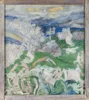
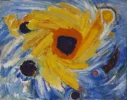
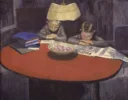
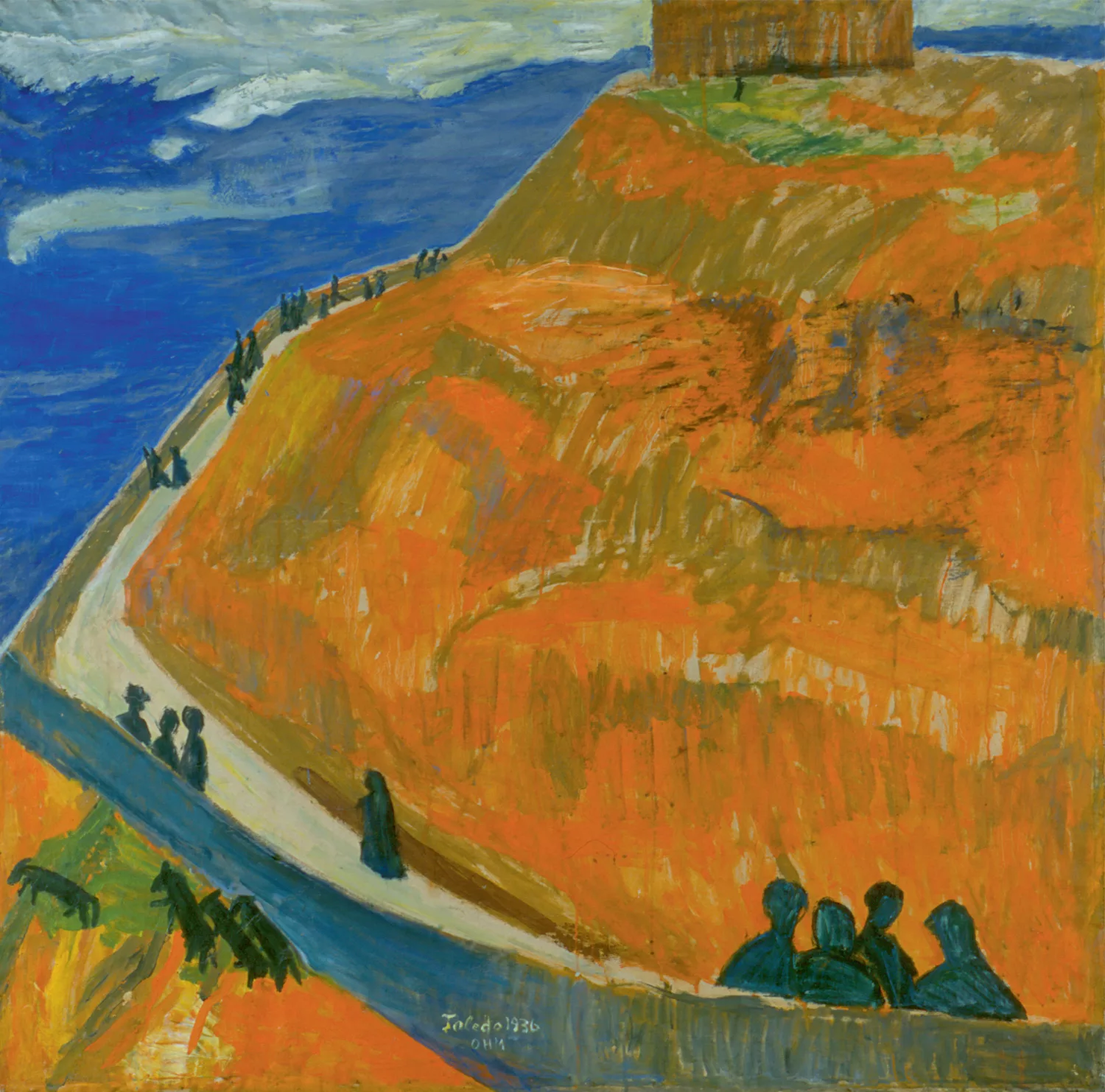
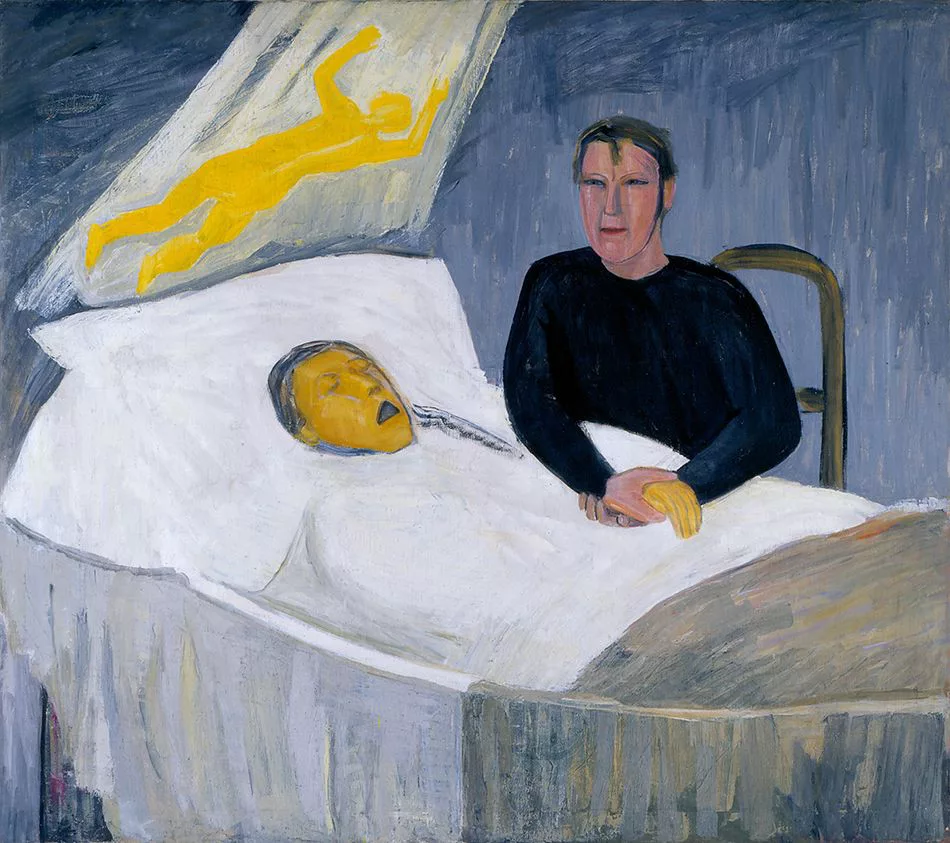
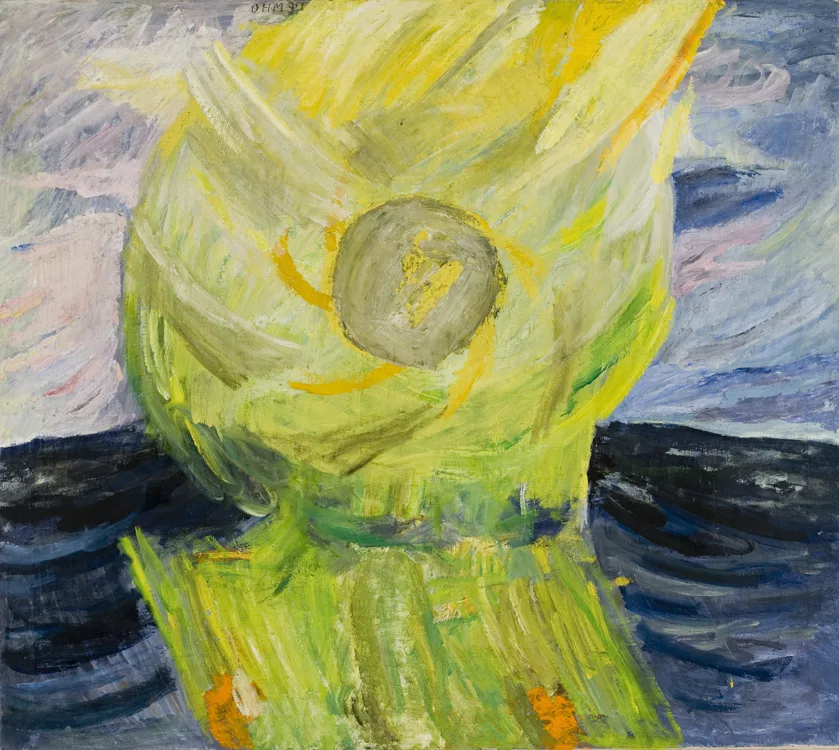
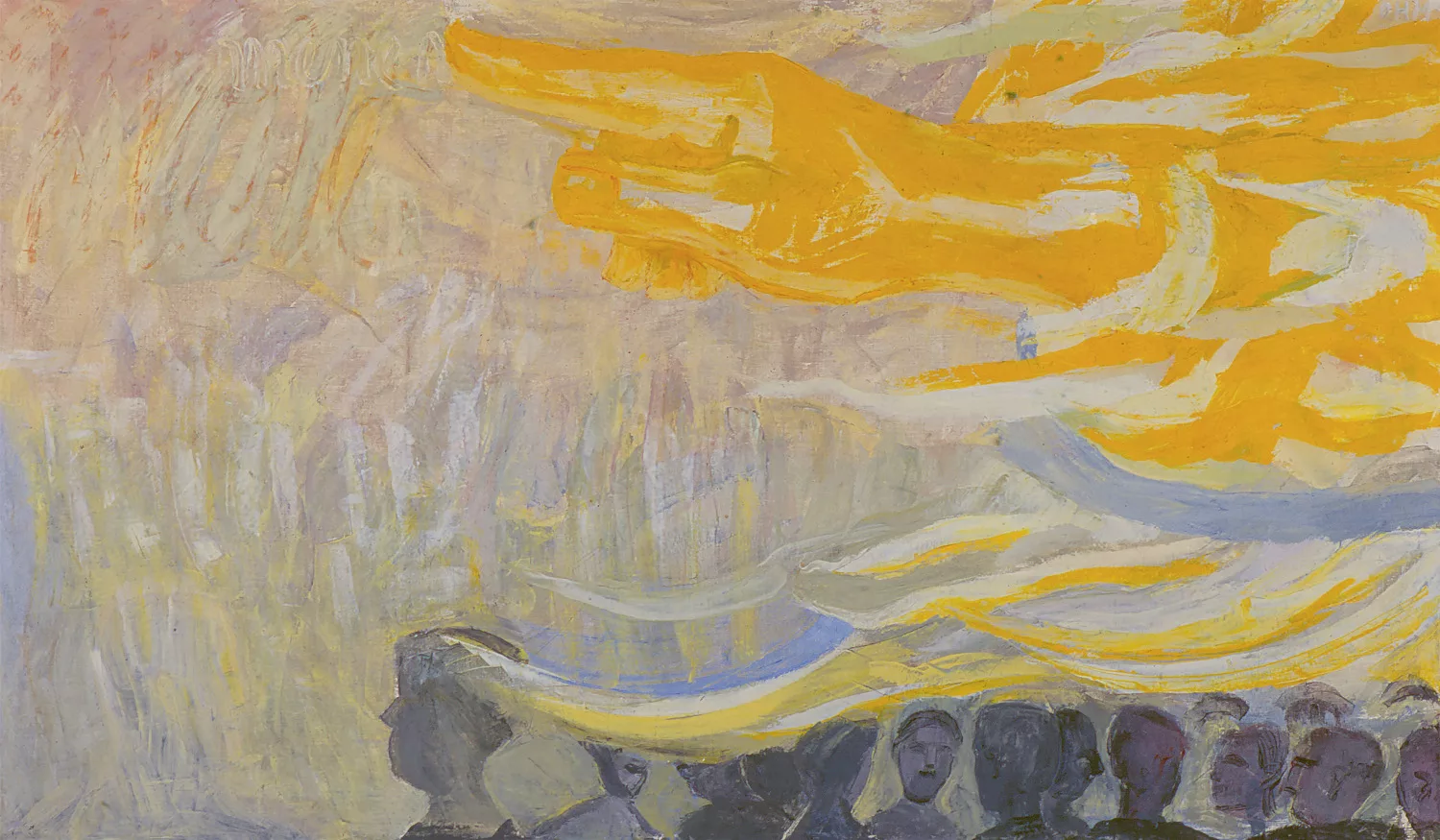
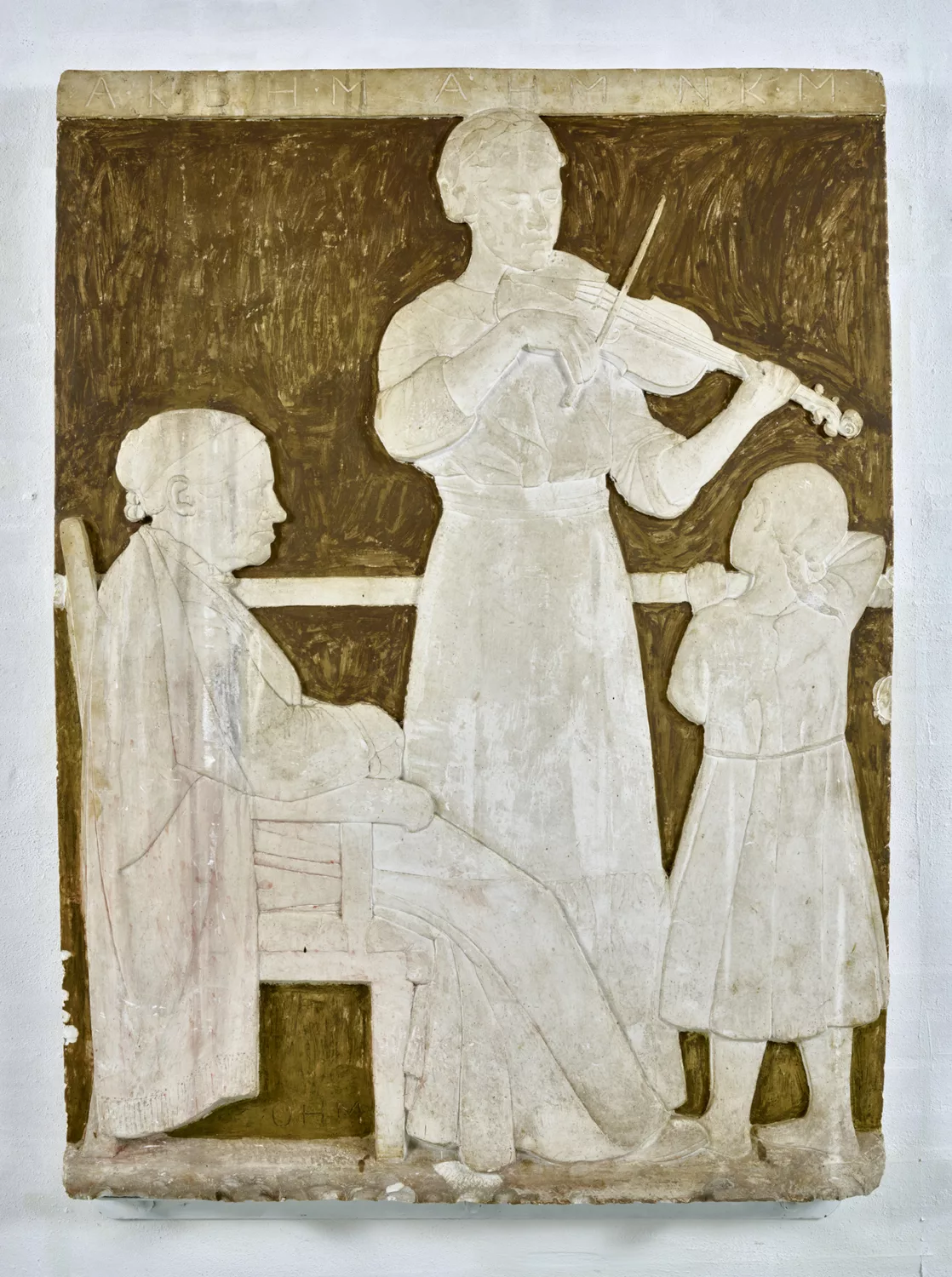
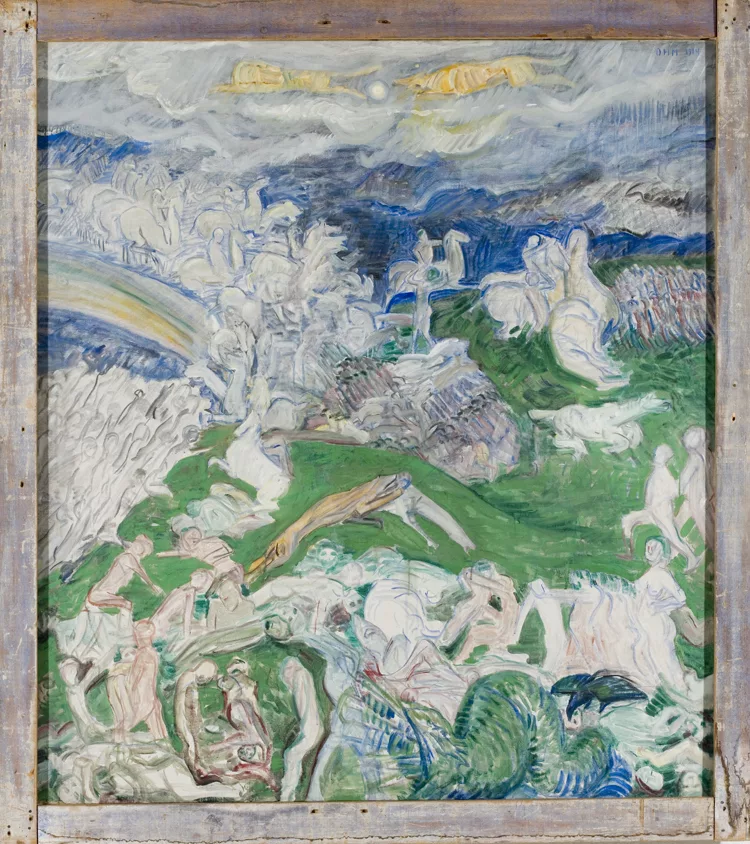
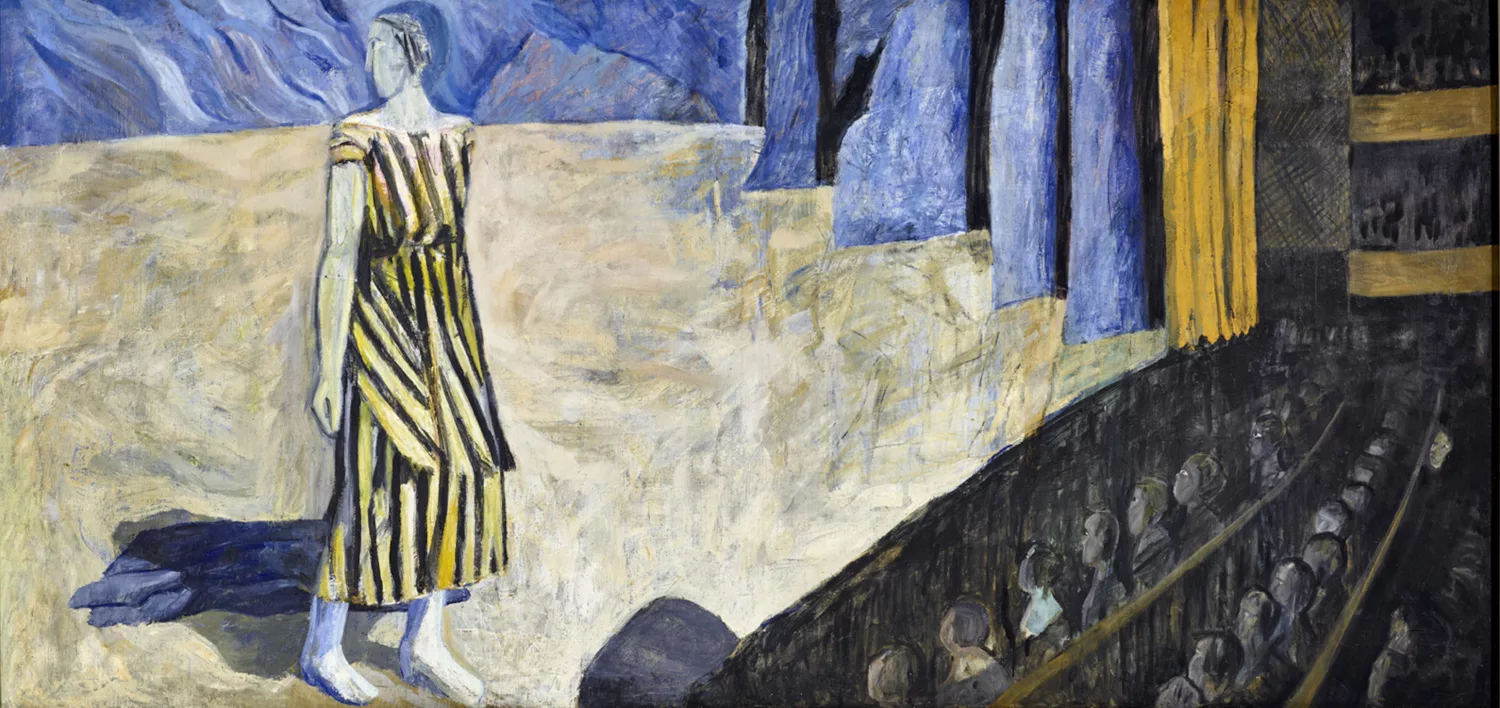
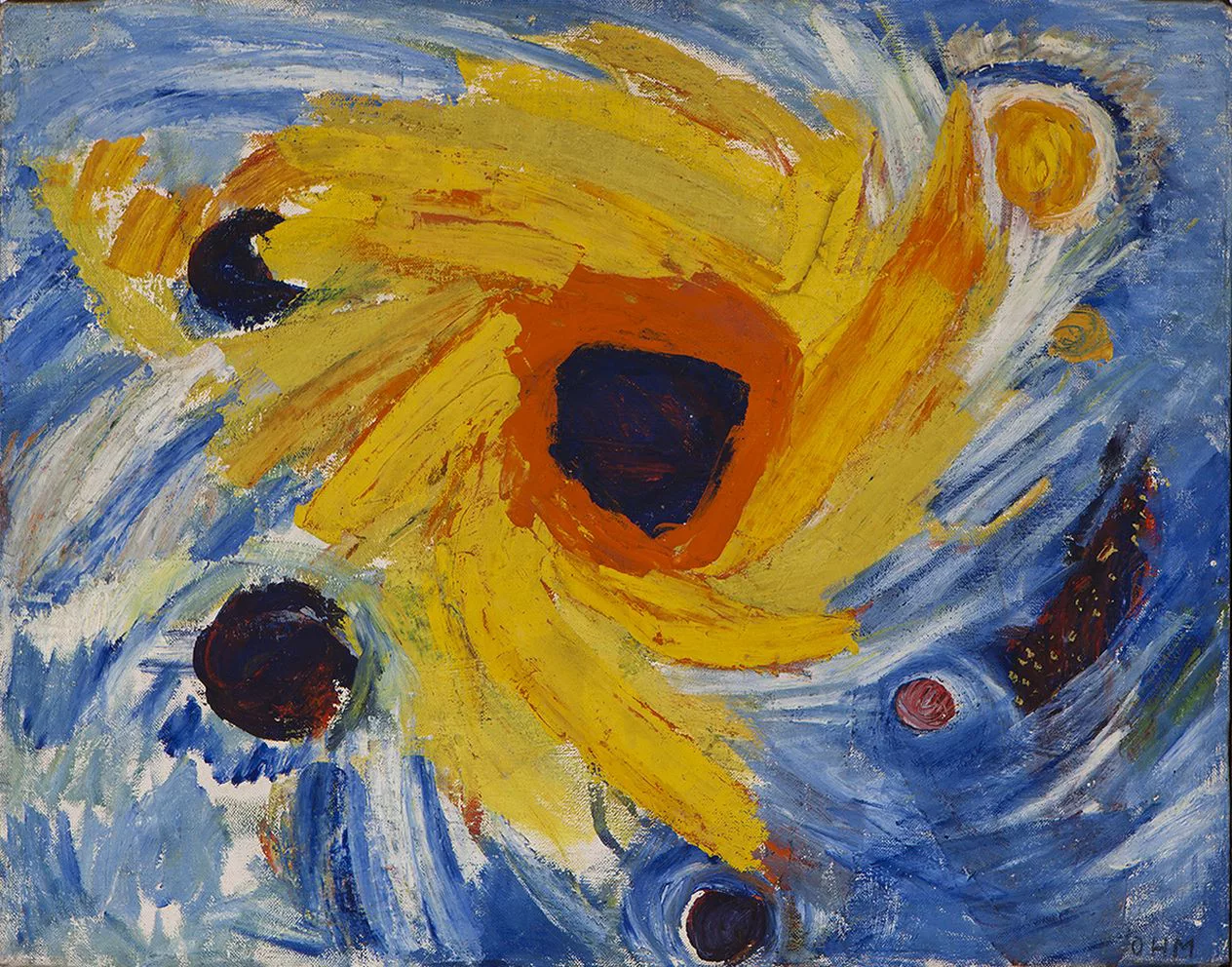
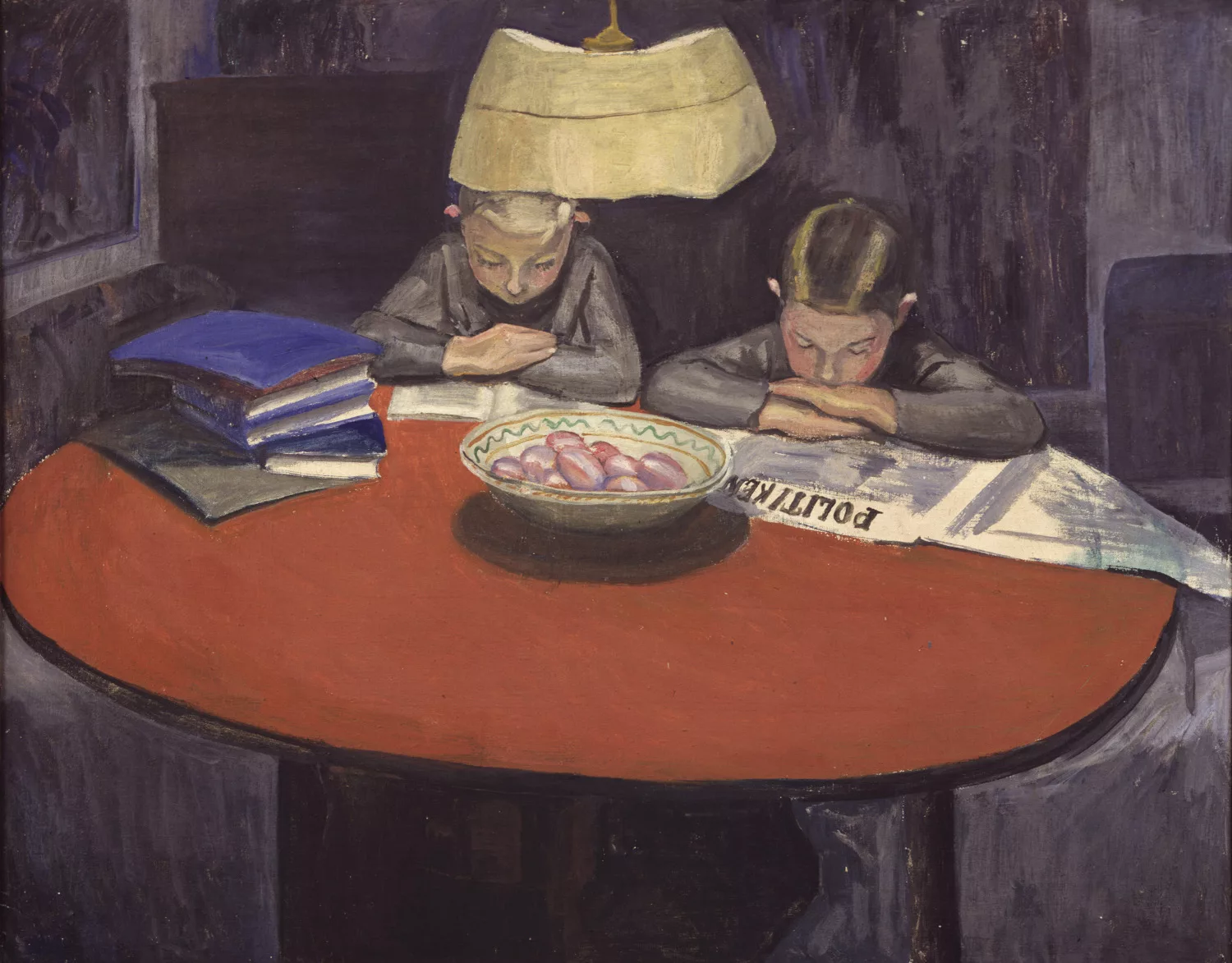
At the beginning of her career, she primarily worked with flat reliefs. During 1907–1910 she mostly portrayed friends and family members. Her Portrætgruppe med spillende ung pige [Group Portrait with Young Girl Playing, ca. 1908] depicts her mother, sister and niece. From about 1914 onward, O. Holm-Møller concentrated mainly on painting. Working in tempera, she developed a visual language characterised by bright colours and rough, expressive brushstrokes. She often drew on biblical and mythological subjects, as well as grand narratives revolving around themes of human life. She also depicted the nature of her surroundings and everyday life with her two nephews, whom she cared for and homeschooled after the death of her sister-in-law in 1914. Alongside large compositions, O. Holm-Møller began developing her own approach to abstract painting in the 1930s. She first exhibited her abstract works in 1937 at Den Frie Udstilling [The Free Exhibition].
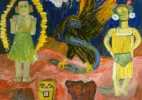
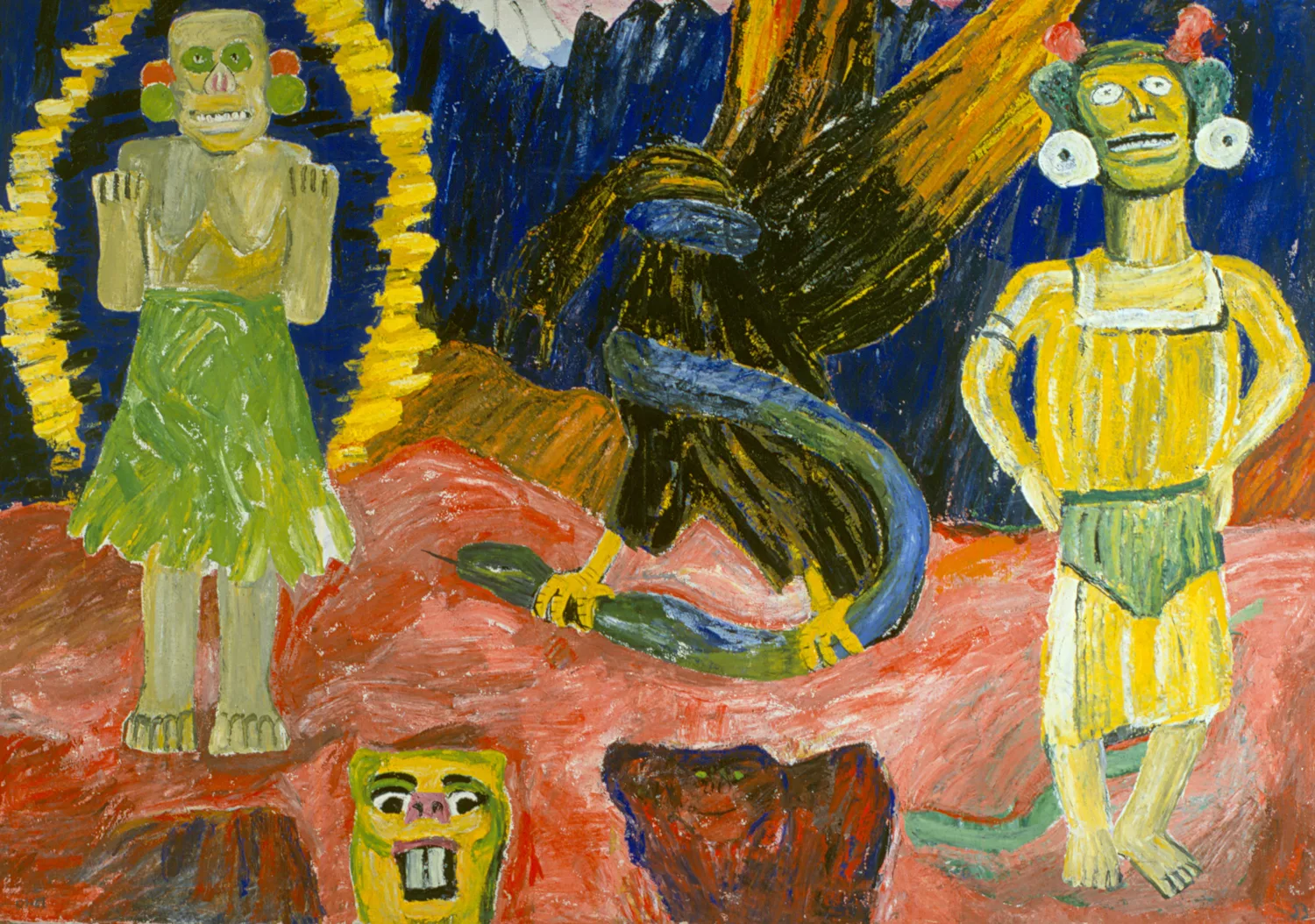
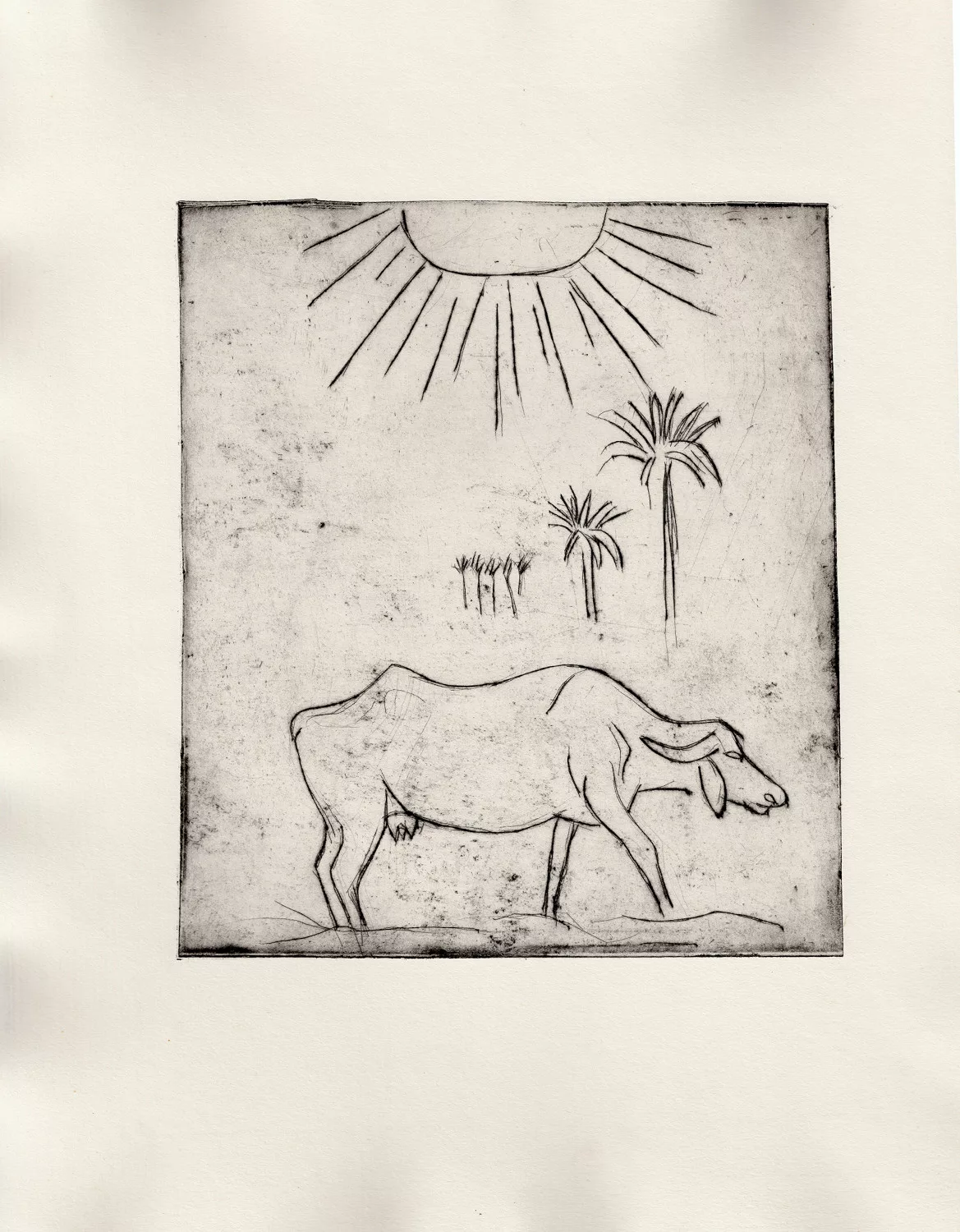
O. Holm-Møller travelled extensively throughout her life, and her journeys increasingly influenced her work, especially after the Second World War, when she was able to make longer journeys to destinations such as Mexico, Egypt, Kenya and India. During her travels she mainly worked with drawing and watercolour in smaller formats, which she later reworked into large-scale paintings, such as Mexicanske guder og symboler [Mexican Gods and Symbols, 1950] inspired by her trip to Mexico in 1950.
At the beginning of her career, she exhibited with other female artists, amongst them E. Konstantin-Hansen, Carla Colsmann (1887–1974) and Sophie Pedersen (1885–1950). Although her application to join the artists’ association Den Frie Udstilling was rejected, she nevertheless went on to hold twenty solo exhibitions there.
Unlike many of her Danish contemporaries, O. Holm-Møller did not adhere to an ideological programme for her art, nor was she part of an artistic movement. Instead, she developed an independent Expressionist visual language in response to the world around her and the thoughts and narratives that occupied her mind. While there is still no complete overview of her artistic production, in recent years her work has received renewed attention through exhibitions and the digital publication of her letter archive held at Holstebro Kunstmuseum.
A notice produced as part of the TEAM international academic network: Teaching, E-learning, Agency and Mentoring
© Archives of Women Artists, Research and Exhibitions, 2026