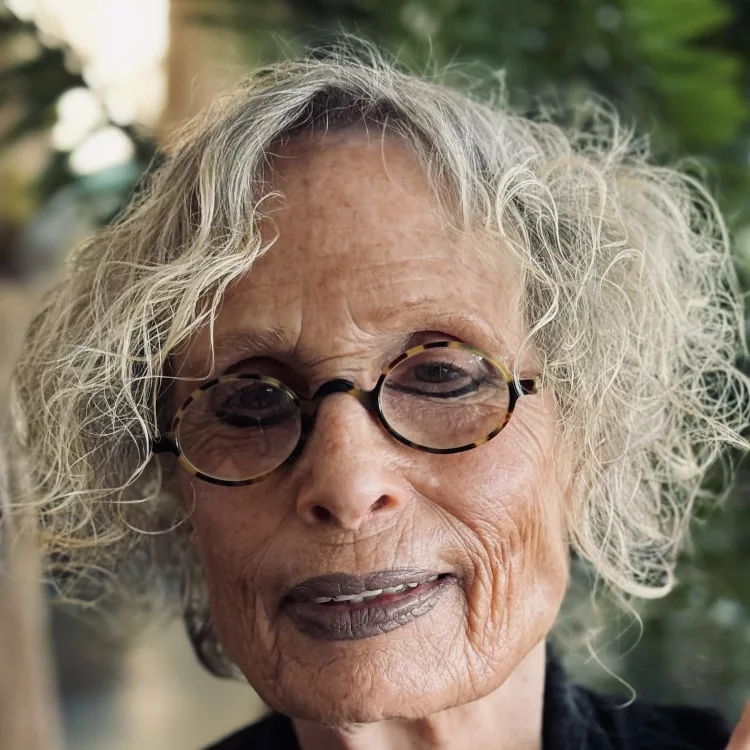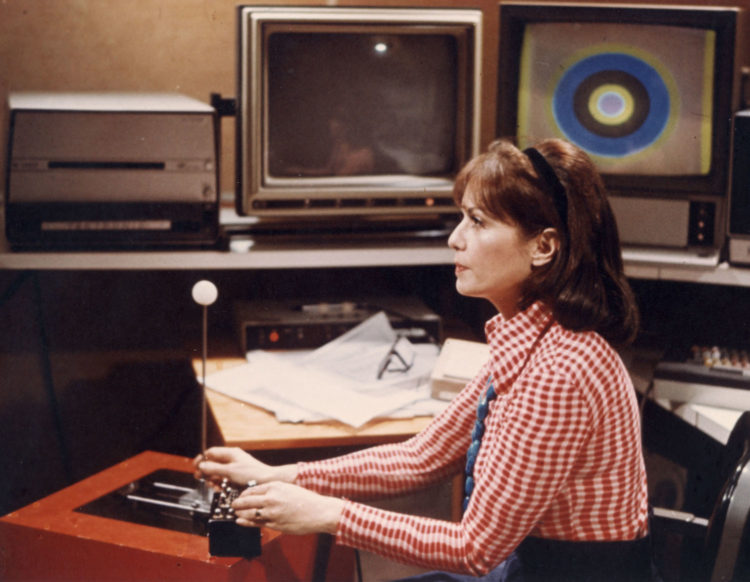

Sonya Rapoport in her home studio with computers and editing machine, circa 1987, potographer unknown, Courtesy Estate of Sonya Rapoport
Terri Cohn (ed.), Pairing of Polarities: The Life and Art of Sonya Rapoport, Berkeley, CA: Heyday, 2012
→Judy Malloy (ed.), “The Process of Creating New Media: Interview with Sonya Rapoport,” 2009, updated 2017
→Sonya Rapoport, “Digitizing the Golem: From Earth to Outer Space,” Leonardo 39, no. 2, 2006
Radical Software: Women, Art & Computing, 1960–1991, MUDAM, Luxembourg, 20 September 2024–2 February 2025 (group exhibition)
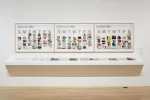
→Sonya Rapoport: biorhythm, San José Museum of Art, San José, CA, 7 February–27 September 2020 (solo exhibition)
→Sonya Rapoport: Pairings of Polarities, KALA Art Institute, Berkeley, CA; 4 March 2011–9 April 2011 (solo exhibition)
American conceptual, new media, and feminist artist.
After studying biology at Boston University (1943–44), Sonya Rapoport completed a BA in labor economics at New York University (1946). Parallel to her academic training, she studied painting and, in 1949, was one of the first women to receive an MA in Fine Art from the University of California at Berkeley. S. Rapoport began her career as a painter associated with Abstract Expressionism and held her first solo museum exhibition at the San Francisco’s Legion of Honor Museum in 1963.
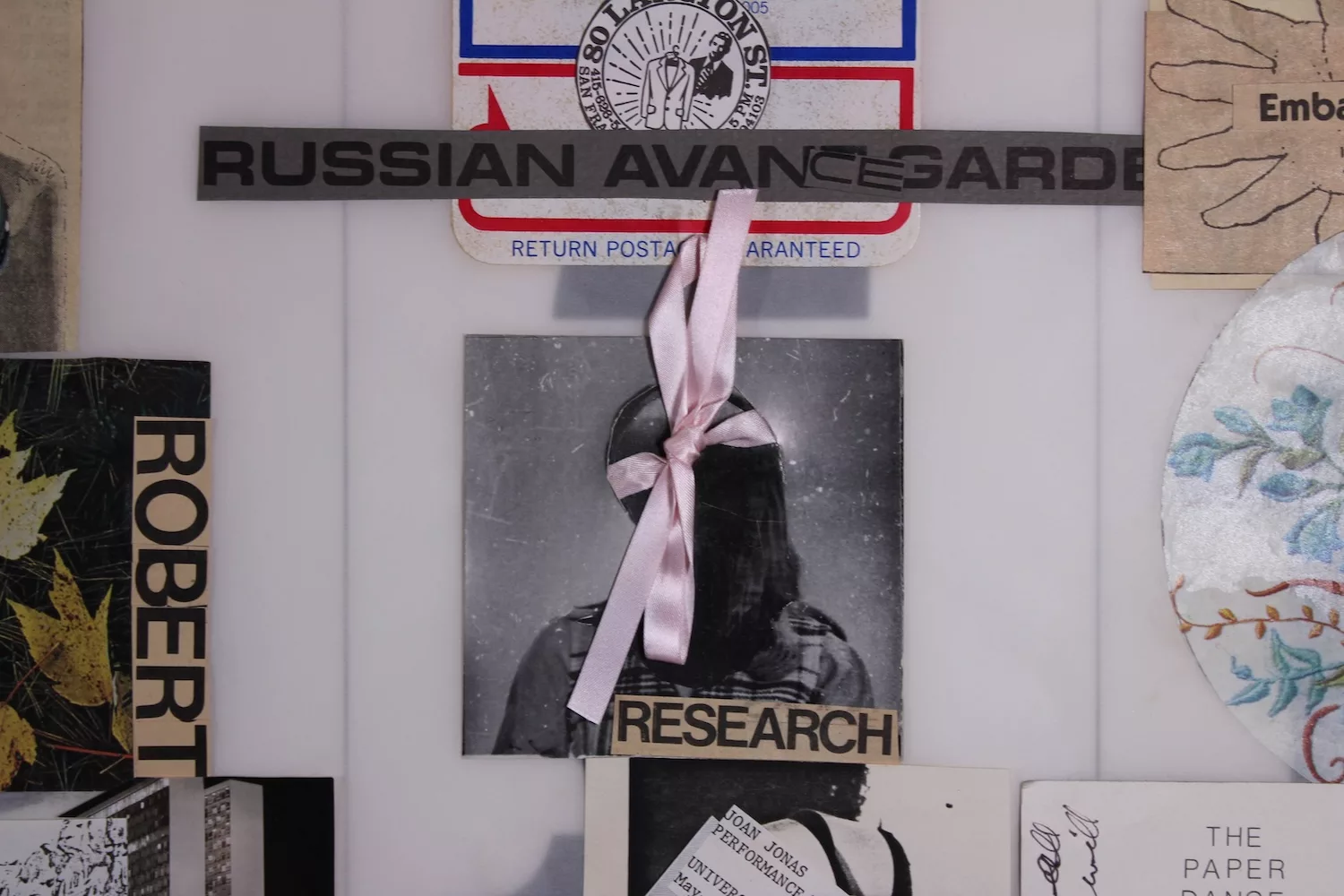
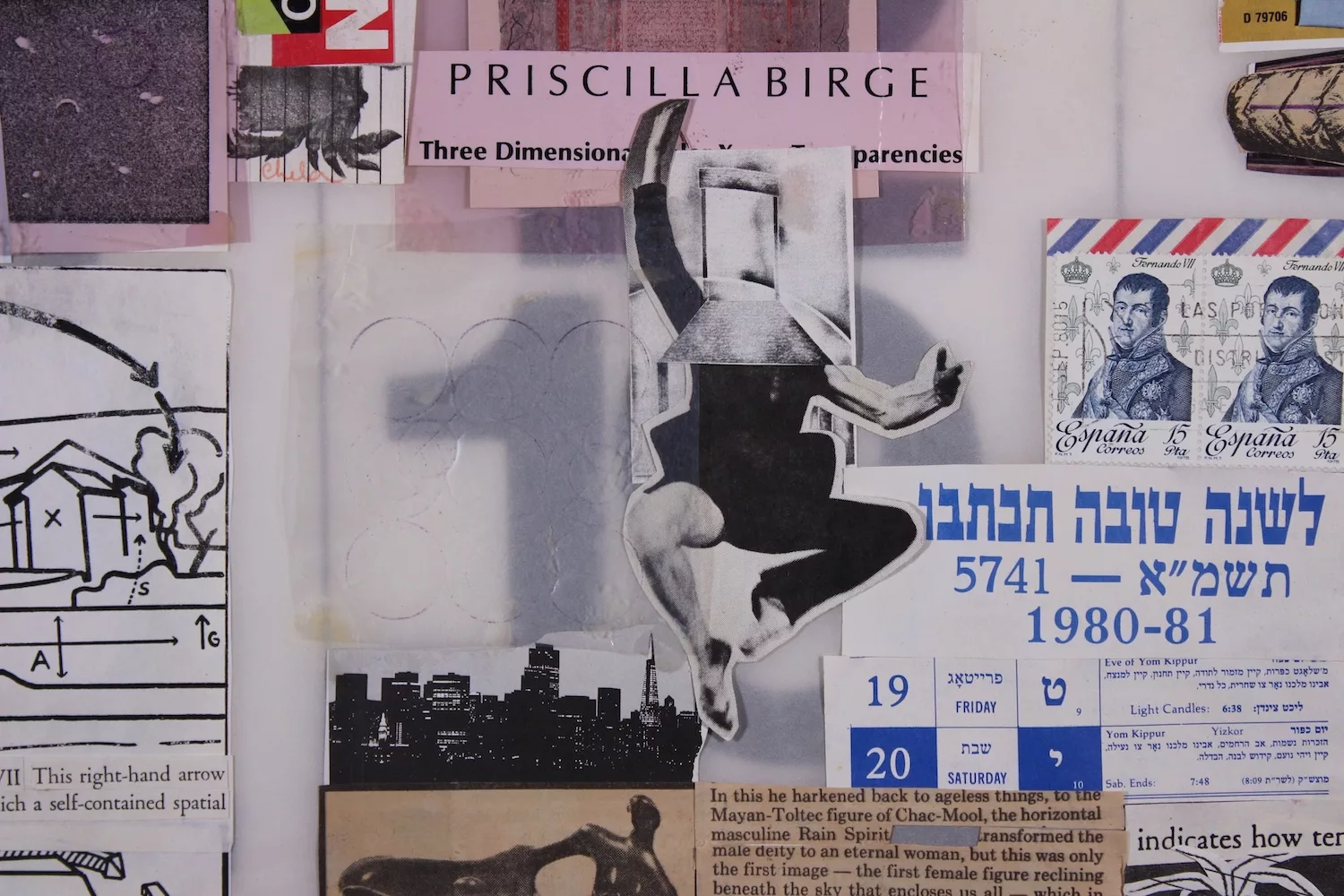
S. Rapoport occupies a foundational position in the development of conceptual and new media art. She reshaped the field through her innovative use of materials, working methods, and new epistemological models. In the mid-1970s, she definitively moved away from the language of modernist abstraction and embraced conceptual and process-driven practices that playfully questioned the authority of science and the modes through which subjective experience is represented. Through a wide range of media—including painting, drawing, performance, and installation—she offered feminist critiques that often exposed the rigidity and parodied scientific conventions. At the same time, her practice reflected a sustained curiosity about expert knowledge, leading her to collaborate closely with both scientists and humanists. Positioned between feminist analysis and information aesthetics, her work proposed new artistic models in which data became a medium to articulate human experiences.
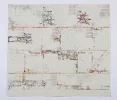
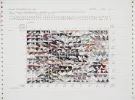
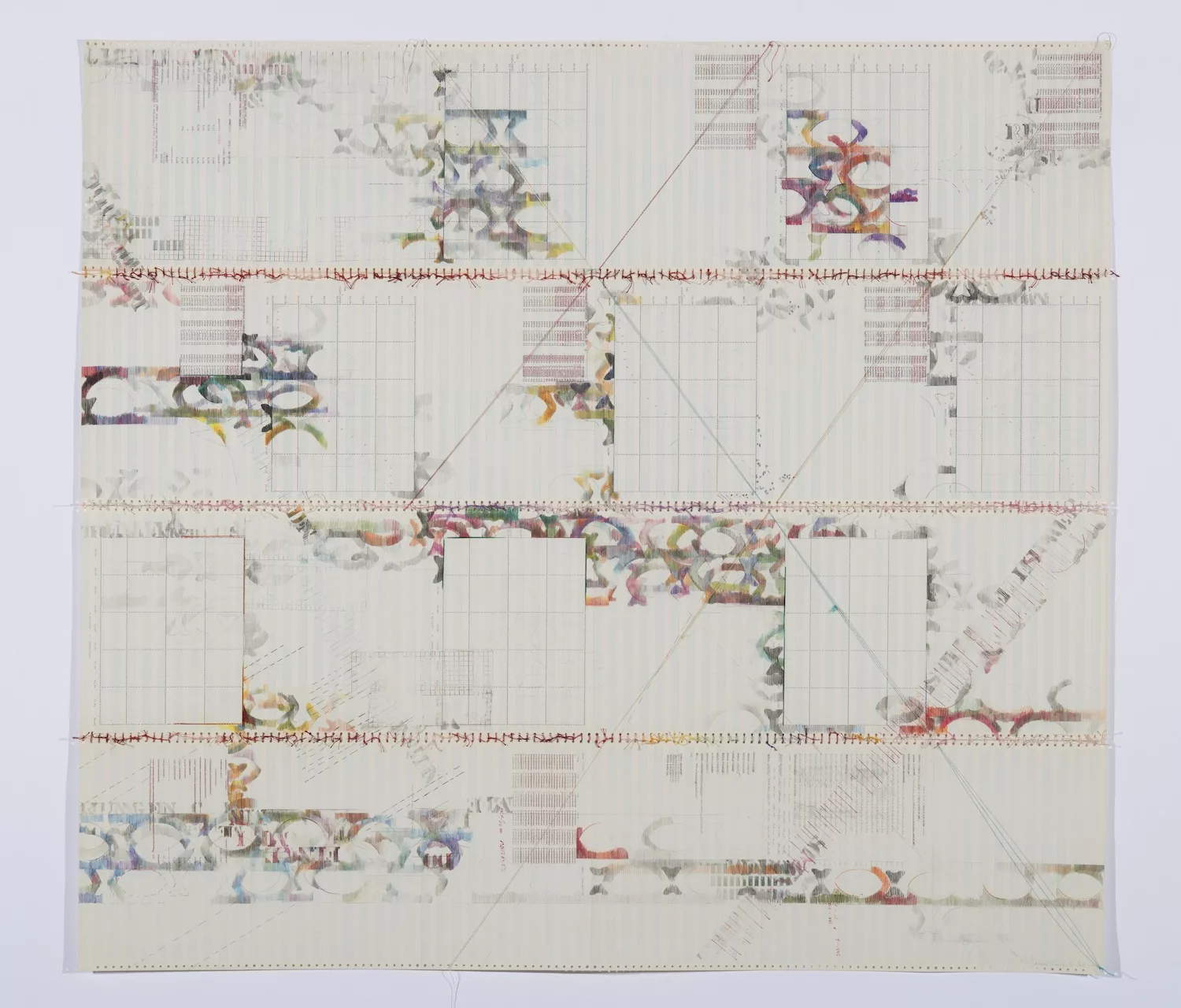
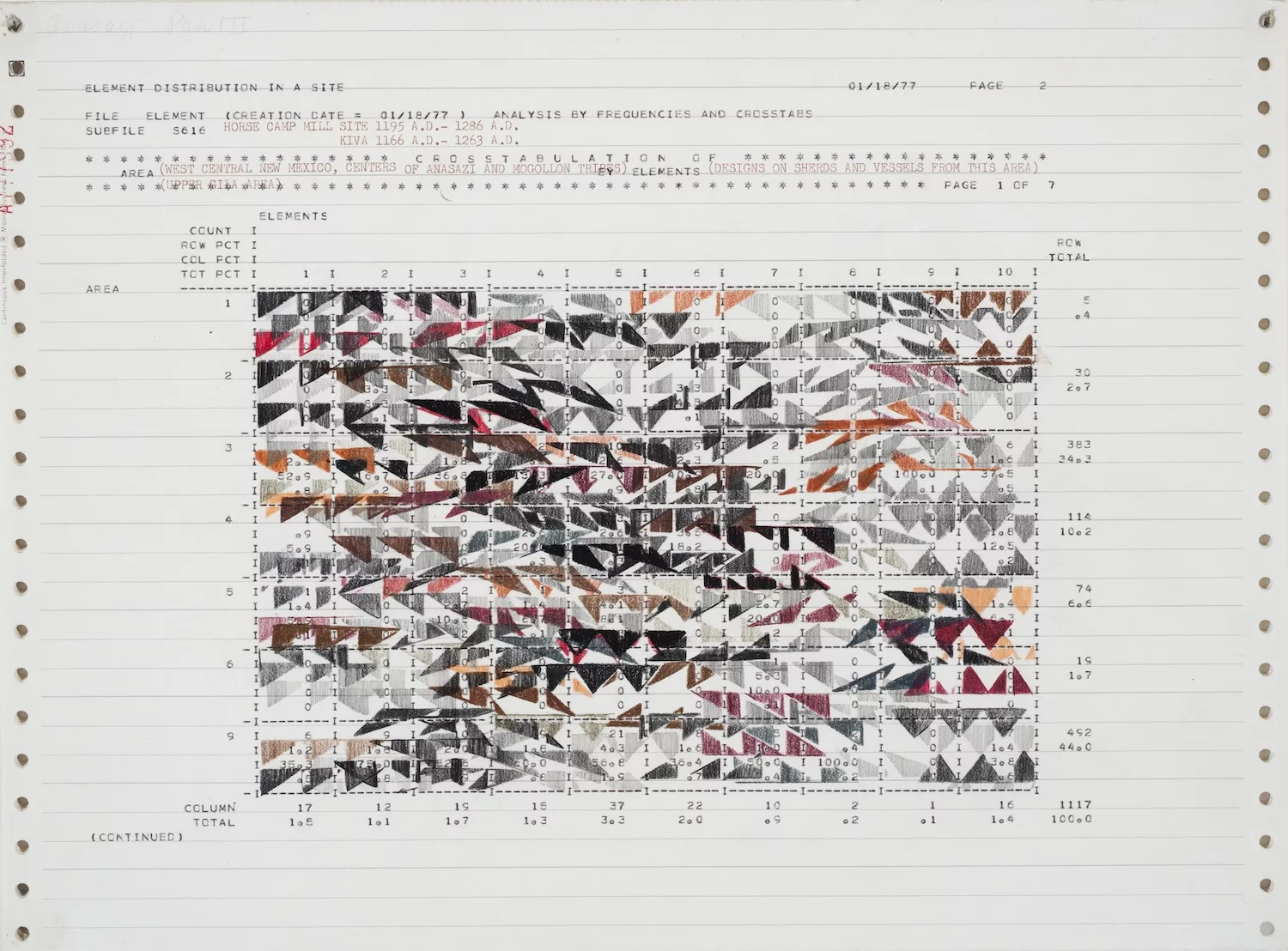
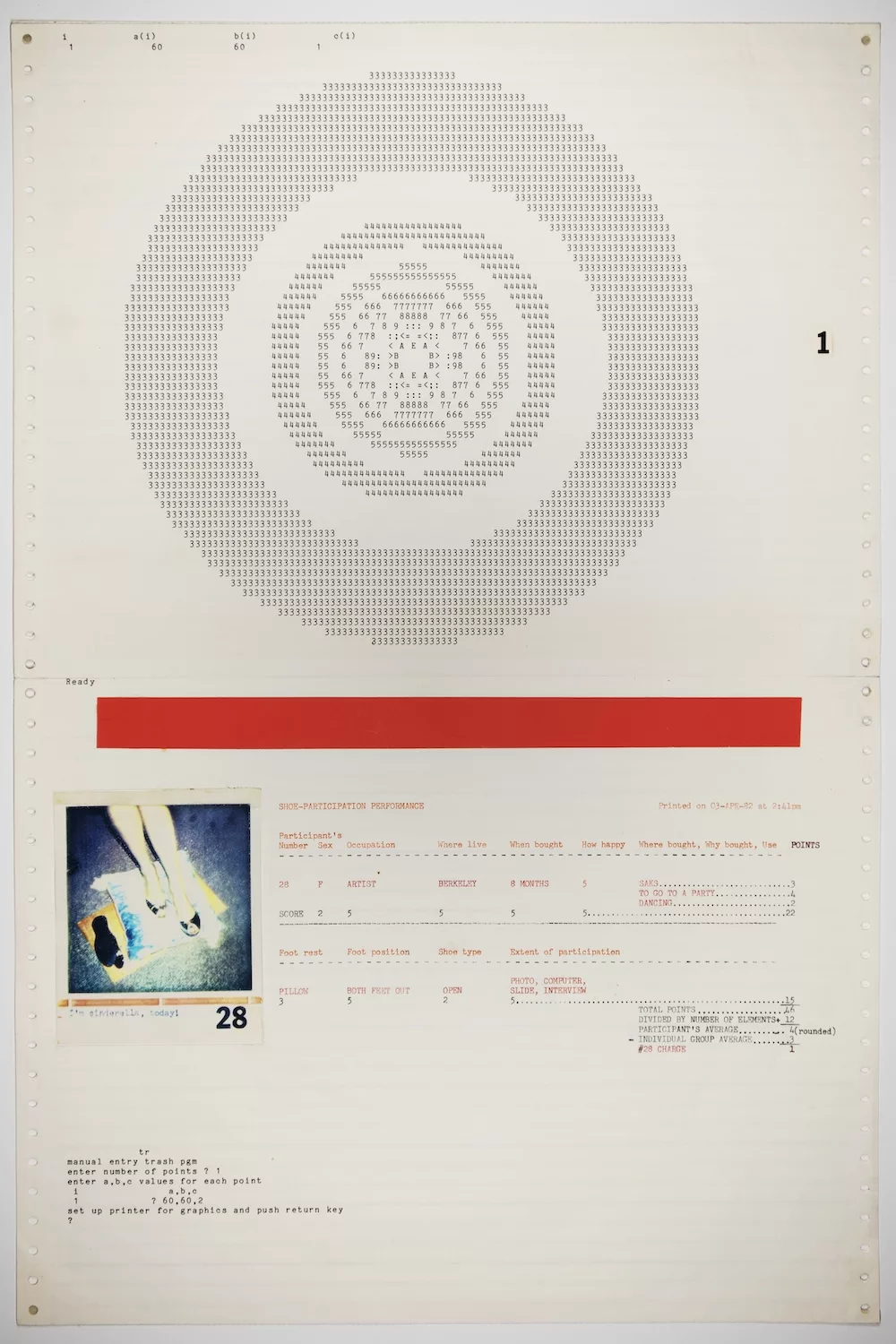
S. Rapoport’s turn toward computer-based art was catalyzed in 1976 by her discovery of discarded continuous-feed computer printouts at UC Berkeley’s mathematics department. What initially appeared as bureaucratic remnants—marked by repetitive patterns and coded symbols—quickly became central to her artistic thinking and material practice. Rather than viewing the data as mere byproducts of computation, she approached them as a visual and symbolic framework, manipulating the sheets through drawing, stitching, and collage to produce intricate works, now known as her Computer Printout Drawings.
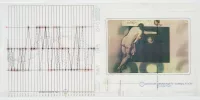
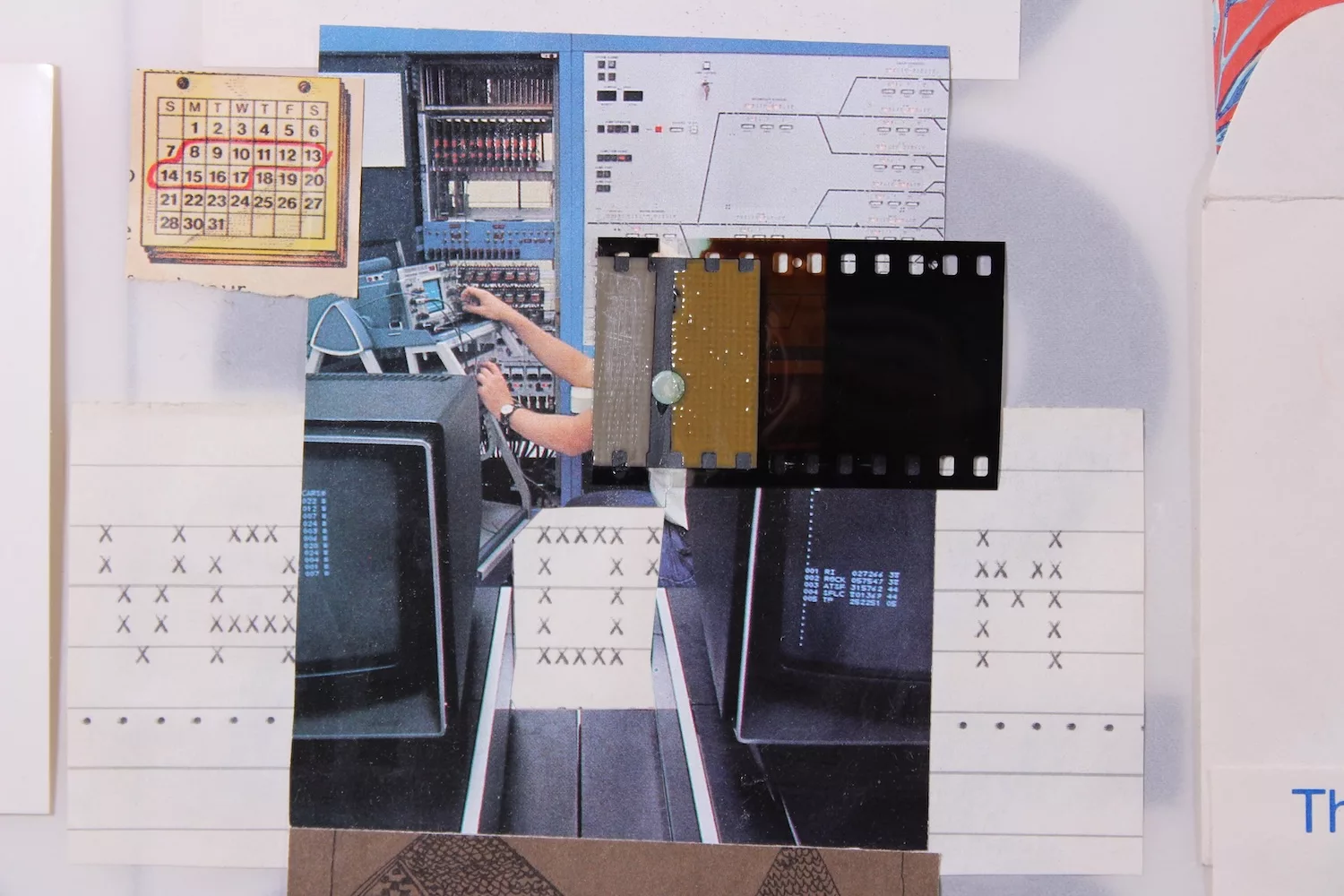
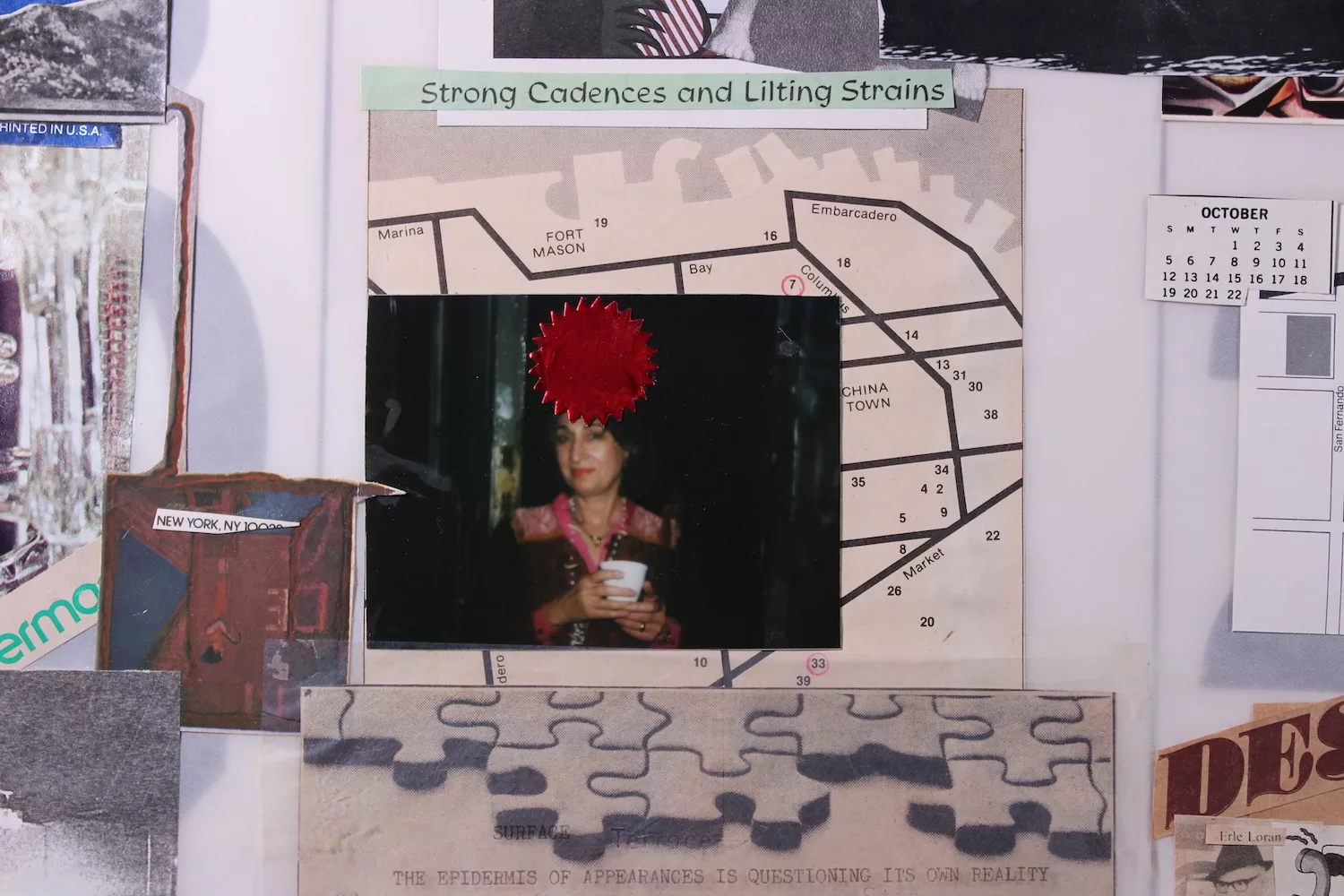
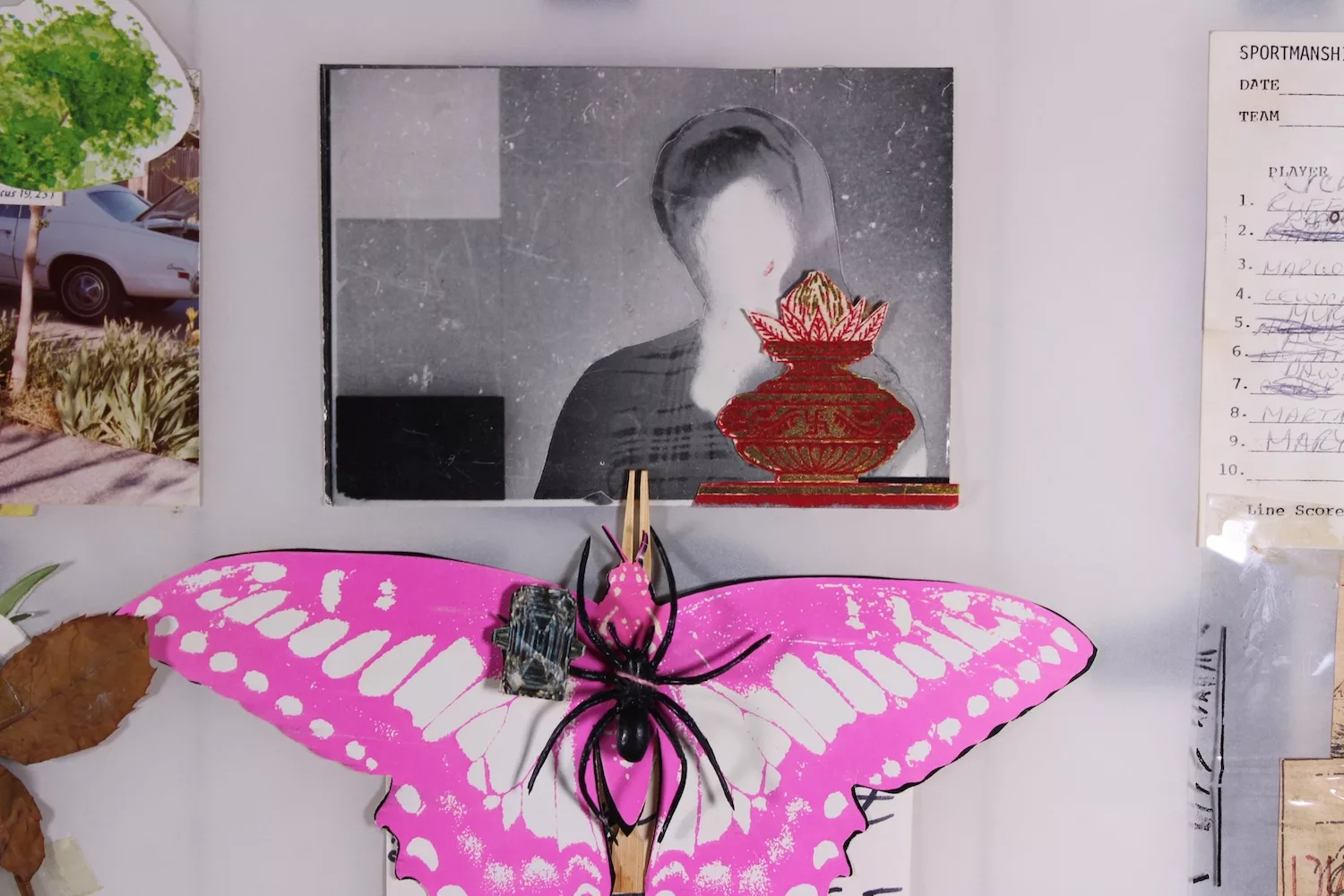
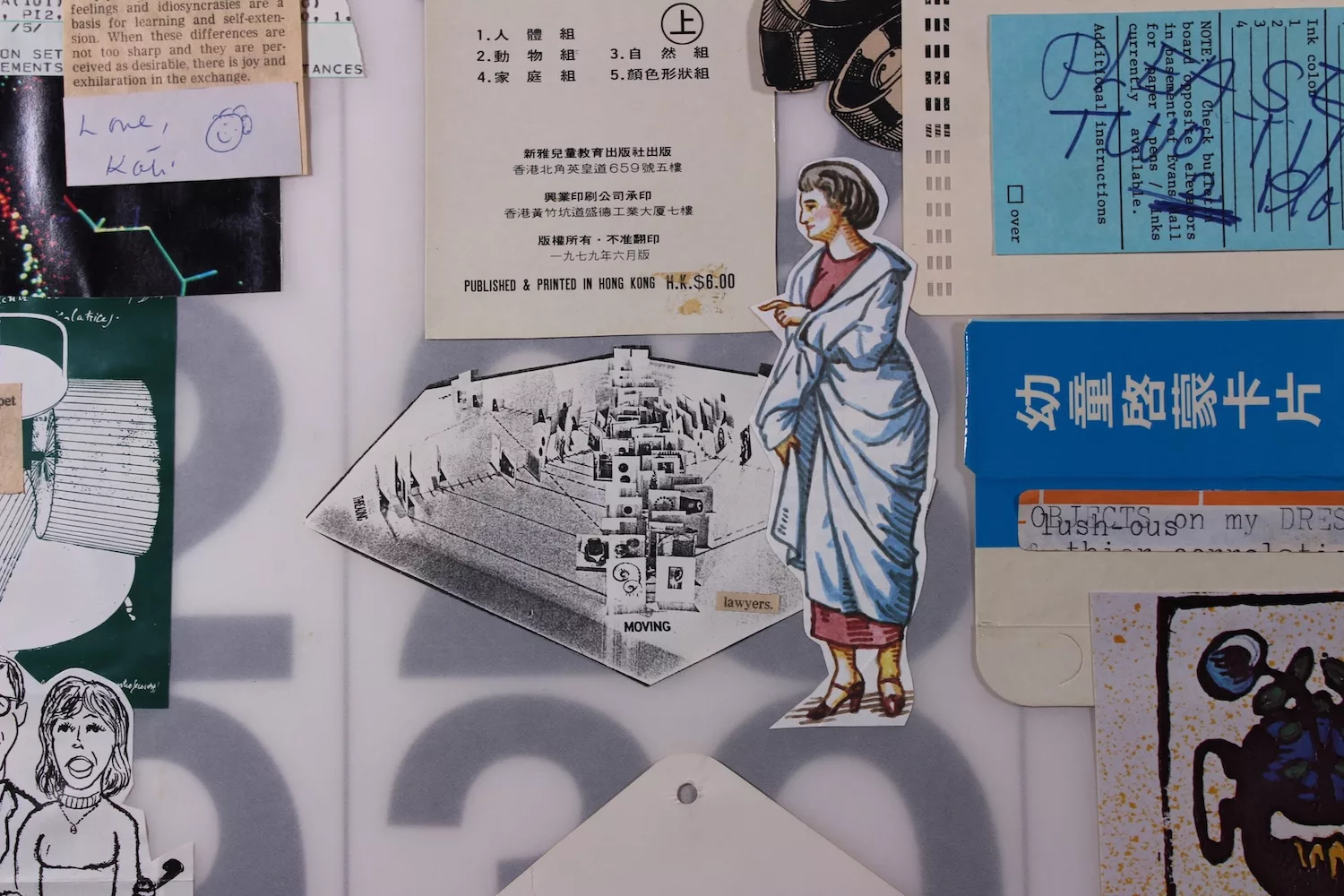
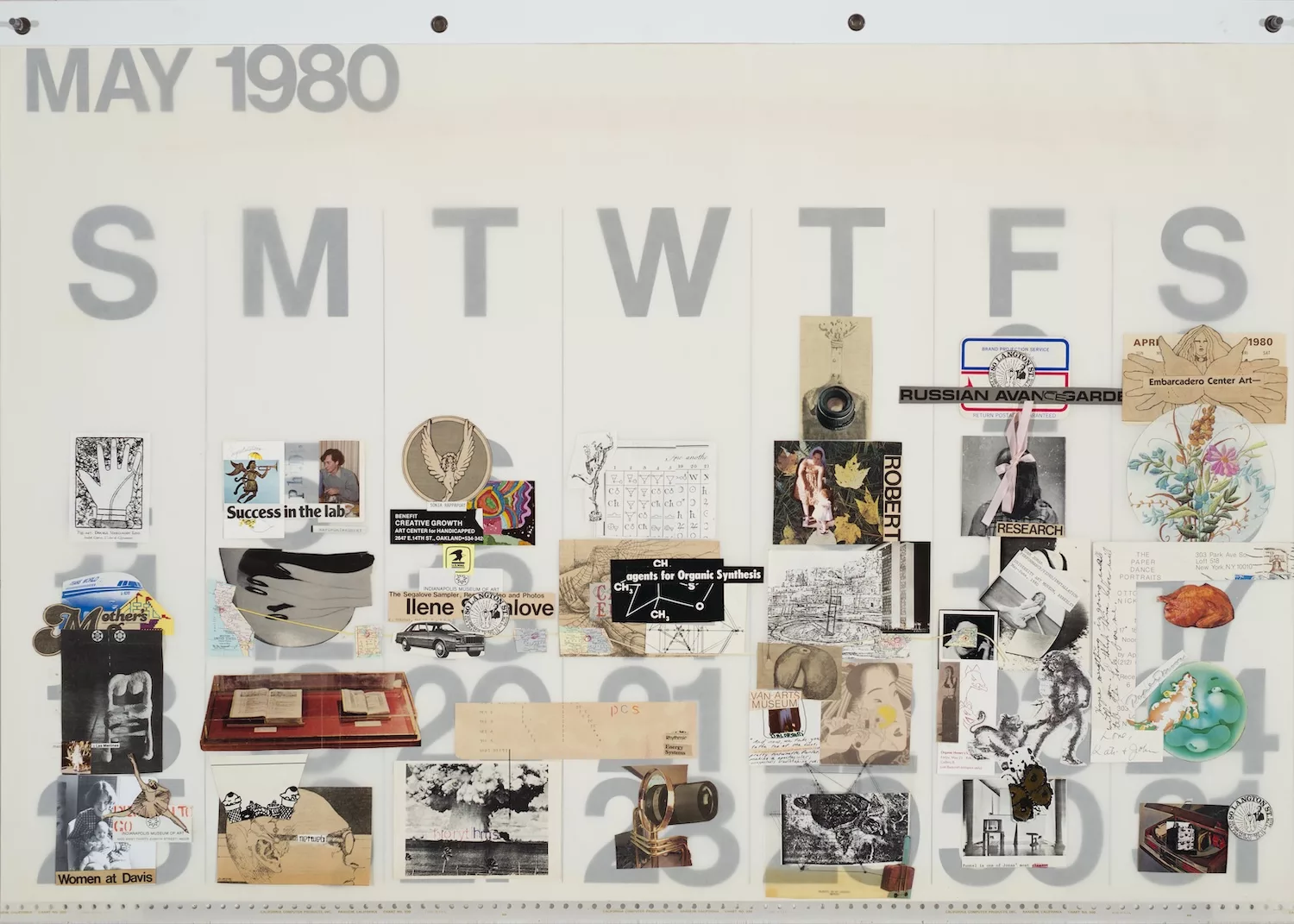
By the late 1970s and early 1980s, S. Rapoport had moved from aesthetic engagement with machine-generated forms to artworks directly shaped through computational processes. She was intrigued by how computers could quantify and turn qualitative information into measurable data. She took a programming course, explored software as a creative tool, and produced data-driven projects such as Objects on My Dresser (1979–83), which translated autobiographical inventories into computer-generated Netweb plots that visualized associative structures.
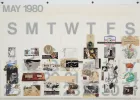
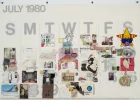
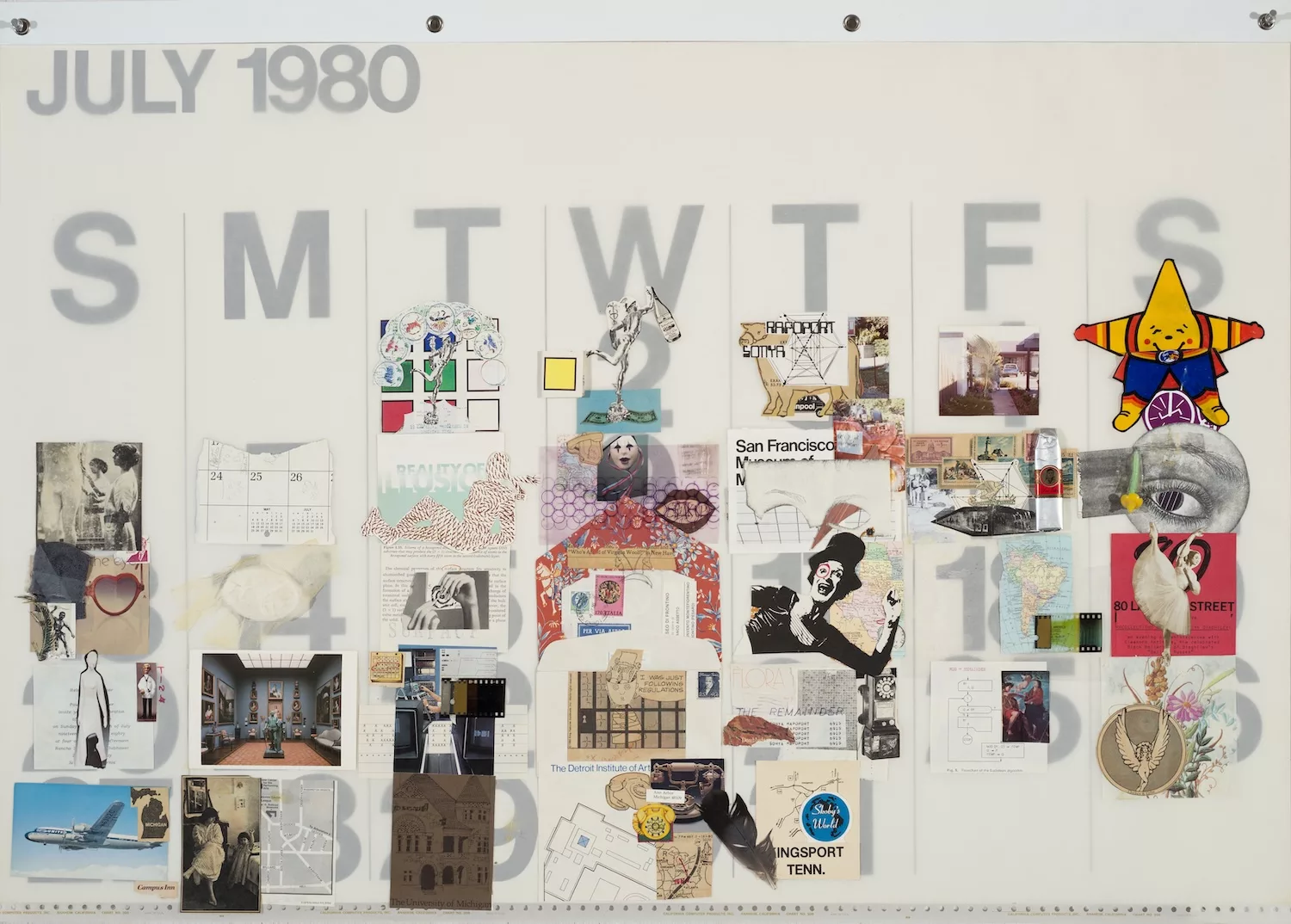
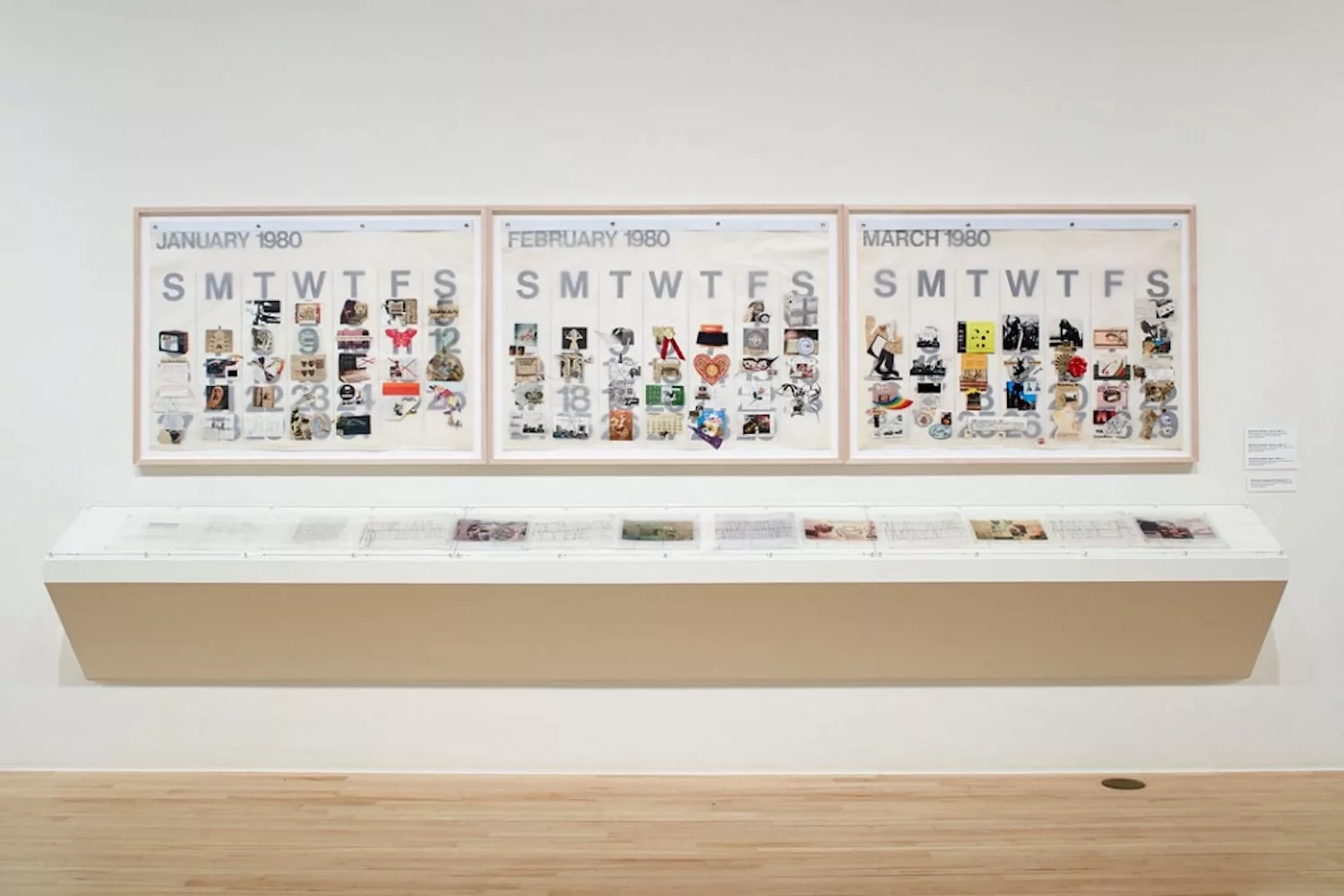
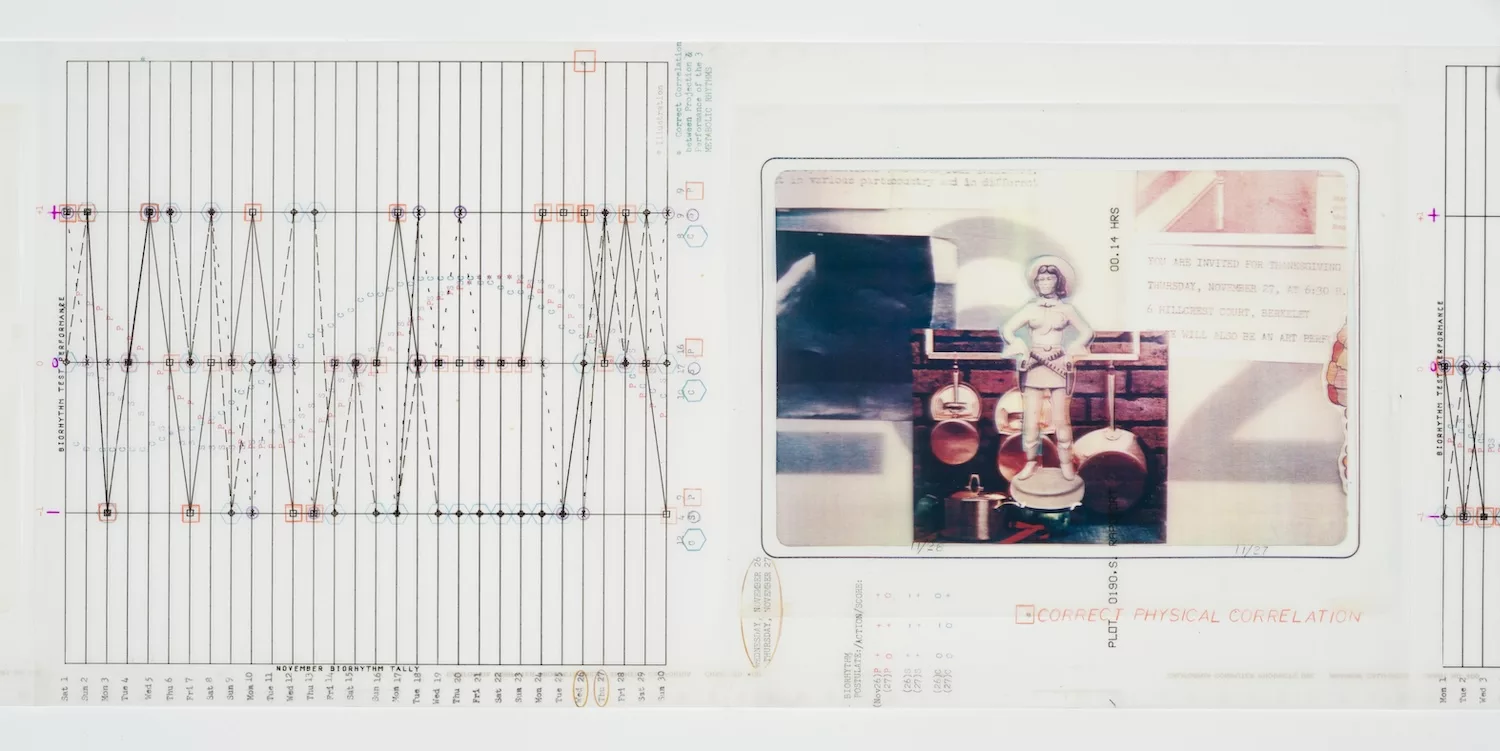
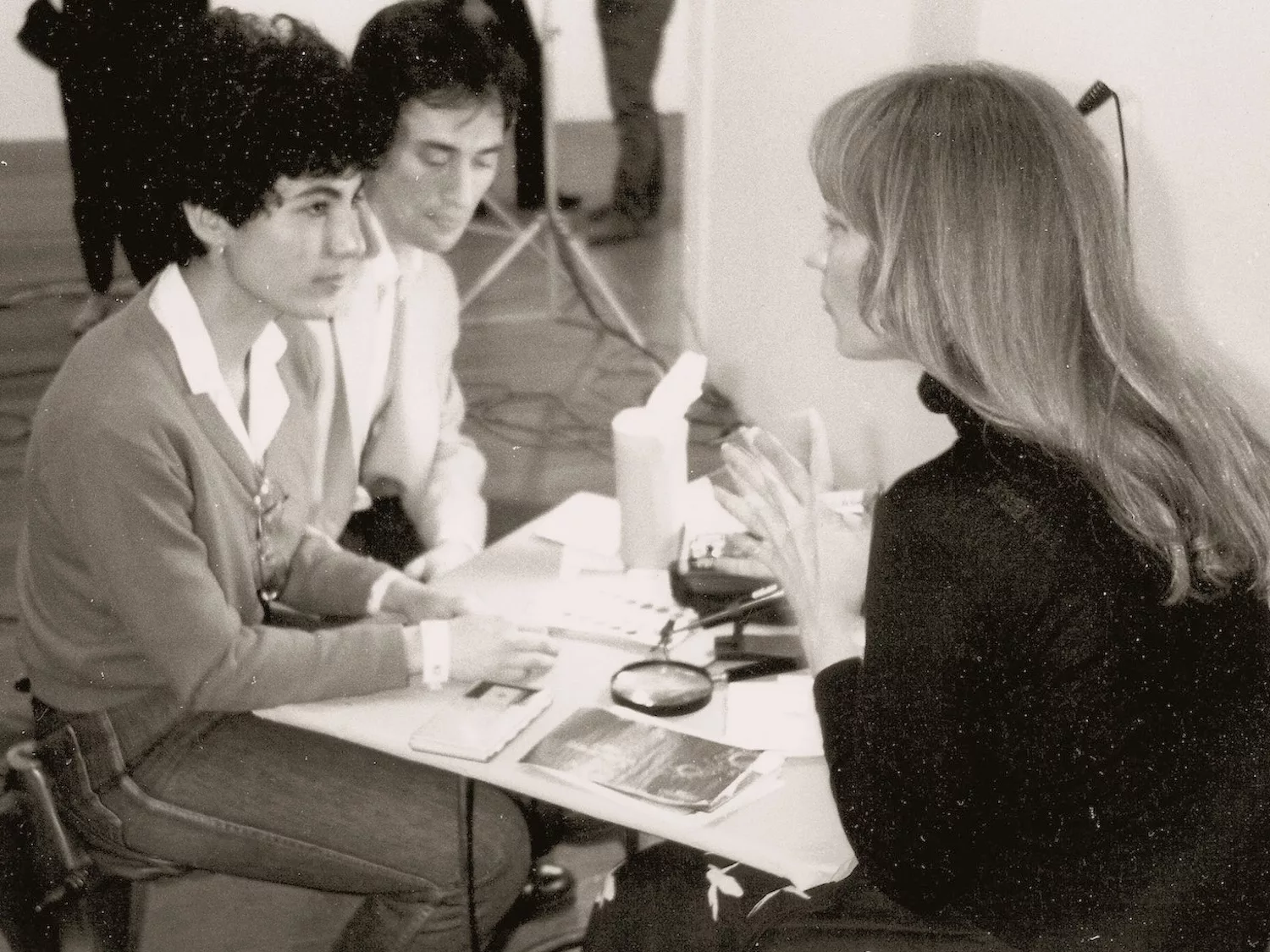
Her innovations in interactive art and what she termed “participation performances” were equally influential. In Objects on My Dresser, Phase 3: Shared Dynamics (1981), participants arranged symbolic cards whose configurations were subsequently analyzed by computer. The Biorhythm series (1980–84), including The Computer Says I Feel… (1984), further linked audience self-assessments with biofeedback systems to produce visualizations of emotional states, anticipating contemporary interest in quantified-self practices.
From the late 1980s onward, S. Rapoport became an early practitioner of web-based art, producing interactive HTML works, HyperCard stacks, and multimedia web projects that combined scientific imagery, personal archives, and global cultural references. She also took on an active leadership position within the MIT Press’s leading international journal Leonardo, which bridged contemporary science and technology to the arts and music.
A biography produced as part of the programme “Living with two brains: Women in New Media Art, 1960s-1990s”
© Archives of Women Artists, Research and Exhibitions, 2026