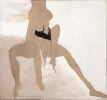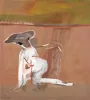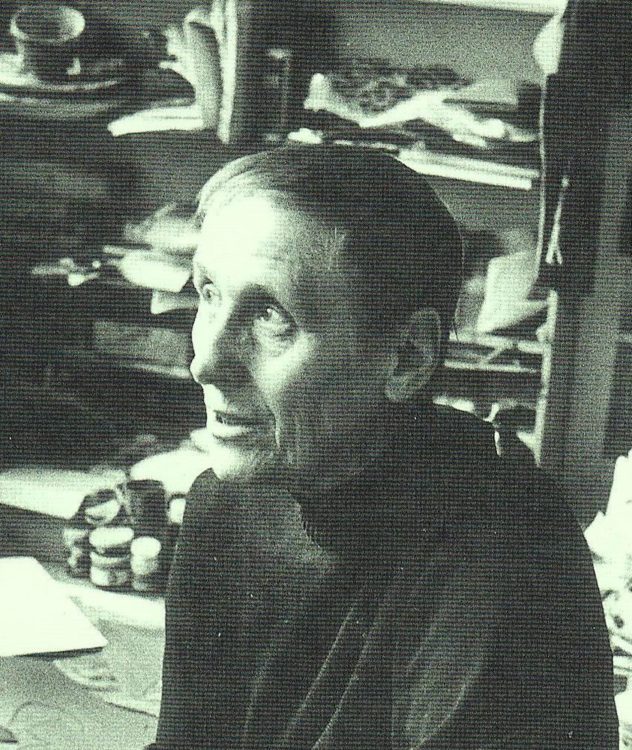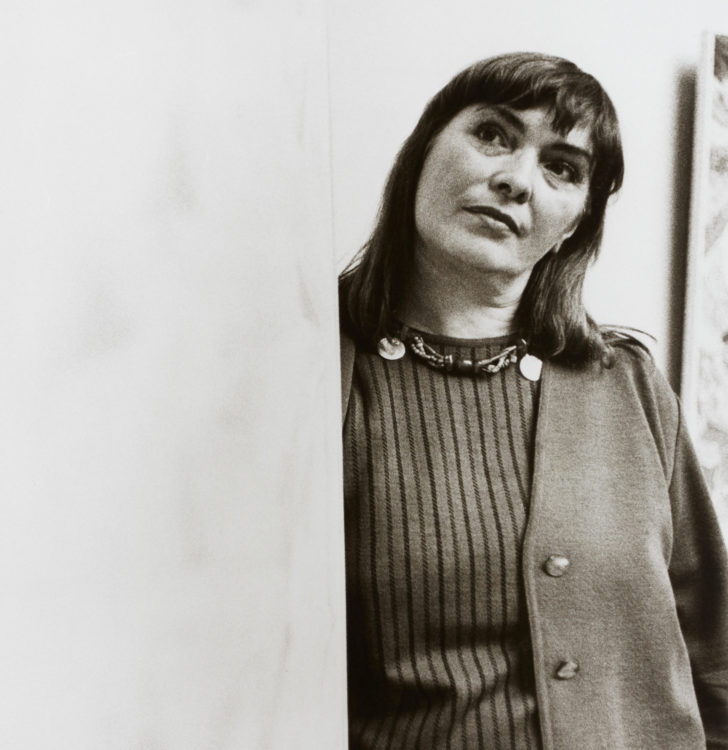
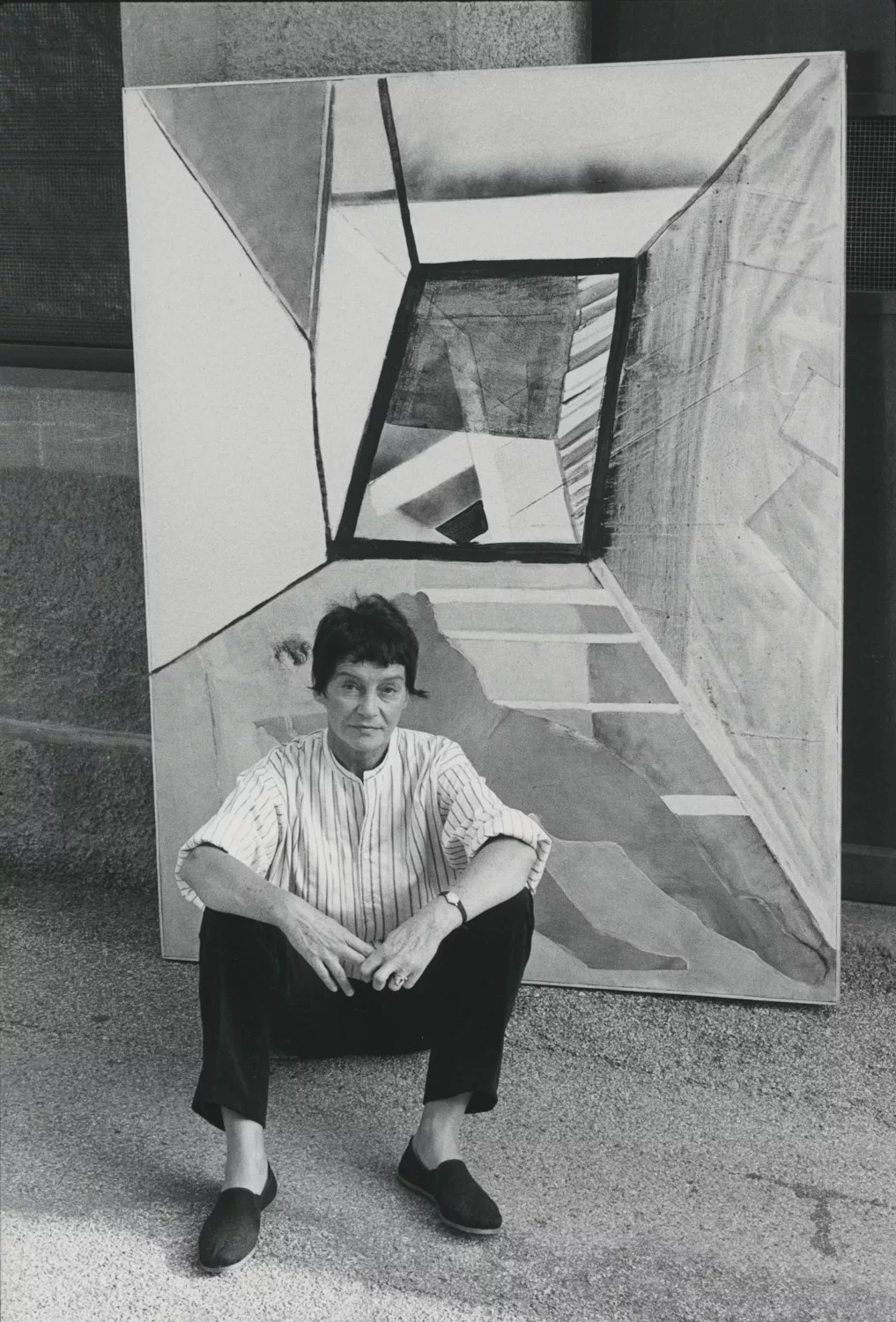
Portrait of Teresa Pągowska, Galerie Numega, Auvernier, 1983 © Teresa Pągowska Estate
Gutowski, Maciej, Teresa Pągowska, Warsaw, Wydawnictwa Artystyczne i Filmowe, 1996
→Kępiński, Zdzisław (ed.), Teresa Pągowska, Warsaw, Wydawnictwo Artystyczno-Graficzne, 1969
→Konwicki, Tadeusz, Teresa Pągowska. Malarstwo, in Teresa Pągowska. Malarstwo, ex. cat. Związek Polskich Artystów Plastykow, Warszawa (September, 1966), Warsaw, CBWA „Zachęta”, 1966
Teresa Pągowska. Shadow Self, Thaddaeus Ropac, London, 13 February–4 April, 2025
→Teresa Pągowska, Zachęta – National Gallery of Art, Warsaw, 13 June–20 July, 1997
→Pągowska, Galerie Numaga, Auvernier, 21 June–20 July, 1969
Polish painter.
Teresa Pągowska studied Painting and Murals at the State Higher School of Visual Arts (PWSSP) in Poznań, where she obtained her diploma in 1951. She moved to Sopot in 1950 and engaged with the State Higher School of Visual Arts in Gdańsk, first as Senior Assistant, then Assistant Professor. T. Pągowska was involved with the Tri-city’s (Gdańsk, Gdynia, and Sopot) artistic circles for over a decade, taking part in the restoration of Gdańsk Old Town and creating mosaics for the main hall of Gdynia railway station.
In 1956 T. Pągowska had her first solo show at BWA Sopot, where she presented still lifes, portraits and landscapes painted in a realist manner, using vivid colours. In the following years, she participated in numerous exhibitions of modern Polish painting, including the Polish National Exhibition of Young Visual Arts, Against War, Against Fascism in 1955, where she was awarded a prize. In 1959, she took part in the first Biennale de Paris and in 1961 the 15 Polish Painters exhibition at MoMA.
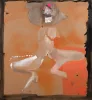
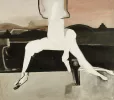
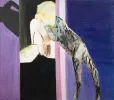
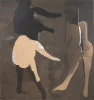
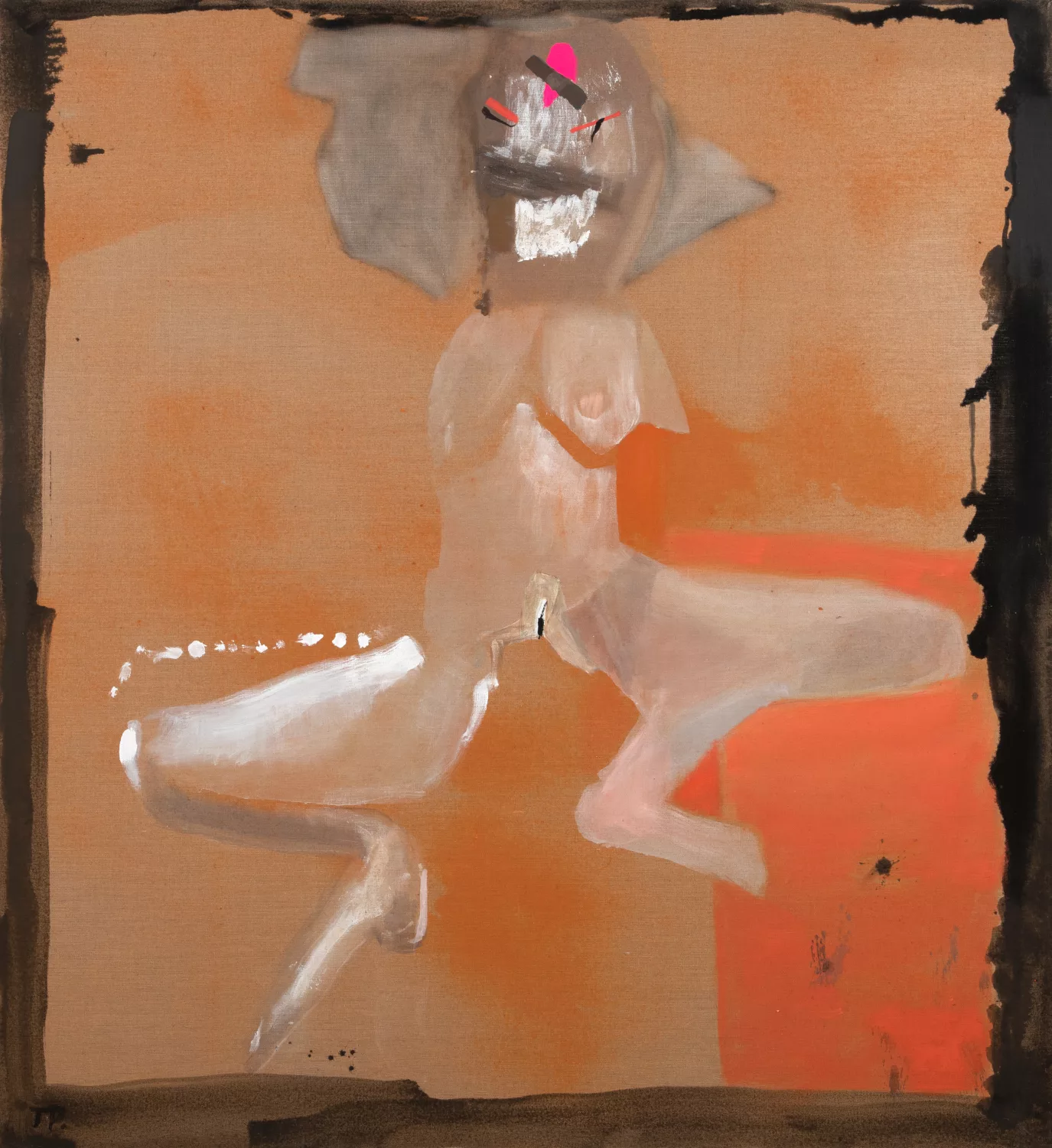
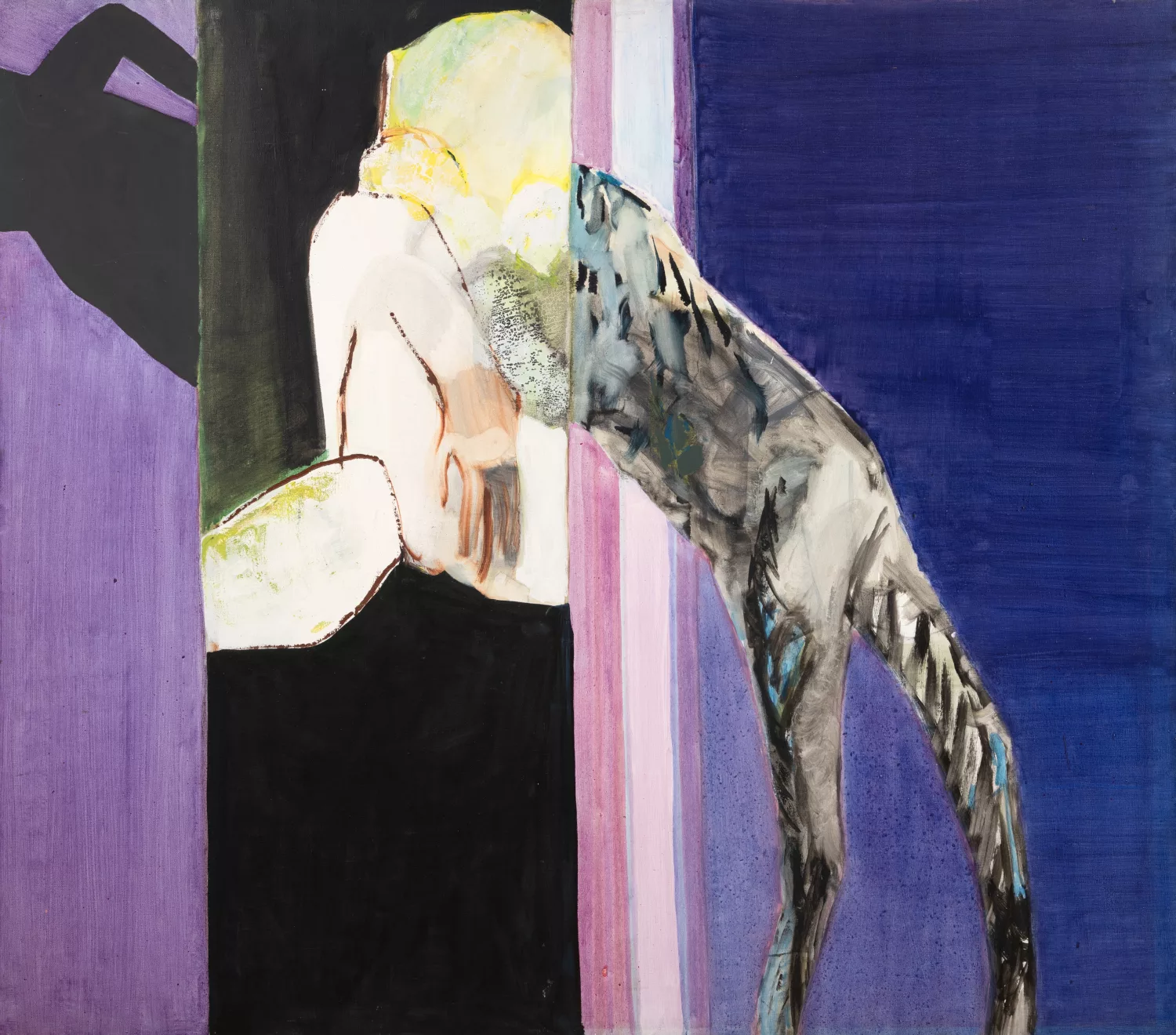
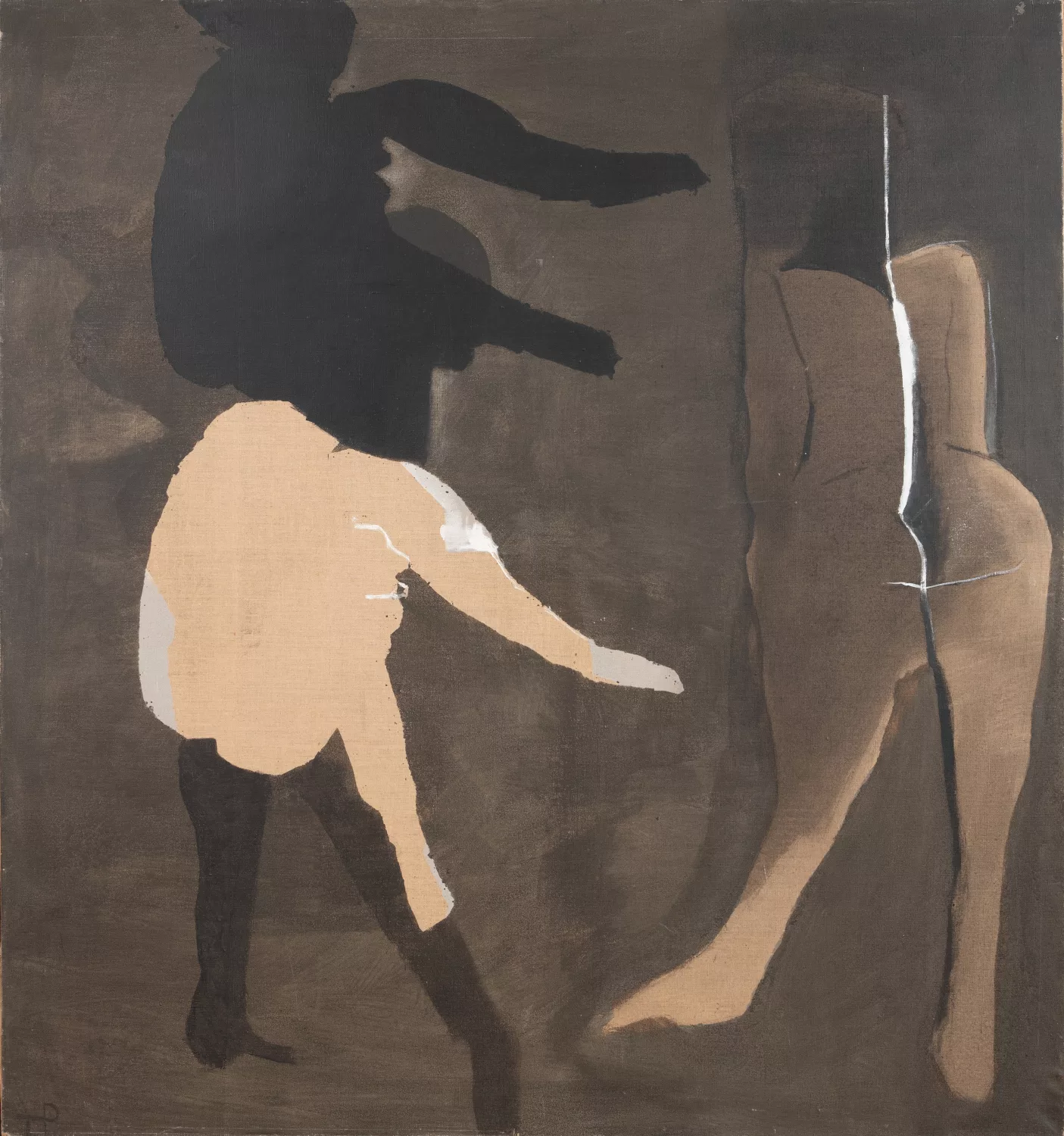
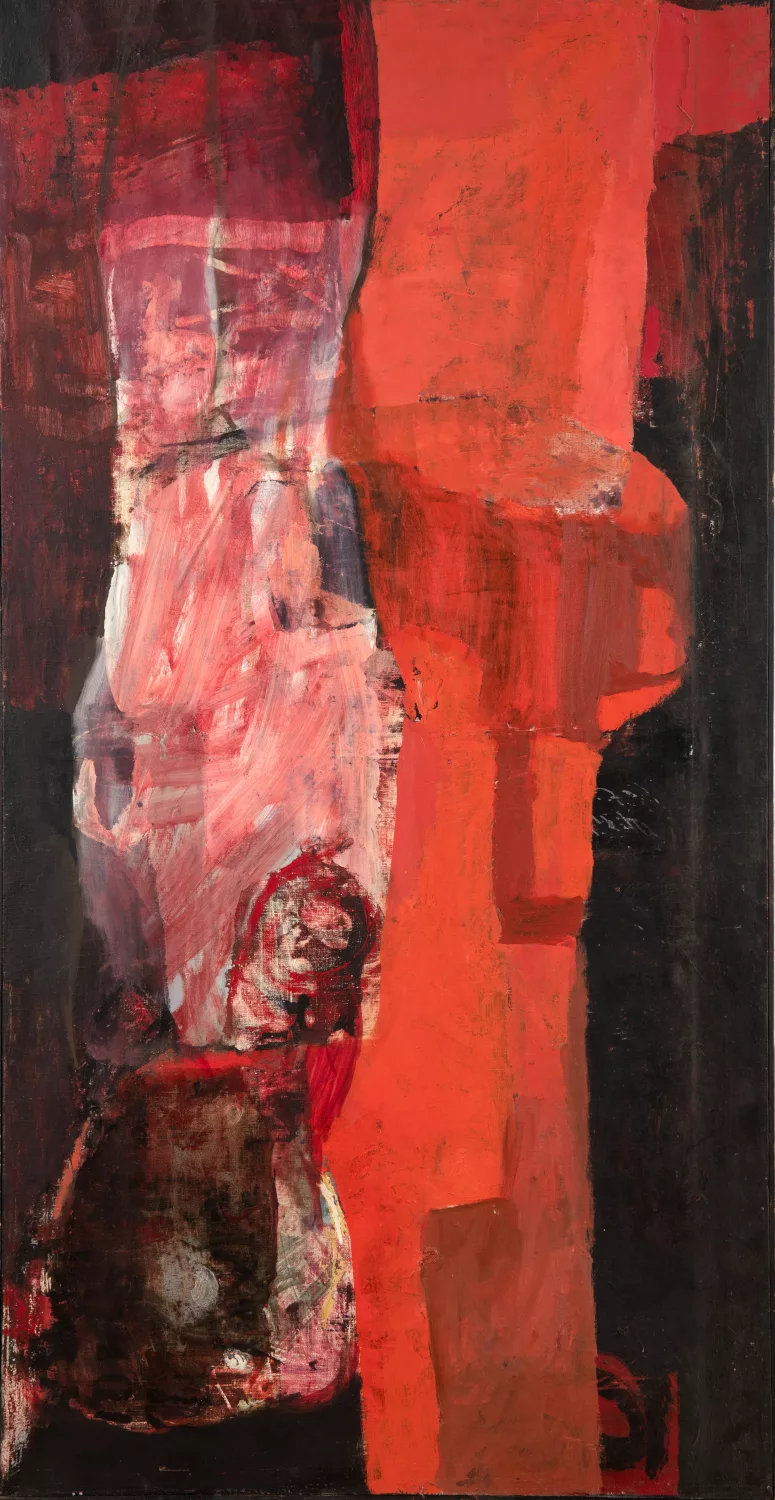
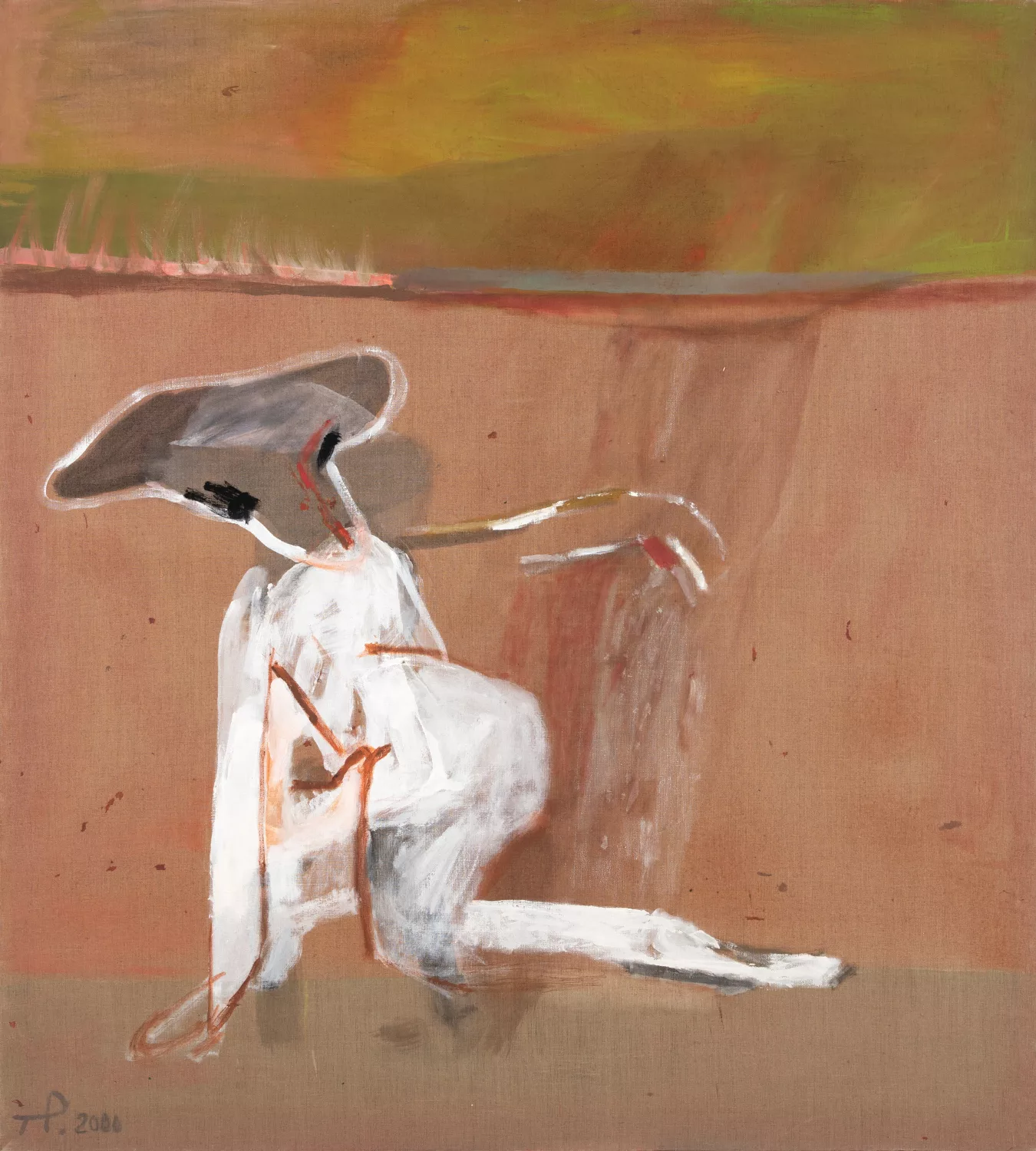
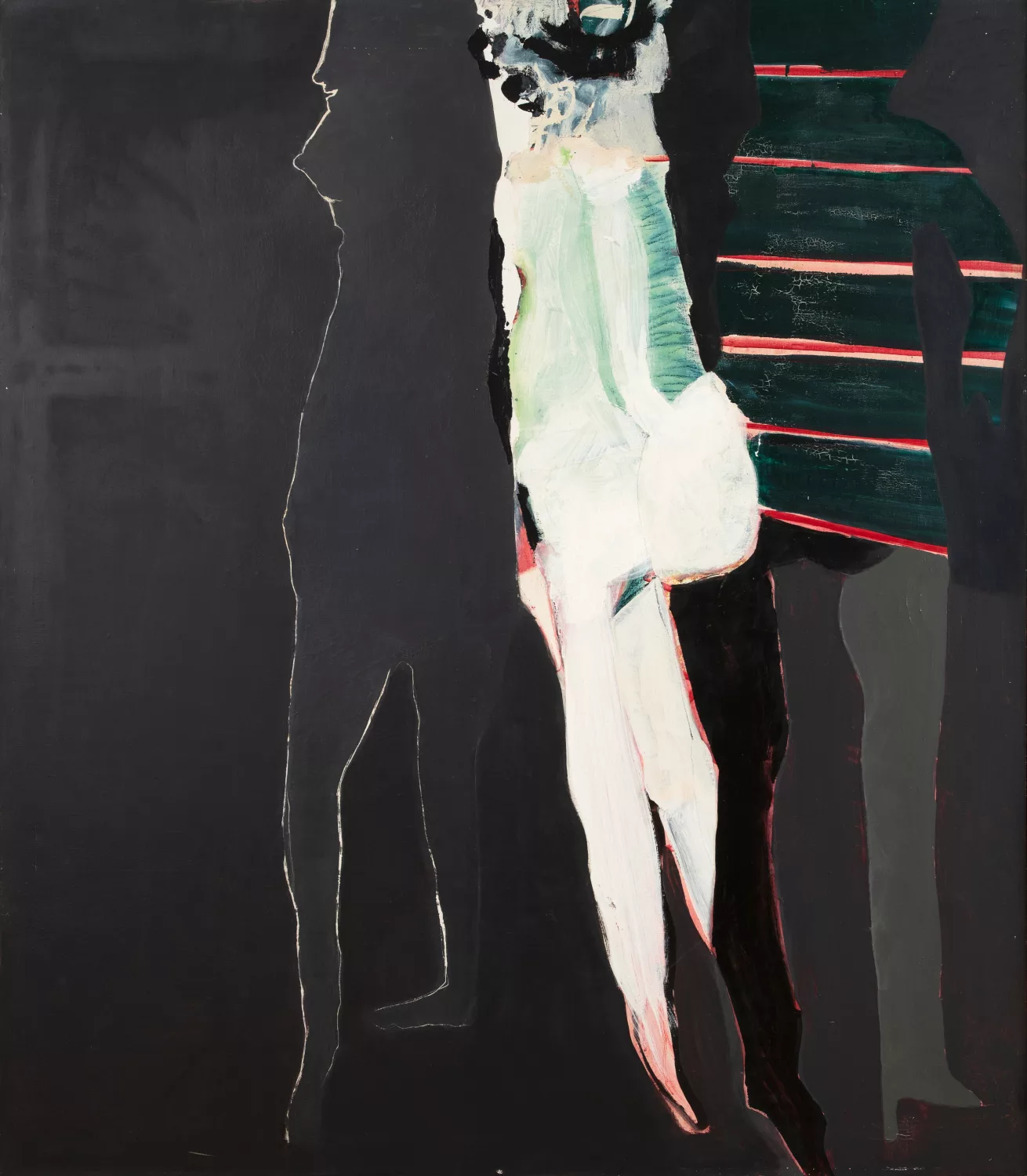
In the 1960s T. Pągowska stepped away from realism and shifted towards a more experimental, expressive, unfettered painting. Human figures became the continuous thematic content of her works. Highly deformed, mostly female, forms were depicted without faces. The artist still used vibrant colours but limited them to patches on an otherwise neutral palette.
Her relationship with artist Henryk Tomaszewski (1914–2005) prompted T. Pągowska to move to Warsaw in 1963. In the following years, she took part in numerous international exhibitions showcasing the New Figuration movement, which her more well-developed artistic language came to represent. She became part of the groups Salon des Réalités Nouvelles and Nouvelle École de Paris as a corollary of the exhibition École de Paris 1963 in Galerie Charpentier. During this time, T. Pągowska began working in series such as Dni [Days, 1965–1968], Przemoc [Violence, 1971–1974] and Figury magiczne [Magic Figures, 1976–1980] as she felt unable to convey all the intended emotions and tensions in a single painting. In 1964 she showcased her work in Galerie Numaga in Switzerland, beginning a long-term cooperation that resulted in numerous solo and group shows.
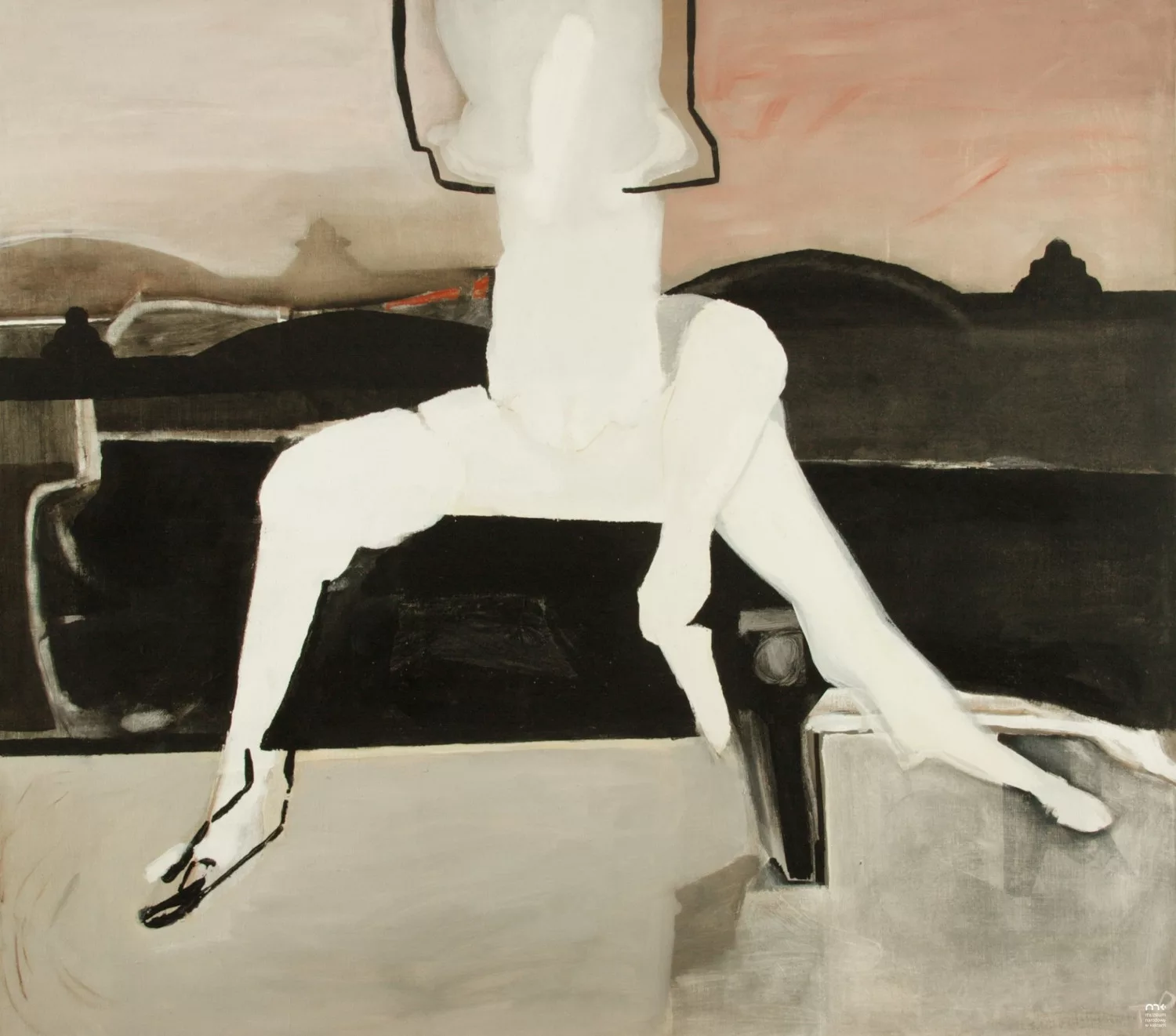
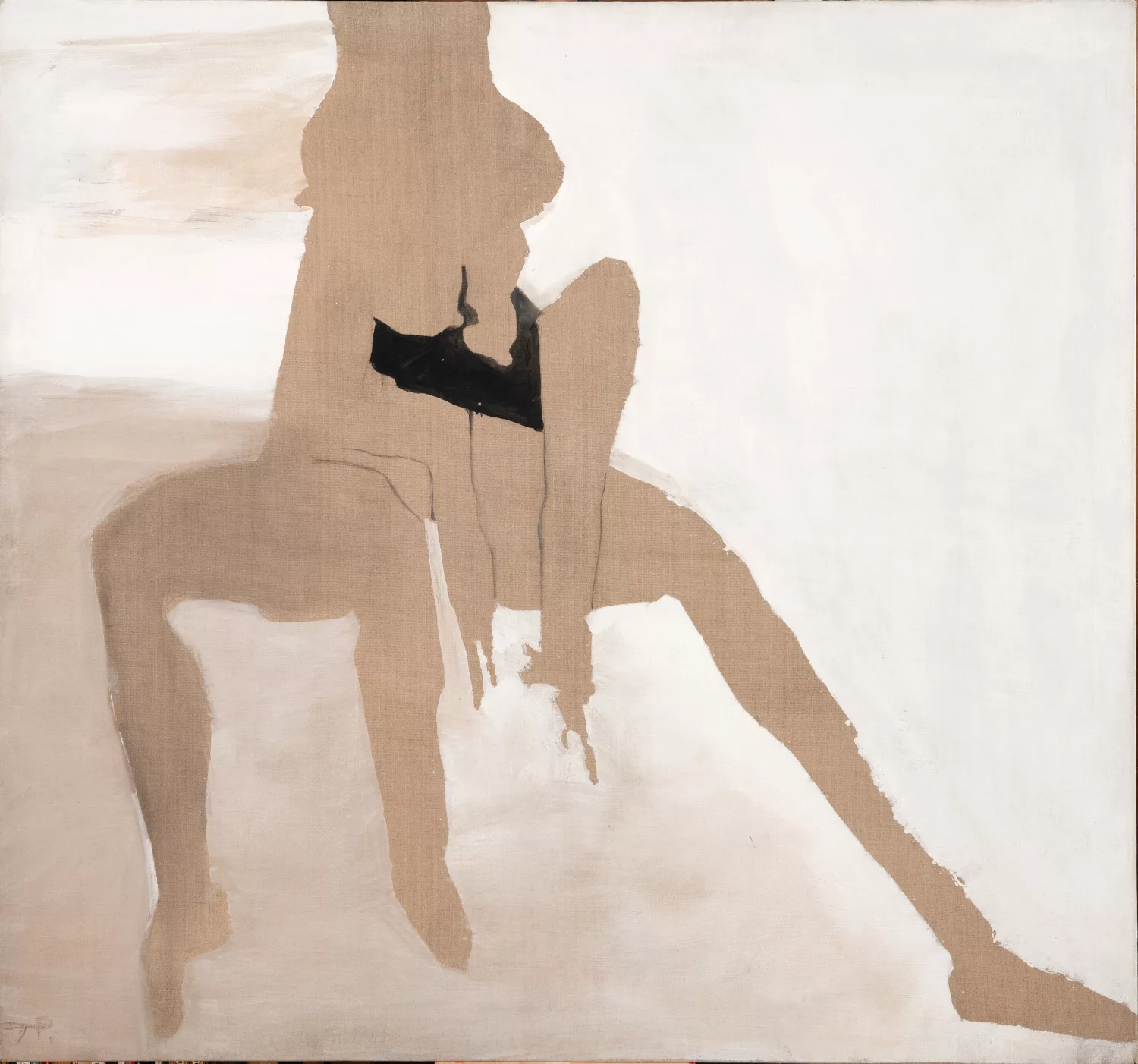
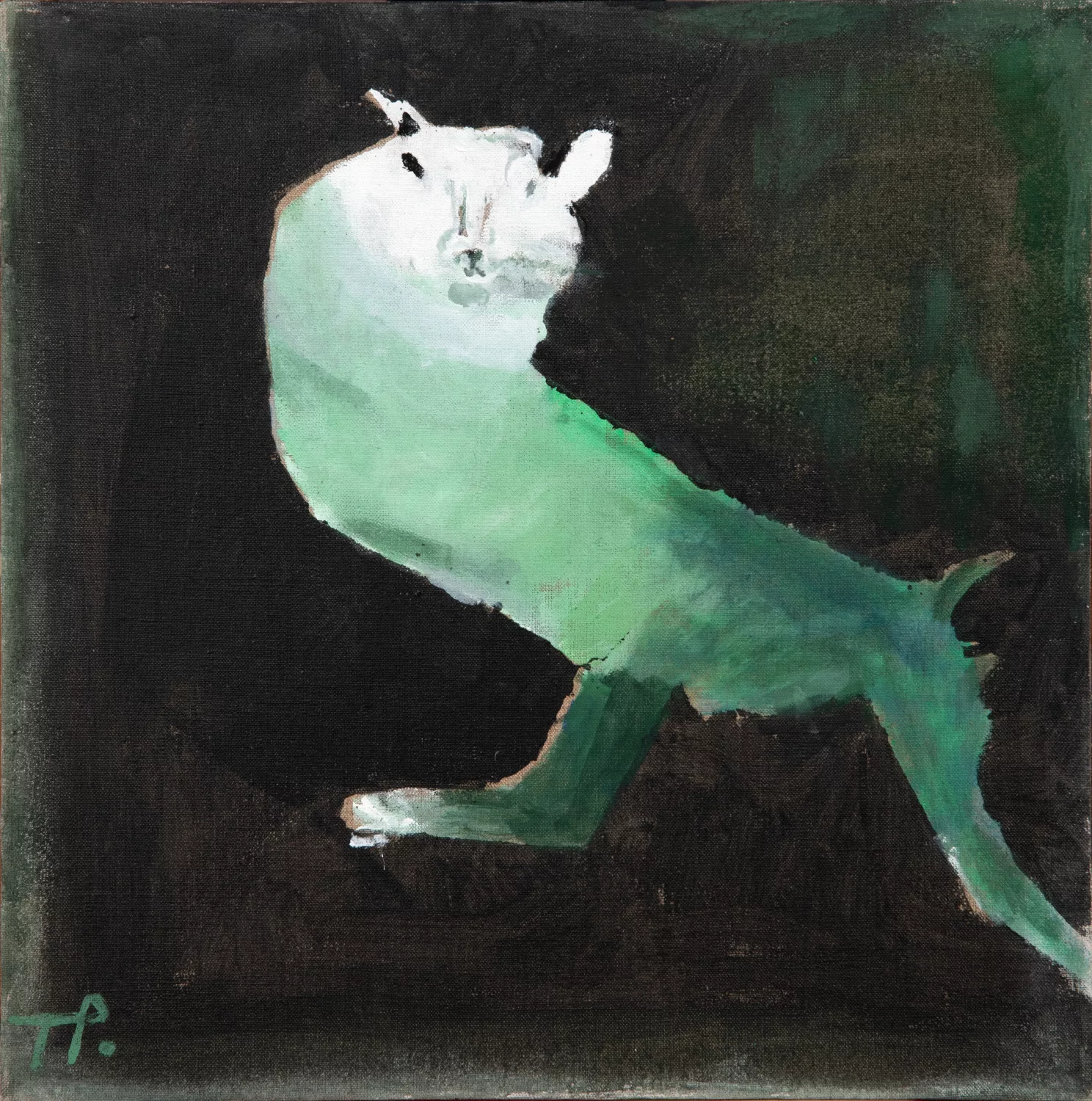
T. Pągowska resumed her pedagogical work in 1971, working at the Łódź State Higher School of Visual Arts until 1973, then at the Academy of Fine Arts in Warsaw between 1973 and 1992. She became a full professor in 1988. For many years she worked on a cycle entitled Monochromaty [Monochromates, 1972–1976], in which she captured silhouettes depicted within a landscape. With this series, T. Pągowska began using unprimed canvas, which enhanced the paintings’ texture and reinforced their sketch-like quality. Until 1995 T. Pągowska painted mostly large format canvases, while later she began to produce smaller canvases on which she depicted a singular motif from her everyday life – often an animal or object.
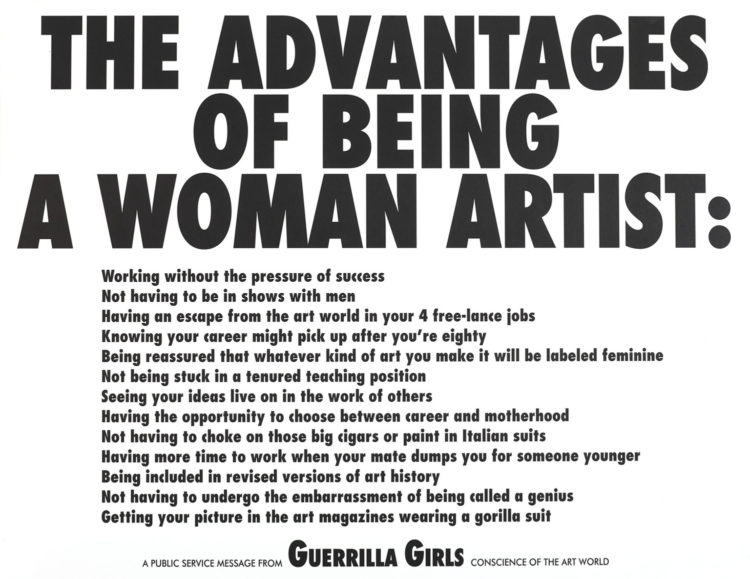
In 1991 the artist took part in the Artystki polskie [Polish Women Artists] exhibition at the National Museum in Warsaw, which was presented in the following year at the National Museum of Women in the Arts, Washington. Despite the recognition and critical acclaim that T. Pągowska garnered for her artistic practice, there has been very little academic research into her work.
A notice produced as part of the TEAM international academic network: Teaching, E-learning, Agency and Mentoring
© Archives of Women Artists, Research and Exhibitions, 2026