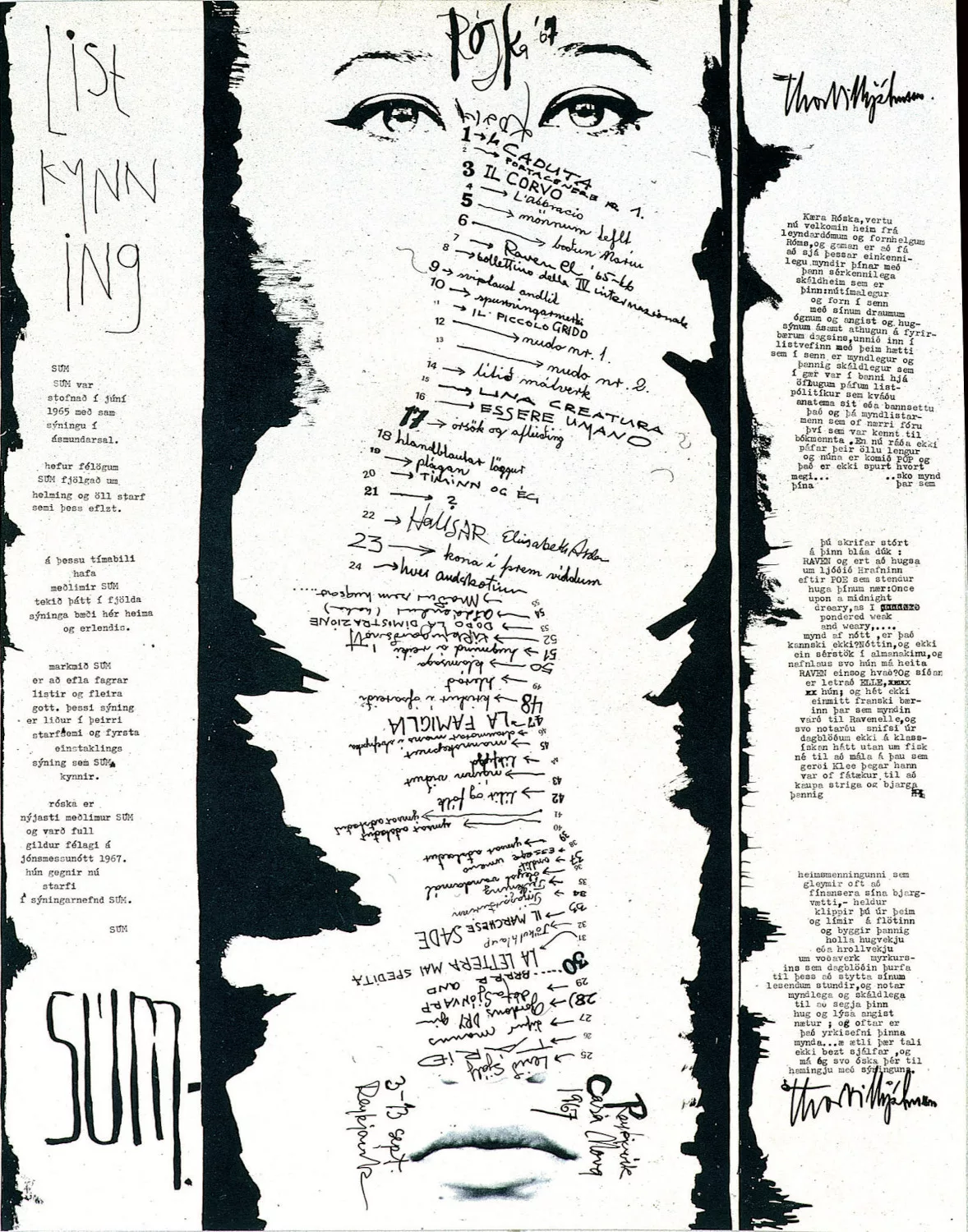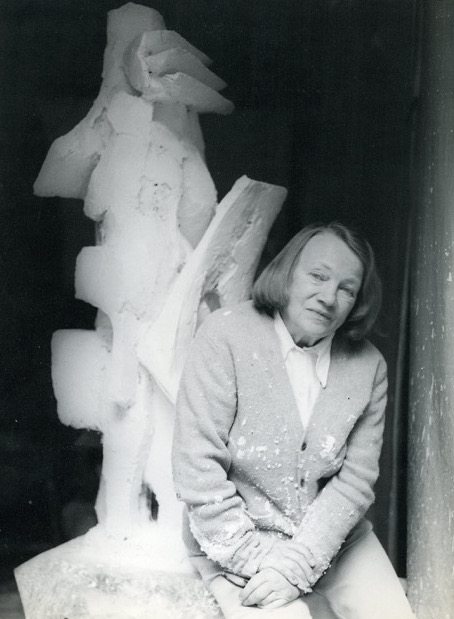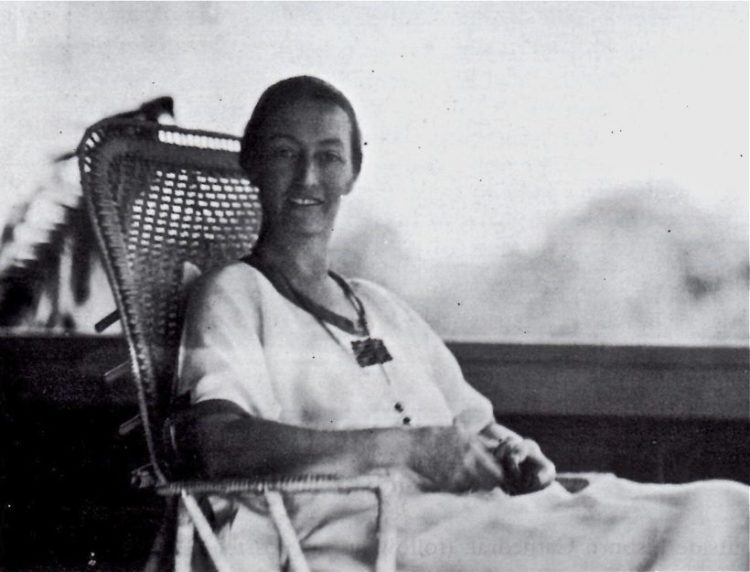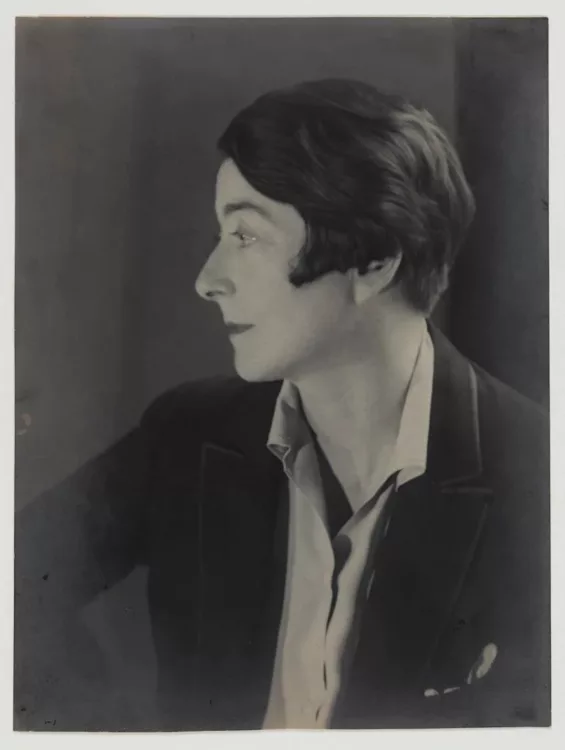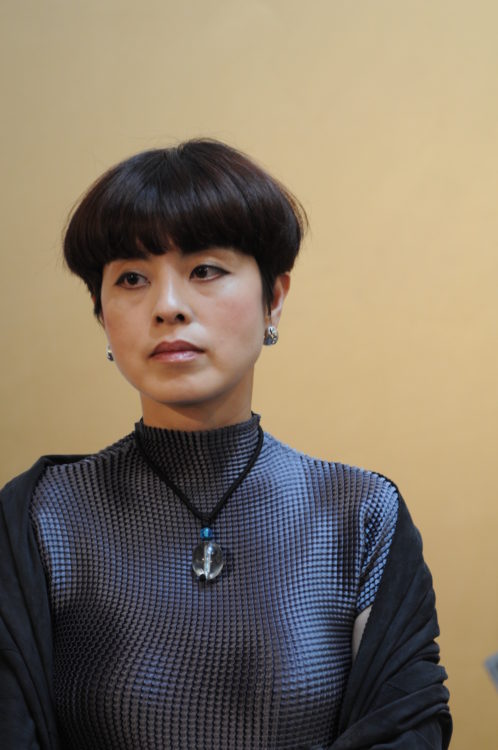
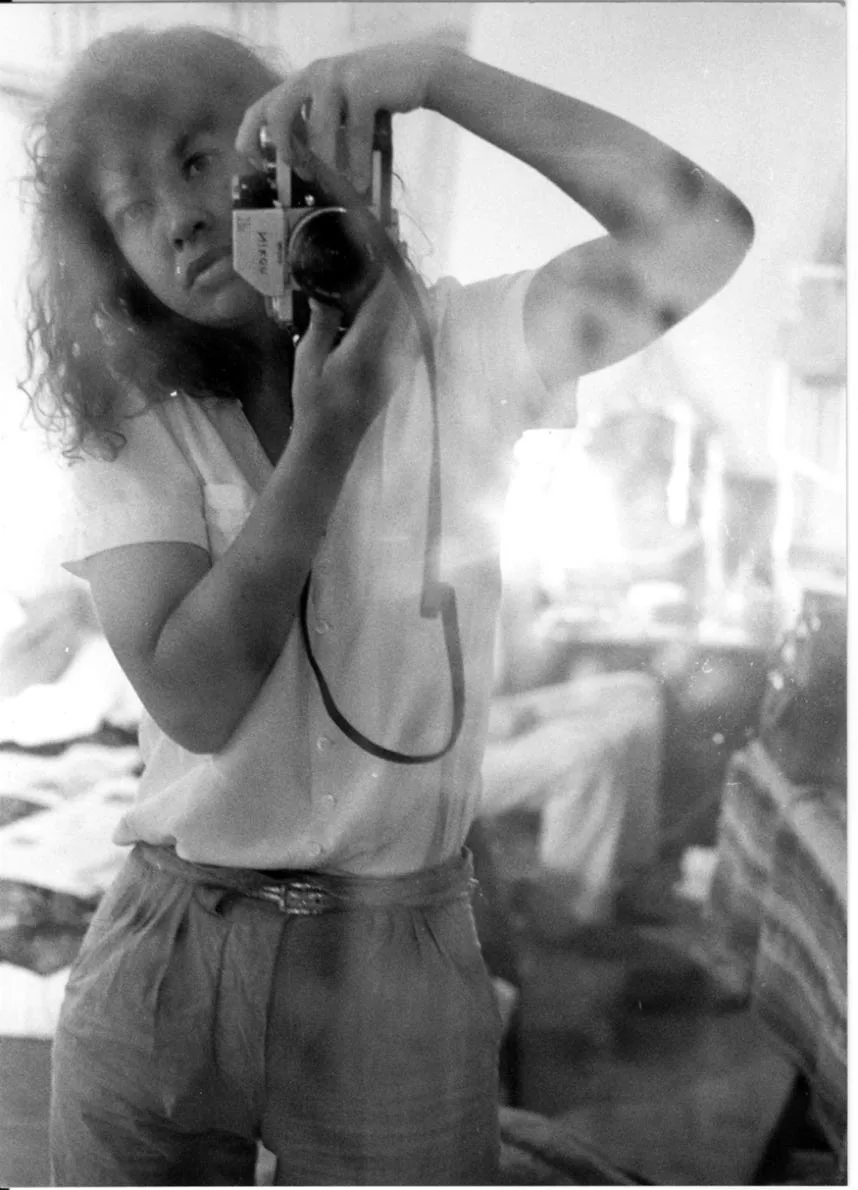
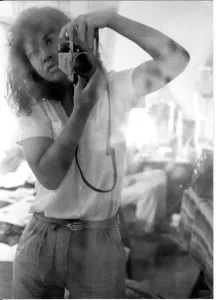
Portrait of Róska (Ragnhildur Óskarsdóttir)
Magnúsdóttir, Ástríður (ed.), Róska, exh. cat., LÁ Art Museum, Hveragerdi (5 June–29 August, 2021), Hveragerdi, LÁ Art Museum, 2021, accessed 21 Novembrer, 2025, https://listasafnarnesinga.is/wp-content/uploads/2021/05/009LA_Syningarskra11_web.pdf.
→Hjartarson, Benedikt, “‘A Furious Girl from Rome’ – Róska and the Mythography of Avant-Garde Bohemianism,” in A Cultural History of the Avant-Garde in the Nordic Countries 1950–1975, vol. 32, 2016, p. 804–17
→Sveinsson, Hjálmar (ed.), Róska. Reykjavík, Nýlistasafnið, 2000
RÓSKA – Áhrif og andagift [Róska – Impact and Inspiration], LÁ Art Museum, Hveragerði, 5 June–29 August, 2021
→Tempest-Surrealism, The Living Art Museum, Reykjavík, March, 1996
→Konan 2000 [Woman 2000], Gallerí Sólon Íslandus, Reykjavík, 1993
Icelandic multimedia artist, performer and political activist.
Ragnhildur Óskarsdóttir, better known by her artist name Róska, was born during the British occupation of Iceland in World War II. From 1960 to 1962, she studied at the Icelandic College of Arts and Crafts in Reykjavík, where she immersed herself in the avant-garde art scene. She became an active member of The Sameiningarflokkur alþýðu – Sósíalistaflokkurinn [Youth League – The Union of Young Socialists]. Between 1962 and 1963, she studied art in Prague, before moving to Paris in 1963, where she joined an artist colony. In 1965 she moved to Rome and enrolled in L’Accademia di Belle Arti, from which she graduated in 1967. Rome became her primary base of residence, while she sustained close ties with Iceland. In 1967 she joined SÚM, a group of avant-garde artists that had a significant impact on the contemporary art scene during the 1960s and 1970s. She was also amongst the founding members of The Museum of Contemporary Art (Nýló) in Reykjavík.
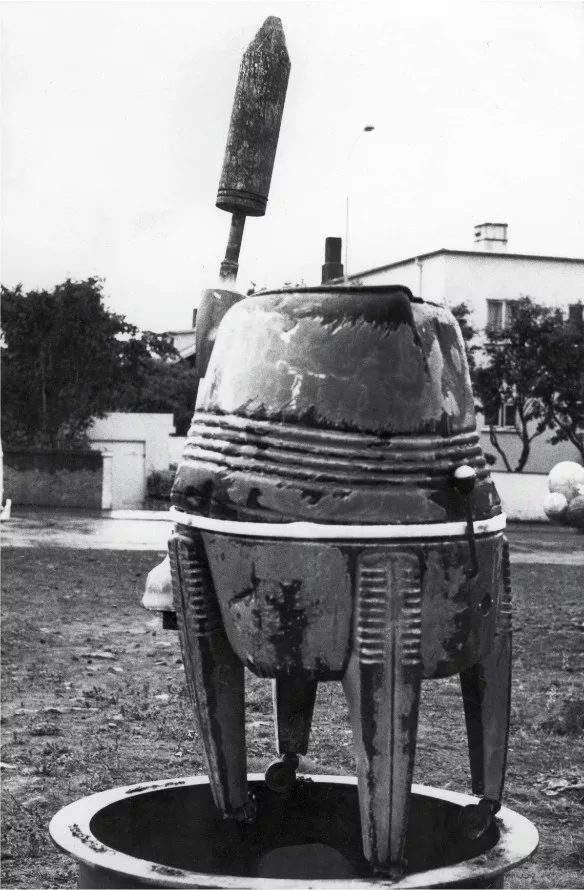
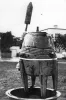
Her first exhibition took place in 1967 at Casa Nova in Reykjavik, where she showcased fifty-five works comprising both drawings and paintings commenting on contemporary life. In the same year, Róska participated in an exhibition on Skólavörðuholt hill in Reykjavík with a performance known as Súper-þvottavél [Super Washing Machine], though she herself titled it Tilvonandi húsmóðir [Prospective Housewife], (1967). It consisted of a firework placed inside an old washing machine, symbolising the housewife and consumerist culture – a manifesto on gender inequality, women’s rights and anti-war protest during the Vietnam War era, when a US military base was located in Iceland.
In Rome, Róska briefly met Jean-Luc Godard (1930–2022) and the group of filmmakers Dziga Vertov (1968–1972). Due to differing political ideologies, she and others left the collective in the same year. She nonetheless assisted in the early production stages of their film Lotte in Italia [Struggle in Italy, 1971]. With former colleagues Dominique Isquermann (1947–), Marc’O (Marc-Gilbert Guillaumin 1927–2025), Corrado Costa (1929–1991) and her husband, Manrico Pavolettoni (?–1997), she produced the film L’Impossibilità di recitare Elettra oggi [The Impossibility of Reciting Electra Today, 1969].
She studied filmmaking and directing at the Centro Sperimentale di Cinematografia in Rome (1973–1976). Her subsequent cinematographic works include The Ballad of Ólafur Liljurós (1977) and Sóley (1982), for which she wrote the script and directed, drawing on themes from Icelandic folklore in dialogue with socialist ethics, such as those centred on resisting oppression.
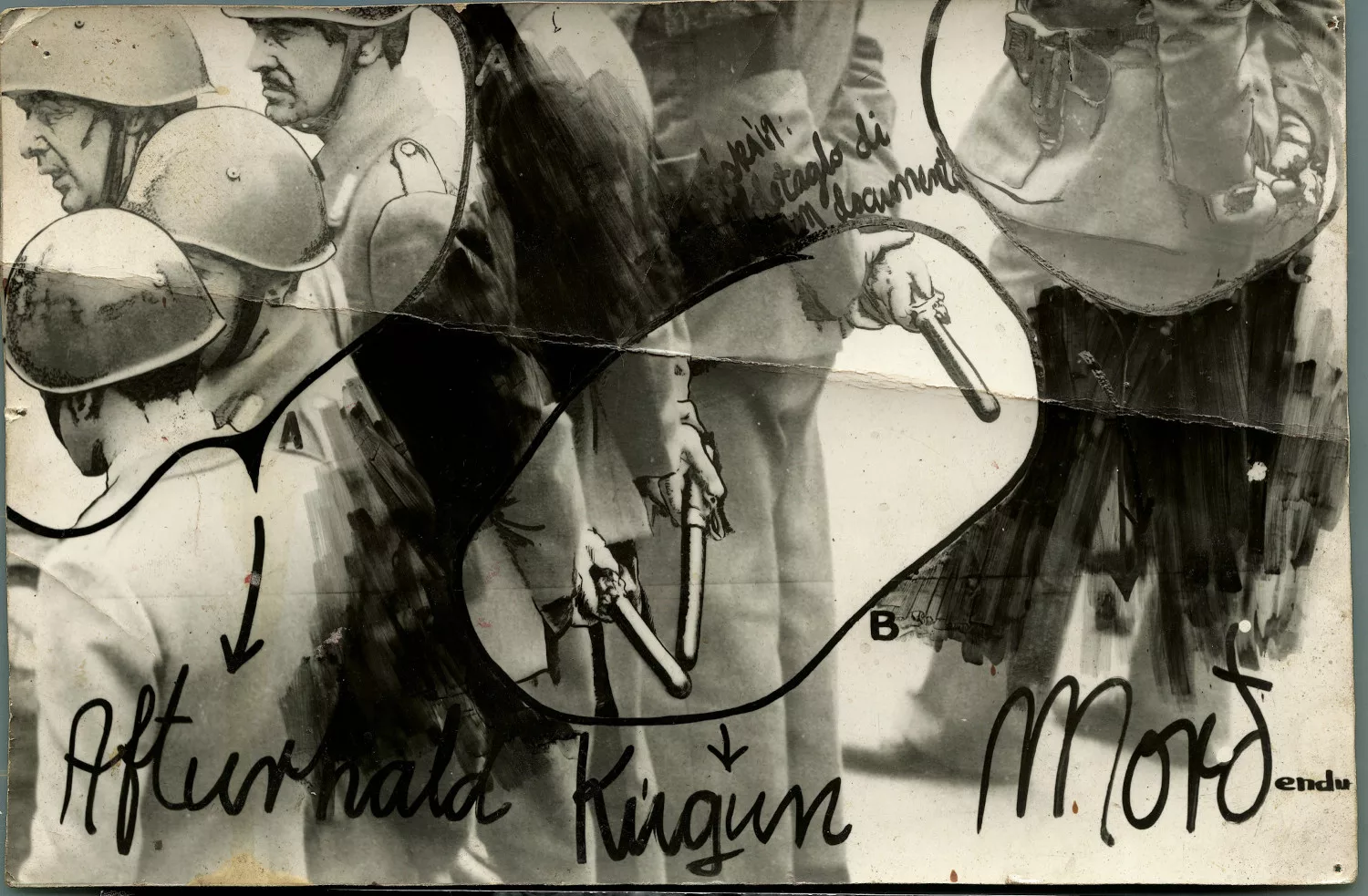
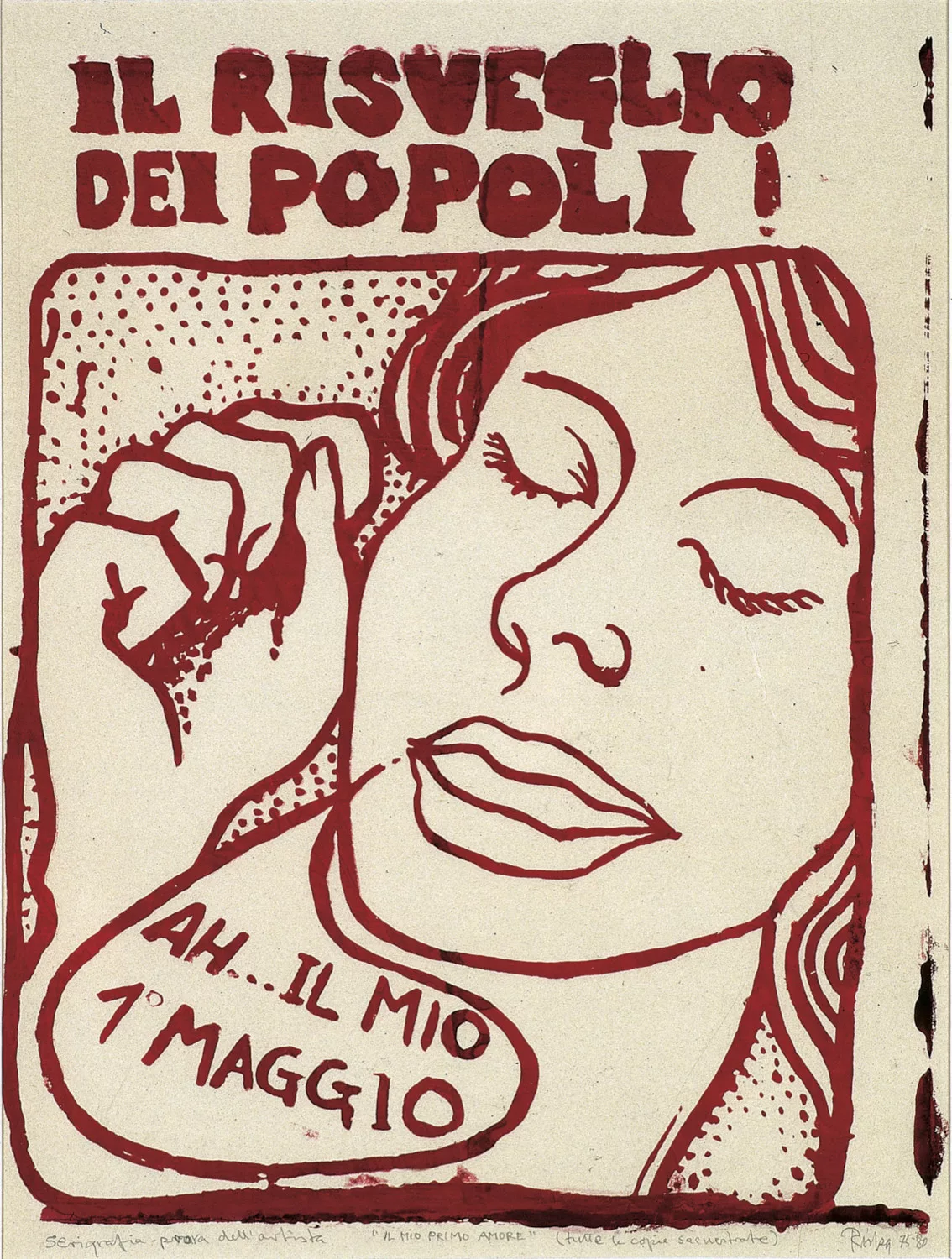
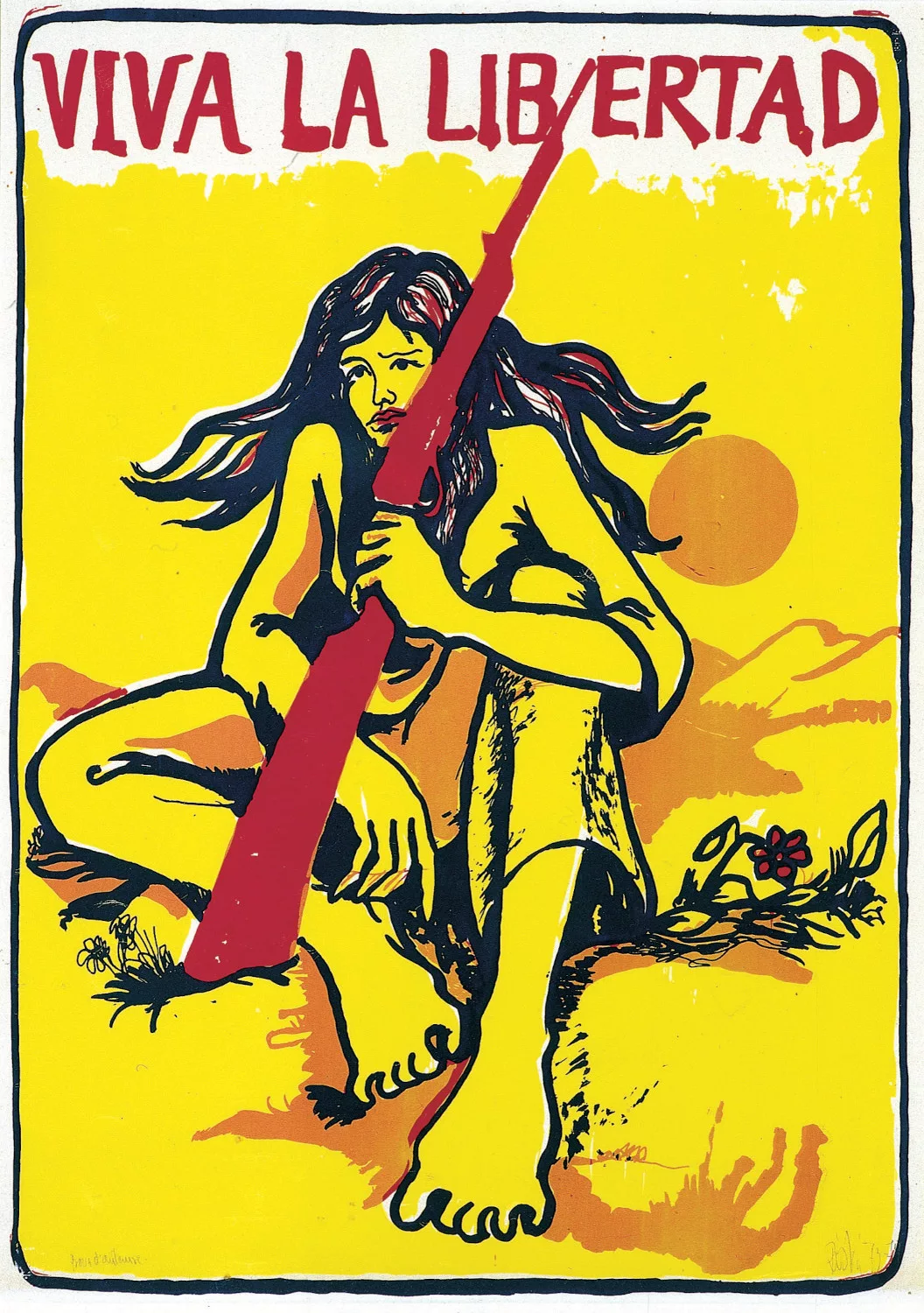
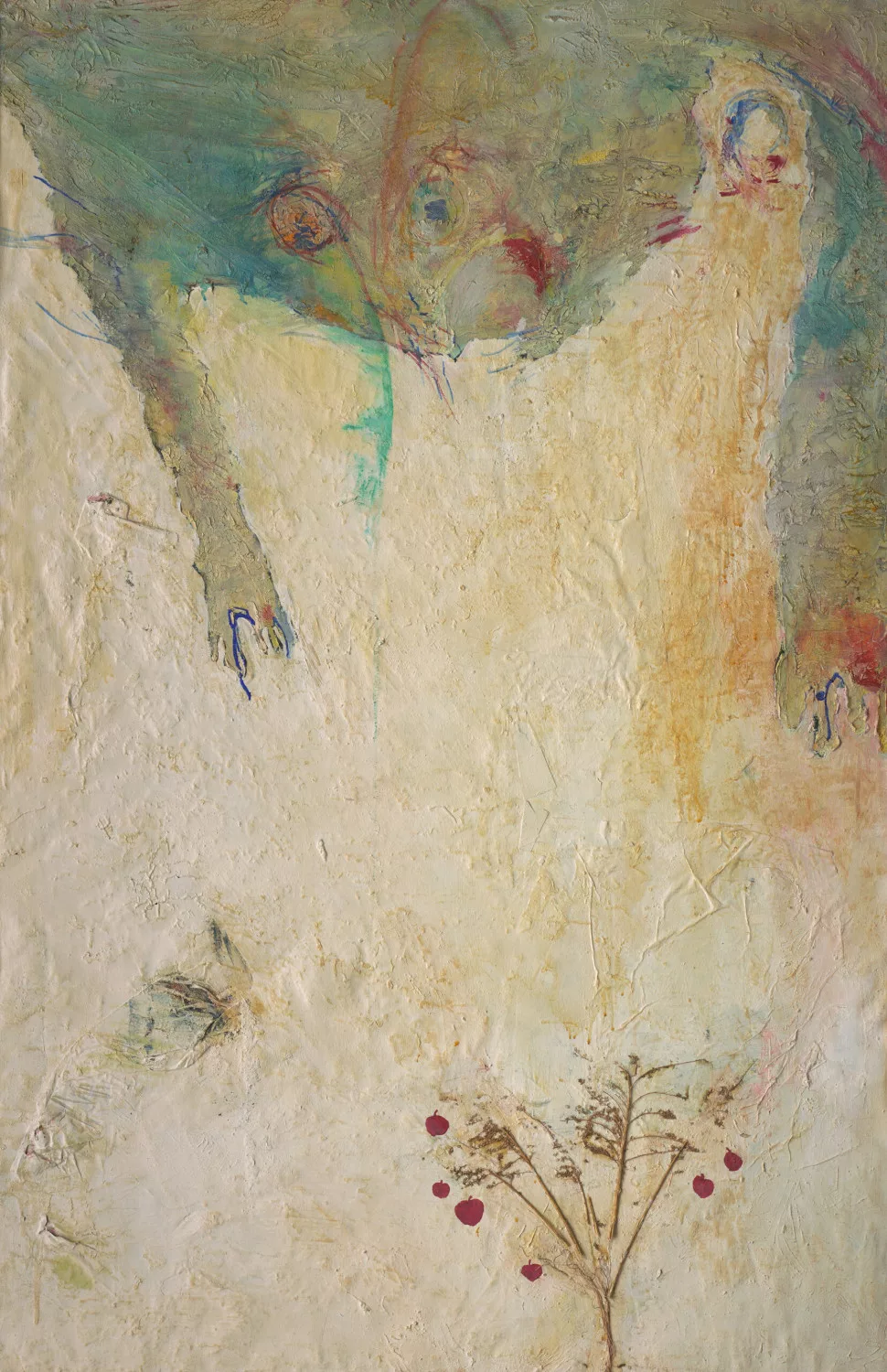
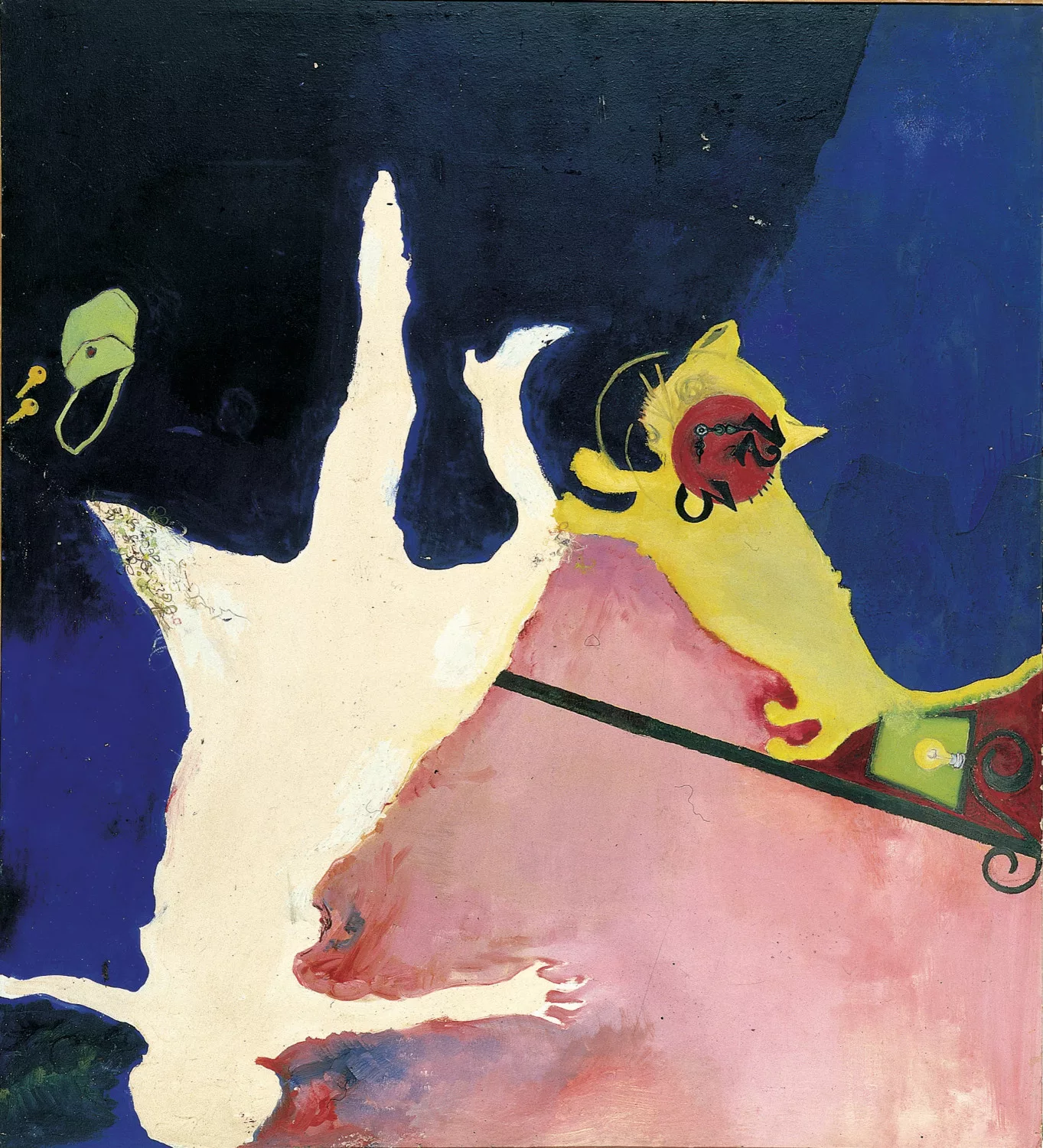
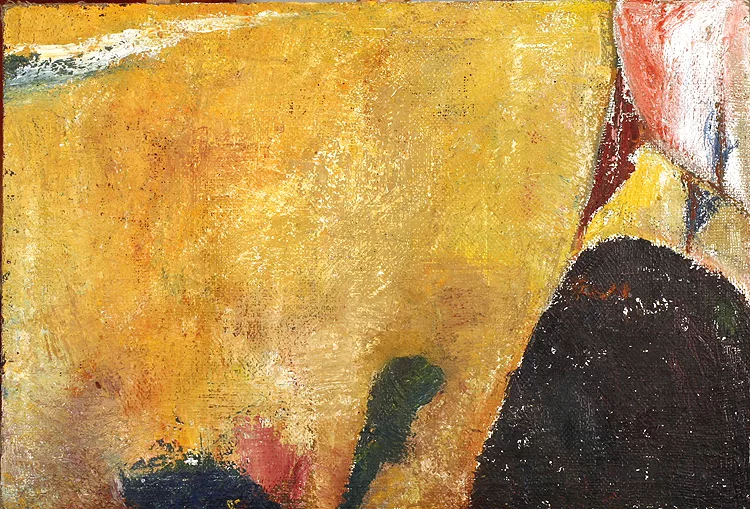
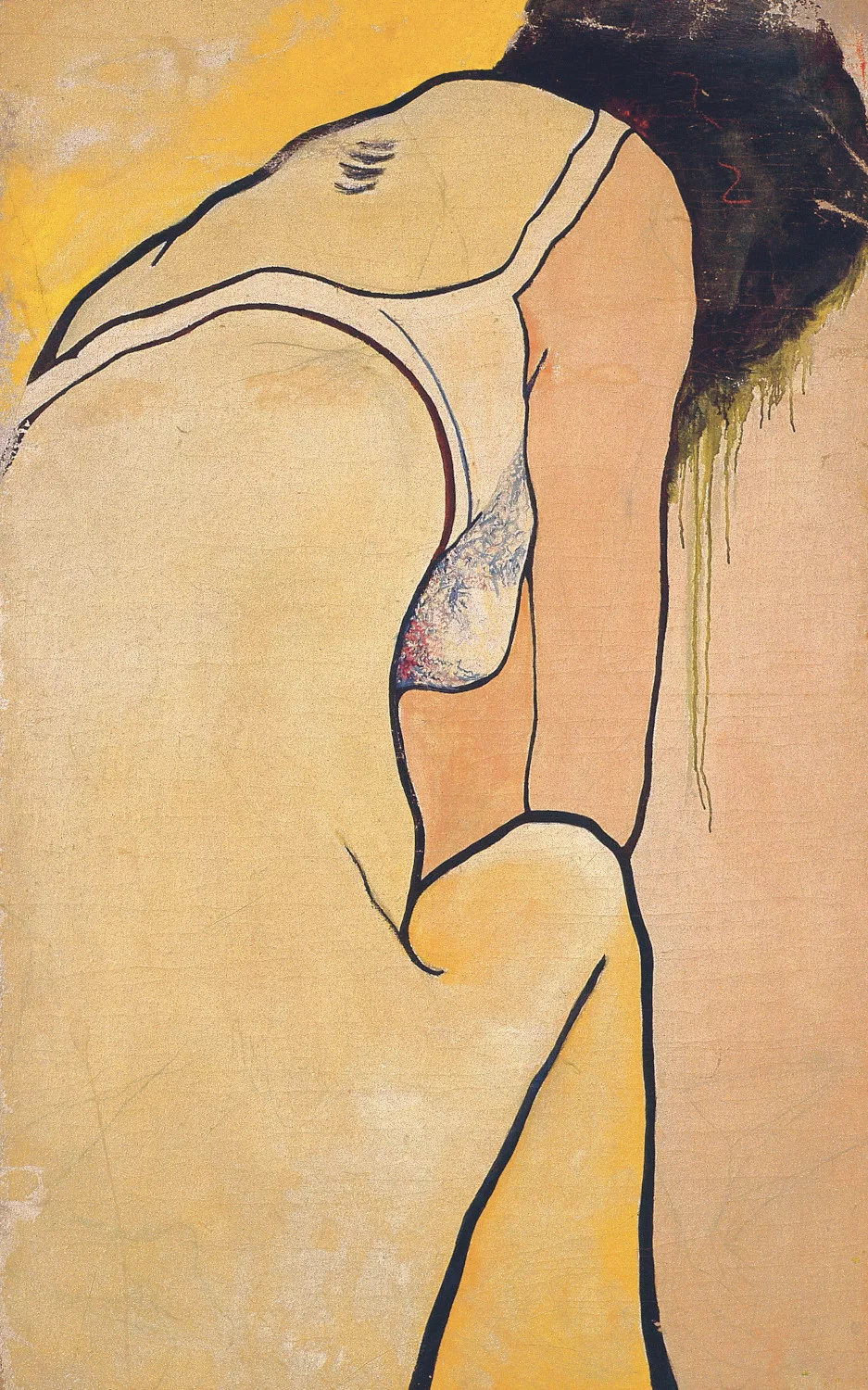
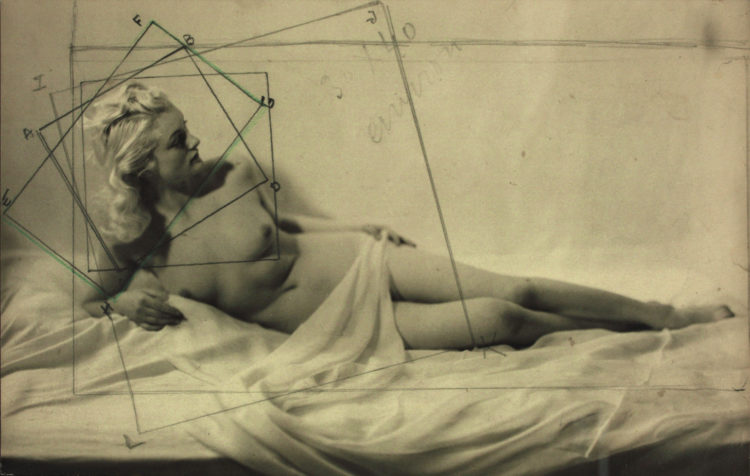
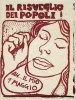
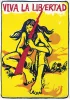
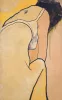
Róska was an advocate of human rights and gender equality, and opposed bourgeois conceptions imposed on art. Her art served as a vehicle for these themes in media, including photography, film, digital art, performance, painting and drawing. Above all, the woman was the central subject in Róska’s art, evident in works like Síðasta hálmstráið [The Last Straw, 1969] and Kona [Woman, 1990], portraying womanhood from an unparalleled political perspective, while simultaneously addressing an internal poetic discourse infused with surrealism.
Her last solo exhibition, Tempest-Surrealism, was held in the Living Art Museum in Reykjavík in March 1996. She died in the same month in Reykjavík, after the opening of the exhibition.
A notice produced as part of the TEAM international academic network: Teaching, E-learning, Agency and Mentoring
© Archives of Women Artists, Research and Exhibitions, 2026


 Sóley (1982), trailer