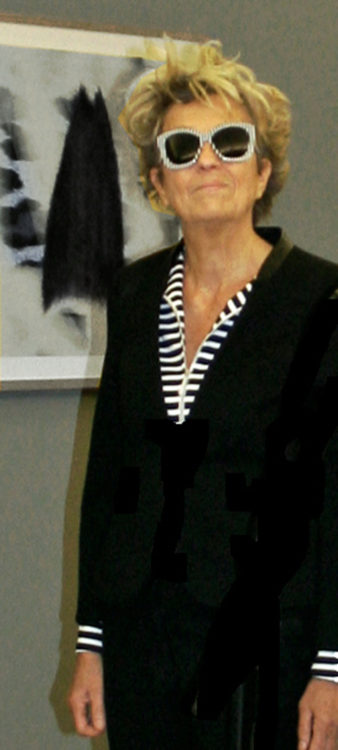
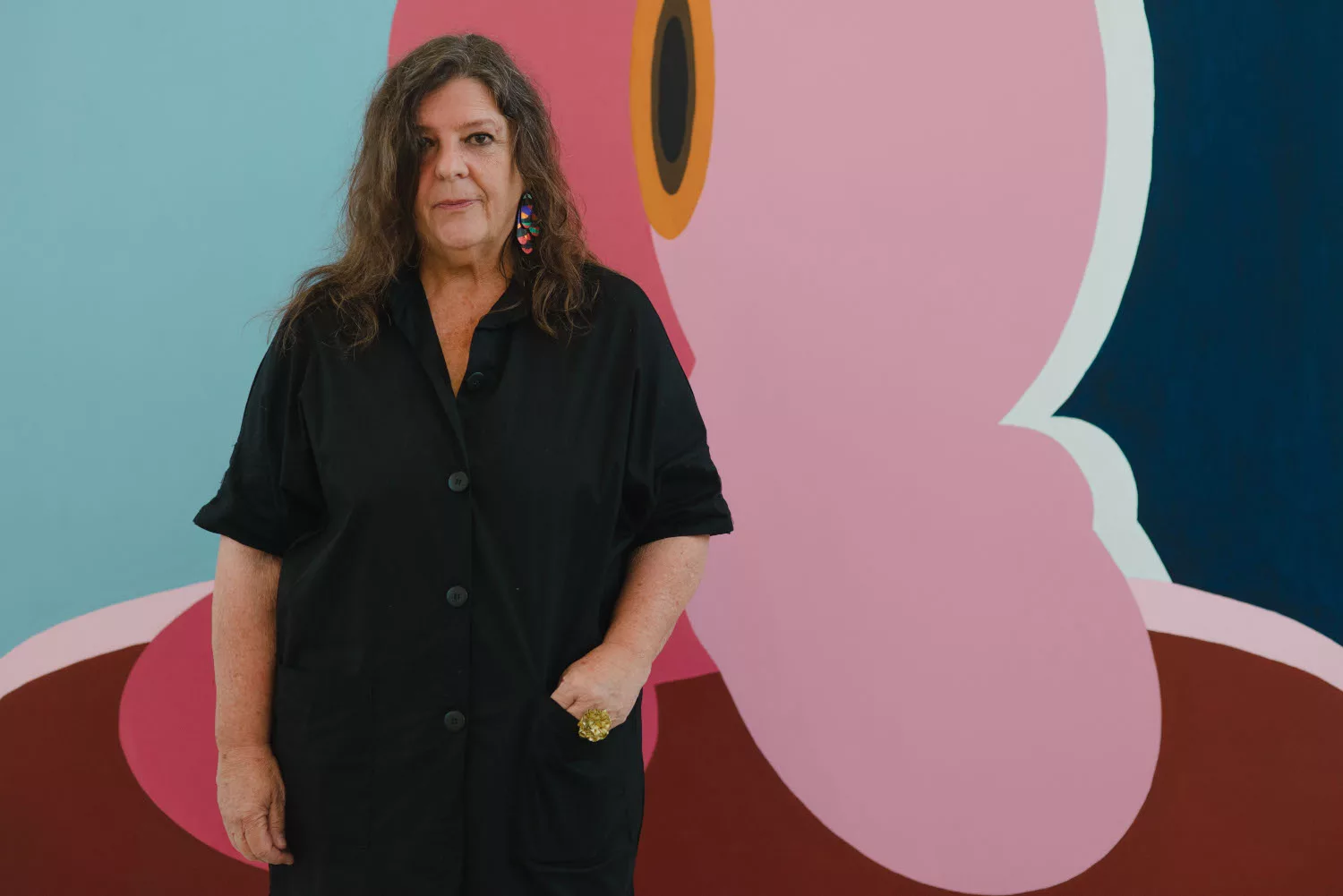
Portrait de Cristina Schiavi © Courtesy of the artist and W—galería
Giunta, Andrea, “Cristina Schiavi. Geometría de los afectos”, in Diversidad y arte latinoamericano. Historias de artistas que rompieron el techo de cristal, Buenos Aires, Siglo XXI, 2024, p. 133-150
→Giunta, Andrea “Cristina Schiavi. Geometría de los afectos”, in Cristina Schiavi, Buenos Aires, Pasaje 17, 2018, p. 6-15
→Lauría, Adriana, Llambías, Enrique, Cristina Schiavi. Obras 1991-2002, Centro Virtual de Arte Argentino, January, 2003, accessed 12 January, 2026: http://www.cvaa.com.ar/02dossiers/schiavi/03_schiavi_00.php
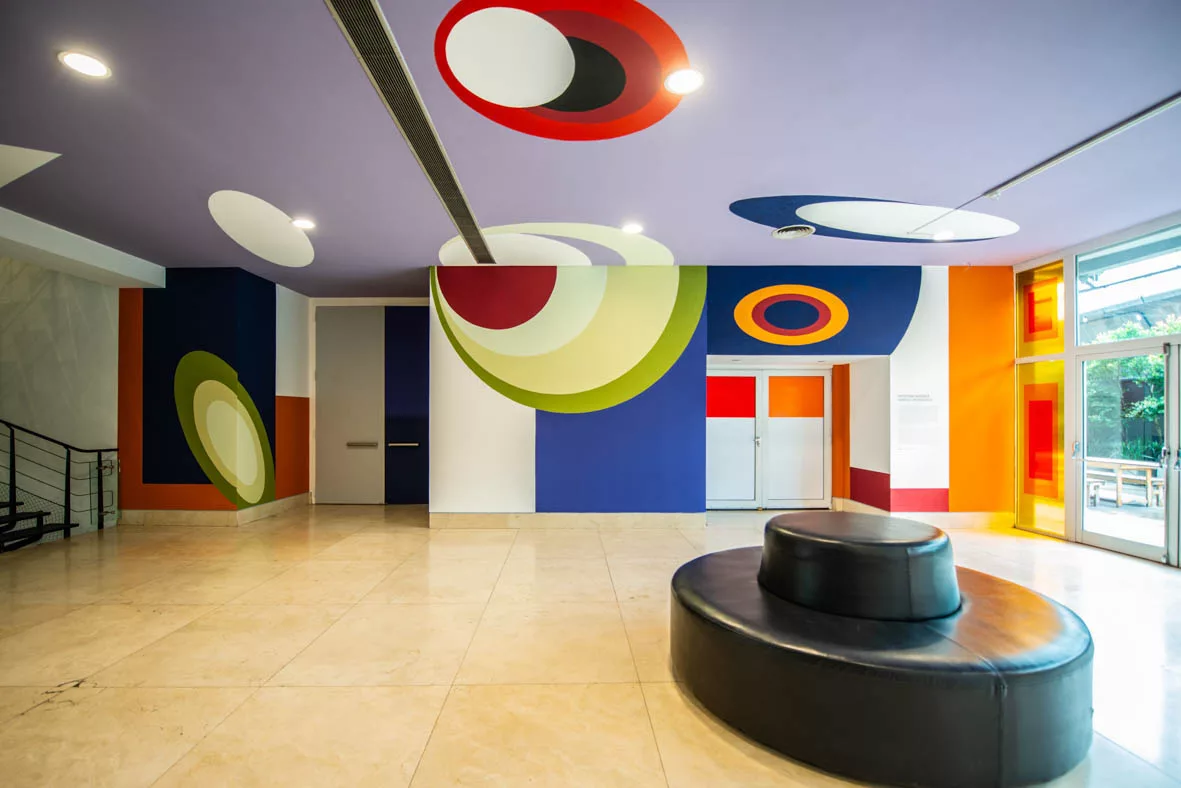
Cristina Schiavi. Órbita cromática, Museo Moderno, Buenos Aires, 08 April, 2022–26 June, 2023
→Cristina Schiavi. Esplendor de verano, Galería Walden Naturae, Garzón, 9 February, 2022–5 March, 2022
→Cristina Schiavi. ¡Oh, terrible amor!, W—galería, Buenos Aires, 23 October, 2021–5 March, 2022
Argentine interdisciplinary artist.
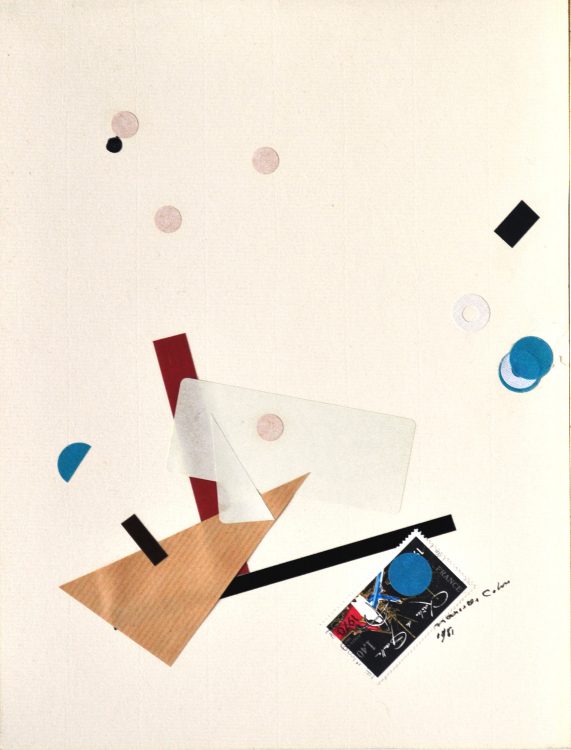
Cristina Schiavi took courses in art history (1973–1974) and architecture (1975–1976) at the Universidad de Buenos Aires, and graphic and interior design at the Escuela Panamericana de Arte during the 1980s. Although she never completed the requirements for a degree in any of these subjects, her multidisciplinary training continued at the studio directed by Jorge Demirjián (1932–2018) and the clinics conducted by Pablo Suárez (1937–2006). Her interest in the genealogies of abstraction and the invisibility of women artists began to develop during her university years. Another factor in her attraction to art came from her family history, as the grandniece of the painter and printmaker Carlos Giambiagi (1887–1965), and the niece of Elvira Giambiagi (1894–1964), a painter – although she never won artistic recognition.
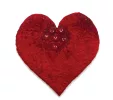
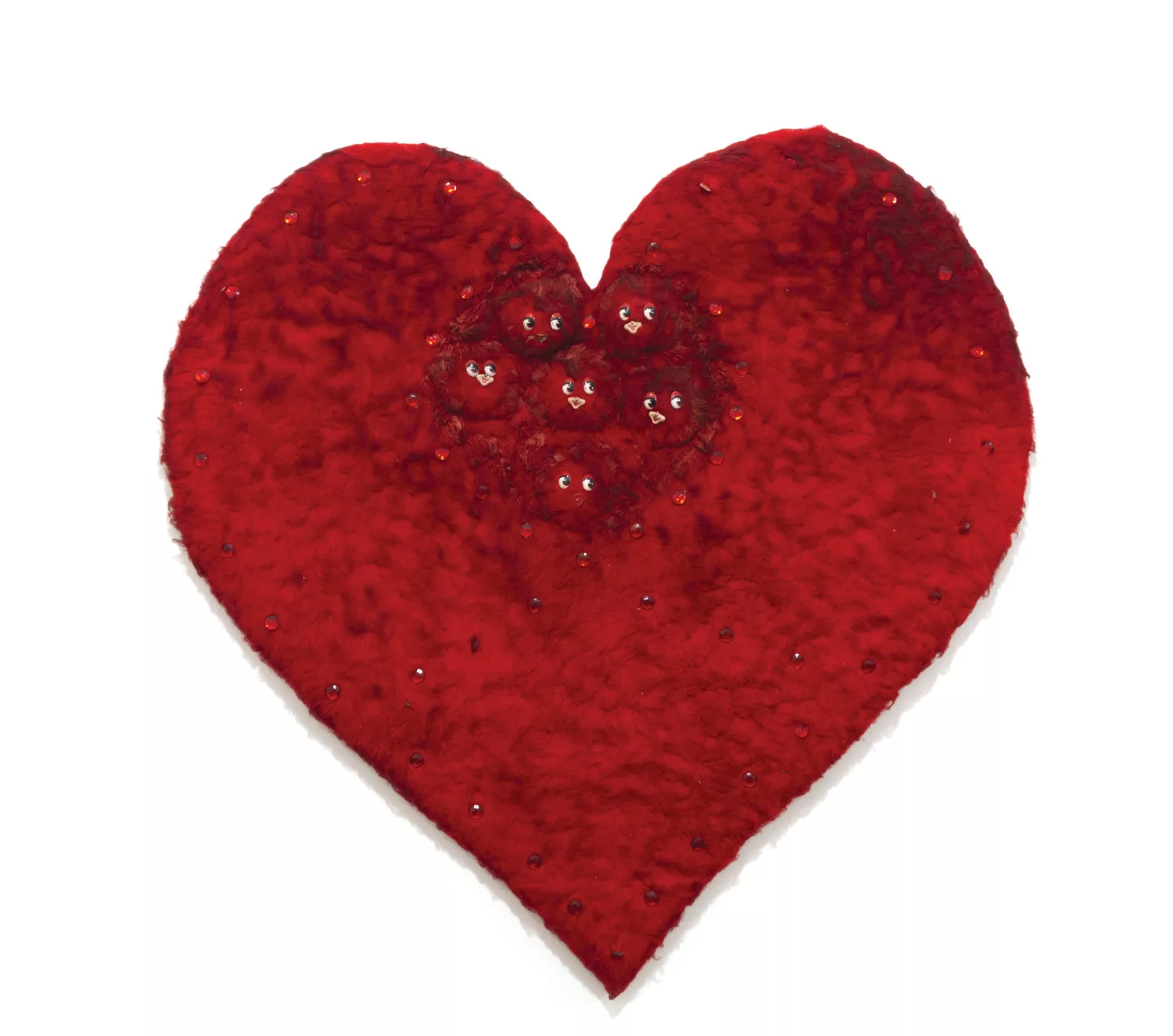
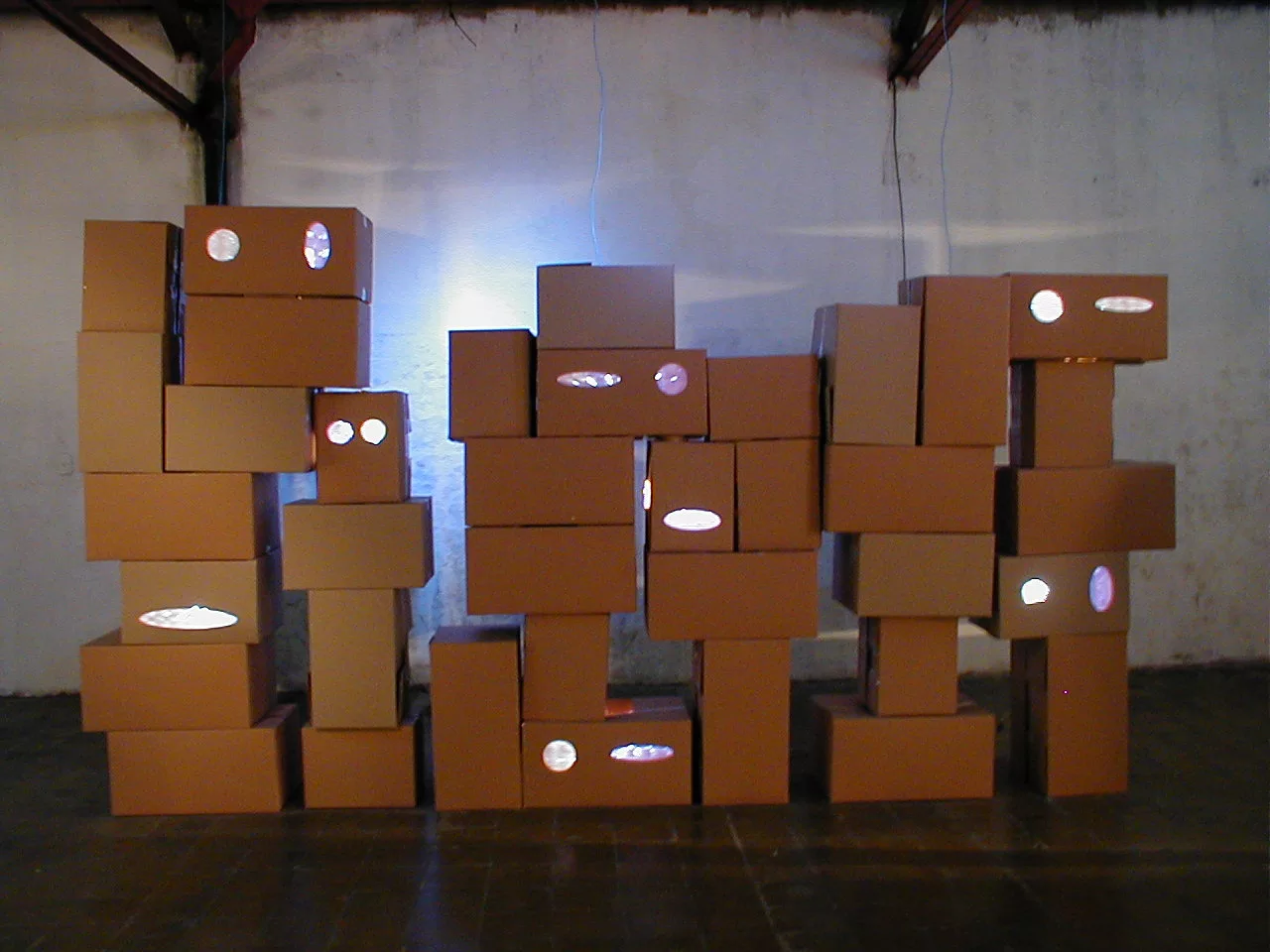
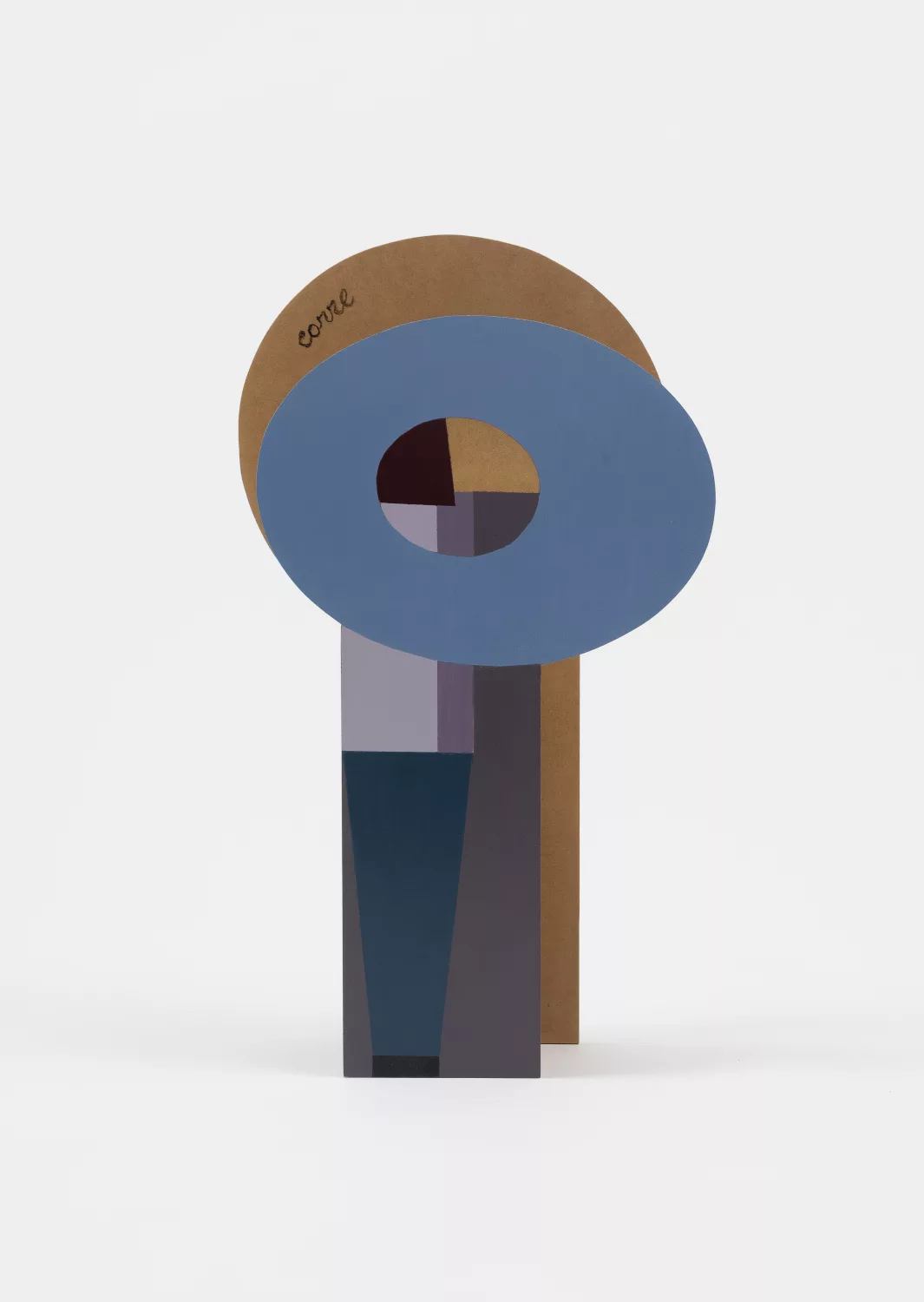
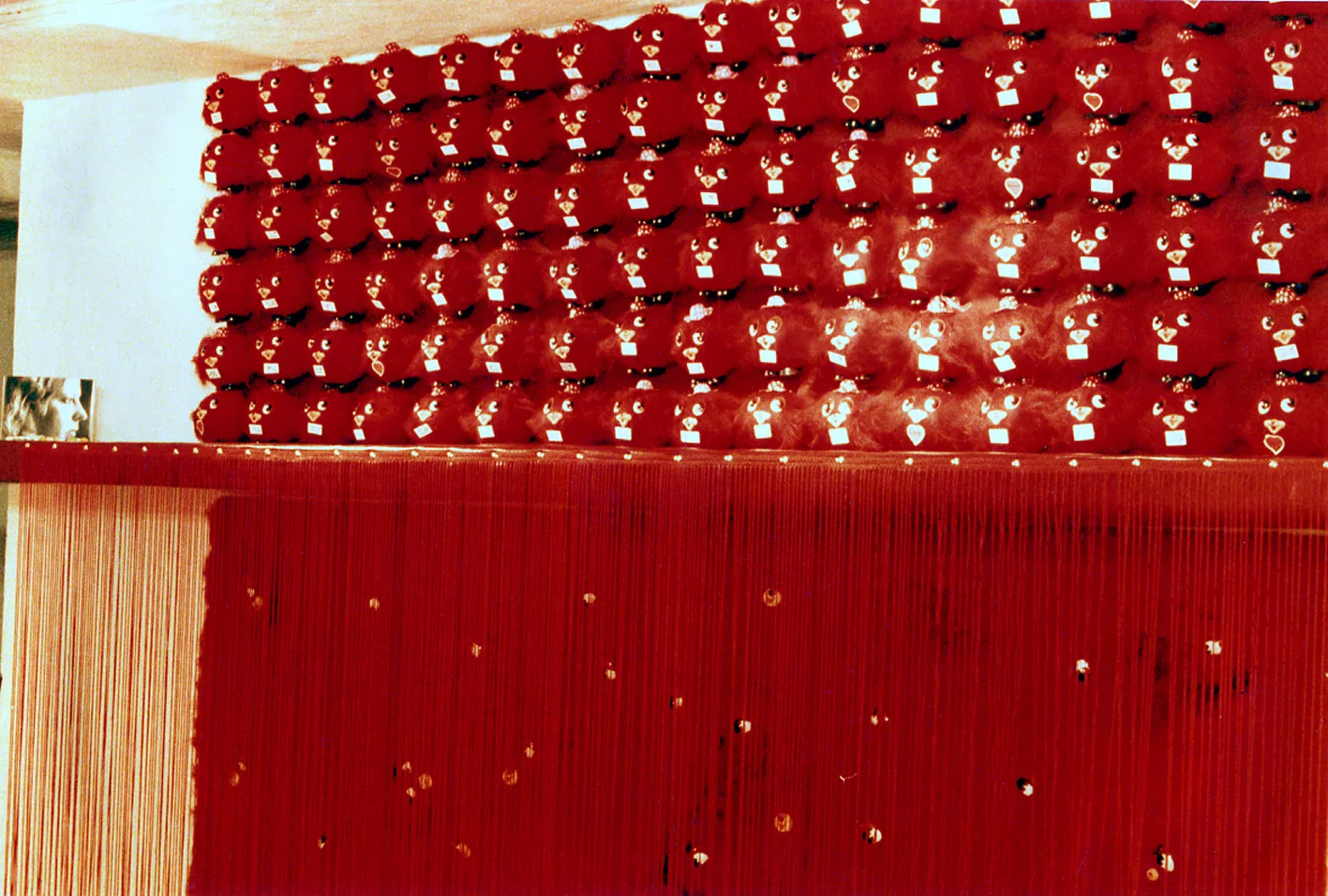
C. Schiavi uses painting, sculpture, drawing and digital printmaking in a practice that enters into a dialogue with design, abstractionism and geometric art. She has also worked with everyday items, exploring their social and emotional dimensions. In the 1990s her work used objects to foreground an ironic treatment of the romantic rituals and social customs of the times. These pieces represent, according to Andrea Giunta, “a return to the emotional and the sensory”, in tension with the visual codes of the domestic environment. InTe quiero [I Love You, 1992], exhibited at the Espacio Giesso, she placed multiple replicas of the same disturbing-looking stuffed animal in an installation combining domestic objects, words, sound and the smell of mothballs, creating a sinister atmosphere strongly contrasting with the apparent tenderness of the ensemble.
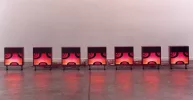
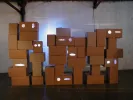
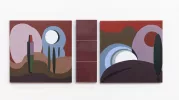
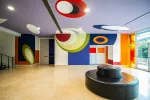
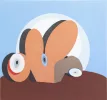
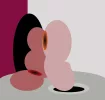
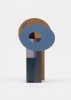
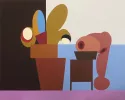
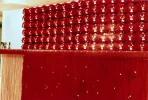
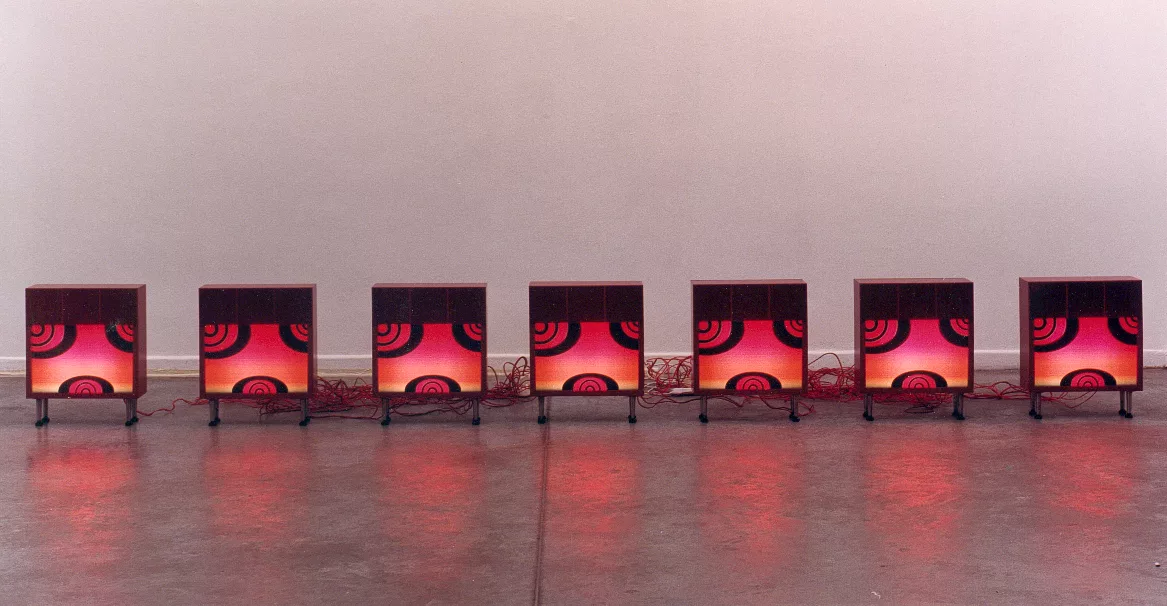
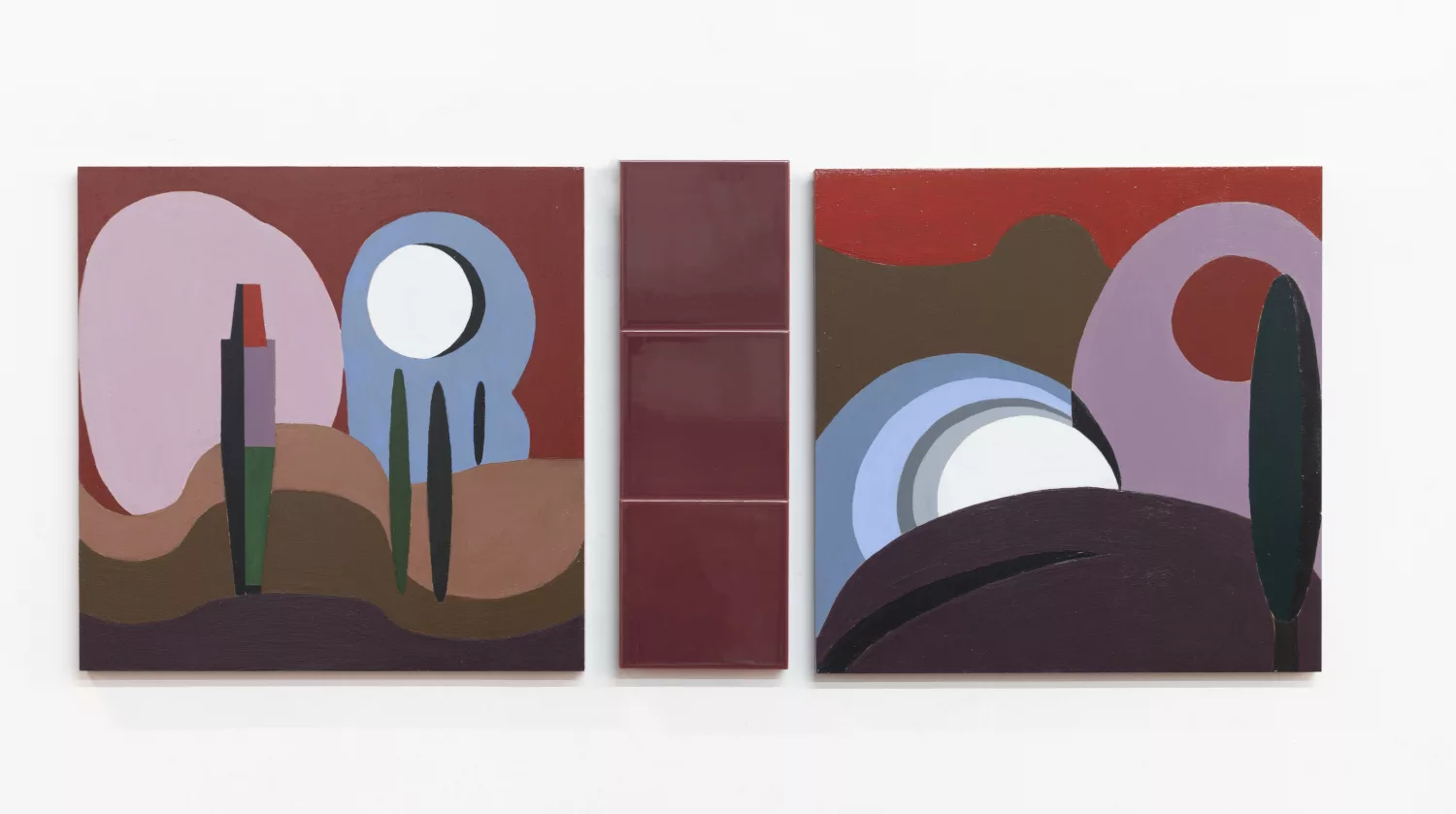
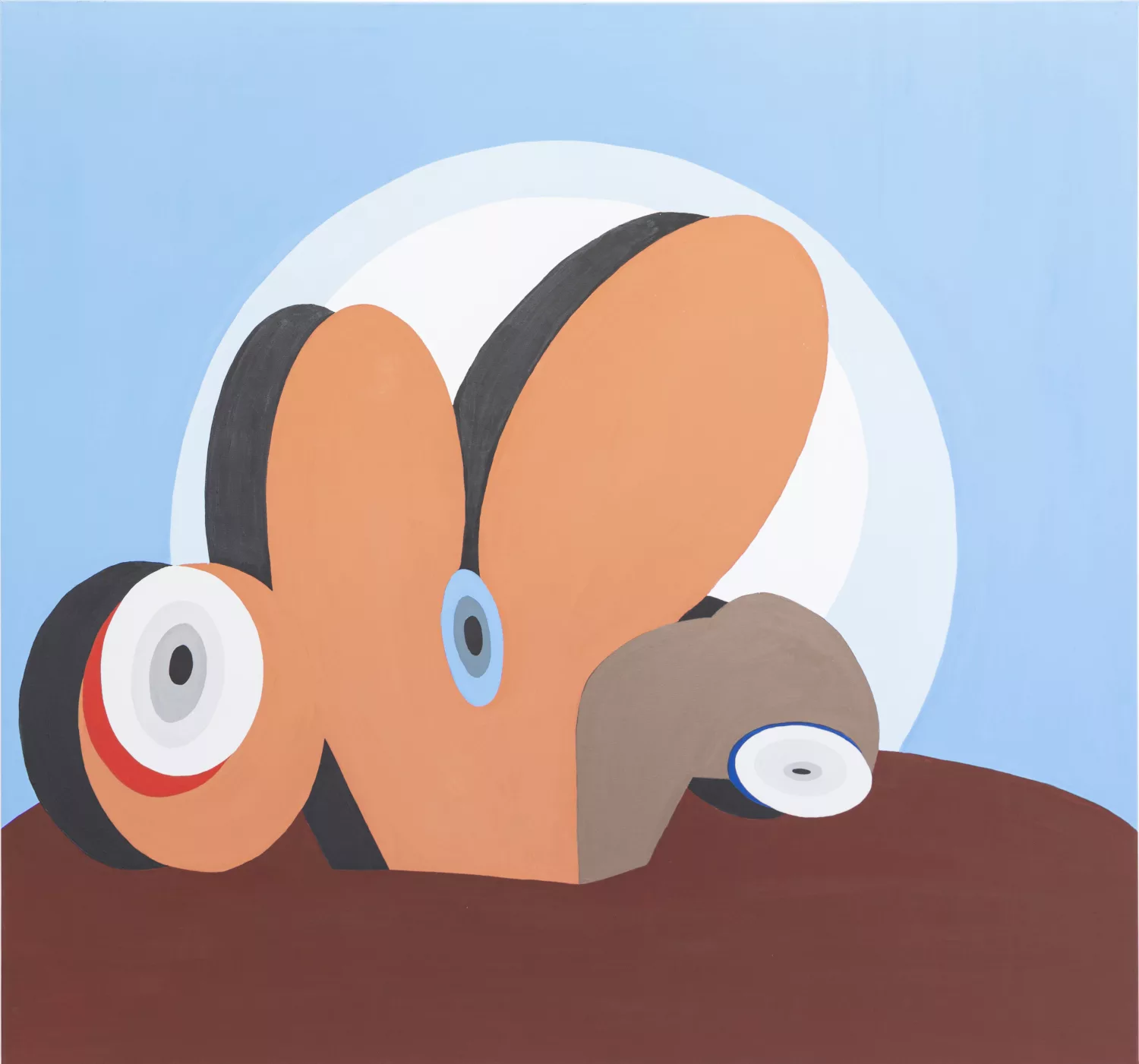
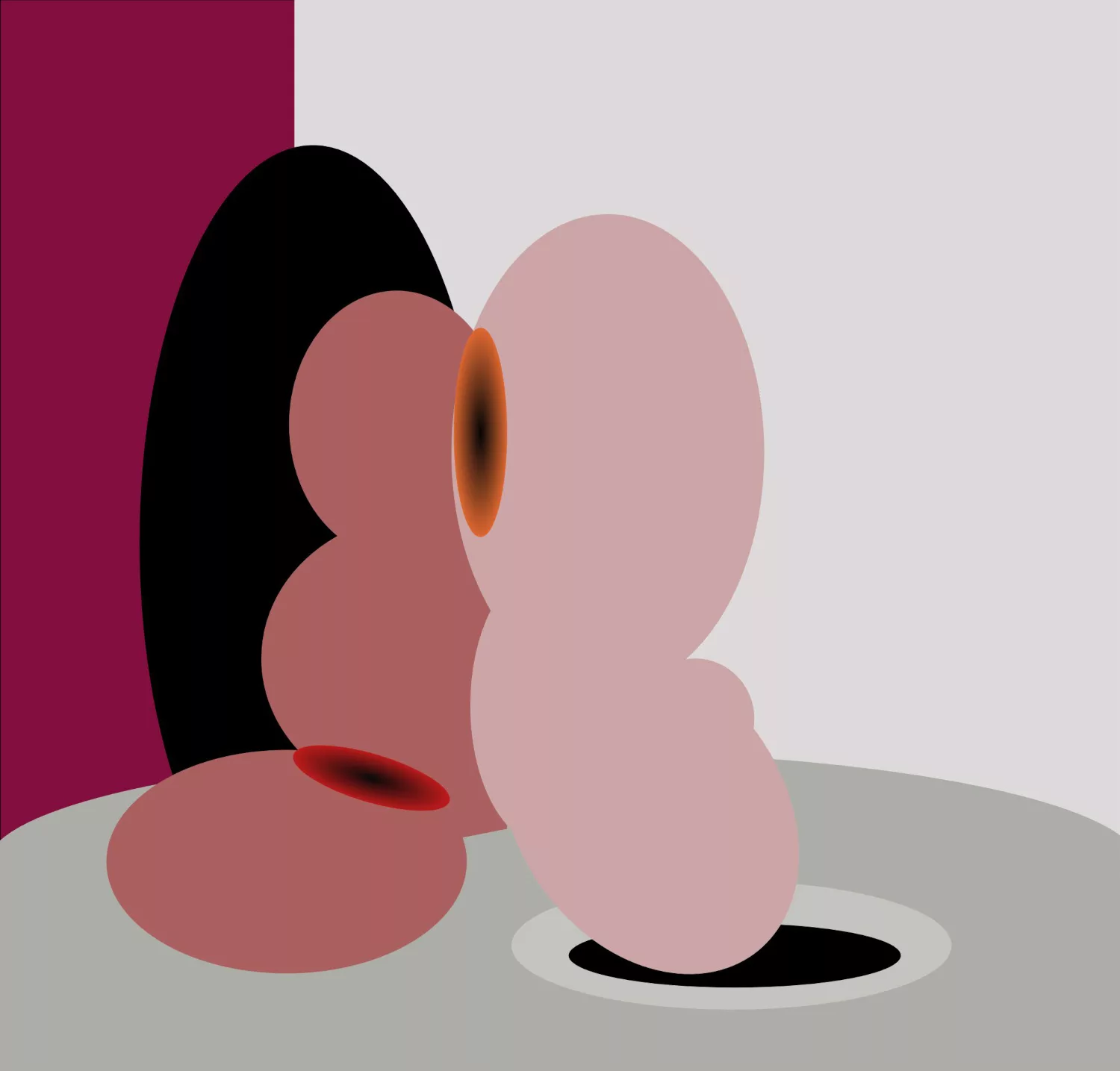
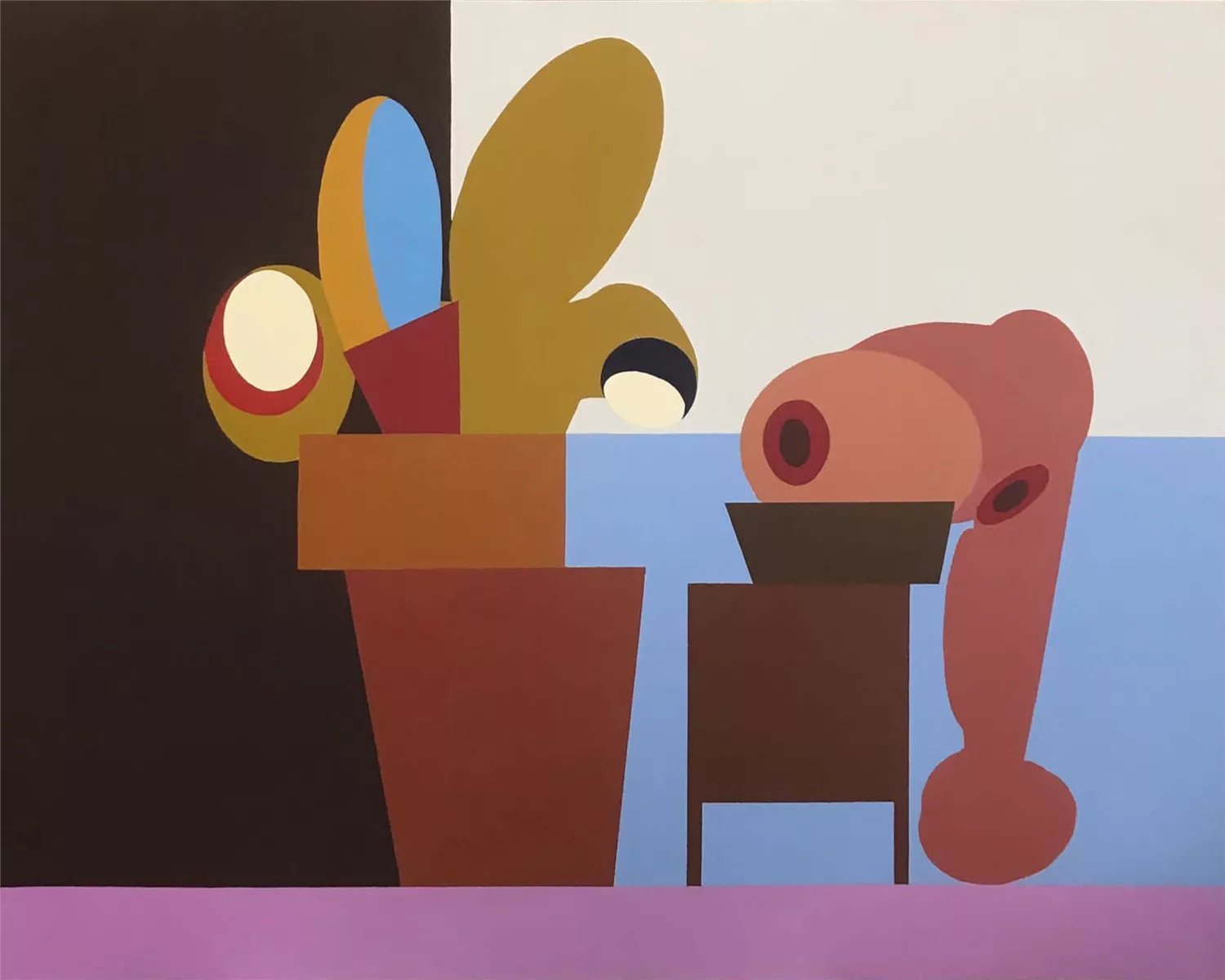
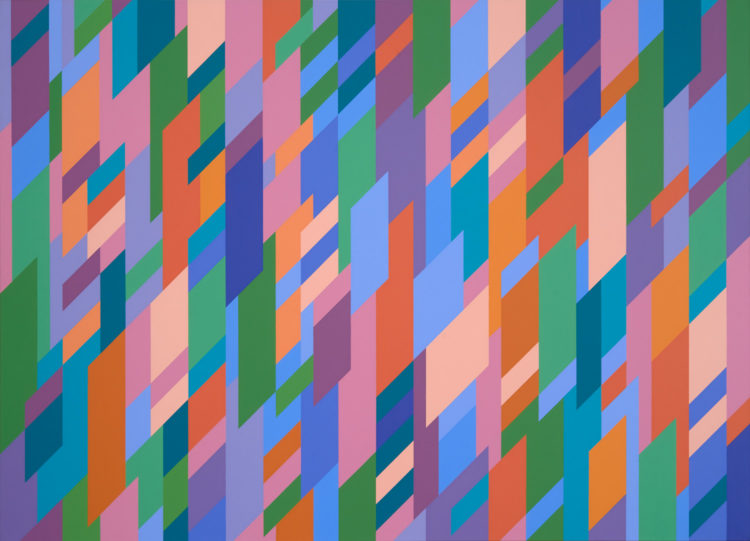
In 1995, when she no longer had a studio at her disposal, C. Schiavi began to work at home on her computer, transitioning toward digital design with CorelDRAW, a program she continues using to this day. This new stage saw formal innovations in her work. The textures and colours became flatter, the edges more precisely defined and pictorial abstraction gave way to geometric abstraction in which corporalities engage in a dialogue. Her work since then has unfolded through multiple materialities. Her outstanding series of this period include Construcciones [Constructions, 2001] and Cuerpo fofo [Flabby Body, 2021], and interventions such as Órbita cromática [Chromatic Orbit, 2022], in which monochrome shapes seem anthropomorphic and abstract at the same time, producing a digital-like language.
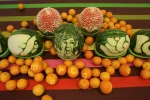
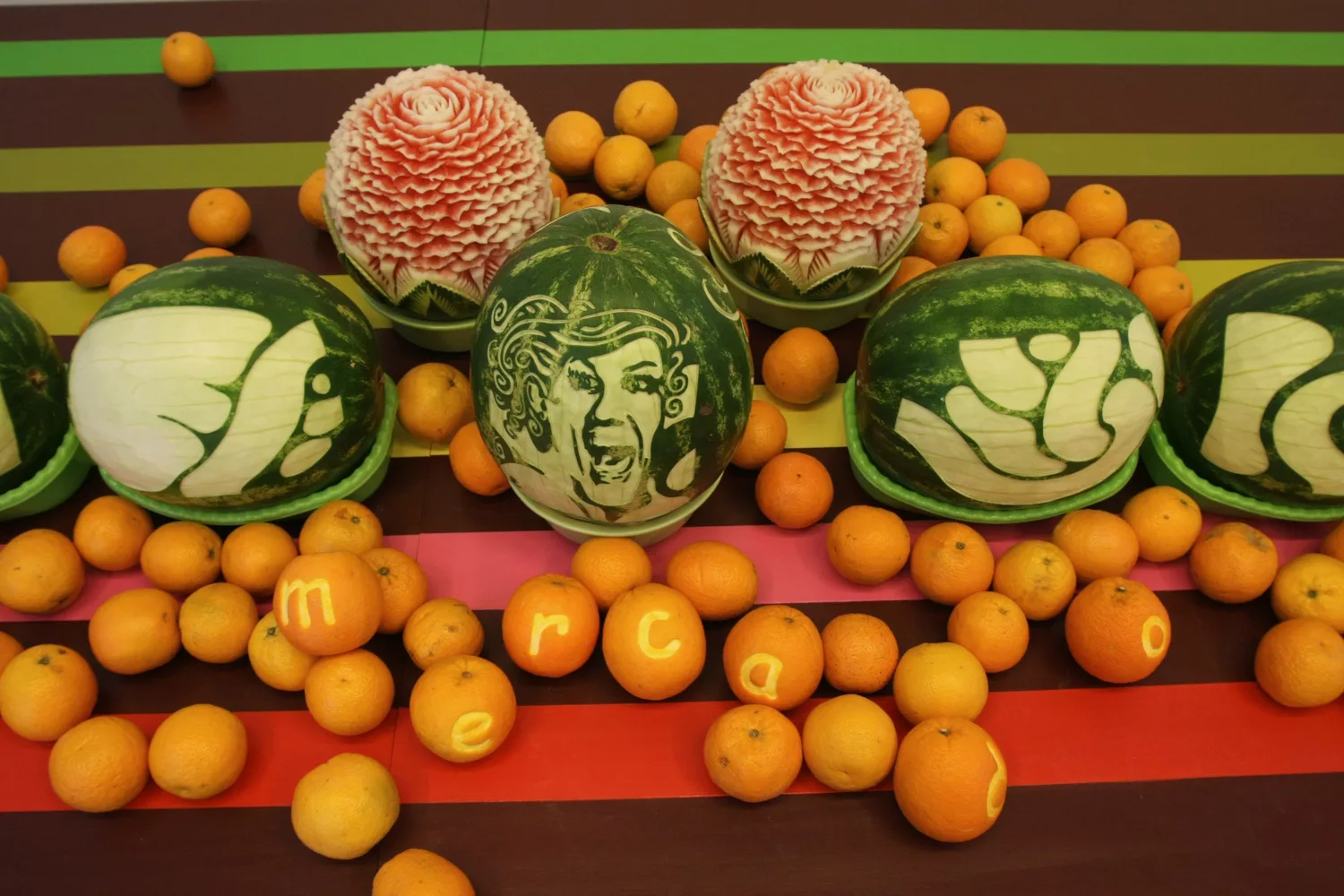
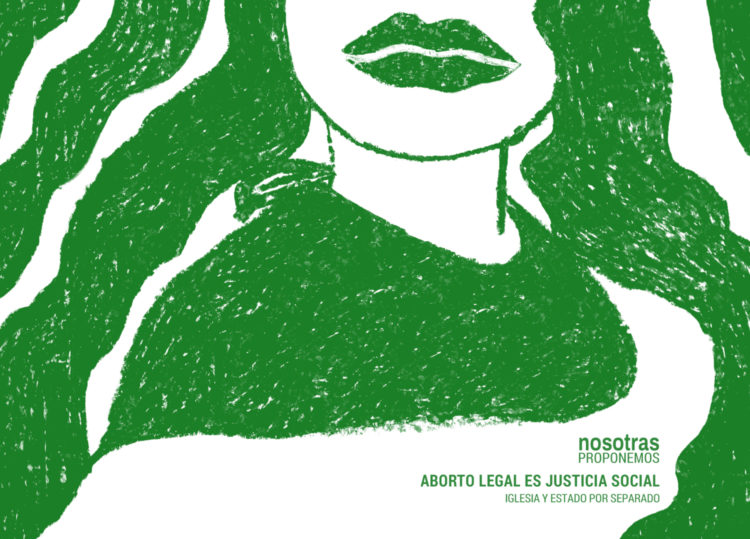
C. Schiavi conceives the making of art as part of a transmission of knowledge, techniques and vocations. In 2008 she invited artists and craftspeople to participate in Contemporáneo 23 Mercado, an intervention at the MALBA inspired by traditional fruit and vegetable markets, in a reference to the idea of social interaction. From 2004 to 2009 she worked with Tamara Stuby (1963–) and Esteban Álvarez (1966–) in El Basilisco, a residency programme. Since 2017 she has been a member of the feminist art collective Nosotras Proponemos.
Her work can be found in venues including the Museo Nacional de Bellas Artes; the MALBA; the Museo de Arte Moderno de Buenos Aires (MAMBA); the Museo de Arte Contemporáneo de Rosario (MACRO); the Museo Provincial de Bellas Artes Franklin Rawson de San Juan; and the Museo de Arte Contemporáneo de Bahía Blanca.
A notice produced as part of the TEAM international academic network: Teaching, E-learning, Agency and Mentoring
© Archives of Women Artists, Research and Exhibitions, 2026