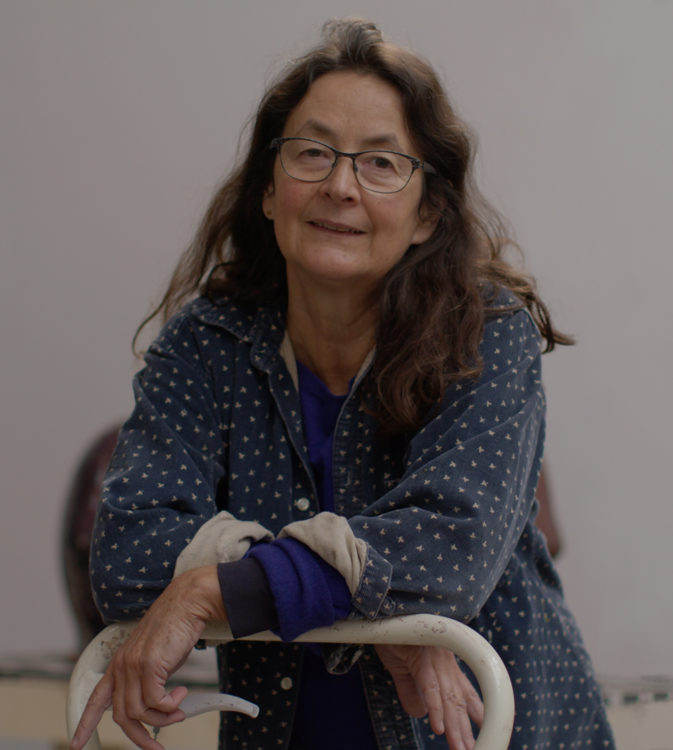
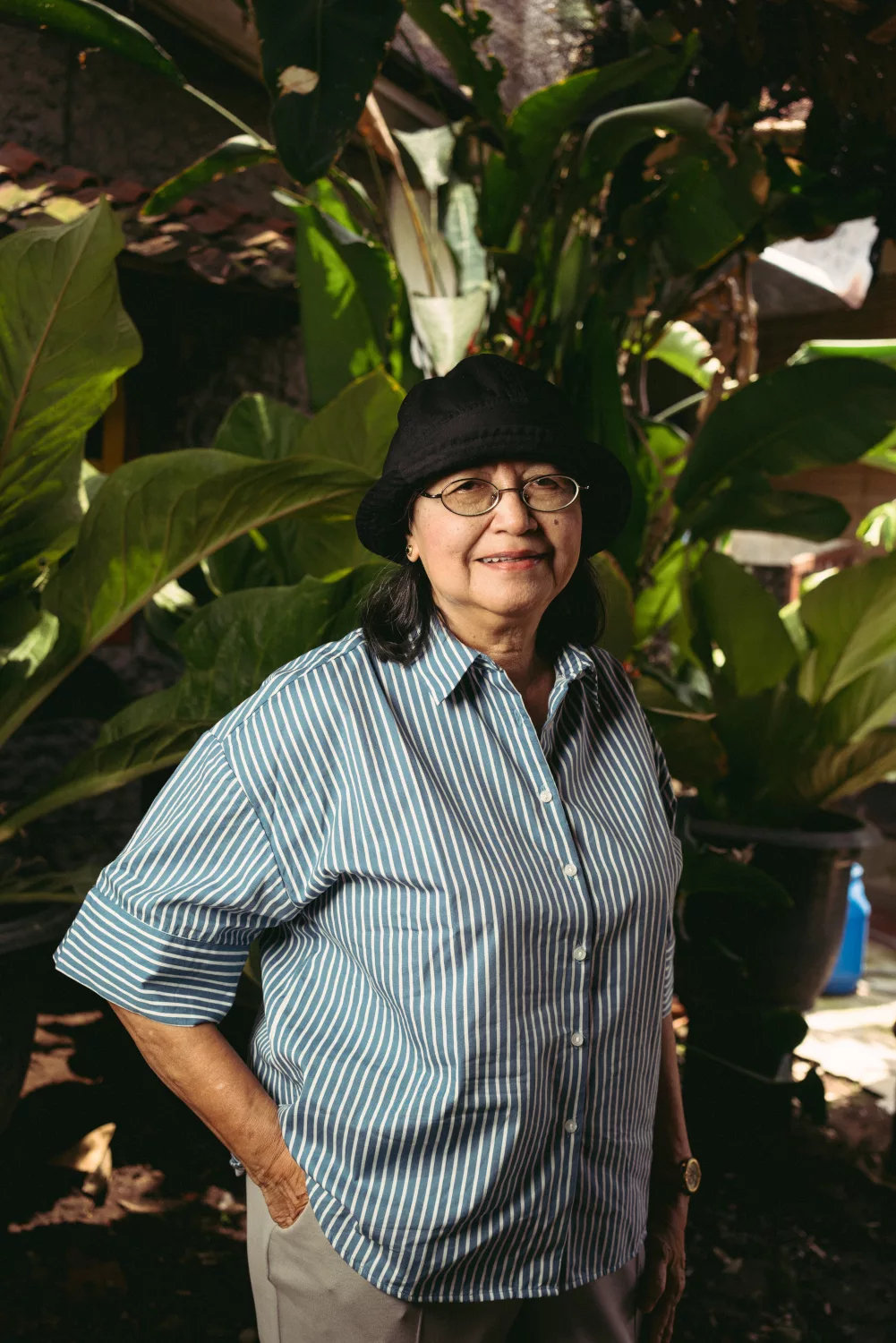
Portrait of Siti Adiyati by Amrita Candradas
Samboh, Grace, “Consequential Privileges of the Social Artists: Meandering through the Practices of Siti Adiyati Subangun, Semsar Siahaan and Moelyono”, in Southeast of Now: Directions in Contemporary and Modern Art in Asia, vol. 4, no. 2, 2020, p. 205-235 https://dx.doi.org/10.1353/sen.2020.0010
→Adiyati, Siti, Dari Kandinsky Sampai Wianta: Catatan-Catatan Seni Rupa [From Kandinsky to Wianta: Fine Art Records (1975–1997)], Jakarta, Jakarta Biennale Foundation, 2017
→Fauzi E., Eddy, Adiyati, Siti, Belajar Aktif Seni Rupa [Fine Art for Active Learning, elementary school supplement from grade 1-6], Jakarta, PT Gramedia, 1986-1989
AWAKENINGS: Art in Society in Asia, 1960s–1990s, National Museum of Modern and Contemporary Art, Gwacheon, 31 January–6 May, 2019; National Gallery Singapore, 14 June–15 September, 2019
→Jakarta Biennale 2017: JIWA, Gudang Sarinah Ekosistem, Museum Seni Rupa dan Keramik, and Museum Fatahillah, Jakarta, 4 November–10 December, 2017
→Nuansa: Pameran Seni Lukis Wanita Indonesia ~ Malaysia [Nuance: All-Women Indonesia ~ Malaysia Painting Exhibition], Gedung Seni Rupa Depdikbud [Education and Cultural Ministry’s Fine Art Building], Jakarta, 26 August–4 September, 1991; Balai Seni Lukis Negara [State’s House of Paintings], Kuala Lumpur, 24 October–9 November, 1991
Indonesian multidisciplinary artist.
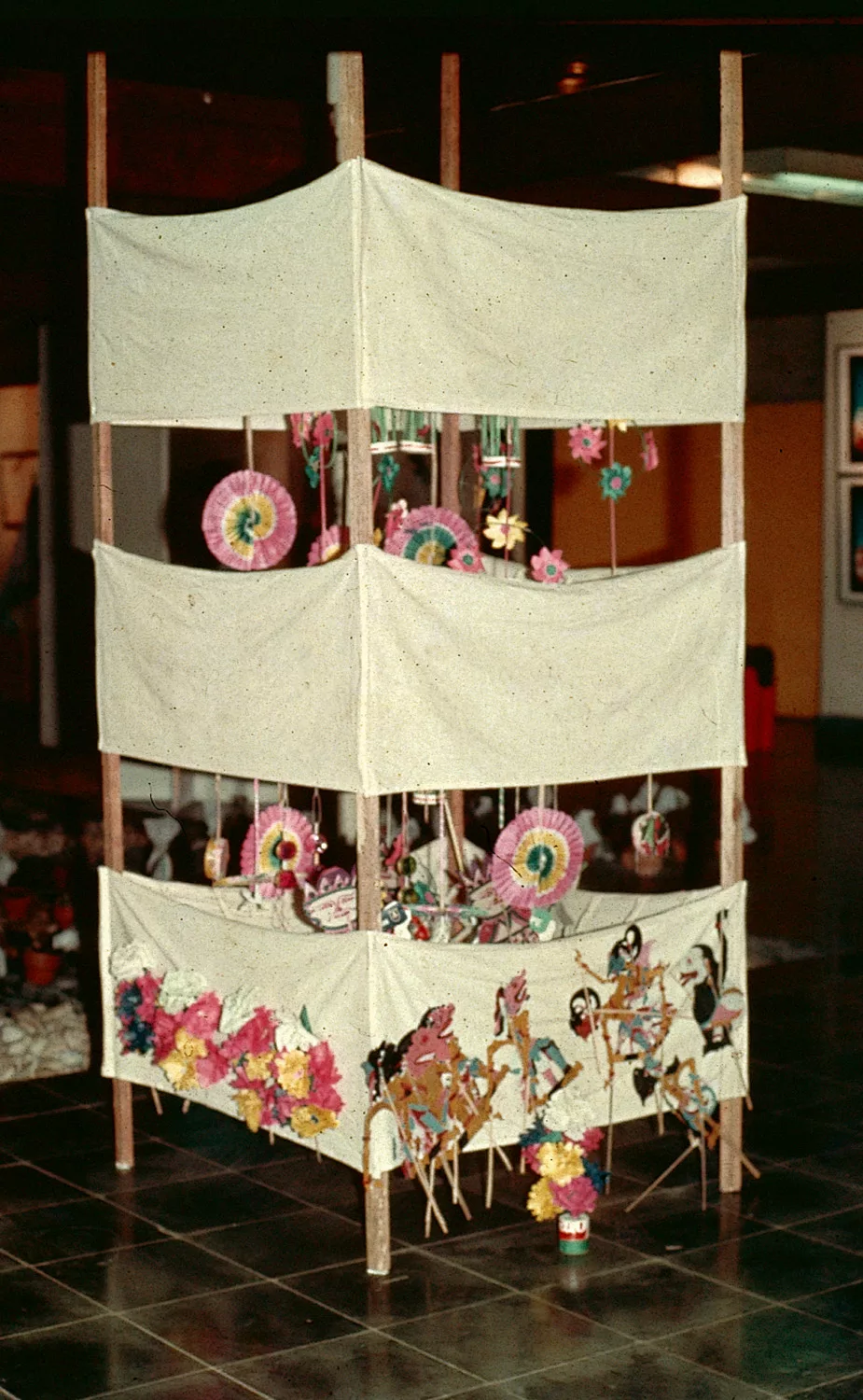
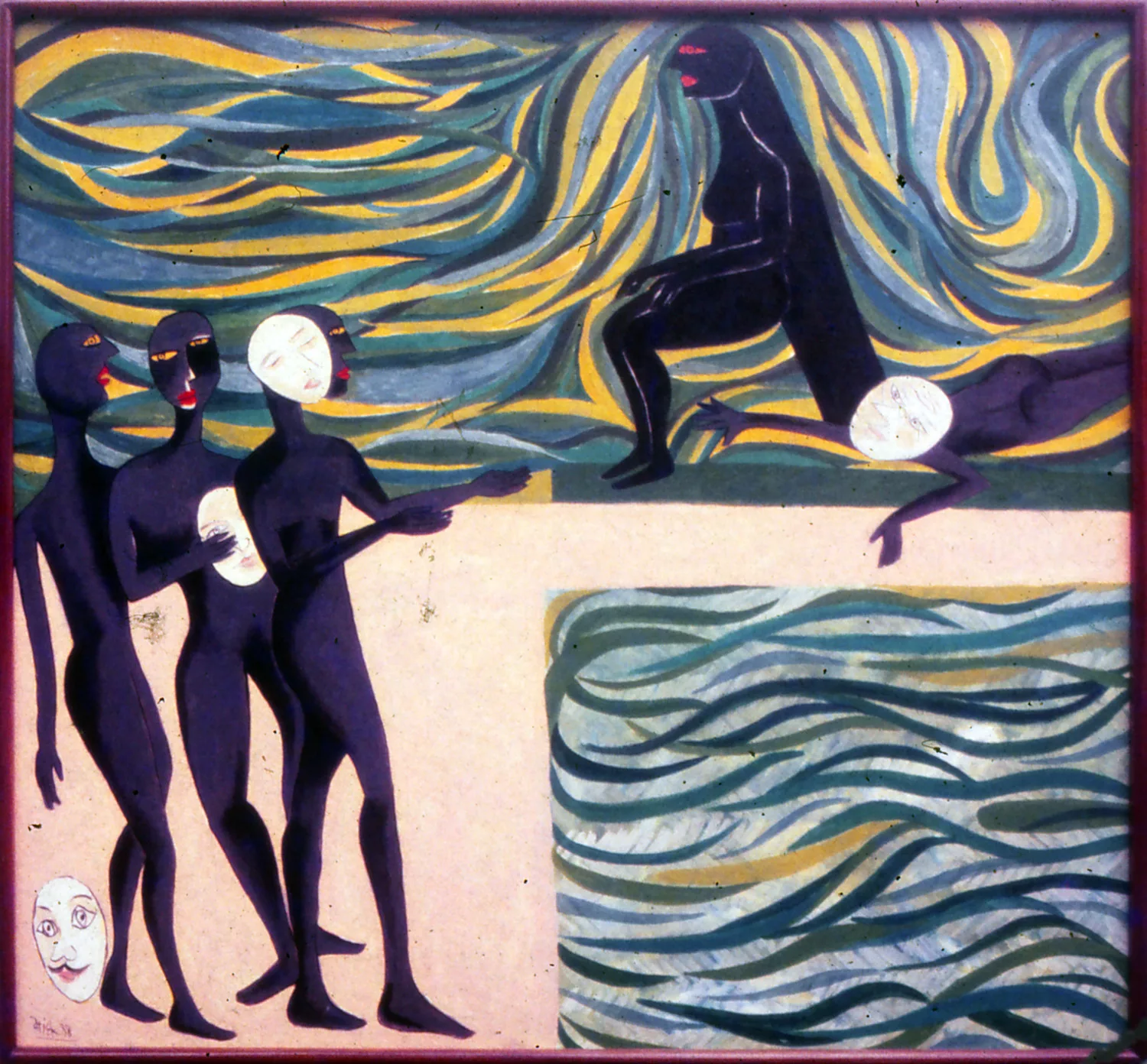
Siti Adiyati Subangun paints, makes installations, teaches and writes about art, publishes (in the fields of art, literature, culture and social studies), organises talks and exhibitions and, at times, takes part in sociological studies and experiments. Trained in traditional Javanese dance, she grew up in a family accustomed to performing wayang (shadow puppetry) and gamelan music for the Yogyakarta palace. This fluid relationship between arts informs her practice, blurring boundaries between disciplines and modes of thinking.
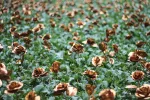
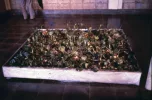
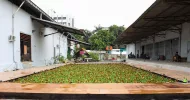
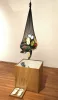
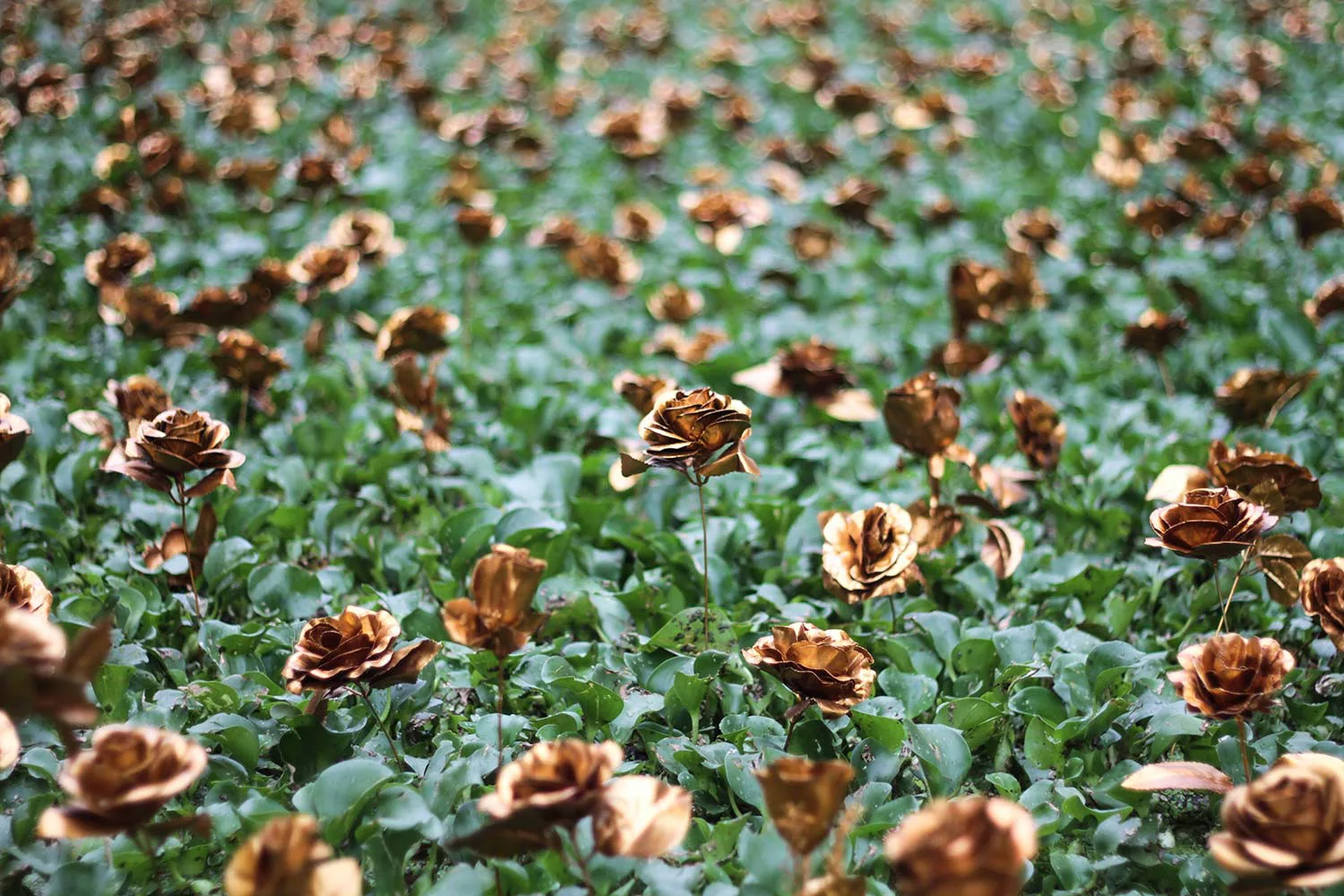
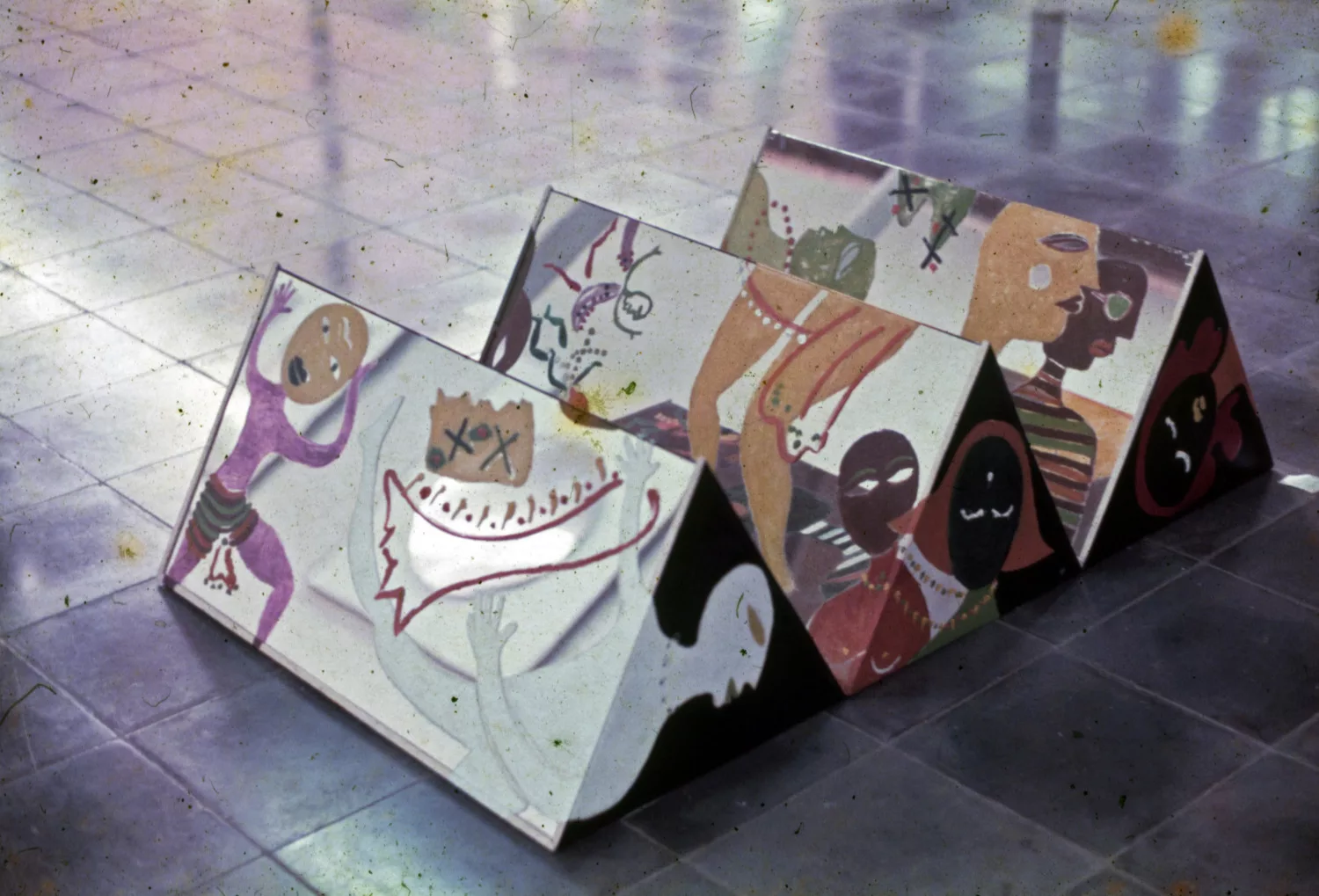
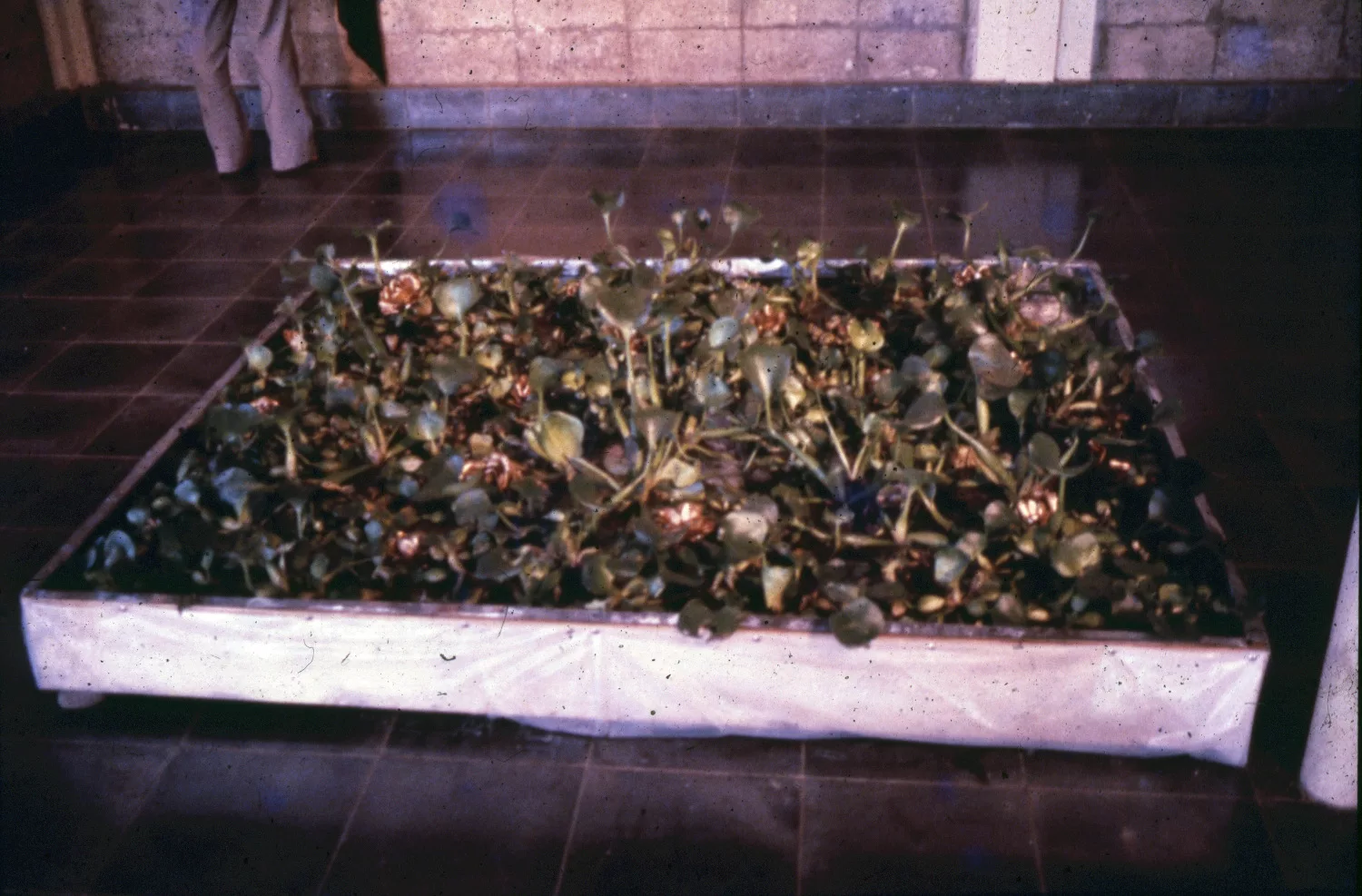
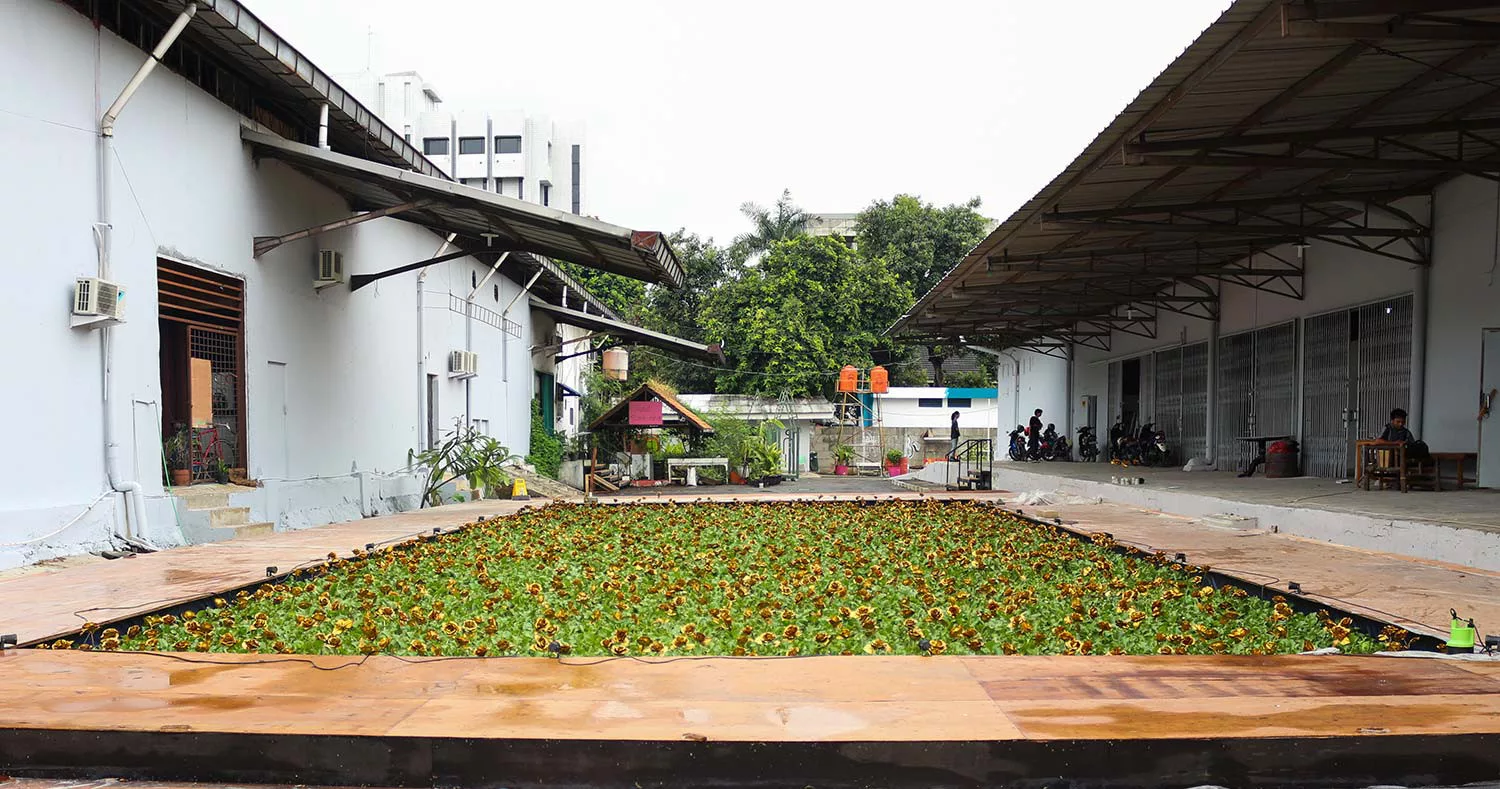
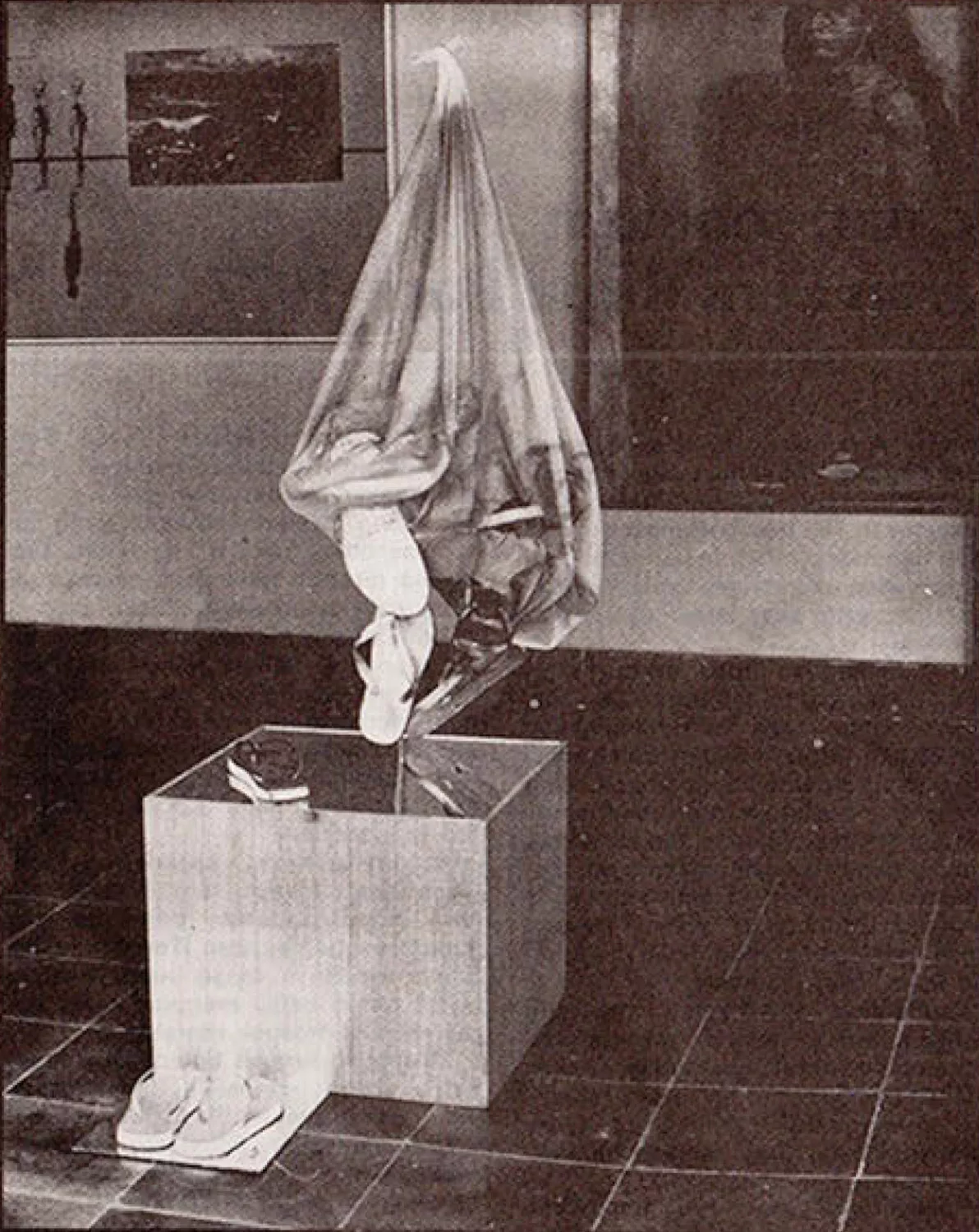
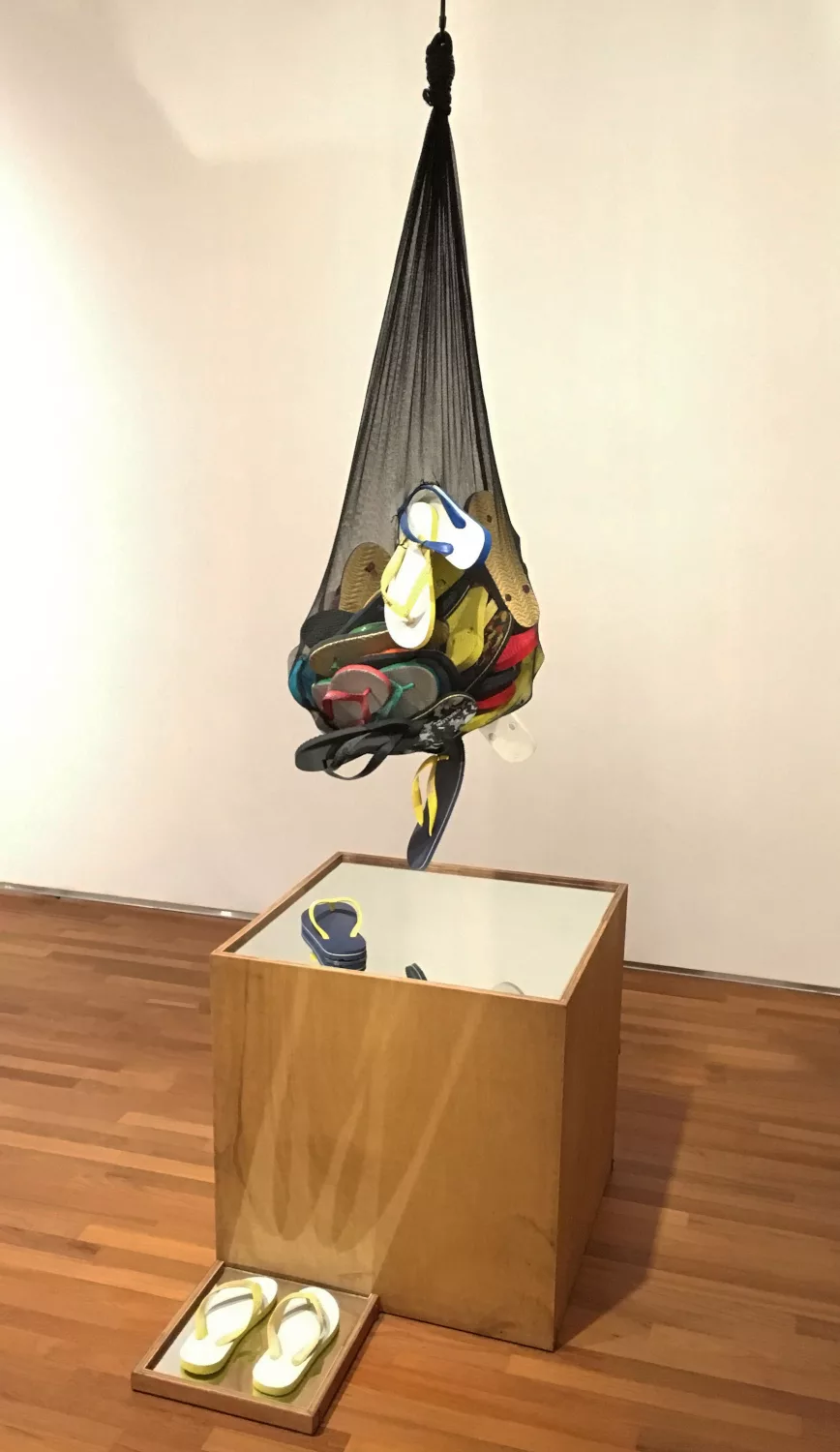
S. Adiyati began exhibiting in 1972. Her early works often incorporate mirrors as a way to engage and include viewers in her art. Her seminal installation Eceng Gondok Berbunga Emas [Water Hyacinth with Golden Flowers, 1979], involved actual living water hyacinths placed in a specially constructed pond inside the gallery. This installation offered an experience on materiality and interaction, grounding artistic expression in the tangible.
In 1973, she obtained her diploma in painting at the Yogyakarta art school Akademi Seni Rupa Indonesia [ASRI, now the Indonesia Institute of the Arts]. She signed the Black December petition protesting against the five winners of the 1974 Pameran Besar Seni Lukis Indonesia [the Indonesia Grand Painting Exhibition, now the Jakarta Biennale]. Driven by artists from multiple generations, this petition challenged the jury’s conventional aesthetics, arguing that they were detached from the struggles and explorations of the time. As a consequence, several younger signatories, including S. Adiyati, were excluded from ASRI. In response, a number of artists from the Bandung Institute of Technology joined forces, leading to the first Seni Rupa Baru [New Art in Indonesia] exhibition in 1975 at Taman Ismail Marzuki – Jakarta’s most prestigious art space. Today, Seni Rupa Baru (1975–1989) is recognised as one of the key movements shaping contemporary art in Indonesia.
S. Adiyati started writing art reviews and criticism in the mid-1970s. During her years living in Paris and Kyoto in the 1980s, her writings often took the form of extended museum-style captions: detailed descriptions of an artwork’s physical presence, an introduction to the artist’s practice, the concerns addressed by the work and a contextualisation for her Indonesian-speaking readers. Her approach remained consistent across geographies– whether writing about an exhibition in Paris, Kyoto or Jakarta, she allowed the artworks to guide the depth of contextualisation, rather than their location.
In the early 1990s, while teaching art in Jakarta high schools, she co-founded DIALOG, a short-lived but influential contemporary art journal (1990–1994). At around the same time, she initiated archival research, collection cataloguing and conservation efforts for what is now, in the Galeri Nasional Indonesia collection, referred to as ‘Jakarta-Paris 1959–1960’ – a collection of around 200 works donated by the French government in response to President Sukarno’s vision for a national gallery.
She refrained from exhibiting in the 2000s – although she would still quietly paint in her studio – and focused instead on planting and agricultural work in Kediri and Gunung Kidul. This was not a break from her artistic principles but rather an extension of them, a shift of her attention to the rhythms of cultivation and sustainability. In 2021, she returned to exhibiting with a new installation at Yogyakarta’s annual ARTJOG.
A biography produced as part of the programme The Flow of History. Southeast Asian Women Artists, in collaboration with Asia Art Archive
© Archives of Women Artists, Research and Exhibitions, 2026